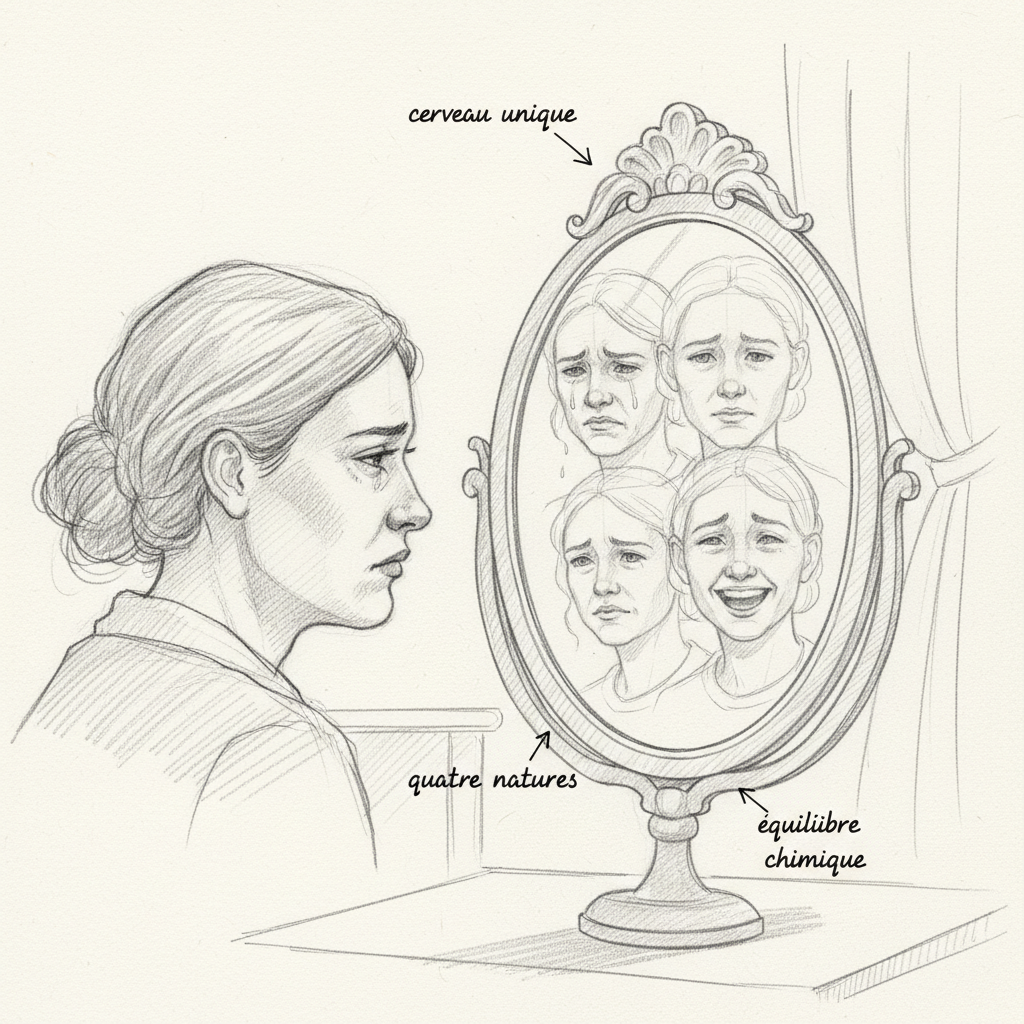
When Élodie walked into my office, she told me a sentence I hear often: “I don’t recognize myself anymore.” At thirty-eight years old, she had lost her motivation at work, her sleep had become chaotic, she would cry without reason on Sunday evenings, and she was compensating with sugar and coffee. Her doctor had checked her thyroid, her iron, her vitamin D. Everything was “within normal range.” He had suggested an antidepressant. She refused. She felt the problem wasn’t psychiatric, but biochemical. That something had changed in her brain, and all she needed to do was find out what.
I gave Élodie the two questionnaires from Dr. Eric Braverman. In twenty minutes, the picture was clear: dominant nature acetylcholine (creative, intuitive, fast), but severe dopamine deficiency and moderate serotonin deficiency. Her brain was running on two cylinders out of four. The most striking thing was that she instantly recognized her own portrait. No need for blood work, no need for an MRI. Four questionnaires, four scores, four numbers, and a precise mapping of her brain biochemistry.
This is the entire power of the Braverman method. And this is what I’m going to present to you here: not an isolated neurotransmitter, but the big picture. The complete system. The method as Braverman designed it in The Edge Effect.
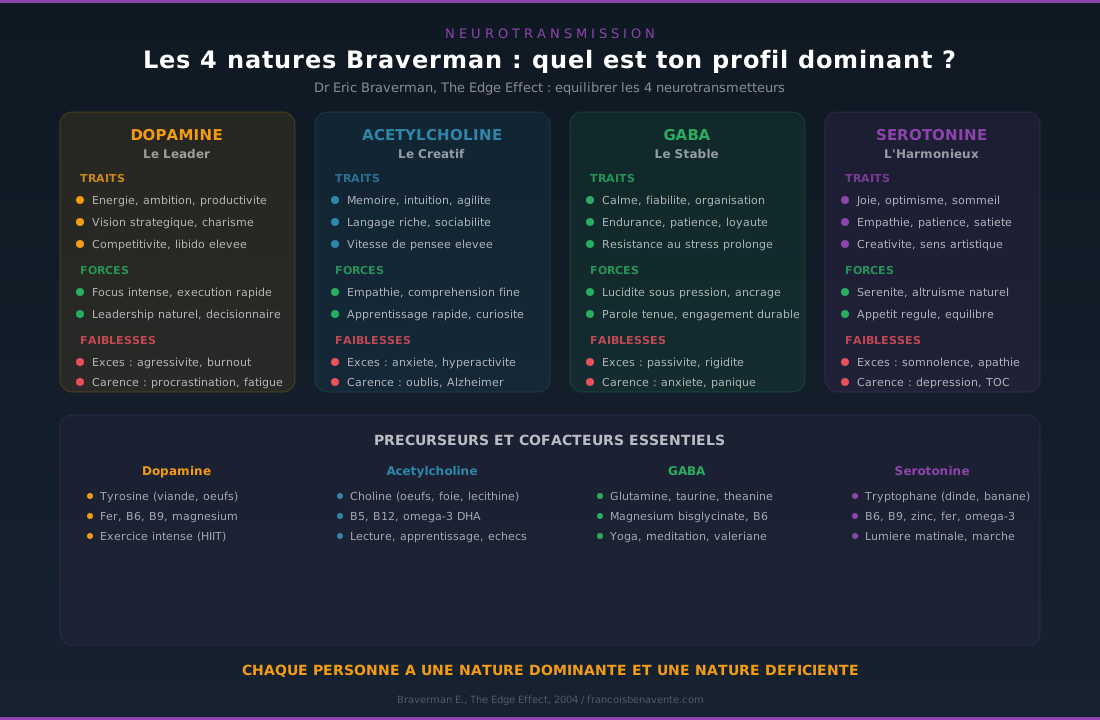
Eric Braverman, the neurologist who mapped the brain
Eric R. Braverman is an American neurologist, founder and director of PATH Medical, an integrative medicine center in New York. His background is conventional: medicine at New York University, specialization in neurology and internal medicine. What distinguishes him is his obsession with measurement. Where conventional psychiatry operates on feeling and therapeutic trial (you prescribe, you wait, you adjust), Braverman wants numbers.
His main tool is the BEAM, Brain Electrical Activity Mapping, a technology developed by Harvard researchers that maps the electrical activity of the brain in real time. The BEAM measures four parameters that each correspond to a neurotransmitter. Electrical voltage corresponds to dopamine: it’s the raw power of the brain, its capacity to generate mental energy. Propagation speed corresponds to acetylcholine: it’s the speed at which information circulates through neural circuits. The rhythm of oscillations corresponds to GABA: it’s the regularity, the stability of brain waves. Synchronization between hemispheres corresponds to serotonin: it’s the overall harmony of the brain, its capacity to function as a coherent whole.
This correspondence between four electrical measurements and four neurotransmitters is the foundation of the entire method. Braverman does not speak of personality in the psychological sense. He speaks of biochemistry. Your character, your strengths, your vulnerabilities, your future diseases: everything is written in the balance between these four molecules. And this balance can be measured, corrected, and rebalanced.
The four natures: your brain has a signature
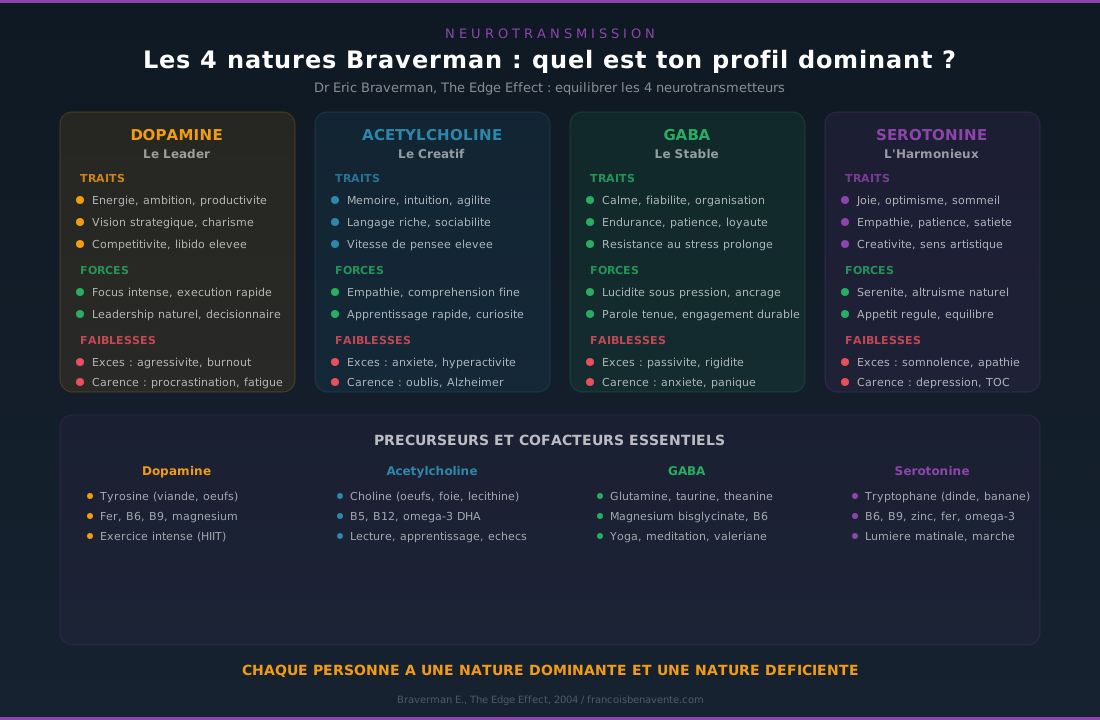
Every human being is born with a dominant neurotransmitter. It’s your deep nature, your biochemical signature. Braverman calls them the four natures, and each has its strengths, its excesses, its health risks, and its specific needs.
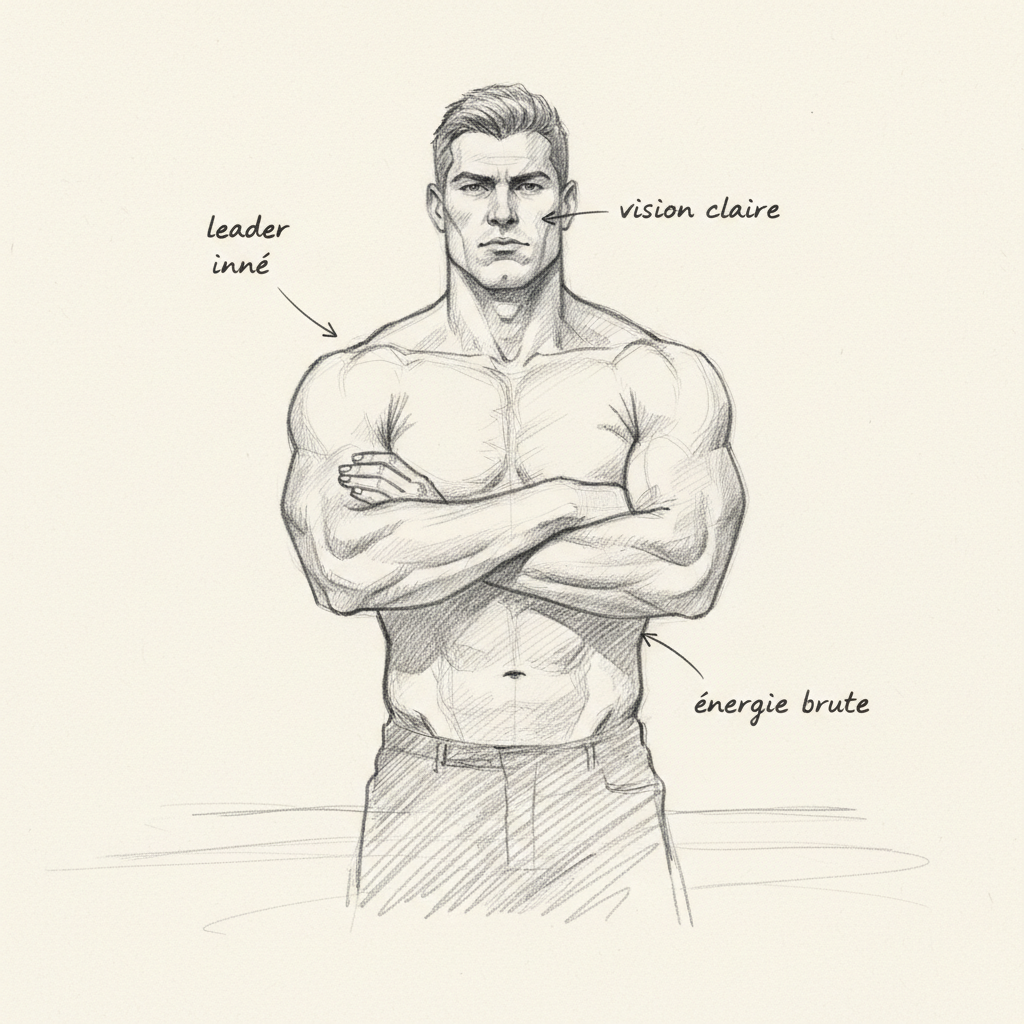
The dopamine nature is the “power” profile. You are the leader, the decision-maker, the one who walks into a room and takes it over. Energy is your trademark. You decide fast, you act faster still, and you have no patience for people who hesitate. The prefrontal cortex (decision, planning) and the mesolimbic circuit (motivation, reward) are your strong areas. The risk: burnout, addictions, aggression when you no longer know how to stop.
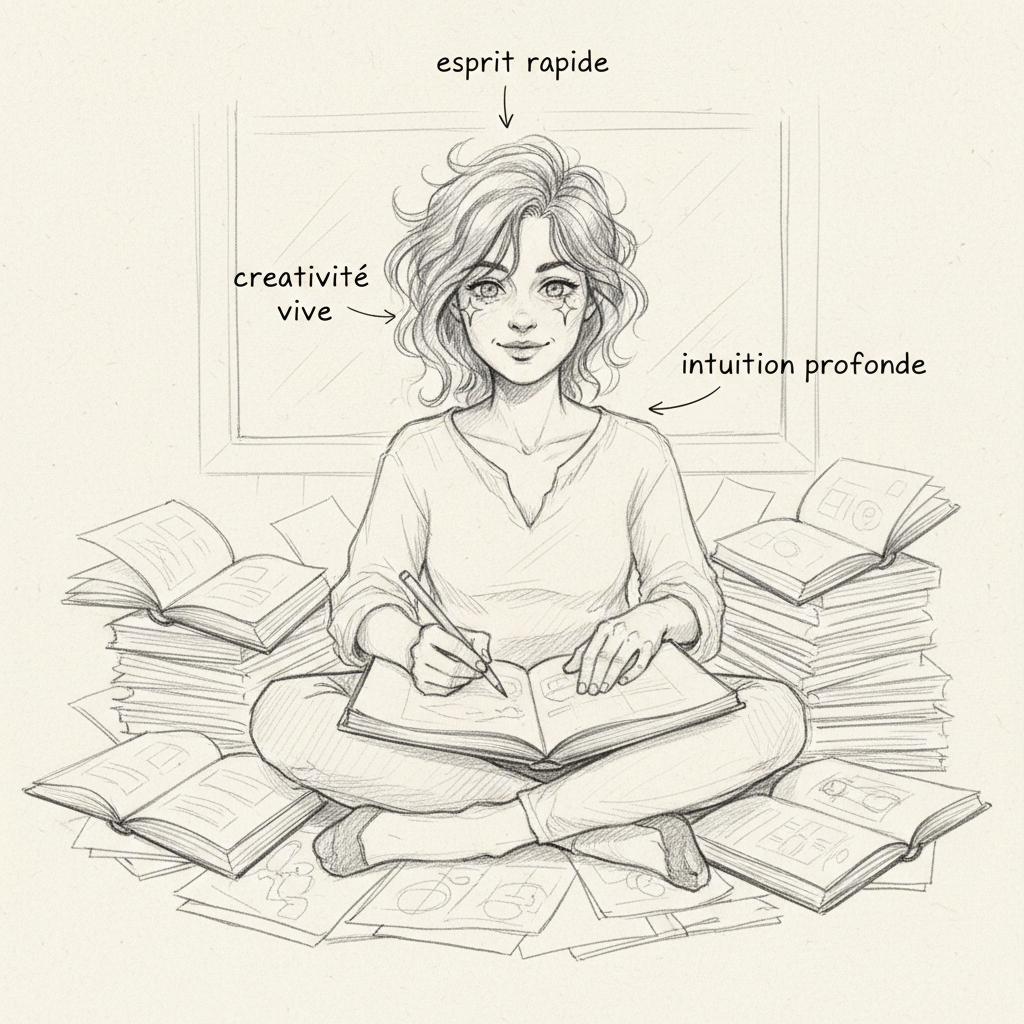
The acetylcholine nature is the “speed” profile. You are the creative, the intuitive, the one who makes connections no one else sees. Your memory is photographic, your imagination boundless. The hippocampus (memory) and parietal cortex (sensory integration) are your strong areas. The risk: scatteredness, hypersensitivity, the loneliness of the thinker who goes too fast for others.
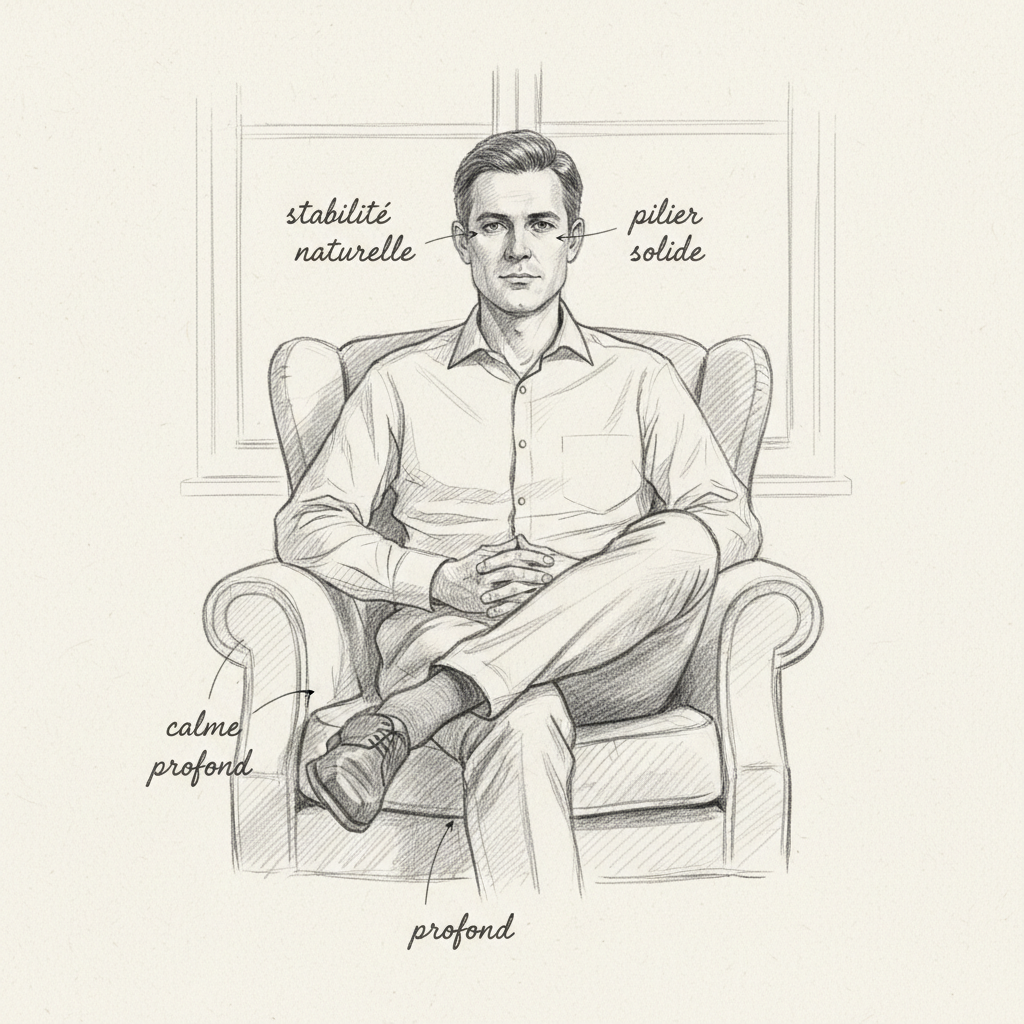
The GABA nature is the “rhythm” profile. You are the pillar, the stabilizer, the one everyone relies on. You are organized, reliable, punctual. The cerebellum (coordination) and basal ganglia (regularity) are your strong areas. The risk: immobility, resistance to change, weight gain from excess routine.
The serotonin nature is the “synchrony” profile. You are the harmonizer, the social one, the person who feels others’ emotions before they express them. You are empathetic, pragmatic, joyful. The cingulate cortex (emotions) and limbic system (social connection) are your strong areas. The risk: hedonism, lack of ambition, depression when light decreases.
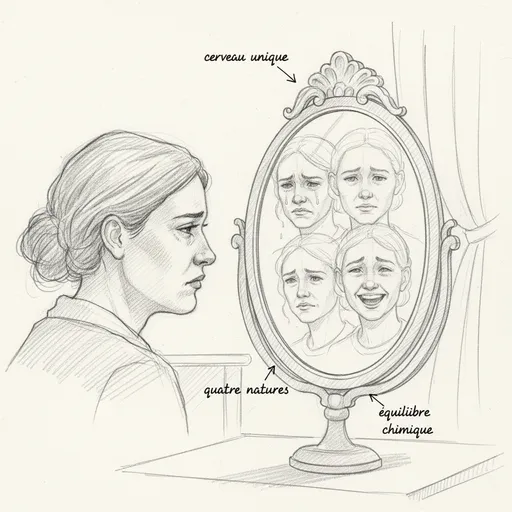
These four natures are not rigid boxes. Braverman insists that each individual is a mixture of all four, with a dominant one and varying proportions. This is why profiling doesn’t stop at identifying your dominant nature.
The four-digit code: your complete mapping
The true power of the Braverman method doesn’t lie in identifying your dominant nature. It lies in the four-digit code that combines your dominant nature and your deficiencies to draw a complete portrait of your brain biochemistry.
Two questionnaires are necessary. The first evaluates your dominant nature: which neurotransmitter is most active, the one that defines your personality “by default.” The second evaluates your current deficiencies: which neurotransmitter is depleting, the one that explains your symptoms today. Each questionnaire produces four scores: one per neurotransmitter. The combined result gives your complete profile.
You might be dopamine dominant with a GABA deficiency. You are then a leader who no longer knows how to stop: insomnia, racing thoughts, clenched jaw. You might be acetylcholine dominant with a dopamine deficiency. You are then a creative who no longer has the energy to materialize ideas: procrastination, morning fatigue, loss of motivation. You might be GABA dominant with a serotonin deficiency. You are then a pillar that’s beginning to crack: underlying anxiety, sugar cravings, unstable mood in winter.
This was exactly what I found in Élodie. Her acetylcholine nature (creativity, intuition) was intact. But her dopamine (energy, motivation) and serotonin (mood, sleep) were collapsing. The four-digit code explained all her symptoms without needing to invoke depression. It was a measurable and correctable biochemical imbalance.
To identify your own mapping, take the dominance questionnaires: dopamine, acetylcholine, GABA, serotonin. Then the deficiency questionnaires: dopamine, acetylcholine, GABA, serotonin.
Interactions between neurotransmitters: the brain symphony
Braverman emphasizes a point that conventional medicine almost systematically ignores: the four neurotransmitters do not function in isolation. They form a symphony where each instrument affects the others. Correcting one neurotransmitter without considering interactions is like tuning a violin without listening to the rest of the orchestra.
Dopamine and GABA are two sides of the same coin. Dopamine is the accelerator, GABA is the brake. Excess dopamine without sufficient GABA gives agitation, impulsivity, insomnia. Excess GABA without sufficient dopamine gives passivity, apathy, resignation. The balance between the two determines your capacity to act with measure: neither too much nor too little.
Acetylcholine and serotonin are another fundamental pair. Acetylcholine is processing speed (fast thinking, creativity), serotonin is synchronization (overall well-being, emotional harmony). Excess acetylcholine without serotonin gives the anxious thinker, the one who analyzes everything but never finds peace. Excess serotonin without acetylcholine gives the satisfied contemplative who produces nothing.
These interactions explain why an SSRI antidepressant (which boosts serotonin) can worsen fatigue in a patient whose real problem is dopamine. Or why a dopaminergic stimulant (coffee, Ritalin) can trigger anxiety in someone whose GABA is already low. The Braverman method allows you to target the right neurotransmitter instead of shooting in the dark.
Rebalancing: nutrition, lifestyle, amino acids
Once your profile is established, the rebalancing strategy follows a three-level logic. The first level is nutrition, the second is lifestyle, the third is targeted supplementation with amino acids and cofactors.
For dopamine, the precursor is tyrosine. Foods rich in tyrosine are animal proteins (duck, red meat, eggs), legumes (lentils), dark chocolate, oat flakes. Essential cofactors are vitamin B6, iron, and vitamin C. Activities that stimulate dopamine are competitive sports, weightlifting, strategy games, reading, intellectual challenges. The first-line supplement is L-tyrosine (500-1000 mg on an empty stomach in the morning), with rhodiola rosea and ginkgo biloba for support.
For acetylcholine, the precursor is choline. Foods rich in choline are egg yolks, liver, avocado, nuts, fatty fish. Cofactors are vitamin B5, B9, B12, and lipoic acid. Activities that stimulate acetylcholine are creative solitude (thirty minutes to two hours per day), nature, writing, music. The first-line supplement is citicoline (250-500 mg) or alpha-GPC, with huperzine A and ginseng for support.
For GABA, the precursor is glutamine, which converts to glutamic acid and then GABA. Foods rich in glycine and glutamine are bone broths, collagen, raw vegetables, green juices. Cofactors are vitamin B6, magnesium, and taurine. Activities that calm and strengthen GABA are yoga, meditation, abdominal breathing, warm baths, gardening. The first-line supplement is magnesium taurinate (300-600 mg), with L-theanine, valerian, and passionflower for support.
For serotonin, the precursor is tryptophan. Foods rich in tryptophan are turkey, banana, cottage cheese, avocado, dark chocolate, almonds. Cofactors are vitamin B6, zinc, and magnesium. A crucial fact that Braverman emphasizes: eighty percent of serotonin is manufactured in the gut, not the brain. This is why a dysfunctional gut produces anxiety and depression before it produces digestive disorders. Activities that stimulate serotonin are meditation (particularly chanting), contemplation of nature, warm socialization, light exposure. The first-line supplement is 5-HTP (50-200 mg at dinner) or griffonia, with St. John’s Wort and melatonin at bedtime for support. I explain in detail how to make serotonin naturally.
The honest limits of the method
The Braverman method is not perfect. Braverman himself has been criticized, particularly by Quackwatch, and his PATH center has experienced turbulence. His questionnaires are orientation tools, not medical diagnoses. They do not replace urinary neurotransmitter blood tests (catecholamines, platelet serotonin), nor medical advice in case of confirmed psychiatric pathology.
However, in my practice, the Braverman method remains the most effective tool I know for giving patients an immediate understanding of their brain biochemistry. When Élodie saw her four scores, she understood in twenty minutes what months of medical consultations had failed to explain to her. She wasn’t depressed. She was deficient in dopamine and serotonin. And the difference between these two statements changes everything: the first leads to an antidepressant, the second leads to tyrosine, tryptophan, physical exercise, light exposure, and gut repair.
Six months later, Élodie had regained her energy, her sleep, and her motivation. Without an antidepressant. With biochemistry. That’s the Edge Effect: the power of understanding that your brain functions on four pillars, and that mental health begins with balance between these four molecules.
To explore further, dive into each profile in detail: dominant dopamine, dominant acetylcholine, dominant GABA, dominant serotonin. And to understand how to sleep well when your neurotransmitters derail, or how burnout ravages your brain biochemistry.
To go further
- Acetylcholine nature: the creative and intuitive profile according to Braverman
- Dopamine nature: the leader and visionary profile according to Braverman
- GABA nature: the stable and organized profile according to Braverman
- Serotonin nature: the harmonious and pragmatic profile according to Braverman
Sources
- Braverman, Eric R. The Edge Effect: Achieve Total Health and Longevity with the Balanced Brain Advantage. Sterling Publishing, 2004.
- Curtay, Jean-Paul. Nutrithérapie : bases scientifiques et pratique médicale. Testez Éditions, 2016.
- Hertoghe, Thierry. The Hormone Handbook. International Medical Books, 2006.
If you want personalized guidance to identify your Braverman profile and rebalance your neurotransmitters, you can schedule a consultation.
Healthy recipe: Acai-granola bowl: A breakfast that nourishes all 4 neurotransmitters.



Laisser un commentaire
Sois le premier à commenter cet article.