Sophie is thirty-eight years old. She sleeps eight hours a night and wakes up exhausted. Not a surface fatigue, the kind that disappears with a good coffee. No, a bone-deep fatigue that seems to come from within her cells themselves. She stays upright thanks to three espressos, a Coca at three in the afternoon, and a sweet cereal bar around five o’clock. In the evening, paradoxically, she finally feels “awake,” even a bit electric, but sleep doesn’t come until one in the morning. The next day, same thing all over again. She saw her doctor. Blood work was flawless. Normal CBC. Thyroid in range. Iron normal. “You’re probably a bit stressed,” she was told. Probably a bit stressed. Like telling someone who’s drowning that they’re probably a bit wet.
What no one explained to Sophie is that her body is going through a process first described in 1925 by an Austro-Hungarian physician named Hans Selye. This process has a name: the general adaptation syndrome. And it unfolds in three stages as predictable as the acts of a Greek tragedy. If you don’t understand these three stages, you can’t understand why you’re exhausted. You can’t understand why your blood work is “normal” when you feel like you’re at rock bottom. And most importantly, you can’t know what to do, because the strategy is radically different depending on which stage you’re in.
If you first want to understand the link between adrenal glands and thyroid, start with my article on stress, cortisol, and thyroid. Here, we’re going to dive into the internal mechanics of exhaustion, stage by stage.
Selye’s General Adaptation Syndrome
Hans Selye was an endocrinologist at McGill University in Montreal when he formulated his theory of stress in 1936. What’s fascinating is that he discovered stress by accident. He was injecting hormonal extracts into rats to study the ovaries, and he observed that all the rats developed the same symptoms, regardless of which extract was injected: adrenal hypertrophy, thymus atrophy, gastric ulcers. He understood that it wasn’t the hormone causing these changes, but the stress of the injection itself. Any stress produced the same biological response. He called it the general adaptation syndrome, or GAS.
Pierre-Valentin Marchesseau, the father of French naturopathy, described the same phenomenon with different words. He spoke of “energy dispatch”: your body has a finite amount of energy each day and distributes it according to an unchanging order of priority. The mental sphere first, the digestive sphere next, locomotion, and at the very bottom, relegated to last place, elimination and regeneration. When stress monopolizes all your energy in the mental sphere, there’s nothing left to repair. Marchesseau said: “Free your diencephalic zone from your cortex.” In other words, stop ruminating and let your physiological brain work.
Selye and Marchesseau described the same phenomenon in different languages. One spoke of cortisol and adrenal glands. The other spoke of vital energy and terrain. But both said the same thing: stress kills you slowly, and it does it in three phases.
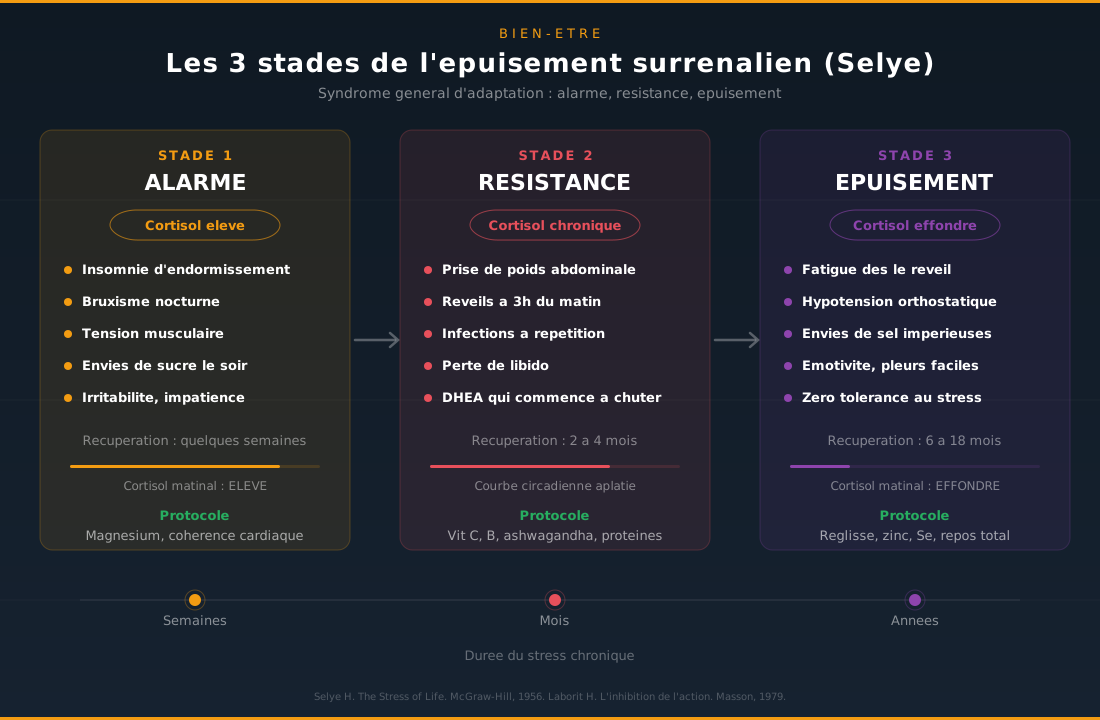
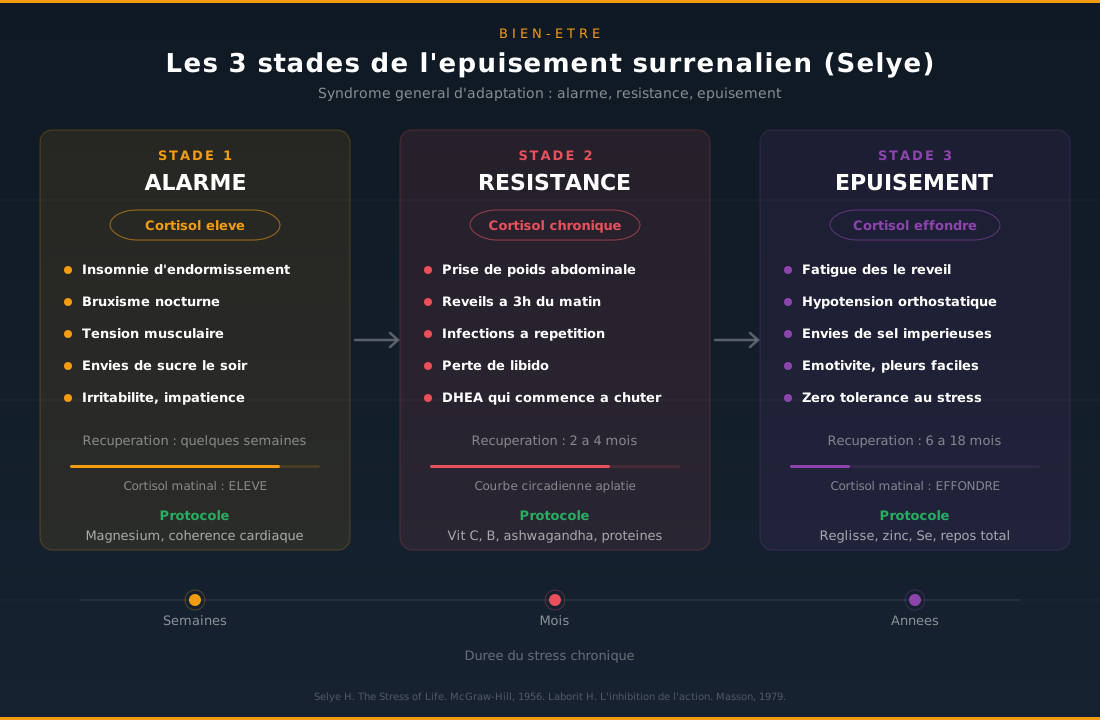
Stage 1: Alarm, or When Your Body Screams “Danger”
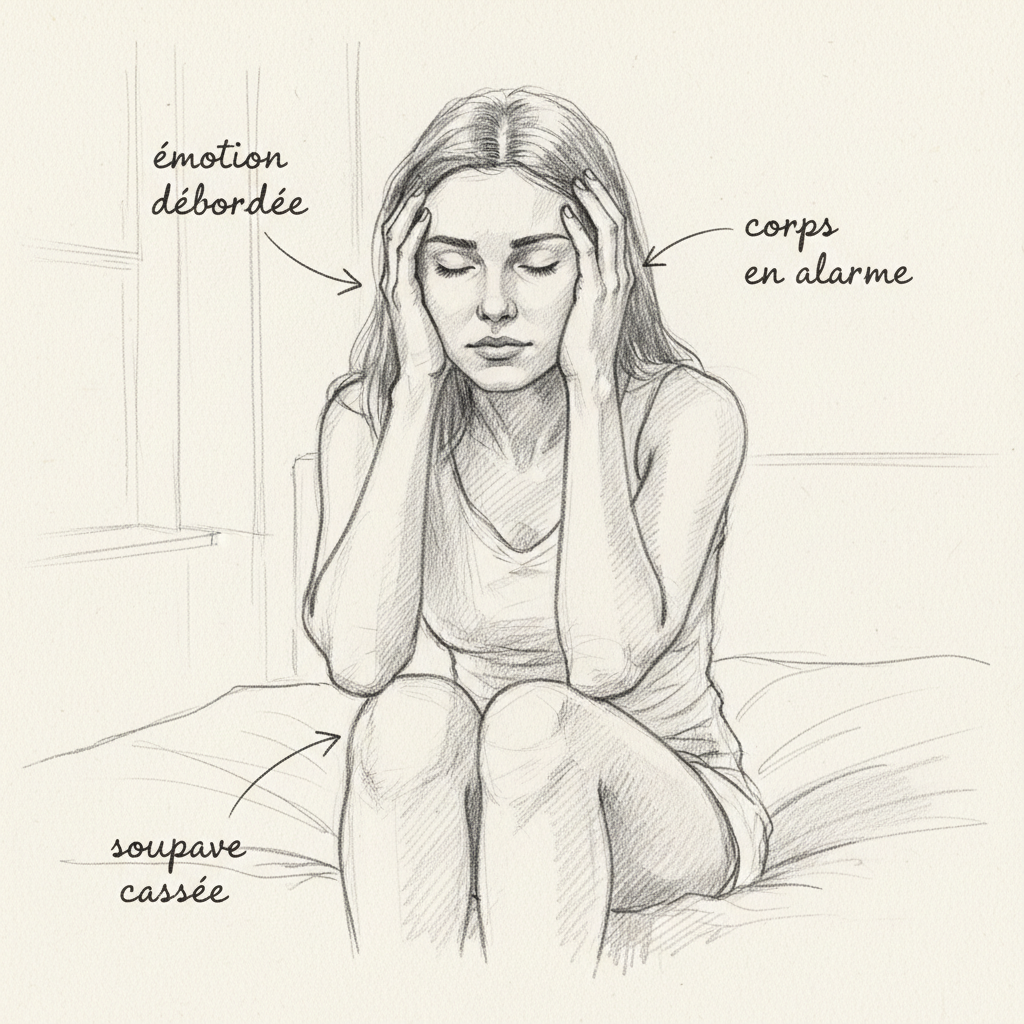
The first stage is one that everyone knows without naming it. You receive bad news. Your boss calls you in. You nearly get hit crossing the street. Your body reacts instantly. Within three seconds, the adrenal medulla (the central part of your adrenal glands) releases an explosive cocktail of adrenaline and noradrenaline. Your heart accelerates. Your breathing shortens. Your pupils dilate. Your liver dumps glucose into your bloodstream. Your muscles contract. You’re ready to flee or fight. It’s the famous fight or flight.
This response is magnificent from an evolutionary standpoint. Facing a predator on the savanna, it saves your life. The problem is that your body doesn’t distinguish between a lion and a threatening email from your HR manager. The biological response is identical. Adrenaline flows the same way. Cortisol rises the same way. Except you flee from the lion by running (and the adrenaline is consumed). You ruminate over the email for three days (and cortisol accumulates).
In stage 1, morning cortisol is elevated, sometimes very elevated. You wake up on alert, nervous, your heart beating a bit too fast. You have nervous, feverish energy, which isn’t real energy but adrenaline in disguise. You manage. You even feel performant, “in warrior mode.” Some people stay in stage 1 for years without knowing it. They confuse hypervigilance with productivity. They even boast about it: “I sleep five hours and I’m in perfect shape.” No. You don’t sleep five hours and feel great. You sleep five hours and your adrenaline masks your fatigue. It’s not the same thing.
The signs of stage 1 are characteristic. Difficulty falling asleep (cortisol refusing to drop in the evening). Nighttime teeth grinding. Muscle tension, especially in the trapezius and jaw. Disturbed digestion (cortisol diverts blood from digestive organs to muscles). Cravings for sugar at the end of the day (glucose has been burned by adrenaline). Irritability, impatience, hypersensitivity to noise. If you recognize yourself in this, the good news is that stage 1 is reversible in a few weeks with the right adjustments.
Stage 2: Resistance, or the Beginning of Deception
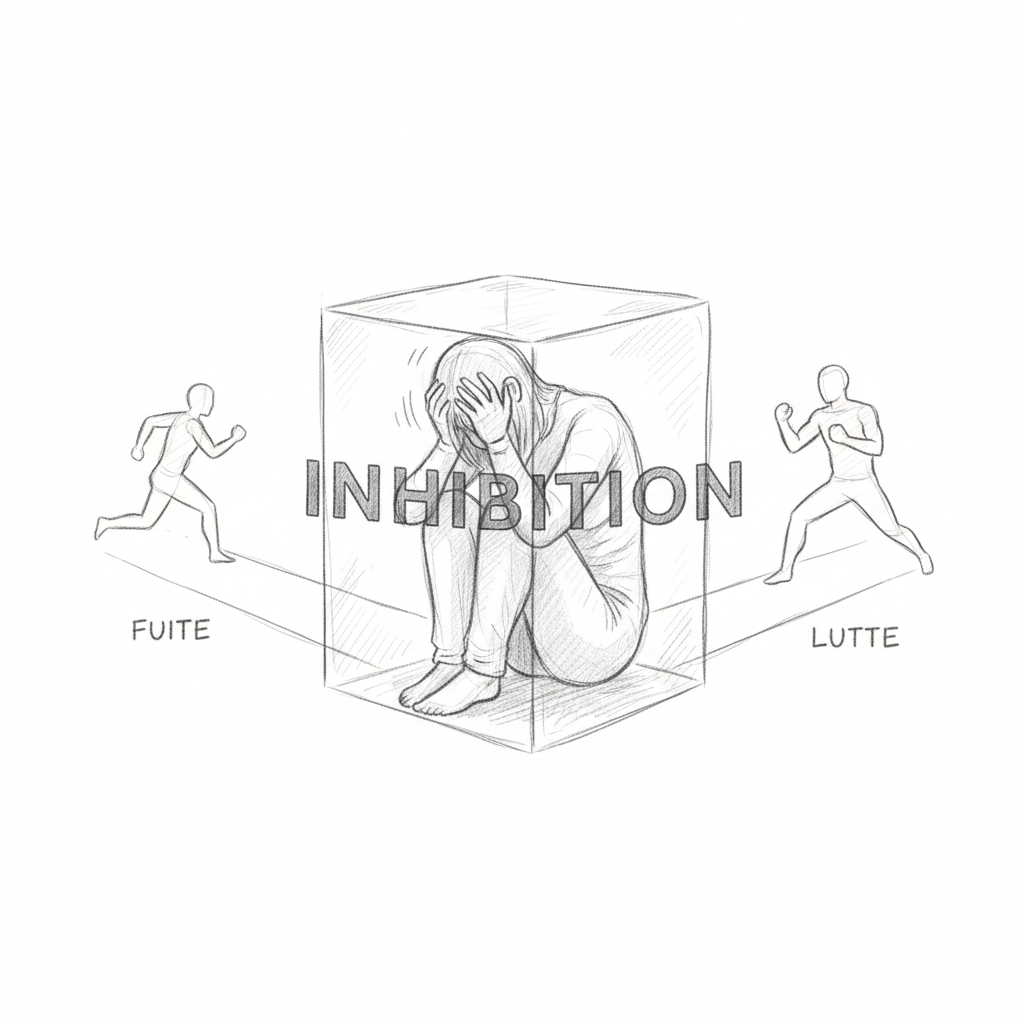
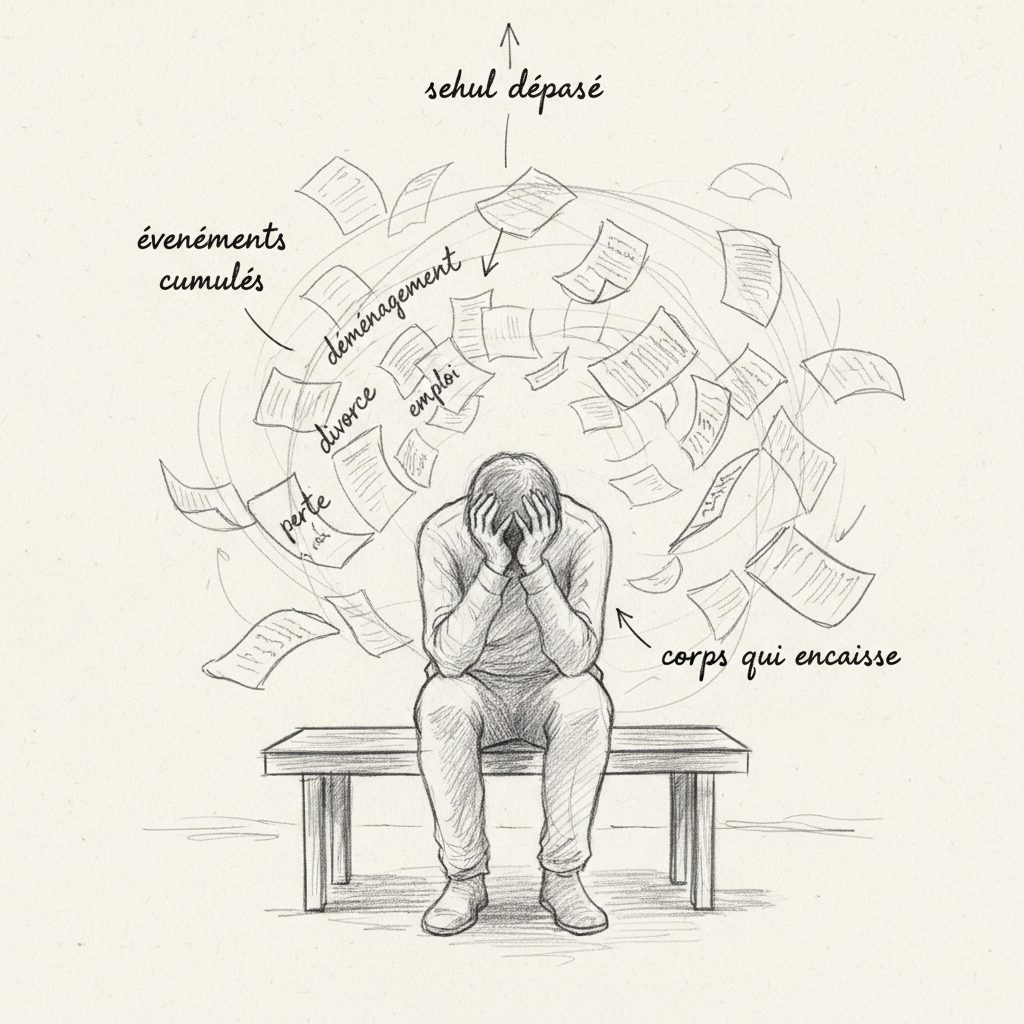
Henri Laborit, that brilliant and iconoclastic French neurobiologist, described in the 1970s a concept that illuminates stage 2 better than any endocrinology textbook. He called it the Action Inhibition System, or AIS. Facing stress you can neither flee nor fight (a toxic job you can’t leave, a destructive relationship you can’t escape, a mortgage that binds you), your body enters a state of inhibition. You don’t flee. You don’t fight. You endure. And the AIS, to allow you to endure, maintains cortisol at a chronically elevated level.
This is stage 2. The stage of resistance. And it’s the most treacherous of all, because you think you’re managing. You’re not collapsing. You’re functioning. You go to work. You do your shopping. You wear a mask of normalcy. But inside, the machine is wearing out. Laborit wrote that “when inhibition extends over a prolonged duration, the AIS circuit becomes less receptive, leading to excessive cortisol production” with physical, glandular, immune, and mental consequences that accumulate silently.
In stage 2, the salivary cortisol curve becomes distorted. Instead of the morning peak followed by progressive decline (the physiological curve), cortisol stays elevated all day, or it collapses in the morning but paradoxically rises in the evening. Circadian rhythm is lost. The body no longer knows when it’s day and when it’s night. This is when sleep truly deteriorates: you have difficulty falling asleep, you wake up at three in the morning (nocturnal cortisol spike), and you no longer have access to restorative deep sleep.
DHEA begins to drop. DHEA is the “anti-cortisol” hormone, also produced by the adrenals, and it serves as a counterweight to cortisol. When the adrenals are monopolized by cortisol production, DHEA takes a backseat. The cortisol/DHEA ratio, which is the true marker of adrenal status, becomes unbalanced. I’ve written an entire article about DHEA to explain why this hormone is so crucial.
The signs of stage 2 establish themselves insidiously. Abdominal weight gain (cortisol directs fat storage to the abdomen via visceral adipocyte receptors). Nascent insulin resistance. Water retention, puffy face in the morning. Repeated infections (chronic cortisol suppresses immunity). Loss of libido. Disrupted menstrual cycles in women (pregnenolone theft sacrifices progesterone in favor of cortisol). Growing dependence on coffee and sugar. And above all, a diffuse sensation of “no longer being yourself,” of functioning on autopilot, without joy, without drive.
Paul Carton, another pillar of French naturopathy, had this formula that I often use in consultations: “Every digestion is a battle.” In stage 2, it’s every day that becomes a battle. You mobilize all your energy just to survive daily life, and there’s nothing left to live.
Stage 3: Exhaustion, or When the Adrenals Surrender
Stage 3 is what I see most often in my practice. It’s Sophie’s stage. The adrenals, after months or years of cortisol overproduction, can no longer keep up with demand. They’re not destroyed (that would be Addison’s disease, a rare and serious pathology). They’re depleted. Like a bank account you’ve been withdrawing from for years without ever depositing anything. A few cents remain. Enough not to be in total bankruptcy. Not enough to live.
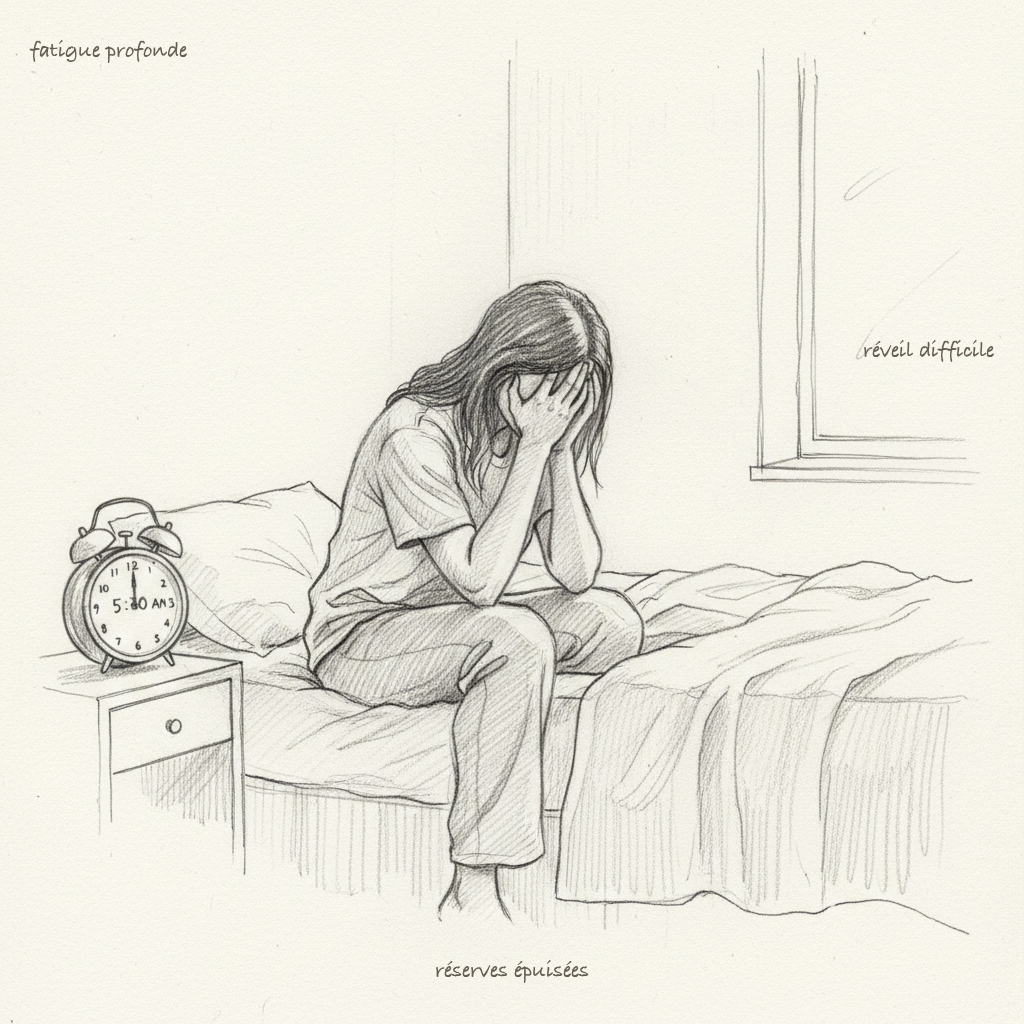
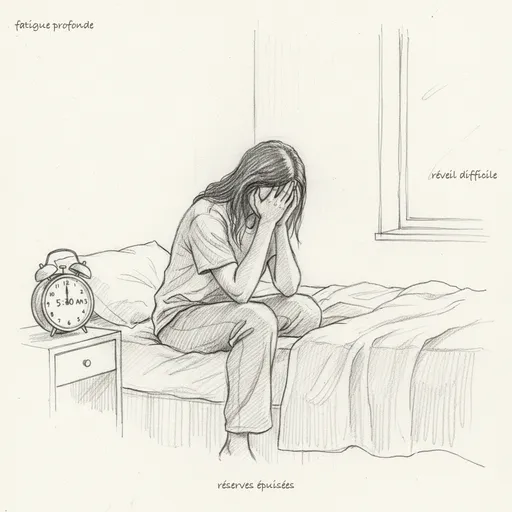
In stage 3, cortisol collapses. Morning salivary cortisol is low, sometimes very low. The morning awakening peak that should propel you out of bed no longer exists. You wake up already exhausted, as if the night served no purpose. Your whole day is flat, without energy, without bounce. Some patients describe the sensation of walking through wet sand, carrying an invisible sack on their shoulders. Coffee no longer works, or it causes palpitations without giving energy. The slightest additional stress (an unexpected phone call, an argument, a train delay) overwhelms you. Your capacity for resilience is zero.
Marchesseau’s energy dispatch makes complete sense here. The body no longer has enough energy to supply all the spheres. The mental sphere continues consuming (ruminations don’t stop, they even worsen). The digestive sphere is slowed down (constipation, bloating, gastric acidity). Locomotion is reduced to minimum (climbing stairs becomes an achievement). And elimination, regeneration, detoxification? Nothing. Your liver no longer detoxifies properly. Your eliminatory organs are saturated. Accumulations build up. This is the breeding ground for all chronic pathologies: fibromyalgia, Hashimoto, chronic infections, depression.
The signs of stage 3 are brutal. Exhaustion upon waking that responds neither to rest nor to coffee. Orthostatic hypotension (dizziness when you stand up too quickly). Irresistible cravings for salt (the adrenals also produce aldosterone, which regulates sodium; when they weaken, sodium leaks into urine). Deep dark circles, grayish complexion. Diffuse joint and muscle pain. Sensory hypersensitivity (light, noise, odors). Emotional sensitivity, easy tears. Catastrophic recovery after even minor effort. And this symptom that Sophie described to me with surgical precision: “I’m no longer capable of managing the unexpected. The slightest hiccup makes me break down.”
The Biology of Decline
To understand why the adrenals eventually give out, you need to understand their biology. Your two adrenal glands, perched above each kidney, are tiny. Each weighs about five grams, walnut-sized. But these five grams produce more than fifty different hormones, including cortisol, aldosterone, DHEA, adrenaline, and noradrenaline. It’s a permanent metabolic feat.
Cortisol production is orchestrated by the HPA axis (hypothalamic-pituitary-adrenal). The hypothalamus secretes CRH (corticotropin-releasing hormone). CRH stimulates the pituitary, which secretes ACTH (adrenocorticotropic hormone). ACTH stimulates the adrenals, which produce cortisol. Cortisol, once in circulation, inhibits the hypothalamus and pituitary through negative feedback. It’s an elegant loop that maintains cortisol within a physiological range.
Under chronic stress, this loop goes haywire. The hypothalamus sends CRH constantly. The pituitary bombards the adrenals with ACTH. The adrenals produce cortisol relentlessly. At first (stages 1 and 2), they keep pace. But the cells of the adrenal cortex, the fasciculata zone that produces cortisol, become exhausted. They need cholesterol to make cortisol (cortisol is a steroid, derived from cholesterol via pregnenolone). They need vitamin C, of which the adrenals are the richest organs in the human body. They need vitamins B5 and B6, magnesium, zinc. If these cofactors become depleted (and they inevitably do under chronic stress, because stress consumes them massively), cortisol production eventually declines.
This is the transition from stage 2 to stage 3. The moment when the adrenals stop responding to ACTH. The hypothalamus screams. The pituitary screams. The adrenals no longer hear, or no longer have the means to respond. It’s like a boss screaming at exhausted employees without equipment, without budget: the more he screams, the less they produce.
The Error of Blood Cortisol
I regularly see patients arrive at my practice with “normal” blood cortisol and flagrant clinical exhaustion. Morning blood cortisol is the only test that conventional medicine does. It’s drawn fasting, in the morning, when cortisol is physiologically at its highest. It’s like measuring a car’s speed only going downhill and concluding the engine is fine.
Four-point salivary cortisol is infinitely more informative. Drawn at 8 am, noon, 4 pm, and 10 pm, it draws the complete circadian curve. This curve reveals the dysfunctions that a single blood test cannot see. Low morning cortisol with elevated evening cortisol indicates circadian curve inversion (advanced stage 2). Low cortisol across all four points indicates exhaustion (stage 3). High morning cortisol with a sharp drop at noon indicates excessive reactivity followed by collapse (stage 1 shifting to stage 2).
Dr Hertoghe emphasizes in his trainings the importance of this salivary test. He considers salivary cortisol to adrenal fatigue what hemoglobin A1c is to diabetes: a dynamic marker that tells a story, not a deceptive snapshot. You can assess your adrenal fatigue level with the Hertoghe cortisol questionnaire while waiting to get this test.
What Each Stage Requires as a Response
The most common mistake I encounter is the patient applying the same protocol regardless of their stage. Yet the naturopathic response must be calibrated.
In stage 1, the urgency is to calm the system. Magnesium bisglycinate (three hundred to four hundred milligrams per day) is the first reflex, because magnesium is the mineral most consumed by stress. Heart rate coherence (six breaths per minute, five minutes, three times a day) is the fastest tool to activate the parasympathetic and bring cortisol back down. Rhodiola (two hundred milligrams in the morning) is the adaptogen of choice at this stage, as it modulates cortisol both ways. And above all, identify the source of stress. The catharsis I prescribe in consultations is a writing exercise that allows you to externalize, isolate, and prioritize mental burdens. As Marchesseau said, you must “disconnect the cortex from the diencephalon.”
In stage 2, you must add a nutritional dimension. Protein at breakfast is non-negotiable (eggs, almonds, avocado) to stabilize blood sugar and provide amino acids that are precursors to neurotransmitters. High-dose vitamin C (one gram morning and evening) recharges the adrenals. B vitamin complex supports hormonal and nervous synthesis. Ashwagandha (three hundred milligrams twice daily) complements the rhodiola, particularly effective on anxiety and sleep. And the six-step strategy I use in my assessments: relax (disconnect the cortex), revive (vitality-promoting techniques), recharge (SMS: Sunlight, Massage, Sleep), and especially open tired eliminatory organs to allow elimination of accumulated surcharges.
In stage 3, caution is required. The body is in survival mode. Stimulating adaptogens (ginseng, eleuthero) are contraindicated as they force already-depleted adrenals. Ashwagandha at moderate dose (two hundred milligrams in the evening) is tolerated. Licorice at low dose (two hundred milligrams in the morning, never in the evening, contraindicated in hypertension) is particularly useful as it slows cortisol breakdown, prolonging the effect of what little is still produced. Zinc (fifteen to thirty milligrams per day) and selenium (two hundred micrograms) support hormonal conversion. Physical activity should be gentle: walking in fresh air, restorative yoga, stretching. No HIIT. No CrossFit. No marathon. And above all, time. Adrenal reconstruction in stage 3 takes six to eighteen months. It’s long. It’s frustrating. But it’s biological reality.
The Morphotype That Predisposes
The health reports I write for my patients integrate a dimension that functional medicine often ignores: naturopathic morphotype. Marchesseau described two major pathways to decompensation. The “retracted” type loses more of their hormonal and digestive capital than nervous capital. Their nervous system is proportionally more taxed to adapt to daily life. The “dilated” type, conversely, loses more nervous capital than glandular and digestive. Their hormonal system compensates more.
In practice, the retracted type is more likely to develop adrenal fatigue. Their glandular capital depletes faster. They’re often thin, nervous, mentally hyperactive, with fragile digestion and a tendency toward acidosis. The dilated type will compensate longer via their glandular reserves, but when they collapse, it’s often more brutal, as stage 2 has lasted longer and the damage is deeper.
This naturopathic reading allows for protocol personalization. “The strategy is to help you increase your hormonal and glandular capital and move from the cerebral to the respiratory,” as I write in my assessments. It’s concretely the very essence of naturopathic work: rebalancing the scales of the balance.
What I Observe in Practice
Over my last three years of practice, I estimate that one in three patients who consult me for chronic fatigue is in stage 2 or 3 of adrenal fatigue. Most have never heard of this concept. Their doctor told them “everything is fine” based on standard blood work. Some have been on antidepressants for months when the problem is purely hormonal and metabolic.
Sophie, my patient from the beginning of this article, was in advanced stage 3. Her morning salivary cortisol was 4.2 nanomoles per liter (normal low is around 12). Her evening cortisol was barely detectable. Her blood DHEA-S was collapsed. After five months of protocol (magnesium, vitamin C, B complex, ashwagandha in the evening, licorice in the morning, gradual coffee reduction, bedtime at 10:30 pm, daily walking, catharsis on paper to discharge her ruminations), her morning cortisol had risen to 14.8 nanomoles per liter. Her morning fatigue disappeared. Her three o’clock slump was cut in half. And above all, she told me something that sums it all up: “I’ve recovered my capacity to manage. An unexpected event is just an unexpected event again, not a catastrophe.”
That’s adrenal restoration. It’s not “having more energy.” It’s recovering the capacity to adapt. To bounce back. To manage the unexpected without collapsing. It’s exactly what Selye described: the general adaptation syndrome. When adaptation works, you live. When it fails, you survive. And when it collapses, you collapse with it.
If women are more affected by adrenal fatigue, it’s not by chance. The pregnenolone theft directly affects progesterone and estrogen, creating a cascade specific to hormones that I’ve detailed in a dedicated article. And if you want to understand the complete reconstruction protocol, step by step, I’ve written a three-phase guide that details exactly what to do, in what order, and for how long.
If you want personalized guidance, you can book a consultation appointment.
To Learn More
- Basedow and Stress: The Thyroid of Emotion
- Burn-out: When Your Reptile Brain Takes Control
- DHEA: The Forgotten Hormone of Your Vitality and Immunity
- Adrenal Fatigue in Women: Why You’re More Affected
Sources
- Selye, Hans. The Stress of Life. 1st ed. McGraw-Hill, 1956.
- Laborit, Henri. L’inhibition de l’action. Masson, 1979.
- Marchesseau, Pierre-Valentin. Fascicules de naturopathie (1950-1980).
- Hertoghe, Thierry. The Hormone Handbook. 2nd ed. International Medical Books, 2012.
You can book a consultation appointment for a personalized assessment with salivary cortisol. I receive patients in Paris and online throughout France.
Healthy Recipe: Regenerative Bone Broth: Bone broth nourishes exhausted adrenals.


Laisser un commentaire
Sois le premier à commenter cet article.