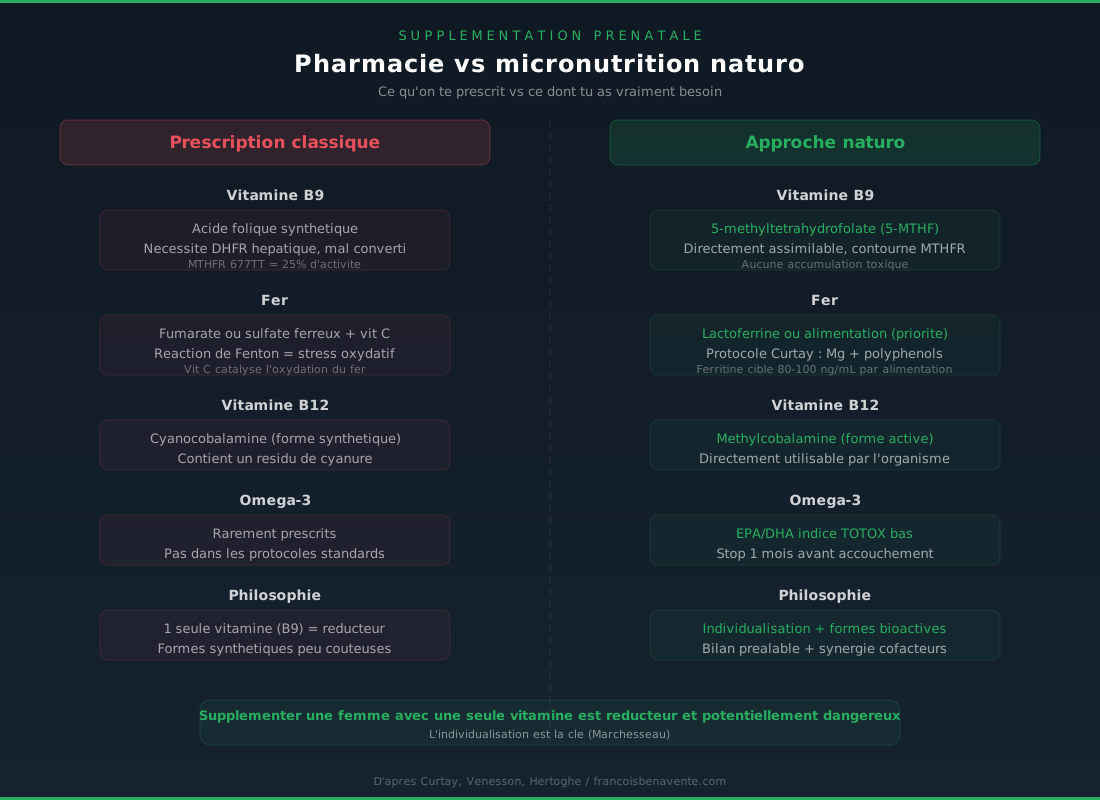
When I hear “my gynecologist prescribed me folic acid and iron with vitamin C to prepare for my pregnancy,” I know we’re going to have a long conversation. It’s not that the gynecologist is wrong. It’s that they’re applying a standardized protocol from the 1990s, based on cheap synthetic forms, without accounting for advances in nutrient therapy or the genetic particularities of each woman. Supplementing an expectant mother with a single vitamin is like watering one corner of a garden and hoping everything grows.
Dr. Jean-Paul Curtay, in Nutrithérapie, states the fact bluntly: even with a diet studied and adapted for pregnancy, food is not able to provide all micronutrients at the necessary doses. And the majority of women arrive at conception already depleted. Contraceptive pill, chronic stress, food impoverished by intensive agriculture: reserves are at their lowest when needs explode.
“Individualization is key. Supplementing a woman with a single vitamin is reductive and potentially dangerous.” Dr. Jean-Paul Curtay
Folates vs folic acid: the confusion that can cost you dearly
This is the first distinction no one explains to you. Folic acid and folates are not the same thing. Folic acid is a synthetic compound that didn’t exist before its chemical synthesis in 1943. Folates are a group of B9 vitamins naturally present in foods (leafy greens, liver, legumes).
The problem is biochemical. Folic acid, to be used by your body, must undergo reduction and methylation in the liver via an enzyme called dihydrofolate reductase (DHFR). This conversion is slow, variable from person to person, and potentially incomplete. If excessive amounts of folic acid are taken, it accumulates in the blood in unconverted form. High levels of unmetabolized folic acid have been linked to certain cancers, which makes the systematic prescription of folic acid to pregnant women rather scandalous in light of current knowledge.
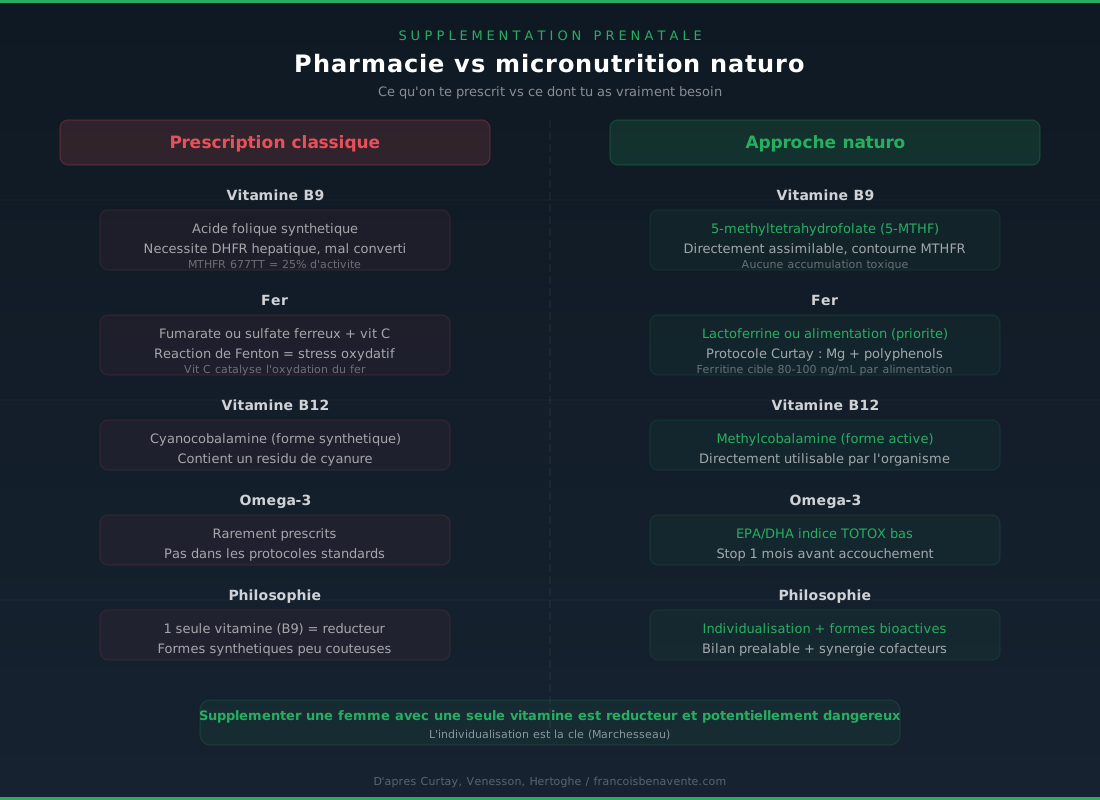
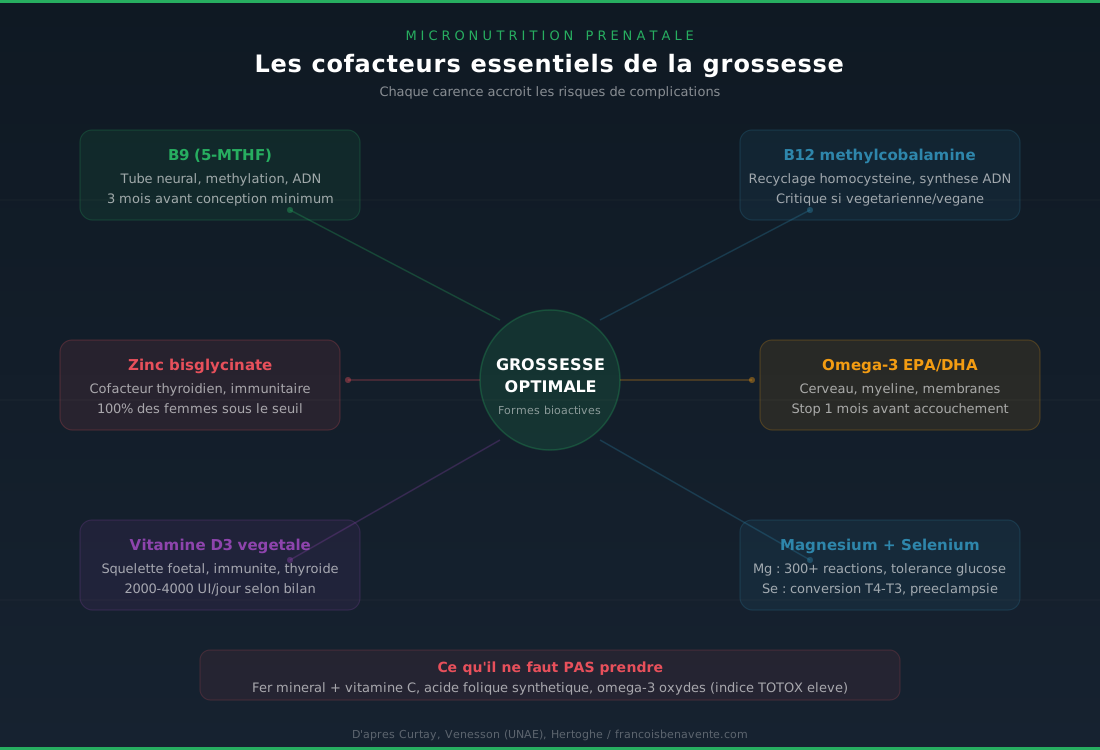
The recommended form is 5-methyltetrahydrofolate (5-MTHF). This form is directly assimilable by the small intestine, without going through hepatic conversion. It completely bypasses the MTHFR problem. Because let’s remember: 25% of the population carries the MTHFR 677TT mutation, which reduces the activity of this enzyme to 25% only. A woman carrying this mutation who takes pharmacy folic acid will only convert a quarter of what she swallows. The rest accumulates. I detailed this mechanism in the article on periconception assessment.
It is recommended to start supplementing with 5-MTHF at least three months before conception and to maintain it throughout pregnancy. The role of folates in neural tube closure (spinal cord) is well established: supplementation reduces the frequency of neural tube defects by approximately three-quarters (Milunsky, 1989).
Iron: why you shouldn’t take just anything
This is perhaps the most counterintuitive point in this article. Iron is indispensable, certainly. Anemia multiplies the risk of prematurity and low birth weight by 2.5 to 3 times. But poorly conducted iron supplementation is potentially more dangerous than the deficiency itself.
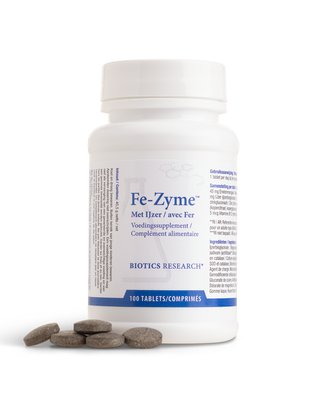
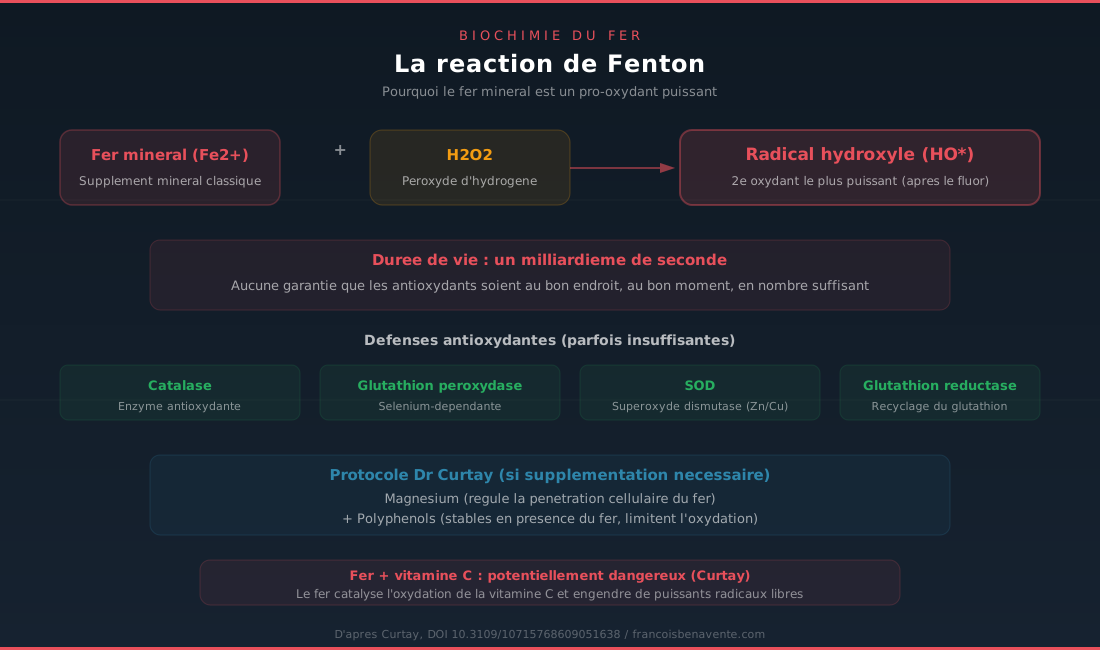
Dr. Curtay explains it unambiguously. Iron in mineral form (fumarate, sulfate, iron gluconate, the conventional pharmacy forms) is a mineral that is strongly pro-oxidant. The Fenton reaction transforms ferrous iron (Fe2+) and hydrogen peroxide (H2O2) into hydroxyl radical (HO*), the second most powerful oxidant present in nature after fluorine. Its lifespan is on the order of a billionth of a second. Suffice it to say that no scientific study can guarantee that endogenous antioxidants (catalase, glutathione peroxidase, SOD) will be in the right place, at the right time, and in sufficient quantity to neutralize this radical.
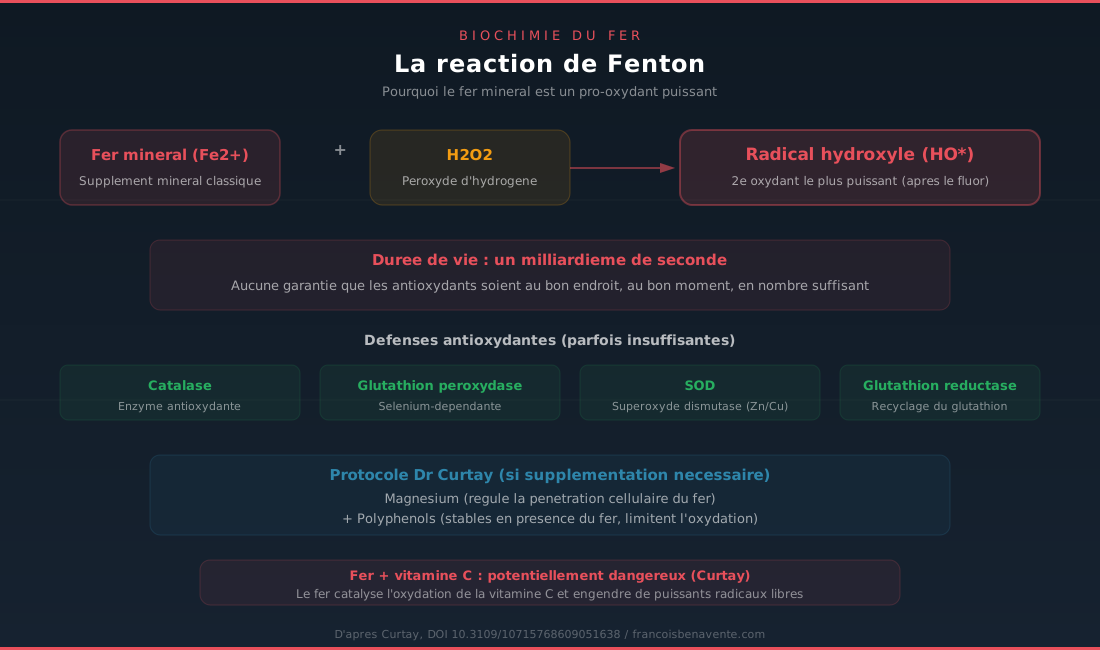
And it gets worse. You find everywhere iron supplements enriched with vitamin C, presented as a “plus” for absorption. Yet according to Curtay, iron catalyzes the oxidation of vitamin C and generates additional free radicals. Although vitamin C potentiates iron absorption (an undeniable fact), the biological price to pay seems higher than the benefit.
The Curtay protocol is crystal clear. If iron supplementation is necessary (ferritin low confirmed by assessment), you must protect the body from pro-oxidant effects with magnesium (which regulates cellular iron penetration) and polyphenols (which, unlike vitamin C, remain stable in the presence of iron). Lactoferrin is an interesting alternative: this natural milk protein transports iron without generating free radicals. But the ideal remains reaching ferritin levels of 80 to 100 ng/mL through diet (poultry liver, black pudding, sardines, lentils) well before conception, when you have time.
Iron should always be taken away from zinc, as iron supplementation is a powerful antagonist of zinc and vitamin E absorption.
B12: methylcobalamin, not cyanocobalamin
Vitamin B12 is essential for homocysteine recycling and DNA synthesis. The main sources are exclusively animal: meat, fish, eggs. Even animal by-products (milk, cheese) contain only insufficient quantities. Vegetarians and vegans are systematically at risk of deficiency.
The form circulating in pharmacies is cyanocobalamin, a synthetic form containing a cyanide residue (in trace amounts, admittedly, but why choose this form when better ones exist?). The recommended form is methylcobalamin, directly usable by the body without a conversion step. It participates directly in the methylation cycle, the very one that recycles homocysteine.
B12 digestion is a complex three-step process. The salivary glands secrete haptocorrin, which protects B12 from gastric acidity. The stomach produces intrinsic factor, which allows absorption in the ileum. If any of these steps is compromised (gastritis, long-term PPI use, bariatric surgery), absorption is impaired and sublingual supplementation becomes necessary.
Omega-3: your baby’s brain depends on it
A baby’s brain contains one-third EPA. The myelin sheaths that make up their nervous system contain one-third DHA. All fetal cells need EPA and DHA to form functional cell membranes. And the fetus is directly dependent on the mother’s consumption.
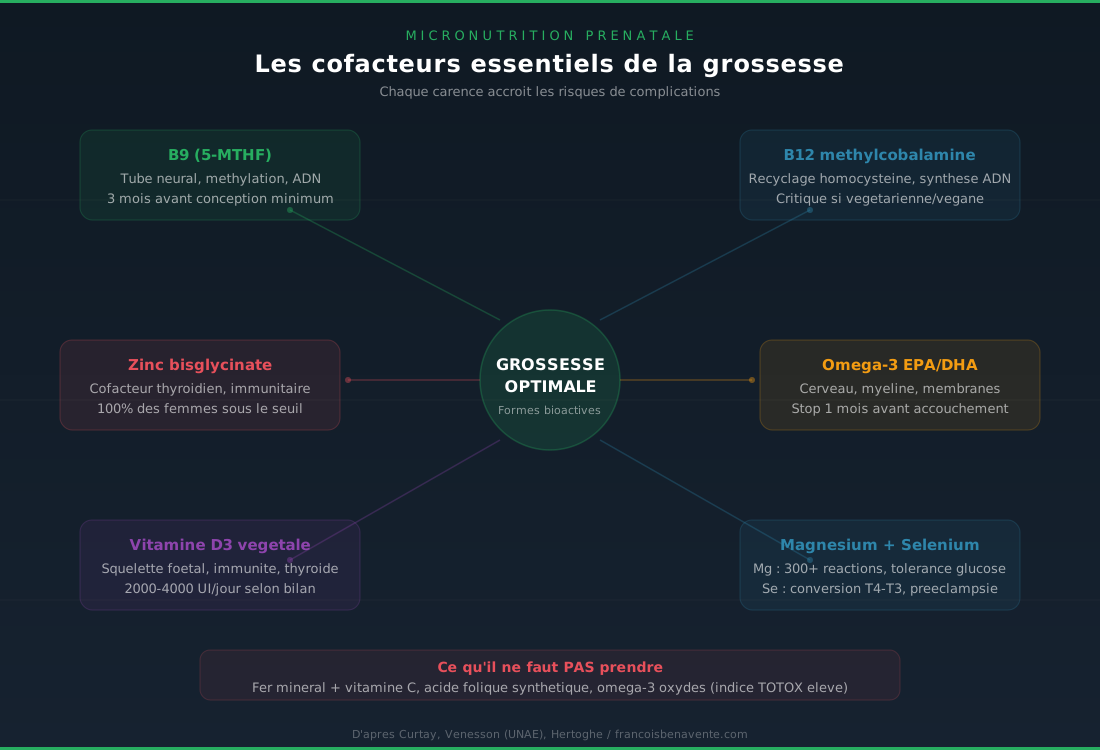
Omega-3 supplementation is very important during the first eight months of pregnancy. However, you must stop one month before delivery because EPA and DHA fluidify the blood and could increase the risk of hemorrhage during delivery. Choosing a supplement with the lowest possible TOTOX index (oxidation rate) is essential: EPA/DHA are very fragile and can oxidize quickly. Sending damaged fatty acids to the fetus would be counterproductive. Keep them always refrigerated.
The omega-3/omega-6 ratio is lowered in mothers of premature infants. Modern diet, with its excess of sunflower, corn, and soy oils, creates a massive imbalance favoring pro-inflammatory omega-6s. Camelina, flax, and walnut oils, fatty fish (sardines, mackerel, anchovies), and gentle cooking are the basis of adequate dietary intake.
The cofactors you’re never prescribed
Vitamin D3 acts as a hormone. Deficiency is linked to disruptions in skeletal growth in children and increased risk of preeclampsia in mothers. Vitamin D also allows thyroid hormones to penetrate cells, making it a crucial cofactor for the thyroid. INSERM recommends supplementation from the beginning of pregnancy, as vitamin D is important from the first trimester for the sparing of calcium in maternal bones, in anticipation of the 30g of calcium that will pass to the fetus in the final trimester. Curtay adds that children born to mothers deficient in vitamin D show brain developmental delays and increased risk of autism. Plant-based D3 from lichen is preferable to that from lanolin (sheep fat), which may contain traces of detergents.
Selenium protects against miscarriages, preeclampsia, premature delivery, and gestational diabetes. It is also a cofactor for thyroid T4-T3 conversion, as I explain in the article on thyroid and fertility. Two to three Brazil nuts per day cover your needs.
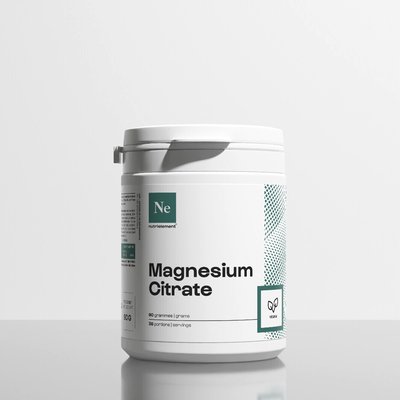
Magnesium is the great forgotten one. Its needs can be three times greater from one individual to another depending on stress level. 80% of women are depleted (Hercberg). It regulates cellular iron penetration, glucose tolerance, ATP synthesis, and more than 300 enzymatic reactions. In regions where water is rich in magnesium, the frequency of preeclampsia is lower. Bisglycinate form is best tolerated digestively.
Vitamin C promotes ovulation. Vitamins A and E protect all fetal fatty acids (myelin sheaths, brain, cell membranes). And proteins must not be neglected: arginine is a conditionally essential amino acid for embryonic growth and nutrient transfer from mother to fetus (target: 1.4 g/kg/day of protein).
What NOT to take
Mineral iron combined with vitamin C (for the reasons explained above). Synthetic folic acid (in favor of 5-MTHF). Oxidized omega-3s (check the TOTOX index). Supplements containing copper and manganese (pro-oxidant, according to Curtay). And obviously: zero alcohol (consumption during pregnancy must be zero, the fetal brain is hypersensitive to it), zero tobacco, and special attention to endocrine disruptors (plastics, cosmetics with parabens, tap water).
What naturopathy does not do
Naturopathy does not replace obstetric monitoring. If you have severe anemia (ferritin below 10), medical follow-up with supervised supplementation is essential. The naturopath works upstream, on terrain preparation, and as a complement, on optimizing cofactors with bioactive forms. Each supplementation must be individualized according to prior biological assessment.
Based in Paris, I consult via video throughout France. You can make an appointment for a personalized periconception supplementation protocol.
For prenatal supplementation, the UNAE pregnancy multivitamin contains the recommended bioactive forms (-10% with code BENAVENTE10). The UNAE omega-3s have the lowest TOTOX index on the French market (-10% with code BENAVENTE10). The UNAE plant-based vitamin D3 is derived from lichen, not lanolin (-10% with code BENAVENTE10). Find all my partnerships with exclusive promo codes.
Want to evaluate your status? Take the free vitamin B9 questionnaire in 2 minutes.
To go further
- Periconception assessment: the tests your doctor forgets
- Diet and pregnancy: what you eat programs your baby
- Pregnancy: the micronutrition no one prescribes you
- Post-partum: restore your body after delivery
Want to evaluate your status? Take the free iron deficiency questionnaire in 2 minutes.
Want to evaluate your status? Take the free omega-3 deficiency questionnaire in 2 minutes.
Sources
- Curtay, Jean-Paul. Nutrithérapie. Tome 1. Boiron, 2008.
- Hertoghe, Thierry. Textbook of Nutrient Therapy. International Medical Books, 2019.
- Milunsky, A. et al. “Multivitamin/folic acid supplementation in early pregnancy reduces the prevalence of neural tube defects.” JAMA 262 (1989): 2847-2852.
- Keen, C.L et al. “Should vitamin-mineral supplements be recommended for all women with childbearing potential?” Am. J. Clin. Nutr. 59 (1994): 532S-539S.
- DOI: 10.3109/10715768609051638 (Iron and vitamin C oxidation).
“Every digestion is a battle.” Paul Carton

Laisser un commentaire
Sois le premier à commenter cet article.