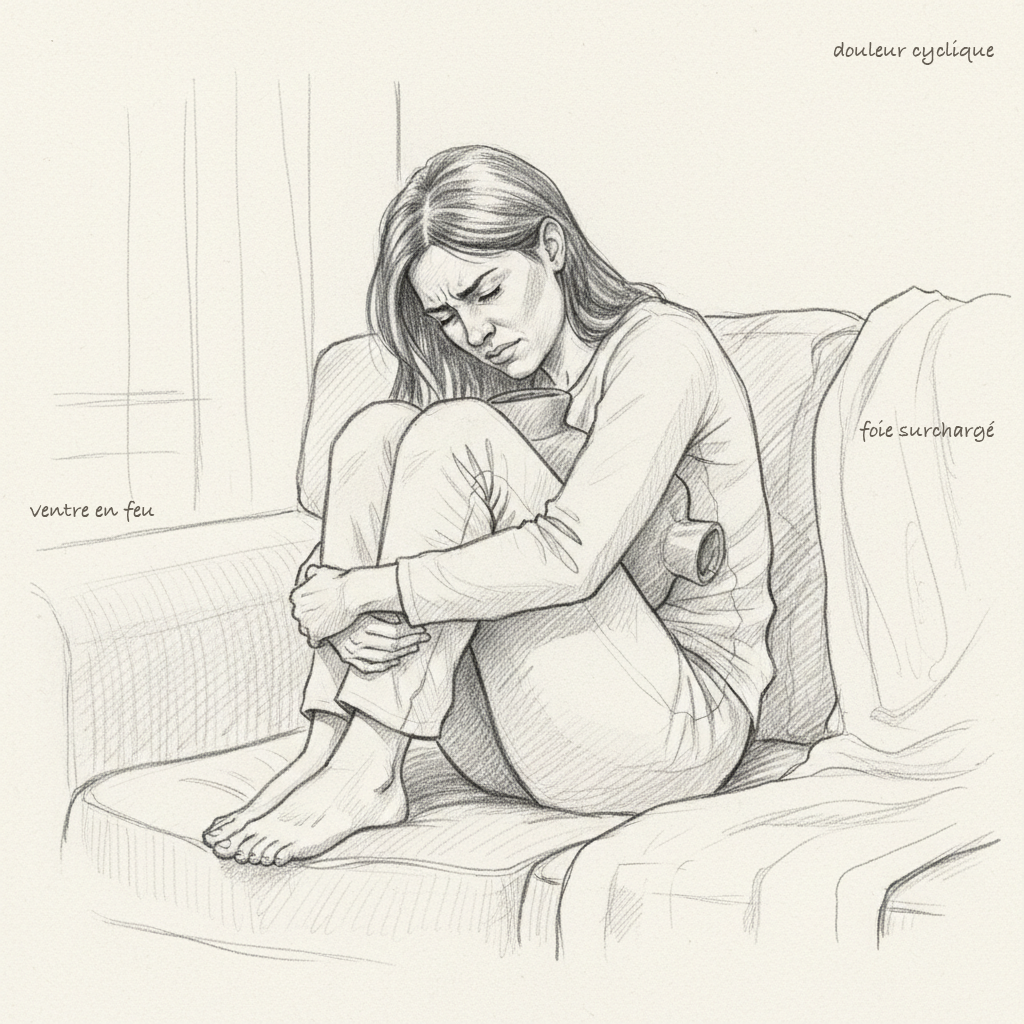
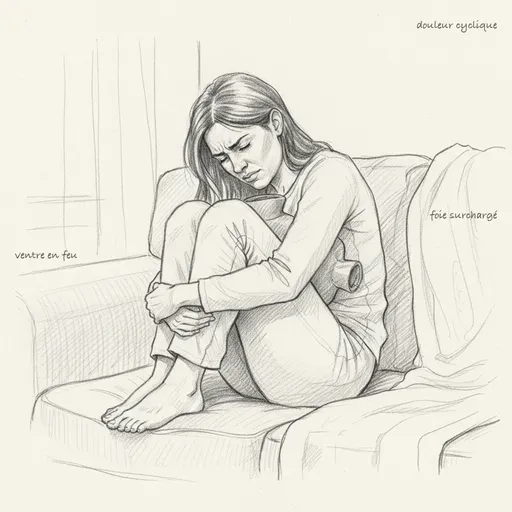
In five years of consultations, I’ve lost count of how many women have sat across from me saying the same thing: “I’ve always been told it’s normal.” Normal to have pain so severe you can’t get out of bed. Normal to take four ibuprofen before 10 a.m. Normal to miss a day of work every month. Normal to live bent double.
Dysmenorrhea. That’s the medical term for the pain affecting between 50 and 90% of women of reproductive age1. It’s the leading cause of school and work absences among young women. And despite this, in the vast majority of cases, the only solution offered remains ibuprofen or the pill. No explanation. No testing. No search for the cause.
“Primum non nocere. First, do no harm.” Hippocrates
Naturopathy doesn’t claim to cure painful periods with a snap of the fingers. It offers something else: understanding the terrain, identifying imbalances, giving the body the tools it needs to function. And when you start looking, you discover the mechanisms are fascinating. Behind menstrual pain, there are prostaglandins, unbalanced hormones, a struggling liver, a malfunctioning intestine, mineral deficiencies accumulating silently. Everything is connected. And everything can be improved.
Prostaglandins, invisible conductors
Each month, at the end of the menstrual cycle, when progesterone levels drop, the endometrium breaks down. This process releases prostaglandins that trigger the uterine contractions necessary to expel the lining. So far, so normal. The problem is when this production becomes unbalanced.
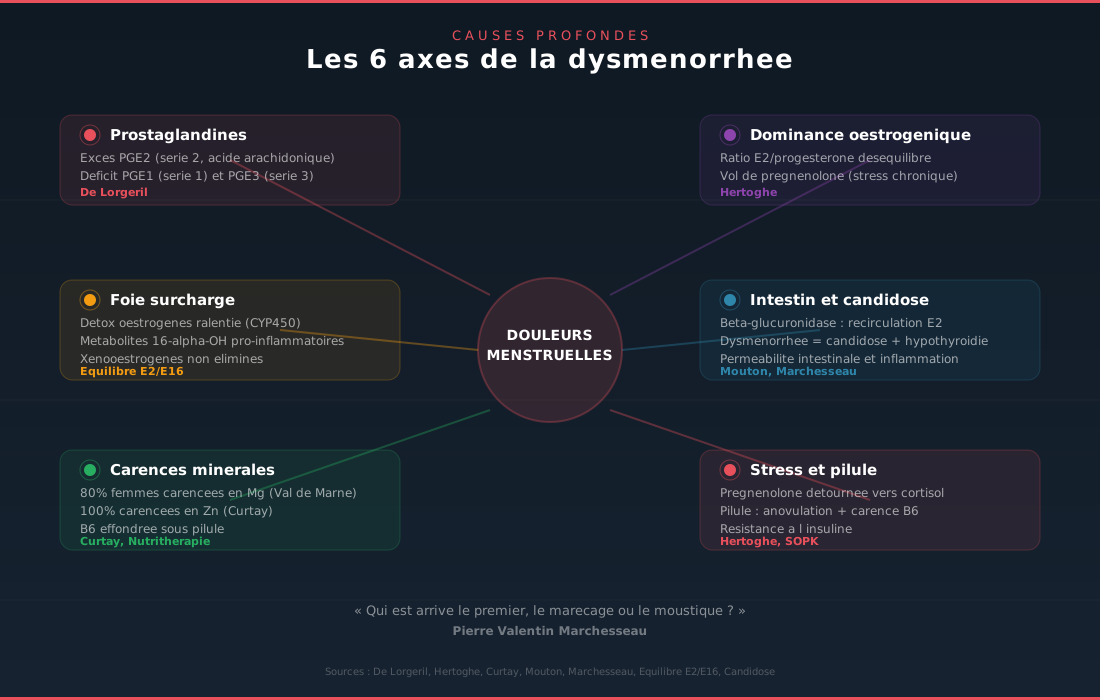
Michel De Lorgeril, in his work on lipids and inflammation, explains it clearly: painful periods result from an imbalanced production of pro and anti-inflammatory prostaglandins. Too many pain messengers, not enough calming messengers.
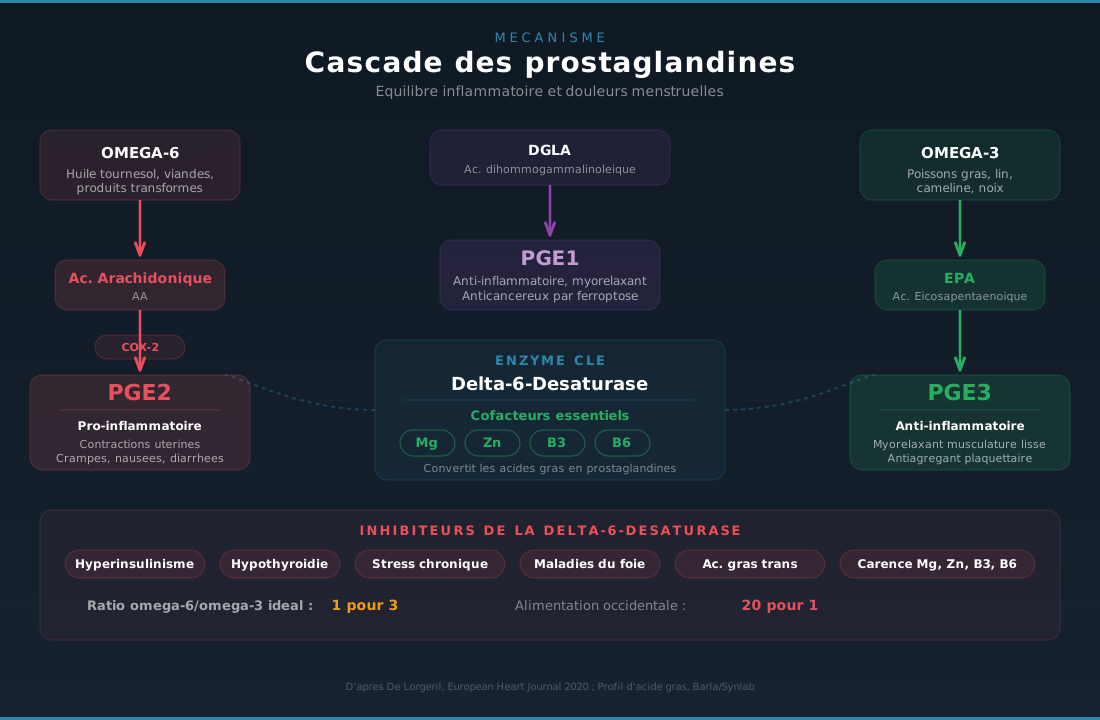
There are three series of prostaglandins. PGE2, made from arachidonic acid (an omega-6), is highly pro-inflammatory, pro-constrictive, and pro-platelet aggregating. This is what causes violent uterine contractions, cramps, nausea, and sometimes diarrhea associated with periods. On the other side, PGE1 (derived from DGLA) and PGE3 (derived from EPA, an omega-3), are anti-inflammatory, muscle-relaxing, and vasodilating. The uterine muscle is smooth muscle, and these prostaglandins relax it.
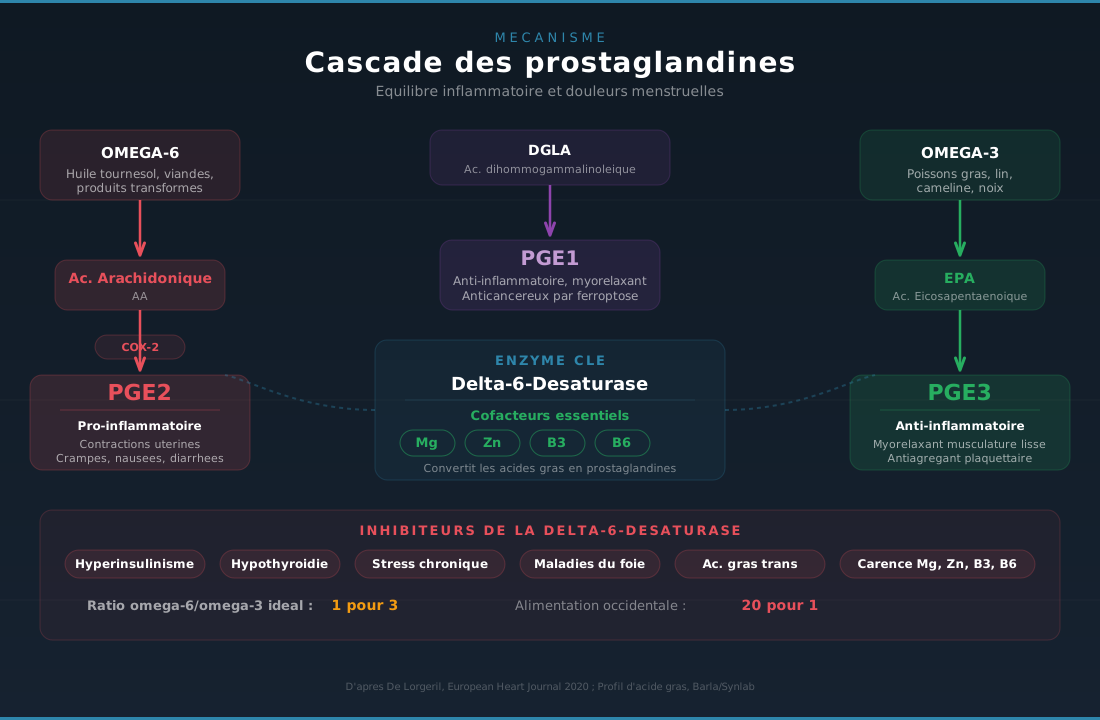
It’s all about the ratio. If the diet provides excess omega-6 (sunflower oil, processed products, conventional meat) and omega-3 deficiency (fatty fish, flaxseeds, walnuts), the balance tips the wrong way. The ideal omega-6/omega-3 ratio is 1 to 3. In modern Western diet, it’s often 20 to 1 or more.
A crucial detail: the conversion of fatty acids to prostaglandins goes through a key enzyme, delta-6-desaturase. And this enzyme needs cofactors: magnesium, zinc, vitamin B3, vitamin B6. When these cofactors are missing, even if you have enough omega-3 on your plate, the conversion doesn’t happen. And this enzyme is inhibited by hyperinsulinism, stress, liver disease, hypothyroidism, and trans fats. In other words, a typical modern lifestyle blocks this enzyme on multiple fronts simultaneously.
The hormonal balance that changes everything
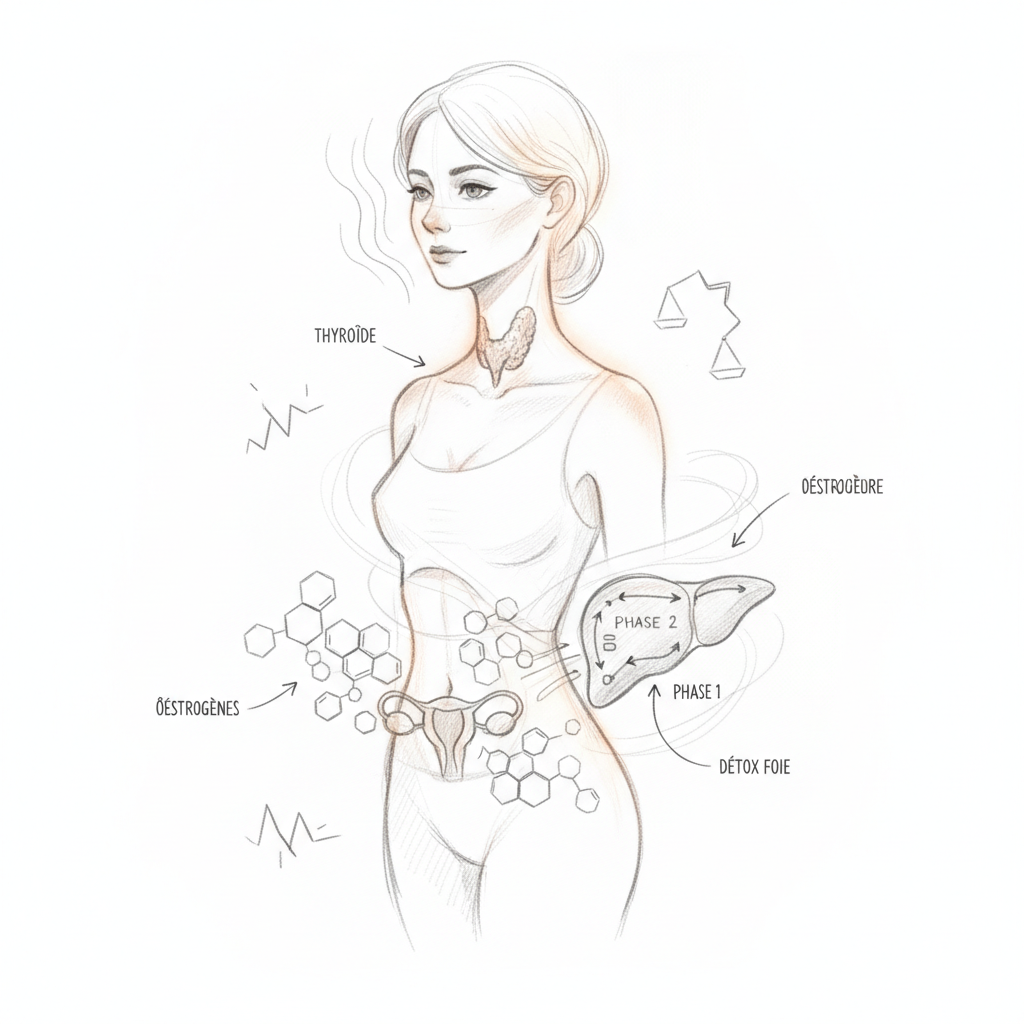
If there’s one concept I repeat all day in consultations, it’s estrogen dominance. And pay attention: dominance doesn’t mean excess. You can have estrogen in the low normal range and still be in dominance if progesterone is even lower. It’s the ratio that matters, not the absolute value. As Hertoghe clarifies in The Hormone Handbook, “when one of the messengers is missing, the entire system compensates, often poorly.”
Progesterone is the hormone of uterine calm. It exerts a direct anti-inflammatory effect on the endometrium and a muscle-relaxing effect on the myometrium. When it’s insufficient, the endometrium develops excessively under the influence of unopposed estrogen, and shedding is more extensive, more inflammatory, more painful.
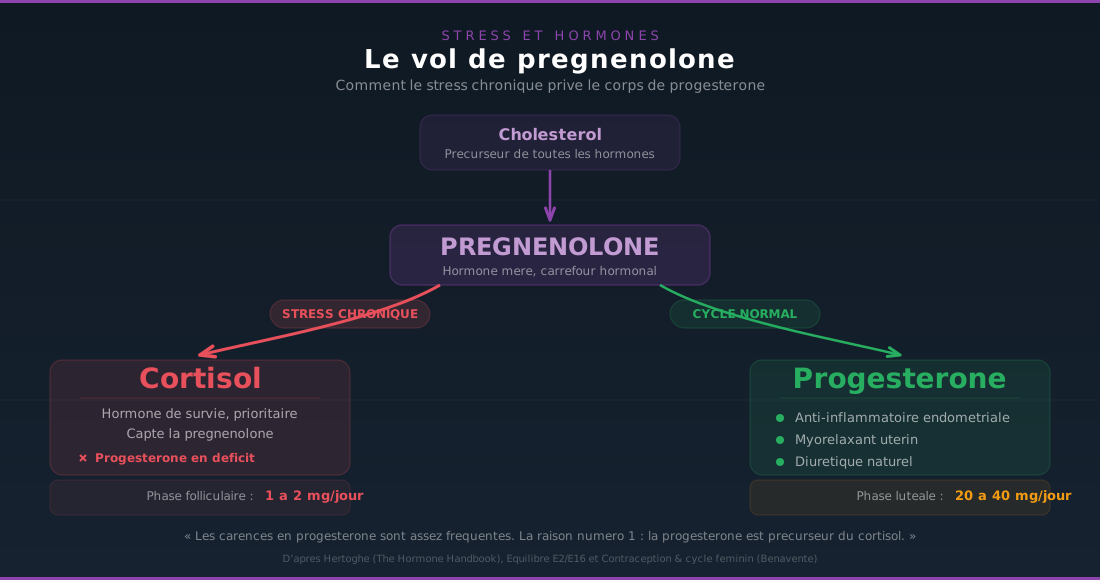
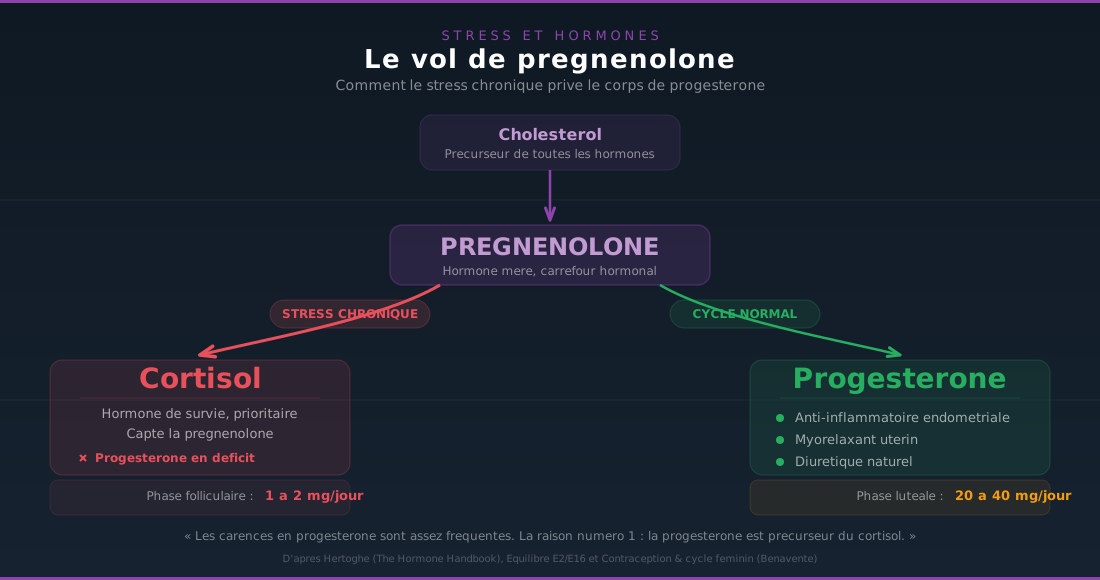
Why does progesterone drop? Reason number one is chronic stress. Progesterone shares a precursor with cortisol: pregnenolone. When the body is under permanent stress, pregnenolone is diverted toward cortisol production at progesterone’s expense. This is the “pregnenolone theft.” Progesterone deficiencies are common in anyone experiencing chronic stress.
There’s also anovulation. Women who have apparently regular cycles but don’t actually ovulate, or whose ovulation is so weak that the corpus luteum produces almost no progesterone. Hertoghe points out that with cortisol deficiency, there is little or no ovulation, creating an imbalance favoring ovarian cyst formation.
If your cycles are irregular with acne and excess hair, think PCOS which shares several mechanisms with dysmenorrhea.
And then there’s the pill. Synthetic hormones take over from natural hormones. When you stop, the body must relearn how to function independently. The return to ovulation doesn’t always happen. Moreover, the pill increases insulin resistance and causes B vitamin deficiency. Curtay’s work confirms that vitamin B6 levels collapse in women on the pill for more than two years2. Yet B6 is an essential cofacteur of delta-6-desaturase.
Xenoestrogens complete the picture: non-organic meat, conventional milk, pesticides, gluten, fried foods, alcohol, tap water. These molecules mimic estrogen’s action and overload the liver which must eliminate them. The interaction between thyroid, estrogen, and progesterone amplifies overall hormonal imbalance. PFAS from non-stick cookware are part of these daily xenoestrogens often overlooked.
Your liver, your gut, your period
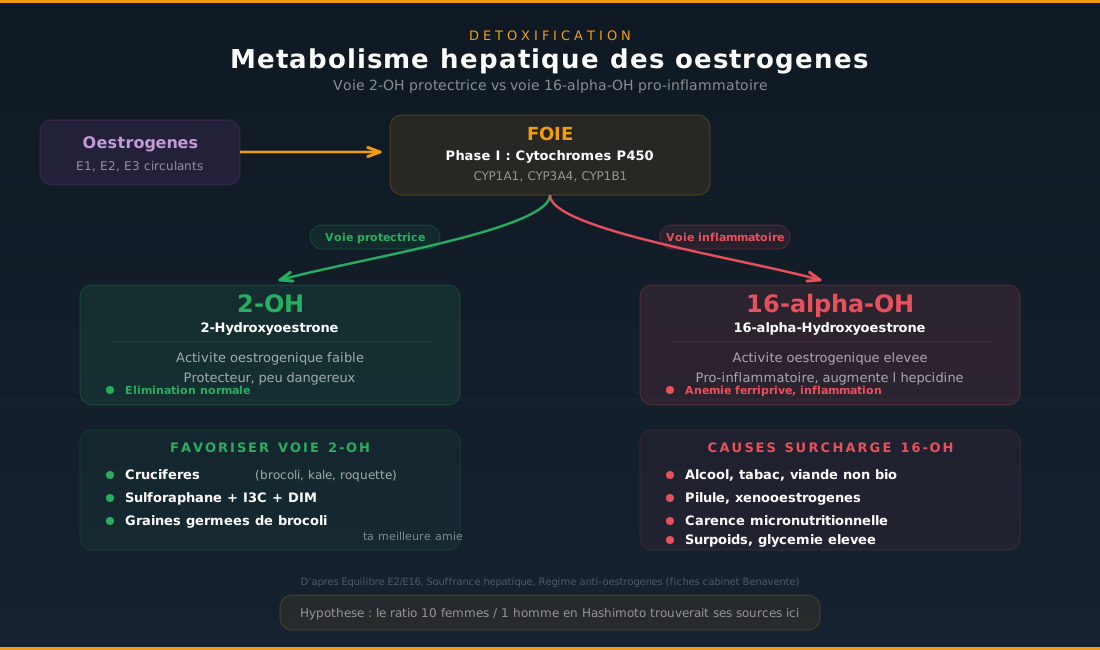
The liver is the central organ for estrogen detoxification. After fulfilling their function, estrogens must be eliminated by liver enzymes (cytochrome P450s). The metabolites formed at the 2-OH position have weak estrogenic activity and are protective. In contrast, 16-alpha-OH metabolites are pro-inflammatory. To direct toward the protective 2-OH pathway, cruciferous vegetables are essential: broccoli, kale, arugula, radish. Broccoli sprouts, rich in sulforaphane and indole-3-carbinol, are the most concentrated3.
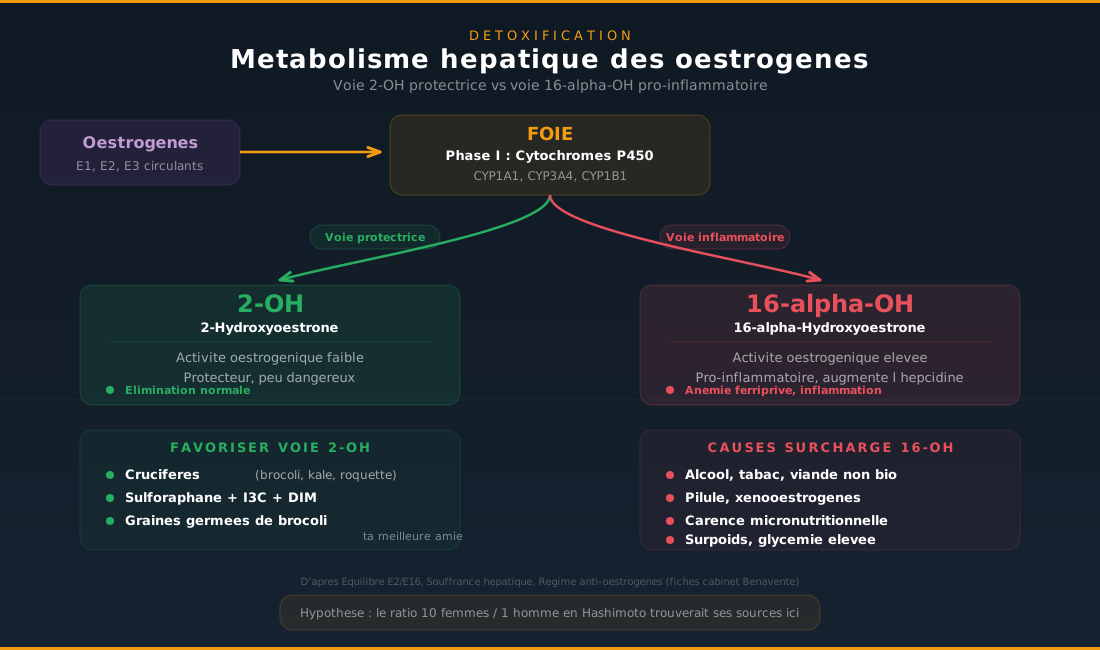
When the liver is congested, estrogens are no longer properly conjugated, recirculate, and hormonal imbalance worsens. This is the logic of detox: clean the terrain before rebuilding it.
And then there’s the gut. The estrobolome is the set of gut bacteria capable of metabolizing estrogen. Some bacteria produce beta-glucuronidase, which deconjugates estrogens that the liver had prepared for elimination. Result: estrogens are reabsorbed instead of being expelled. Intestinal candidiasis is something I see very frequently associated with period pain, and recurring vaginal yeast infections share exactly the same microbiological terrain.
“Cause number 1 is the decrease in bile production. Which came first, the swamp or the mosquito?” Pierre-Valentin Marchesseau
Candida albicans weakens the intestinal barrier, creates hyperpermeability, and captures magnesium through tricarballylate production. We come back again to magnesium, a cofactor of delta-6-desaturase.
The deficiencies that perpetuate the vicious cycle
I think of Sophie (name changed), 28, who came to me with period pain so severe she took four days off each month. No one had ever prescribed her erythrocyte magnesium or plasma zinc or vitamin B6 testing. When I got her results, everything became clear.
Magnesium first. It’s the anti-cramp mineral par excellence: it relaxes the smooth uterine muscle. Curtay is unequivocal: magnesium deficiency causes hyperactivity associated with increased cytokine secretion. Yet 80% of women are deficient according to the Val-de-Marne study. Magnesium bisglycinate, 200 to 400 mg per day.
Zinc next. Cofactor of delta-6-desaturase, immune modulator. Curtay confirms: “in France, 100% of women of reproductive age don’t receive the recommended 15 mg of zinc through diet.” And iron supplementation, which antagonizes zinc absorption, can worsen the deficiency. The vicious cycle par excellence.
Vitamin B6 (P5P) is the third cofactor of delta-6-desaturase. It also plays a direct role in progesterone synthesis and in hepatic estrogen metabolism. The pill depletes B6, excess estrogen depletes B6, and without B6, delta-6-desaturase no longer works.
Omega-3 EPA and DHA: EPA is the direct precursor of PGE3. A deficiency can be associated with skin disorders, fertility issues, and premenstrual syndrome. Fish oil 500 mg to 1 g per day, plus three servings of fatty fish per week. Iron should be tested before any supplementation (ferritin target 50-90 ng/mL), as free iron is pro-oxidant. Vitamin D, an immunomodulator and precursor of glutathione, at 2,000-4,000 IU per day.
Curtay sums it up: “100% of women of reproductive age lack magnesium, vitamin B6, zinc.” These aren’t my figures. These are French epidemiological data.
Food as the first lever
Before any pill, the plate. Reduce excessive omega-6: replace sunflower oil with olive oil (for cooking) and flax or camelina oil (for dressing). Reduce processed products, fried foods, industrial pastries. Integrate cruciferous vegetables daily (sulforaphane, DIM, I3C for hepatic detoxification of estrogen).
Liver support through food: artichoke, black radish, turmeric, ginger. The morning ginger-rosemary decoction combines hepatoprotective and anti-inflammatory effects. Ginger is as effective as ibuprofen in clinical studies on primary dysmenorrhea4. Turmeric targets COX-2 cyclooxygenases, exactly the same mechanism as ibuprofen, but without gastric side effects.
Intermittent fasting, by lengthening the digestive rest window, gives the liver time to work on hormonal detoxification. I think of Marion (name changed), 34, whose diet was essentially pasta, white bread, yogurt, industrial meat. Three months of dietary correction (omega-3, cruciferous vegetables, reduction of processed foods, intermittent fasting) and her pain had decreased by half. Without a single pill.
The phytotherapy protocol by cycle phase
This is a protocol I drew from the work of Rina Nissim, Swiss midwife and author of Mamamelis, a reference in gynecological phytotherapy. Adapt plants to each phase of the hormonal cycle.
Follicular phase (first phase): treat the terrain. Mother tinctures of blackcurrant, raspberry, horsetail, and bramble, in equal amounts, 2 times 40 drops per day. Adrenal support, uterine toning, remineralization, drainage.
Luteal phase (second phase): progesterone-like strategy. Mother tinctures of groomwell, lady’s mantle, yarrow, and chasteberry, in equal amounts, 2 times 80 drops per day. Chasteberry (Vitex agnus-castus) acts on the hypothalamic-pituitary axis by promoting LH secretion, supporting progesterone production by the corpus luteum5. Lady’s mantle is progesterone-like. Groomwell slows excessive estrogen production. Yarrow is antispasmodic.
During menstruation: target the pain. Hot water bottle on the lower abdomen. Calming blend of piscidia, gelsemium, and pareira brava (3 drops, powerful antispasmodics). Vascular blend of witch hazel, comfrey, and primrose (10 drops). Raspberry leaf at 50 drops three times daily to revascularize the pelvis.
The results reported by Rina Nissim are telling. In one endometriosis case: pain present for seven days in the first cycle, four days in the second, a few hours in the third, complete disappearance in the fourth. This isn’t magic. It’s methodical, patient terrain work.
Natural anti-inflammatories validated by science
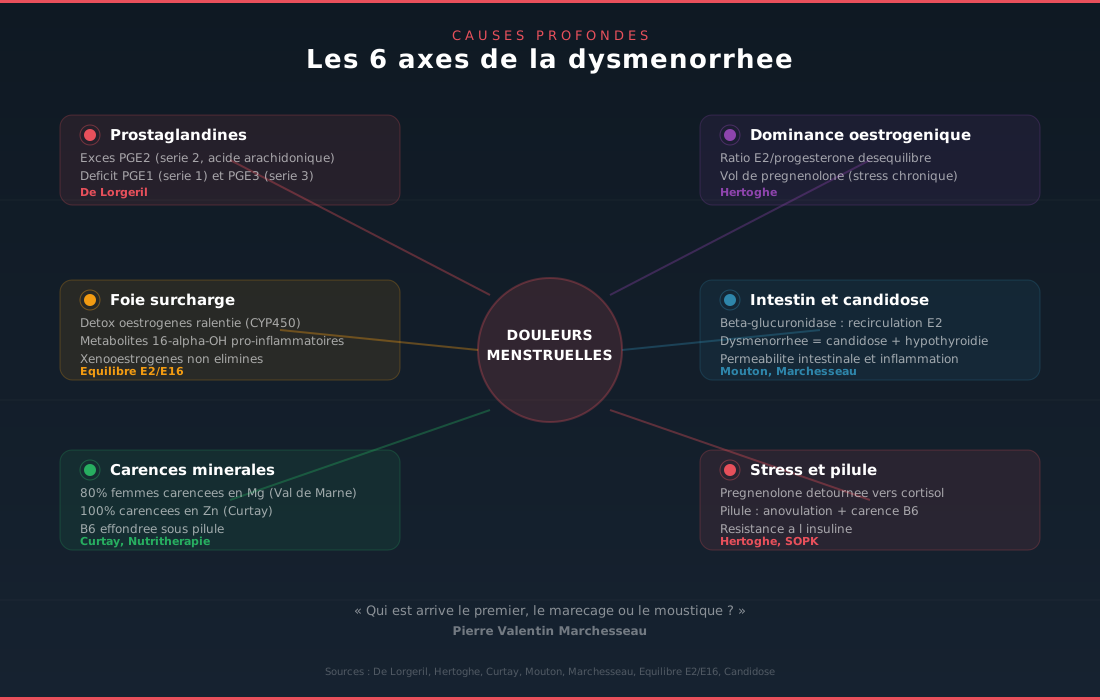
Curcumin (500 to 1,500 mg/day with piperine) inhibits NF-kB, TNF-alpha, IL-6, and COX-26. Same target as ibuprofen, but it protects the digestive lining instead of attacking it. Omega-3 EPA/DHA (1.5 to 3 g/day) decrease IL-6 and TNF-alpha while producing resolvins7. Ginger (1 to 2 g/day) proved as effective as ibuprofen. Magnesium (200 to 400 mg/day). Vitamin D3 (1,000 to 4,000 IU/day). Quercetin and boswellia serrata complete as needed.
Salmanoff hydrotherapy holds an important place. A hot water bottle on the liver each evening (20 minutes) activates liver circulation. Warm sitz baths (38-40°C, 15 minutes) decongest the pelvis. Green clay poultice on the lower abdomen is valuable support.
“The hot water bath is the oldest remedy and most often forgotten. It decongests, it revascularizes, it repairs.” Dr. Alexandre Salmanoff
Physical activity during menstruation (30-minute walks, gentle yoga) stimulates pelvic circulation, releases endorphins, and lowers cortisol. Less cortisol, less pregnenolone theft, more progesterone available.
What ibuprofen will never solve
NSAIDs block COX-1 and COX-2 enzymes without discrimination. COX-2 produces inflammatory prostaglandins. But COX-1 also produces prostaglandins protecting the gastric lining. Blocking both is like putting out the fire alarm instead of the fire. The irony: NSAIDs increase intestinal permeability8, which promotes systemic inflammation and estrogen recirculation. The medication that calms pain this month potentially worsens the terrain next month.
The pill suppresses ovulation and thins the endometrium. But it solves nothing. It masks the imbalance. And when you stop, the problems often return worse, enriched with B6 deficiency and insulin resistance. Ibuprofen taken occasionally can save a day. But don’t confuse the crutch with healing. You don’t cure pain by cutting the alarm signal wire.
Important note: endometriosis, uterine fibroids, adenomyosis don’t fall under naturopathy alone. These are conditions deserving precise diagnosis and specialized follow-up. Naturopathy accompanies, supports, improves the terrain, but doesn’t substitute for medicine when necessary.
Want to identify your deficiencies? Take the magnesium questionnaire and iron questionnaire to assess your terrain.
Your painful periods aren’t inevitable. They’re a signal. Your body is telling you something isn’t right in its environment: nutrients, hormones, digestion, stress, diet. Listen to that signal. Understand it. And adjust. The results are often spectacular.
For the anti-pain protocol, Sunday Natural offers pharmaceutical-grade EPA/DHA omega-3 and magnesium bisglycinate (-10% with code FRANCOIS10). The Inalterra grounding mat reduces nighttime inflammation and cortisol, two aggravating factors in menstrual pain (-10% with code FRANCOISB). And a Hurom juicer makes preparing anti-inflammatory green juices easier (-20% with code francoisbenavente20). Find all my partnerships with exclusive promo codes.
Scientific references
To go further
- Estrogen Dominance: When Your Hormones Trap Your Thyroid
- Endometriosis: The Hidden Terrain No One Looks At
- Adrenal Fatigue in Women: Why You’re More Affected
- Menopause: What Your Body Is Trying to Tell You (And What We’re Hiding)
Sources
- Curtay, Jean-Paul. Nutritherapy. Marco Pietteur, 2016.
- Hertoghe, Thierry. The Hormone Handbook. 2nd ed. Luxembourg: International Medical Books, 2012.
- Nissim, Rina. Mamamélis. Geneva: Mamamélis, 1992.
- Salmanoff, Alexandre. Secrets and Wisdom of the Body. La Table Ronde, 1958.
“Health is strengthened through vital hygiene, and disease is ‘cured’ the same way. Medication is a physiological trick.” Pierre-Valentin Marchesseau
Healthy Recipe: Anti-inflammatory Smoothie: Red fruits calm menstrual inflammation.
Footnotes
-
Ju, Hong, Mark Jones, and Gita Mishra, “The Prevalence and Risk Factors of Dysmenorrhea,” Epidemiologic Reviews 36, no. 1 (2014): 104-113. PMID: 24284871. ↩
-
Wilson, Stephanie M. C., Brandy N. Bivins, Kimberly A. Russell, and Lynn B. Bailey, “Oral Contraceptive Use: Impact on Folate, Vitamin B6, and Vitamin B12 Status,” Nutrition Reviews 69, no. 10 (2011): 572-583. PMID: 21967158. ↩
-
Michnovicz, Jon J., and H. Leon Bradlow, “Altered Estrogen Metabolism and Excretion in Humans Following Consumption of Indole-3-Carbinol,” Nutrition and Cancer 16, no. 1 (1991): 59-66. PMID: 1656396. ↩
-
Ozgoli, Giti, Marjan Goli, and Fariborz Moattar, “Comparison of Effects of Ginger, Mefenamic Acid, and Ibuprofen on Pain in Women with Primary Dysmenorrhea,” The Journal of Alternative and Complementary Medicine 15, no. 2 (2009): 129-132. PMID: 19216660. ↩
-
Milewicz, A., E. Gejdel, H. Sworen, K. Sienkiewicz, J. Jedrzejak, T. Teucher, and H. Schmitz, “Vitex agnus castus Extract in the Treatment of Luteal Phase Defects Due to Latent Hyperprolactinemia,” Arzneimittelforschung 43, no. 7 (1993): 752-756. PMID: 8369008. ↩
-
Bahrami, Afsane, Asghar Zarban, Hadis Rezapour, Akram Agha Amini Fashami, and Gordon A. Ferns, “Effects of Curcumin on Menstrual Pattern, Premenstrual Syndrome, and Dysmenorrhea,” Phytotherapy Research 35, no. 12 (2021): 6954-6962. PMID: 34708460. ↩
-
Rahbar, Nahid, Neda Asgharzadeh, and Raheb Ghorbani, “Effect of Omega-3 Fatty Acids on Intensity of Primary Dysmenorrhea,” International Journal of Gynecology and Obstetrics 117, no. 1 (2012): 45-47. PMID: 22261128. ↩
-
Bjarnason, Ingvar, and Ken Takeuchi, “Intestinal Permeability in the Pathogenesis of NSAID-Induced Enteropathy,” Journal of Gastroenterology 44, Suppl. 19 (2009): 23-29. PMID: 19148789. ↩
Laisser un commentaire
Sois le premier à commenter cet article.