Your Intestine, Your Garden: The 4R Protocol for Intestinal Restoration
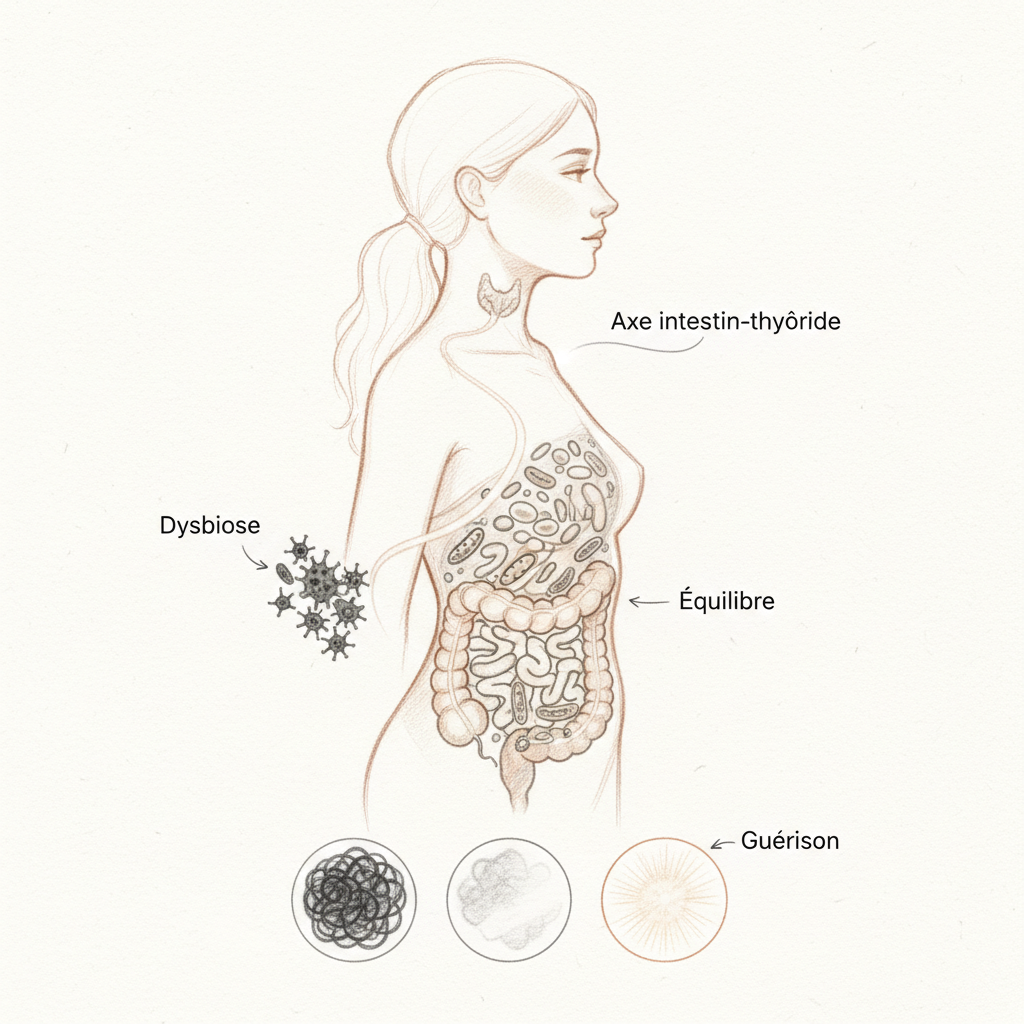
Your intestine is a garden. A garden of 200 square meters of mucosal surface, populated by one hundred trillion bacteria, traversed by 70% of your immune system, covered in an epithelium so thin it renews itself every 36 hours. And you can’t plant roses in a polluted field. You can buy the world’s best probiotics, the most expensive capsules, the most well-documented strains. If you throw them into an inflamed, porous, dysbiotic intestine colonized by pathogens, it’s like sowing English grass on soil saturated with glyphosate. Nothing grows. Nothing takes hold. And you end up chaining cure after cure with no results.
This is exactly what Nathalie (name changed), 42 years old, experienced. When she sat across from me for the first time, she had a bag full of boxes of probiotics. Two years of supplementation. Lactobacillus rhamnosus, Saccharomyces boulardii, multi-strain blends, cure after cure. Her gastroenterologist had prescribed PPIs for her reflux, her allergist had removed lactose, and a therapist friend had recommended probiotics. No one had told her that the PPIs she was taking were destroying her gastric acidity, promoting bacterial overgrowth and preventing probiotics from taking hold. No one had explained to her that there was an order, a sequence, a protocol. That reseeding without first removing the aggravating factors and preparing the terrain is like repainting a wall without first filling in the cracks.
“Disease is nothing. The terrain is everything.” Antoine Béchamp
The 4R protocol is this sequence. Remove, Replace, Reseed, Repair. Four steps in this precise order, because each phase prepares the next. It’s the foundation of my work in consultation when a patient comes with chronic digestive disorders, a candida infection, an autoimmune disease, or simply fatigue that no one can explain. And it’s the common thread of everything I’ve learned in five years of practice, reading, biological testing, and patient feedback. In this article, I detail each step with dosages, duration, and the most common mistakes I see.
The Intestinal Terrain: When the Barrier Collapses
To understand why a four-step protocol is necessary, you must first understand what a healthy intestine is and what happens when it’s not.
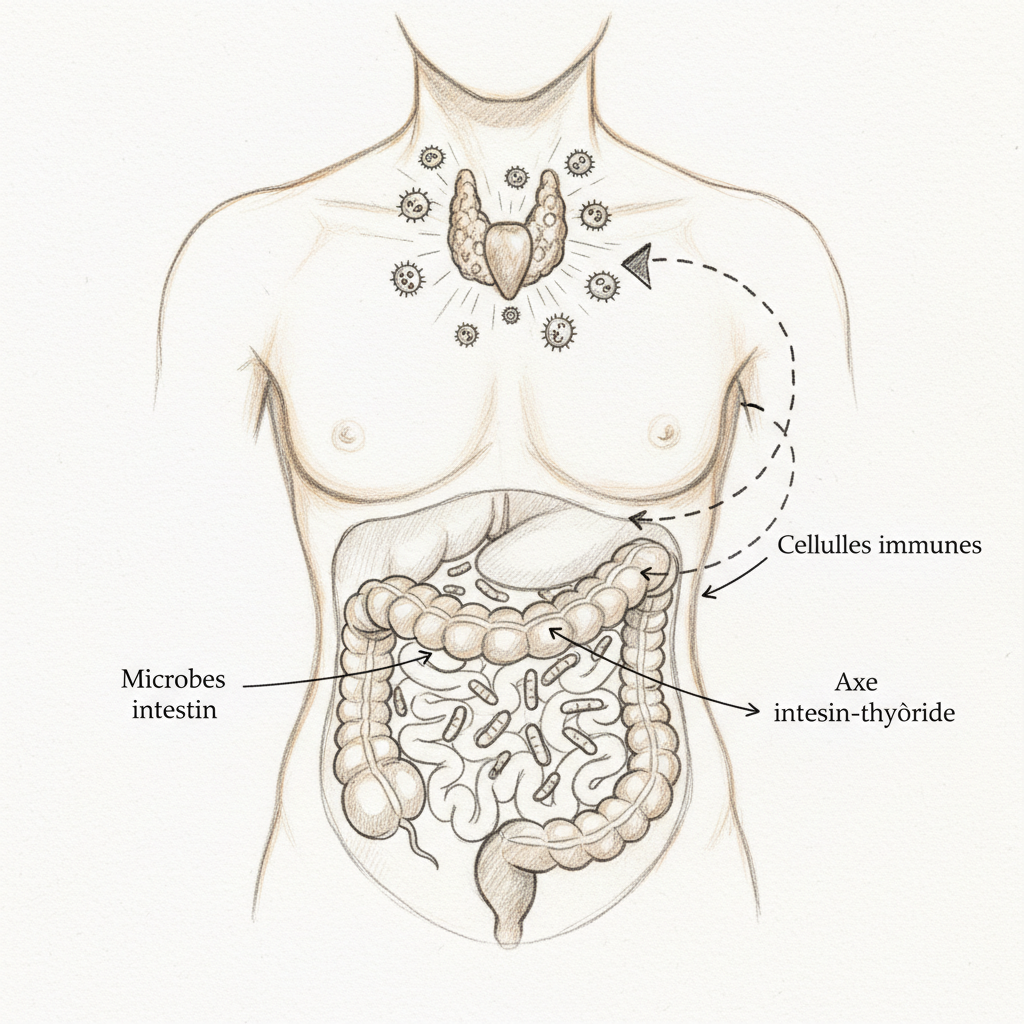
The small intestine is lined with an epithelium composed of enterocytes, cells tightly joined together by proteins called tight junctions (occludin, claudin, zonulin). This barrier is selective. It allows properly digested nutrients, amino acids, fatty acids, monosaccharides, and micronutrients to pass, and it blocks everything else. Incompletely digested macromolecules, bacterial toxins, food fragments not recognized by the immune system. It’s a filter of remarkable precision. And beneath this barrier lies the GALT, gut-associated lymphoid tissue, which concentrates 70% of our immune cells. Your intestine isn’t just a digestive tube. It’s the headquarters of your immunity.
When tight junctions relax, the barrier becomes porous. This is called intestinal hyperpermeability, or leaky gut in English. Incompletely digested peptides cross the mucosa. Bacterial endotoxins (lipopolysaccharides or LPS) enter the bloodstream. The immune system, confronted with these molecules it identifies as foreign, triggers an inflammatory response. If this situation becomes chronic, it opens the door to food intolerances, autoimmune disorders, low-grade systemic inflammation. As I explain in the article about Hashimoto, Seignalet demonstrated that antigenic bacterial or food peptides from the small intestine can accumulate in target organs and trigger an autoimmune cascade. A porous intestine is the starting point.
The culprits are well known. Antibiotics decimate the bacterial flora without discrimination. Proton pump inhibitors (PPIs), prescribed like candy for acid reflux, suppress the gastric acidity necessary for protein digestion and food bolus sterilization, promoting bacterial overgrowth in the small intestine (SIBO). Non-steroidal anti-inflammatory drugs (NSAIDs) directly attack the mucosa. Long-term corticosteroids immunosuppress and weaken tissues. Oral contraceptives decrease zinc, disrupt flora, and affect adrenal function. Alcohol is a direct toxin to enterocytes. And chronic stress, via cortisol, relaxes tight junctions through the enteric nervous system.
It’s a multifactorial IBS, in the way my consultation forms describe it. Not a single cause, but a convergence of aggressions that eventually exceeds the mucosa’s regenerative capacity. And this is why the 4R protocol proceeds in stages. You can’t do everything at once. You must first stop the damage, then rebuild.
Phase 1: REMOVE (2 to 4 weeks)
The first phase is the most psychologically uncomfortable because it’s the one where you remove. You remove aggravating foods. You remove chemical toxins when possible. You remove pathogens when dysbiosis requires it. And you rest the intestine to give it a chance to recover.
Gluten is the first to go. Not because it’s fashionable, not because it’s trendy, but because the gliadin in modern wheat directly stimulates the production of zonulin, the protein that opens tight junctions. The wheat we consume today is a hexaploid with 42 chromosomes, far removed from the ancestral diploid einkorn with 14 chromosomes. Its content of toxic gliadins has been multiplied through successive crossbreeding. The cereals to avoid are wheat, spelt, rye, barley, and kamut. Oats are tolerated by most people but can cause problems in case of cross-reactivity. Dairy products follow, particularly cow’s milk. The A1 beta-casein in cow’s milk produces, when incompletely digested, an opioid peptide called casomorphin-7 that slows transit, disrupts intestinal motility, and perpetuates mucosal inflammation. Refined sugars and all high glycemic index foods feed pathogens, particularly Candida albicans. Alcohol, food additives, and refined oils (sunflower, soy, corn) complete the list.
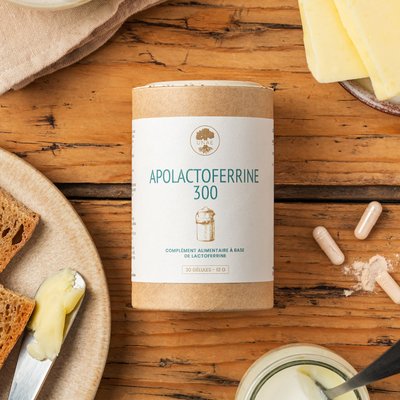
But removing food alone isn’t always enough. If the UOM test (urinary organic metabolites) or stool analysis reveals severe dysbiosis or candida infection, you must also treat pathogens. The natural antimicrobials I use in consultation are grapefruit seed extract (GSE), a broad-spectrum antimicrobial remarkably well tolerated. Berberine, which acts both as an antimicrobial and as a blood sugar regulator (it activates AMPK, making it doubly interesting in cases of dysbiosis associated with insulin resistance). Oregano essential oil (Origanum compactum), whose active compounds carvacrol and thymol have demonstrated antifungal and antibacterial activity. Lactoferrin, an antifungal peptide naturally present in colostrum, which chelates the iron necessary for pathogen growth. Caprylic acid (coconut extract), a well-tolerated natural antifungal. And pau d’arco (lapacho), bark traditionally used in South America against fungal infections.
The antimicrobial strategy I’ve learned is one of rotation. You don’t take a single antimicrobial for three months. You alternate agents every two to three weeks to prevent pathogens from developing resistance. And you combine multiple agents at low doses rather than one at high dose, to broaden the spectrum of action without aggressing resident flora.
Giving the digestive system rest is the third pillar of this first phase. Intermittent fasting in 16/8 format (sixteen hours without eating, eight-hour eating window) is accessible to most people and reduces digestive load while activating autophagy, that cellular cleaning process the body triggers when it’s no longer busy digesting. For more motivated individuals, a 24-hour water fast once a week significantly accelerates the process. Monodiet of vegetable soup or cooked apple (particularly suited to the neuro-arthritic temperaments of Marchesseau) is a gentler alternative. And cellulosic dinners, composed exclusively of cooked vegetables, lighten nocturnal digestion and allow the liver to focus on detoxification rather than digestion.
“Fasting is the first medicine. Before seeking the plant that heals, start by removing what poisons.” Catherine Kousmine
The UOM test is the tool I systematically recommend at the beginning of the protocol. It provides an overview of the intestinal ecosystem, allows detection of fermentation and putrefaction dysbiosis, candida infections, enzyme deficiencies, and permeability markers. It’s the map of the terrain before beginning the work.
Phase 2: REPLACE (4 to 8 weeks)
Once the aggravating factors are removed, you must replace. Replace pro-inflammatory foods with alternatives that nourish without aggravating. Replace deficient digestive secretions. Replace eating habits that perpetuated the problem.
Gluten-free cereals form the foundation of the new diet. Rice (whole or semi-whole), buckwheat, quinoa, sorghum, millet, amaranth. And non-cereal starches that complete carbohydrate intake: sweet potato, cassava, chestnut, legumes properly soaked and cooked correctly. Sorghum deserves special mention. It’s an ancestral grain, naturally gluten-free, rich in prebiotic fiber and polyphenols, still too little known in France. I recommend it systematically in my digestive protocols.
Gentle cooking is a non-negotiable principle. Above 110 degrees Celsius, proteins and sugars combine to form Maillard molecules, glycotoxins that our enzymes cannot break down and that contribute to the cellular sludging described by Seignalet. Gentle steaming, braising, water bath, low-temperature cooking are the methods to favor. Raw food, as digestive tolerance permits, provides living enzymes and intact micronutrients. But beware: a very inflamed intestine sometimes tolerates raw food poorly. In this case, start with gently steamed vegetables and gradually reintroduce raw as the mucosa repairs.
Many of my patients present hypochlorhydria, that is, insufficient production of hydrochloric acid by the stomach. It’s a far more common problem than believed, especially in people who have taken PPIs long-term, in people over 50, and in stressed patients (stress inhibits gastric secretion via the parasympathetic nervous system). Gastric acid is essential for activating pepsin (enzyme that digests proteins), for sterilizing the food bolus (first barrier against pathogens), and for preparing mineral absorption (iron, zinc, calcium, magnesium). When the stomach doesn’t do its job, everything else in the digestive chain suffers. Betaine HCl at the beginning of meals, bitter herbs (gentian, artichoke, milk thistle), and apple cider vinegar diluted in warm water before meals are the tools I use to restore gastric function.
Digestive enzymes (proteases, lipases, amylases) may be necessary as temporary supplements when the pancreas is sluggish or bile production is insufficient. It’s not a shortcut mentality, it’s support while the body recovers its own capacities.
Robert Masson emphasized a principle I repeat at every consultation: “Food must be liquid before swallowing.” Chewing is the first digestive act, and it’s the one everyone neglects. Chewing thirty times each bite, calmly, without screens, without stress. It seems ridiculous, but I’ve seen patients whose bloating decreased by half simply by relearning how to chew. Salivary amylase pre-digests starches, mechanical grinding multiplies the surface area for gastric enzymes, and chewing sends a signal to the brain to prepare downstream digestive secretions.
The chronobiology of meals also matters. Starches and fats are better metabolized in the first two meals of the day, when pancreatic and biliary enzymes are at their peak secretion. In the evening, eat lighter. Vegetable soup, light proteins, no heavy starches. Food combinations aren’t a fad: combining concentrated animal proteins with starches in the same meal slows digestion and promotes fermentation. The ideal is to favor simple associations. Proteins and vegetables, or starches and vegetables, rather than all three together.
Green vegetable juices are a first-line therapeutic tool in this phase. A juice of cucumber, celery, fennel, and spinach, cold-pressed, provides magnesium, chlorophyll (a remarkable mucosal healer), enzymes, and micronutrients in a form directly assimilable without taxing digestion. It’s a concentrate of anti-inflammatory nutrition in liquid form.
Phase 3: RESEED (4 to 8 weeks)
This is the phase everyone wants to do first. Take probiotics. But if you’ve understood the two previous phases, you understand why you must first clean and prepare the terrain. A probiotic that arrives in an inflamed intestine, invaded by pathogens, malnourished, and unprotected, has no chance of implanting durably. It’s money wasted. And that’s exactly what happened to Nathalie.
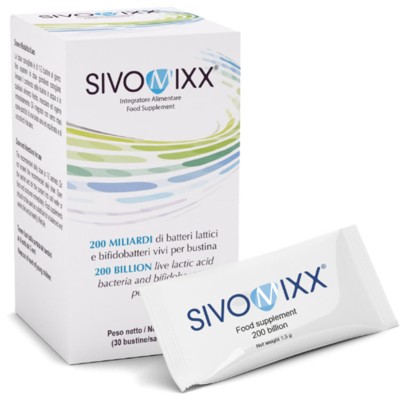
The probiotics I prescribe in consultation are multi-strain blends combining Lactobacillus (acidophilus, casei, rhamnosus, plantarum) and Bifidobacterium (bifidum, longum, infantis). The minimum effective level is 10 billion CFU per day (colony-forming units), for at least four weeks. Clinical studies show that probiotics produce secretory immunoglobulin A (IgA) that strengthen the mucosal barrier, secrete cytokines that modulate Th1/Th2 immune balance, and directly inhibit pathogen growth through nutritional competition and bacteriocin production.
Bifidobacterium longum deserves special mention. It’s a strain that decreases populations of Clostridium and Bacteroides, two bacterial genera often implicated in putrefaction dysbiosis and colonic inflammation. Studies by Si (2016) and Li (2017) confirm its modulatory action on the microbiota and its protective effect on intestinal mucosa.
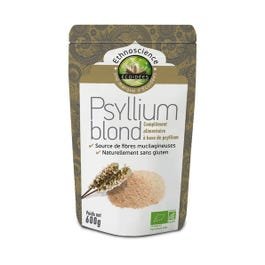
But probiotics in capsules alone aren’t enough. You must also feed resident flora. This is the role of prebiotics: fructooligosaccharides (FOS), inulin, soluble fiber (psyllium, guar gum, apple pectin). These fermentable fibers selectively feed beneficial bacteria and stimulate butyrate production, the short-chain fatty acid that is the preferred fuel of colonocytes (colon cells).
Lacto-fermented foods are the probiotics of our ancestors. Raw sauerkraut (unpasteurized), kimchi, fruit kefir, miso, salt pickles. These foods provide living bacterial strains in a natural food matrix, which improves their survival in the digestive tract. However, I must emphasize one point: in case of confirmed candida infection, fermented foods should be introduced with caution, as the fermentation process can also feed Candida. You reintroduce them gradually once the antimicrobial phase has done its work.
Medicinal mushrooms occupy a special place in this phase. Reishi (Ganoderma lucidum) and shiitake (Lentinula edodes) aren’t probiotics in the strict sense, but immunomodulators. Their beta-glucans stimulate NK cells (natural killers), modulate Th1/Th2 response, and support intestinal GALT. Fucus (Fucus vesiculosus), brown seaweed rich in fucoidan, has prebiotic and immunomodulatory properties that complete the picture. It’s a combination that my naturopathy instructors used systematically in intestinal restoration protocols, and that I’ve kept in my practice.
Phase 4: REPAIR (2 to 3 months)
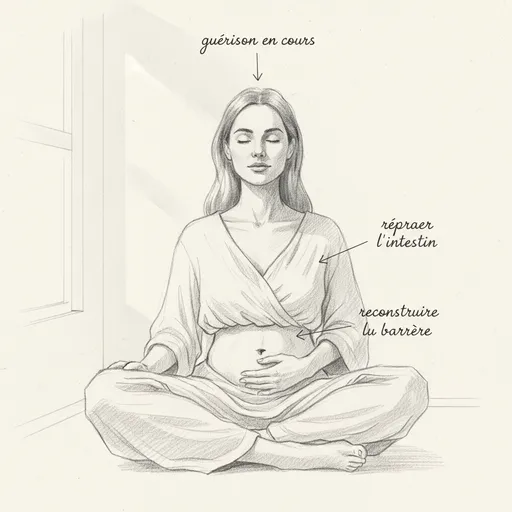
The final phase is the longest and most important. This is where you provide the intestinal mucosa with all the materials it needs to rebuild. The bricks, the mortar, the enzymatic cofactors, the protective antioxidants. This is the actual reconstruction project.
L-glutamine is the cornerstone of this phase. It’s the most abundant amino acid in blood and muscles, and it’s the preferred fuel of enterocytes. Intestinal cells consume more glutamine than any other tissue in the body, including skeletal muscles. In situations of stress, chronic inflammation, or illness, glutamine needs far exceed endogenous production capacity. Supplementation is then essential. The dosage I use is 4 to 8 grams per day, divided into two doses (morning and evening, on an empty stomach), increasing gradually by 2 grams per week. Studies show significant reduction in intestinal permeability after eight weeks of supplementation. Glutamine strengthens tight junctions, stimulates enterocyte proliferation, and reduces apoptosis (programmed cell death) induced by oxidative stress.
Zinc is the second pillar. It’s a cofactor for more than 300 enzymatic reactions, including delta-6-desaturase (conversion of omega-3 to anti-inflammatory EPA and DHA), extracellular matrix metalloproteinases (tissue renewal), and antioxidant enzymes (superoxide dismutase). Zinc is essential for intestinal mucosa renewal, which renews every 36 hours. Zinc deficiency, frequent and under-diagnosed as I detail in my dedicated article, dramatically slows mucosal healing. The dosage is 15 to 25 mg per day in bisglycinate form, away from phytates (whole grains, legumes).
N-acetyl-glucosamine is a natural constituent of intestinal mucus. This mucus layer, produced by goblet cells, forms a protective gel that lines the epithelium and constitutes the first line of defense against luminal aggressors. Supplementation with N-acetyl-glucosamine, at 1 to 2 grams per day, helps restore this mucus layer, particularly depleted in dysbiosis and chronic inflammation.
Butyrate is the most important short-chain fatty acid for colonic health. Naturally produced by fermentation of soluble fiber by beneficial bacteria (Faecalibacterium prausnitzii, Roseburia, Eubacterium), butyrate is the primary fuel of colonocytes. It possesses powerful anti-inflammatory properties (NF-kB inhibition), strengthens the epithelial barrier, and induces apoptosis of abnormal cells. When flora is too depleted to produce enough, butyrate sodium or calcium supplementation (300 to 600 mg per day) takes over. Raw quality butter is also a direct food source of butyric acid.
Omega-3s (EPA and DHA), at 2 to 3 grams per day, are more than just anti-inflammatory. They integrate into enterocyte cell membranes, increase their fluidity and exchange capacity, and modulate the adhesion of probiotic bacteria to the mucosa. Studies by Song (2016) show that omega-3s facilitate colonization by Lactobacillus and Bifidobacterium, creating a virtuous circle between fatty acid supplementation and reseeding.
Quercetin is a flavonoid with remarkable properties for the intestine. It stabilizes mast cells (immune cells that release histamine and other inflammatory mediators), reduces intestinal permeability by strengthening tight junctions, and regulates hepatic detoxification enzymes UDP-glucuronyl transferase. It’s a bridge between Phase 4 intestinal support and hepatic support. Dosage: 500 to 1000 mg per day, away from meals.
Retinol (vitamin A preformed) is essential for innate and acquired immunity, intestinal epithelium renewal, and mucus production. Cod liver oil is its most complete traditional source, combining retinol, vitamin D, and omega-3. As ancient naturopaths knew, one tablespoon of cod liver oil per day at breakfast often suffices to cover retinol and vitamin D needs simultaneously.
Polyphenols play a major protective role against bacterial endotoxins. Resveratrol and saffron crocin protect enterocytes against LPS (lipopolysaccharide) damage. The study by Ugurel (2016) shows that the combination DHA and quercetin has a synergistic effect on mucosal protection. Green tea, thanks to its catechins (EGCG), protects enterocytes against oxidative apoptosis and prevents mucosal atrophy. Licorice (Glycyrrhiza glabra) protects the mucosa against heavy metals and stimulates mucus production. And aloe (Aloe vera) stabilizes intestinal mast cells and stimulates digestive secretions, making it a valuable ally in the repair phase.
The Liver: The Intestine’s Obligatory Partner
You cannot talk about intestinal restoration without talking about the liver. The two organs are connected by an anatomical and functional circuit that is inseparable: the enterohepatic circulation. The liver produces bile, which is excreted into the intestine to emulsify fats and eliminate conjugated toxins. Part of this bile is reabsorbed in the terminal ileum and returned to the liver via the portal vein. This circuit turns constantly, six to eight times a day. And when one of the two organs malfunctions, the other suffers.
The liver ensures more than 500 metabolic functions. It filters 1.5 liters of blood per minute, neutralizes endogenous toxins (ammonia, spent hormones, bilirubin) and exogenous ones (pesticides, medications, food additives, mycotoxins), and prepares them for elimination. Its detoxification capacity rests on two enzymatic phases. Phase 1 (cytochrome P450) activates toxins into intermediate metabolites, often more reactive than the original molecules. Phase 2 (conjugation) makes these metabolites water-soluble for renal or biliary elimination. If Phase 1 proceeds faster than Phase 2, intermediate metabolites accumulate and become toxic themselves.
When the liver is overloaded by xenobiotics, long-term medications, alcohol, industrial food, and intestinal endotoxins (LPS) arriving via the portal vein in case of intestinal permeability, its detoxification capacity collapses. Waste accumulates in blood and tissues. This is the toxemia of Marchesseau, the starting point of all chronic disease in naturopathy.
“The liver is the great chemical factory of the body. When it’s sick, everything is sick.” Catherine Kousmine
Hepatic phytotherapy always accompanies the 4R protocol in my practice. Milk thistle (Silybum marianum) protects hepatocytes through silymarin and stimulates their regeneration. Desmodium (Desmodium adscendens) is the emergency hepatoprotector, essential when the liver is heavily taxed. Artichoke (Cynara scolymus) is cholagogue, stimulating bile evacuation into the intestine. Boldo (Peumus boldus) is choleretic, stimulating bile production by hepatocytes. Black radish (Raphanus sativus niger) drains the liver and gallbladder. And I never prescribe a 4R protocol without a hot water bottle on the right flank, 20 minutes after dinner. This simple gesture, inherited from Salmanoff, activates hepatic circulation, promotes bile secretion, and accelerates detoxification. Spring detox details this hepatic support in depth.
The Mistakes I See Most Often
In five years of consultations, I’ve identified recurring mistakes that explain why so many people fail in their attempt at intestinal restoration.
The first mistake is starting with probiotics. That was Nathalie’s mistake. That’s the most frequent mistake. You read everywhere that probiotics are the solution to all intestinal problems. But reseeding a terrain that hasn’t been cleaned is like sowing in a field of weeds. Good bacteria have no chance of implanting against established pathogens. You must first remove, then prepare, then sow.
The second mistake is removing without replacing. Eliminating gluten and dairy without offering nutritionally dense alternatives creates deficiencies. I’ve seen patients remove wheat and replace it with rice cakes and gluten-free cookies full of modified starches, sugar, and additives. That’s worse than before. Removing gluten means replacing with buckwheat, quinoa, sorghum, sweet potatoes, soaked legumes. Real food.
The third mistake is neglecting the liver. The intestine and liver form an inseparable couple. Restoring one without supporting the other means working halfway. The enterohepatic circulation links the two organs constantly. A liver overloaded produces low-quality bile that doesn’t properly emulsify fats and doesn’t properly eliminate toxins. And a porous intestine sends endotoxins to the liver that overload it.
The fourth mistake is wanting to go too fast. The 4R protocol takes three to six months. That’s long. But the intestinal mucosa needs time to regenerate, the flora needs time to rebalance, the immune system needs time to regulate. Salmanoff said it with disarming wisdom: “Open the exits before dislodging the toxins.” Detoxifying a heavily sludged terrain too fast risks a violent healing crisis. Headaches, nausea, increased fatigue, skin eruptions. Illness symptoms can temporarily worsen when toxins mobilize faster than the body can eliminate them. Gradualness is the key.
What Naturopathy Doesn’t Do
Naturopathy supports. It doesn’t replace medical diagnosis or gastroenterological follow-up. If you suffer from IBD (Crohn’s disease, ulcerative colitis), confirmed SIBO, systemic candida infection, or any severe chronic digestive disorder, medical diagnosis is the first step. Prior biological testing (fecal calprotectin, serum zonulin, UOM, liver panel, CBC, CRP) allows quantification of the condition and personalizes the protocol.
Pregnancy requires adapting supplementation. Antimicrobial essential oils (oregano, tea tree) are contraindicated. High-dose glutamine isn’t sufficiently documented in pregnant women. Certain hepatic herbs (boldo, black radish) are inadvisable. Support from a trained practitioner is then essential.
Ongoing medications (PPIs, corticosteroids, immunosuppressants) must never be stopped abruptly. Weaning, if considered, always occurs with the prescribing physician, very gradually, as the terrain improves.
Based in Paris, I consult via video throughout France. You can book an appointment for personalized support.
Giving the Body the Tools for Reconstruction
Jean Seignalet followed 237 patients with irritable bowel syndrome using his hypotoxic diet. 233 remissions, a success rate of 98%. No medication has ever achieved these figures. And his diet rests on exactly the same principles as the 4R protocol: remove modern foods that aggress the mucosa, replace with ancestral foods cooked at low temperature, let the flora rebalance and the mucosa repair.
The intestine is the key to everything. To immunity, since it houses 70% of it. To mood, since 95% of serotonin is produced there (and I refer you to my article on serotonin to understand this cascade). To energy, since it’s what absorbs the nutrients necessary for ATP production. To skin, since the cutaneous emunctory compensates when the intestine overflows. To hormones, since the intestinal estrobolome regulates estrogen metabolism, as I explain in the article on painful periods. To the thyroid, since 20% of T4 to T3 conversion occurs in the intestinal wall, as I detail in the article on thyroid and micronutrition.
“The intestine is the motor of disease. Repair it, and you’ll see health return on its own.” Catherine Kousmine
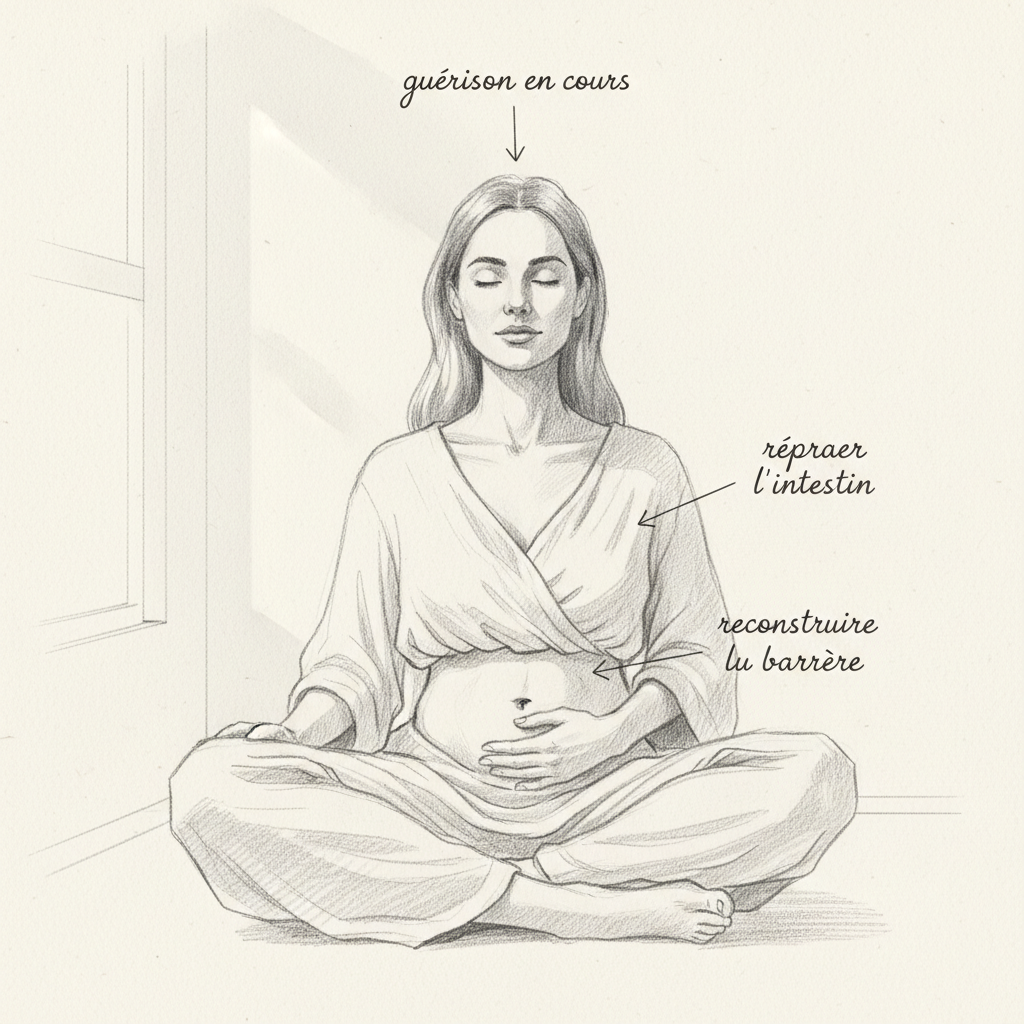
The 4R protocol isn’t a miracle treatment. It’s a method, a logical sequence that respects physiology. Remove what aggresses. Replace with what nourishes. Reseed with the right bacteria. Repair the mucosa with the right materials. And support the liver at each step. It’s physiological common sense, patience, and rigor. Three qualities that naturopathy places above all else.
To support intestinal restoration, Sunday Natural offers L-glutamine, zinc bisglycinate, and pharmaceutical-quality multi-strain probiotics (-10% with code FRANCOIS10). A Hurom juicer facilitates preparation of the restorative green juices of the protocol (-20% with code francoisbenavente20). Find all my partnerships with exclusive promo codes.
To Go Further
- Chronic constipation: the 7 causes your doctor won’t look for
- Chronic diarrhea: the underlying causes no one investigates
- Intestinal dysbiosis: when your flora makes you sick
- Intestinal dysbiosis: the 5 profiles sabotaging your thyroid
Sources
- Kousmine, Catherine. Soyez bien dans votre assiette jusqu’à 80 ans et plus. Paris : Tchou, 1980.
- Masson, Robert. Diététique de l’expérience. Paris : Guy Trédaniel, 1990.
- Seignalet, Jean. L’Alimentation ou la Troisième Médecine. 5e éd. Paris : François-Xavier de Guibert, 2004.
- Si, J.M. et al. “Intestinal microecology and quality of life in irritable bowel syndrome patients.” World Journal of Gastroenterology 22.10 (2016) : 3023-3033.
- Song, J. et al. “Effect of orally administered EPA on intestinal microbiota composition.” Clinical Nutrition 35.3 (2016) : 655-660.
- Li, Y. et al. “Bifidobacterium longum modulates gut microbiota composition and colonic function.” Nutrients 9.7 (2017) : 699.
- Ugurel, E. et al. “Protective effects of quercetin and DHA on intestinal barrier function.” Journal of Functional Foods 23 (2016) : 414-423.
“The hygienist doesn’t cure. He teaches the patient not to poison his cells anymore.” Pierre-Valentin Marchesseau
Laisser un commentaire
Sois le premier à commenter cet article.