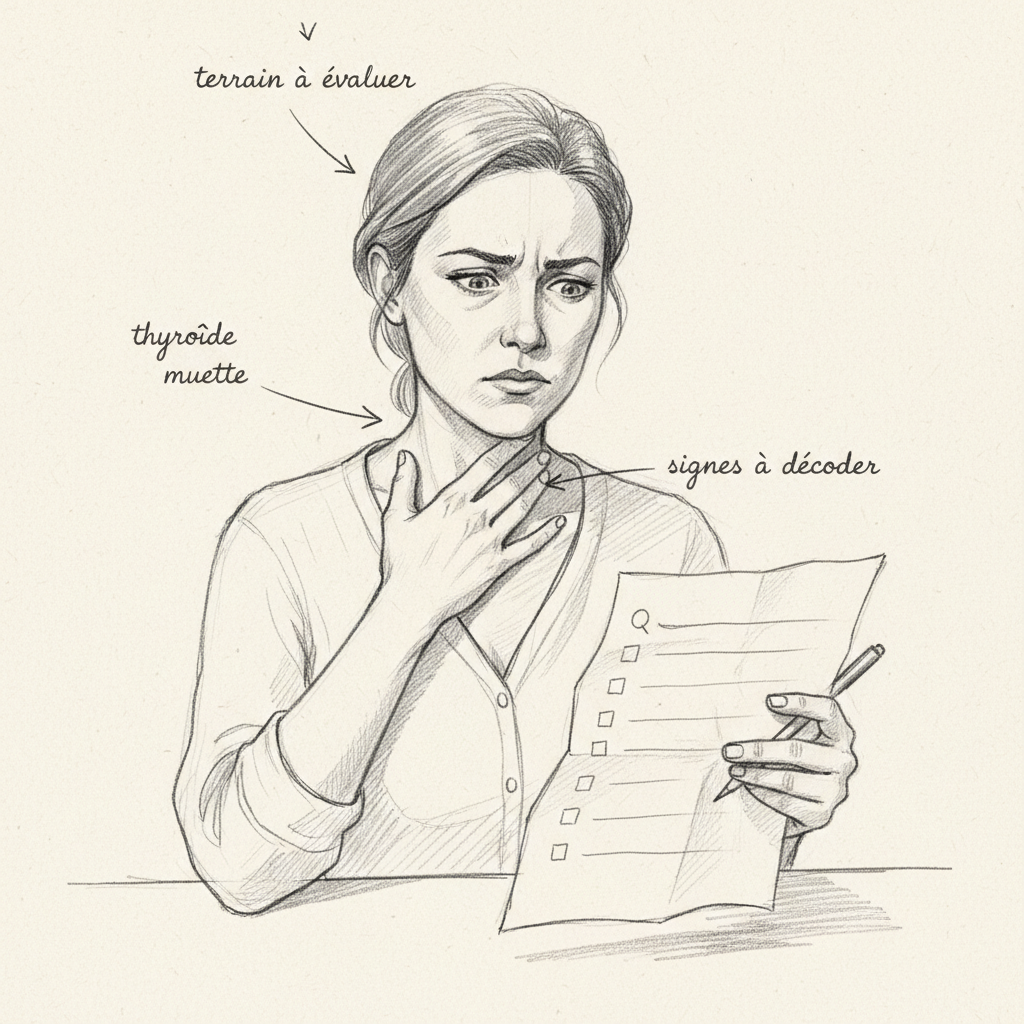
She was 31 years old, with two years of fertility treatment, three early miscarriages. Her gynecologist had told her that her thyroid tests were normal. TSH at 3.6. Normal, within laboratory ranges. When I asked her if free T3, free T4, and anti-TPO antibodies had been measured, she looked at me in astonishment. Nobody had ever prescribed these tests for her. Nobody had told her that the American Thyroid Association recommends a TSH below 2.5 for fertility. Nobody had explained to her that her anti-TPO antibodies were the primary suspect.
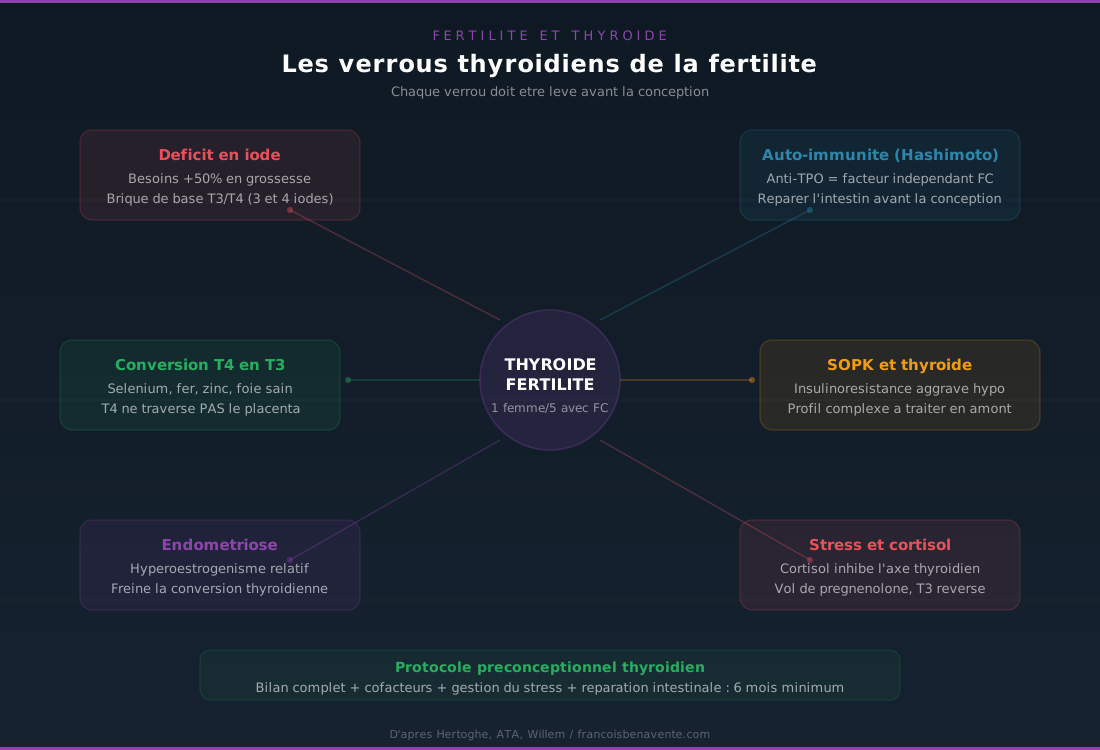
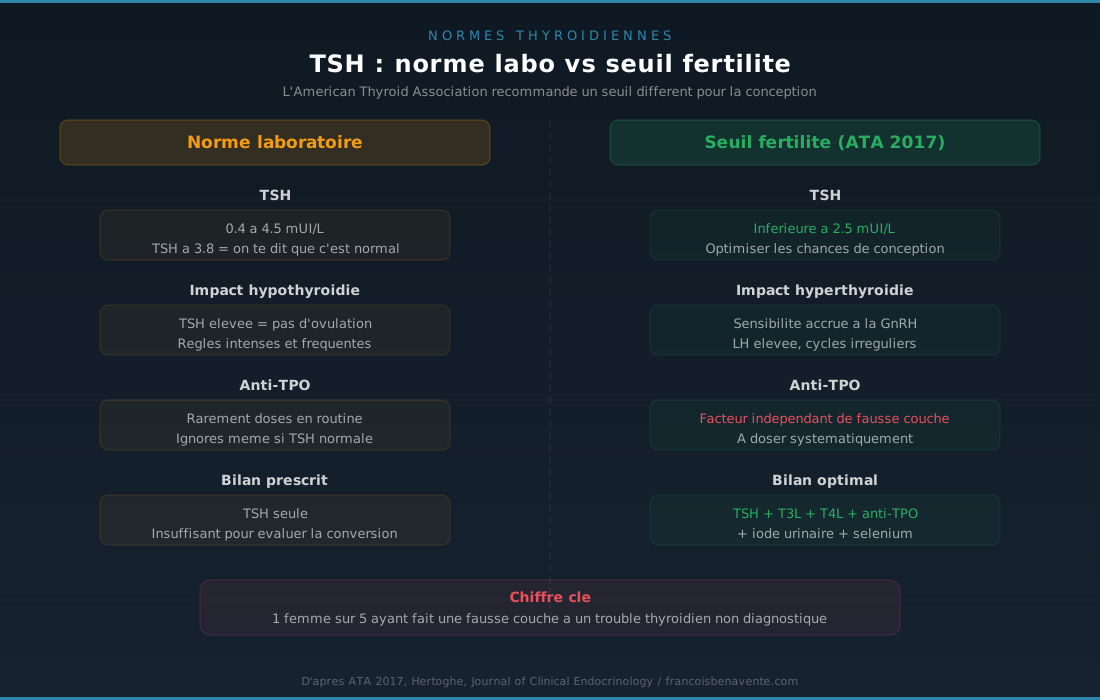
One in five women who have had a miscarriage or are experiencing fertility problems have an undiagnosed thyroid disorder (Journal of Clinical Endocrinology & Metabolism). This figure is staggering. And it is explained by a double problem: laboratory ranges are too broad, and the prescribed panel is too narrow. TSH alone is not enough. The thyroid is the lock that nobody opens, because nobody searches for it correctly.
« Primum non nocere. First, do no harm. » Hippocrates
Why your thyroid controls your fertility
Thyroid disorders are among the most frequent endocrine disorders in women of childbearing age. This is no accident. The thyroid is the conductor of metabolism. It regulates body temperature, cellular energy, heart rate, protein synthesis and, what interests us here, the menstrual cycle and ovulation.
Hypothyroidism, even mild (TSH “normal high”), causes a cascade of disruptions. Elevated TSH intensifies the frequency and intensity of periods, causing menorrhagia that depletes iron reserves. Lack of ovulation becomes frequent. The cycle lengthens or becomes irregular. And the body is no longer able to properly prepare the endometrium for implantation.
Hyperthyroidism poses the opposite problem but equally devastating. Increased sensitivity to GnRH (gonadotropin-releasing hormone) leads to elevated LH secretion, short and irregular cycles, and sometimes amenorrhea. In both cases, fertility is compromised.
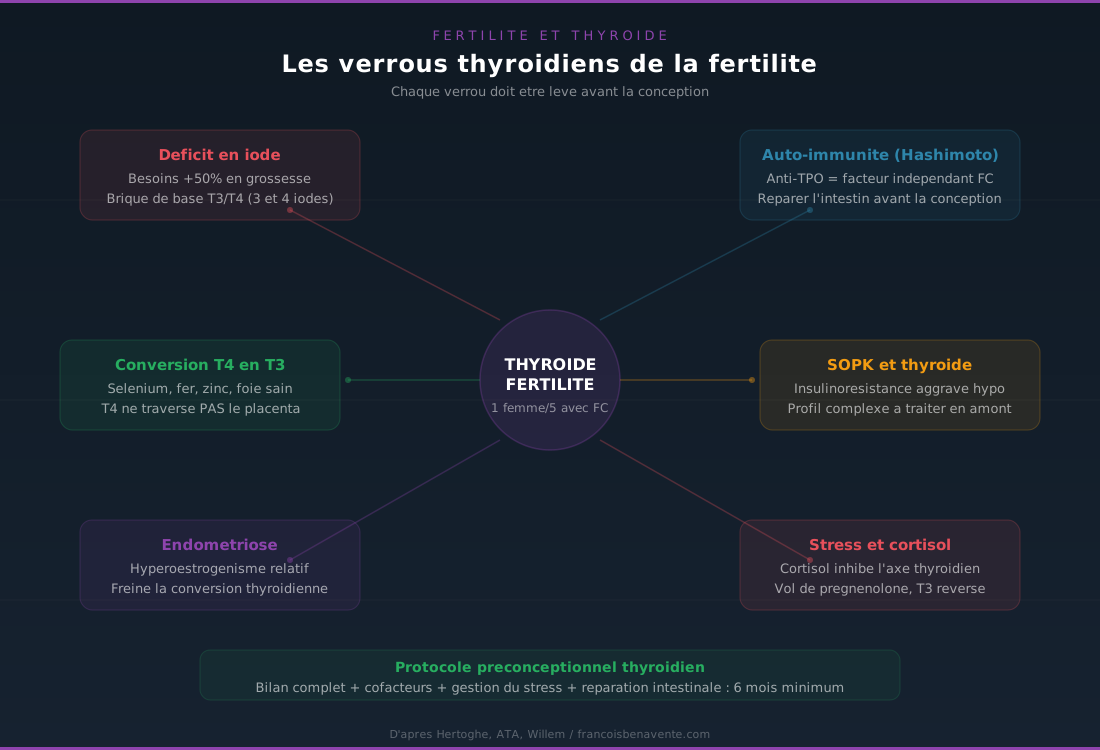
What few women know is that anti-TPO antibodies constitute an independent risk factor for miscarriage, even in the absence of frank hypothyroidism. A woman can have a “normal” TSH at 2.2 and carry elevated anti-TPO antibodies that silently attack her thyroid. This is the mechanism of Hashimoto, and it is rarely investigated before pregnancy.
The first 4 months: your baby depends on your T3
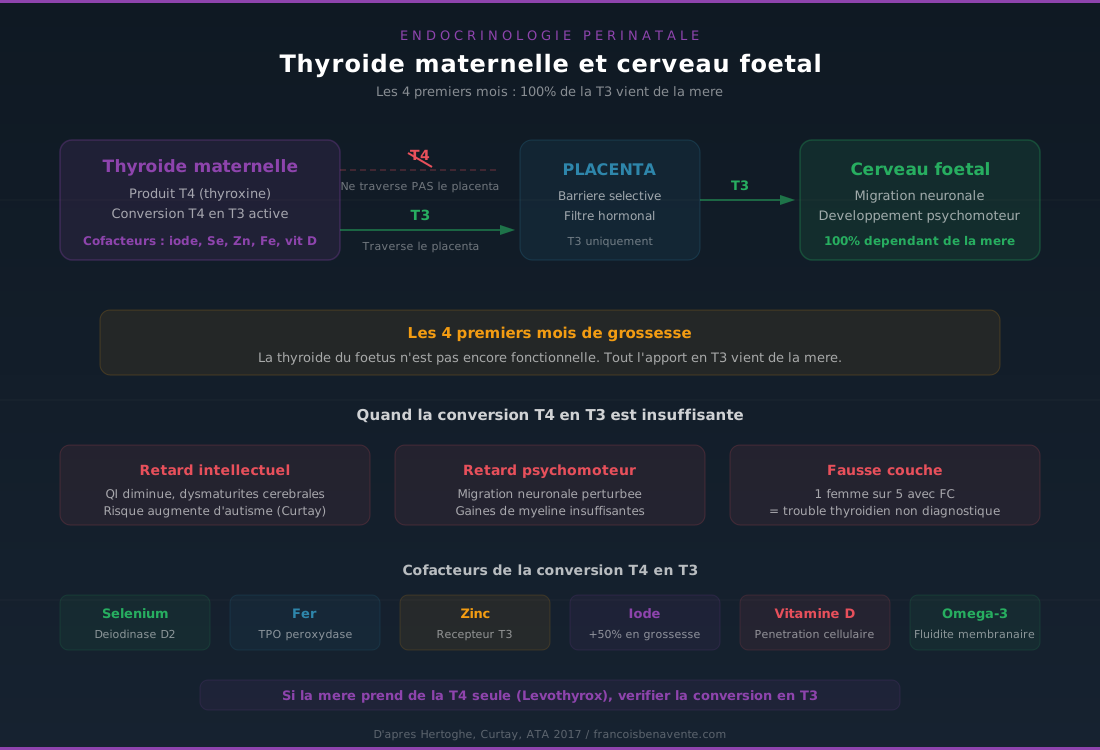
This is the central point of this article. During the first four months of pregnancy, the fetus’s thyroid is not yet functional. It will only produce its own hormones from week 12-14 onwards. Until then, 100% of T3 supply comes from the mother. And it is T3, not T4, that is the active hormone.
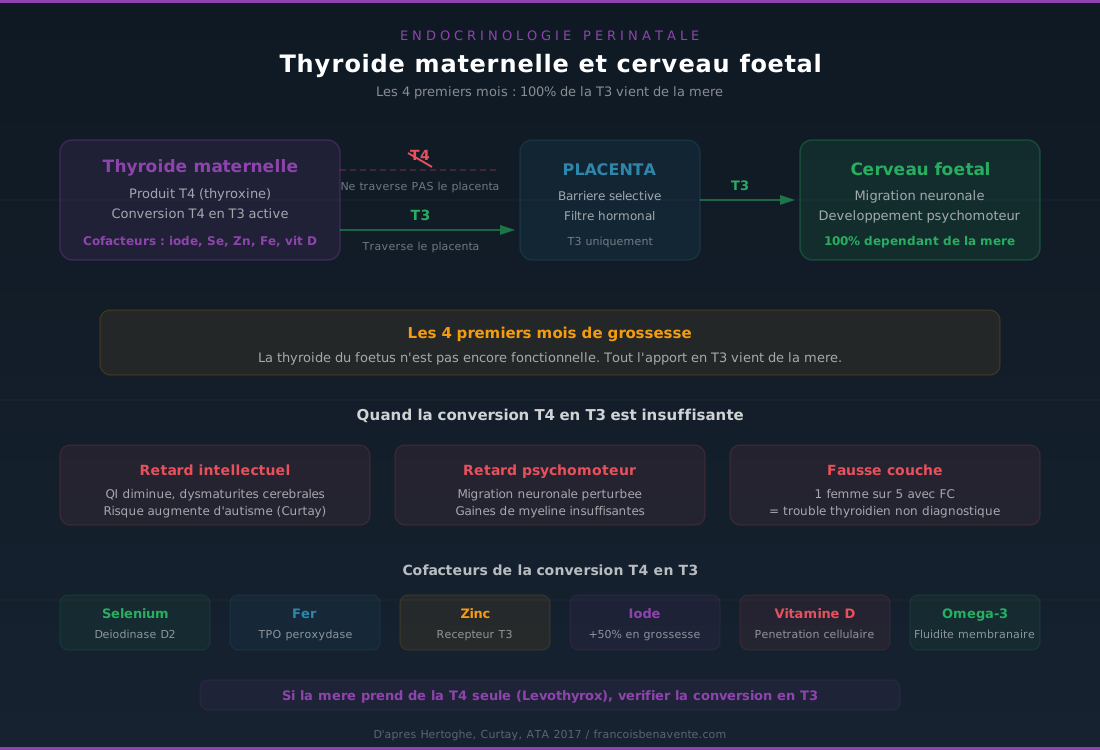
The crucial point that Hertoghe emphasizes in The Hormone Handbook: T4 does not cross the placenta. Only active T3 passes the placental barrier to reach the fetus’s brain. If you are taking Levothyrox (which is synthetic T4), it is essential to verify with your doctor that T4 to T3 conversion is occurring properly. Because if this conversion is insufficient, the fetus will not receive enough T3, even if your TSH is “normal.”
The consequences of maternal T3 deficiency are direct and serious. T3 plays a critical role in neuronal migration and the psychomotor development of the child. A deficit leads to delayed intellectual development, cerebral immaturity, and, according to recent studies cited by Curtay, a significantly increased risk of autism. This is not theory. This is biochemistry. And it is preventable.
T4-T3 conversion: the blind spot
To convert T4 to T3, the body needs specific cofactors. I detailed these seven nutrients in the article on thyroid and micronutrition. But in the context of pregnancy, three of them become critical.
Selenium is the cofactor for deiodinase D2, the enzyme that converts T4 to T3. Selenium deficiency increases the risk of miscarriage, preeclampsia, and gestational diabetes. Iron is necessary for thyroperoxidase (TPO), the enzyme that binds iodine to tyrosine to make thyroid hormones. Yet 95% of women are iron deficient (Hercberg). And zinc is a cofactor for the T3 nuclear receptor: without zinc, T3 cannot penetrate cells to exert its action. 100% of women of childbearing age do not receive recommended zinc intake.
Iodine deserves special attention. Iodine and tyrosine are the “building blocks” of thyroid hormones. The numbers 3 and 4 in T3 and T4 refer to the number of iodine molecules they contain. During pregnancy, iodine needs increase by 50%. Urinary iodine measurement (first morning void) is part of the periconception assessment that I systematically recommend.
Vitamin D allows thyroid hormones to penetrate cells. And omega-3s make cell membranes more fluid, facilitating this same penetration. Two nutrients that are almost universally deficient in the French population.
TSH: the norms that deceive
This is where the problem lies. The American Thyroid Association recommends TSH below 2.5 mIU/L to optimize chances of conception. Yet laboratory ranges go from 0.4 to 4.5. A woman with a TSH of 3.8 is considered “normal.” Her doctor does not bat an eye. And yet, she is above the threshold recommended for fertility.
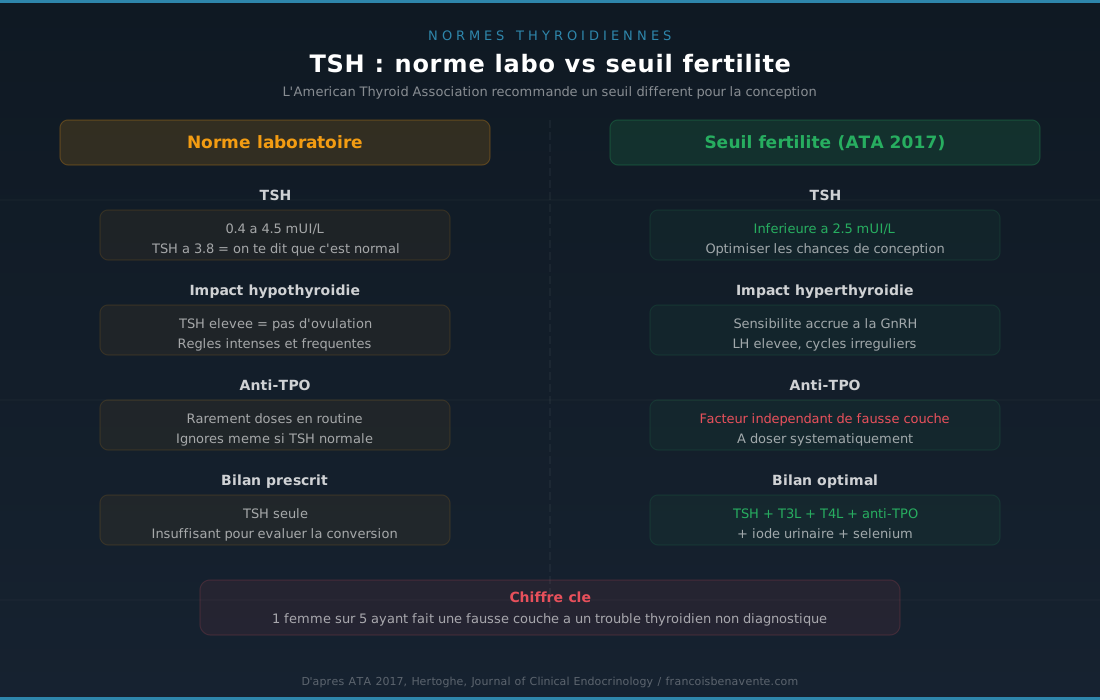
The problem is compounded by the fact that most doctors only prescribe TSH alone. But TSH tells nothing about conversion. A normal TSH can mask a free T3 deficiency, low free T4, or positive anti-TPO antibodies. The complete preconception thyroid panel should include TSH, free T3, free T4, anti-TPO antibodies, and ideally anti-thyroglobulin antibodies. If this lock has not been opened at least six months before conception, you are advancing blindly.
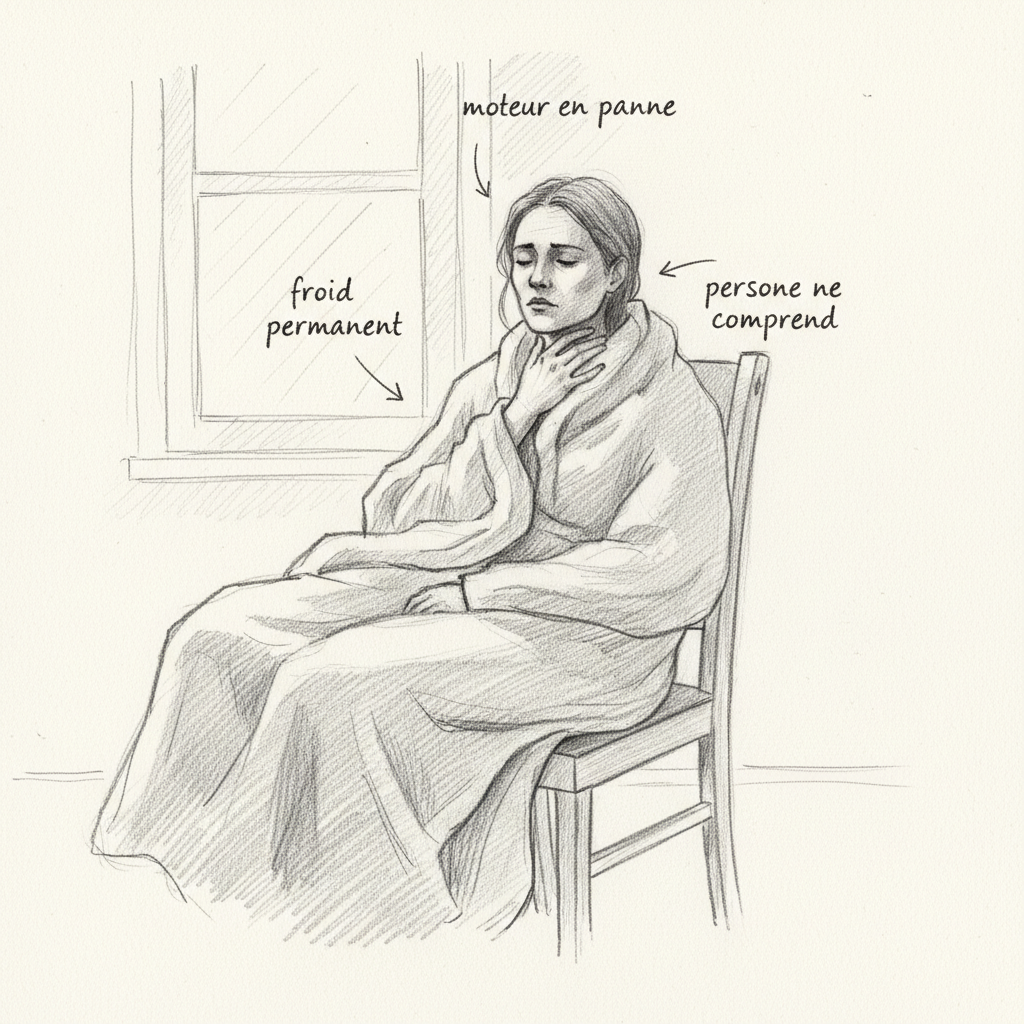
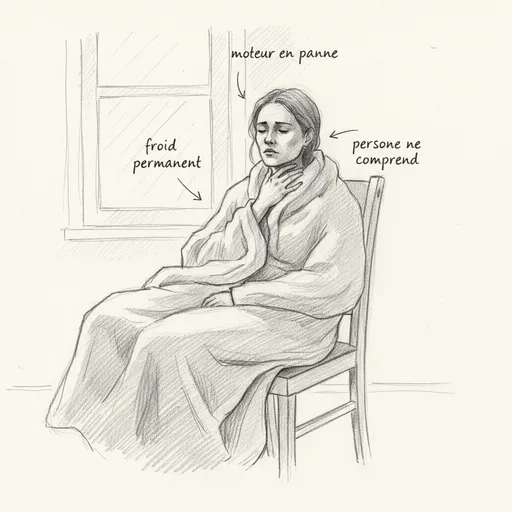
Hertoghe reminds us that laboratory norms are statistical averages calculated on an already deficient population. They reflect the “normality” of a sick society, not a health objective. A study of more than 25,000 hypothyroid patients identified more than 107 symptoms, with the nine main ones: fatigue, sensitivity to cold, weight gain, constipation, dry skin, depression, memory disorders, joint pain, and hair loss. Some of these symptoms are so normalized in women that they trigger no investigation.
Complex profiles: thyroid + PCOS + endometriosis
In consultation, I rarely see simple cases. The thyroid does not function in isolation. It interacts with insulin, estrogen, cortisol, and the immune system. Complex profiles are the rule, not the exception.
PCOS (polycystic ovary syndrome) is the most frequent case. Insulin resistance in PCOS inhibits T4 to T3 conversion. Hypothyroidism slows metabolism and promotes weight gain, which worsens insulin resistance. It is a vicious circle. Both locks must be opened simultaneously: stabilize blood glucose (HOMA, HbA1c) AND optimize thyroid function.
Endometriosis creates relative hyperestrogen that slows thyroid conversion. Excess estrogen increases TBG (thyroxine-binding globulin), the transport protein that “sequesters” T4 in the blood and reduces the free fraction available for conversion. A woman with endometriosis and mild hypothyroidism will see her fertility doubly compromised.
Chronic stress is the third disruptor. Cortisol directly inhibits the thyroid axis and promotes the production of reverse T3 (the inactive form of T3). Pregnenolone theft diverts hormonal raw materials toward cortisol production, at the expense of progesterone, which weakens the luteal phase and implantation.
The preconception thyroid protocol
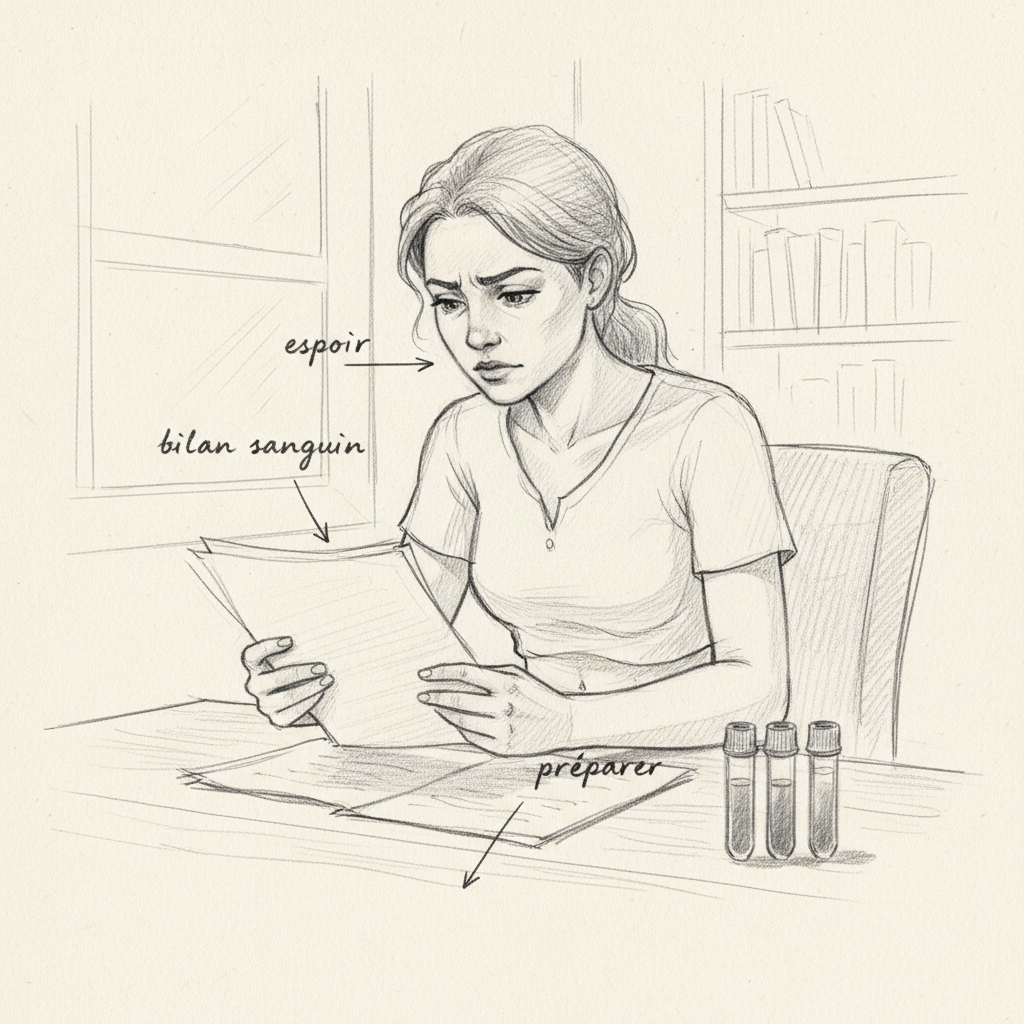
Naturopathic work begins at least six months before conception. The first step is a complete biological assessment: TSH, free T3, free T4, anti-TPO, anti-thyroglobulin, urinary iodine (first morning void), serum selenium, plasma zinc, ferritin, vitamin D. This assessment must be cross-referenced with medical history and symptoms.
The second step is the supply of thyroid cofactors. Food first: wakame and nori seaweed for iodine (with caution in case of Hashimoto), Brazil nuts for selenium (2-3 per day cover needs), oysters and pumpkin seeds for zinc, poultry liver and sardines for iron, fatty fish for omega-3s, and vitamin D. Supplements next, when food is not enough, always in bioactive form: selenomethionine, zinc bisglycinate, iron away from zinc, plant-based vitamin D3.
The third step is intestinal repair, especially in case of positive anti-TPO. Gluten from modern wheat and casein from cow’s milk create molecular mimicry with thyroid proteins (Seignalet). Leaky gut allows these antigenic peptides to pass through, activating the immune system against the thyroid. Without intestinal repair, the cofactor protocol alone will not be enough.
Stress management is the fourth pillar. Heart coherence, gemmotherapy (blackcurrant for the adrenals, fig for the corticotropic axis), moderate physical exercise, and quality sleep are essential to lift the cortisol brake on the thyroid axis.
What naturopathy does not do
Naturopathy does not prescribe Levothyrox. It does not modify an ongoing thyroid treatment. If you are under treatment, any reduction or adjustment is always done with the endocrinologist. The naturopath works on the terrain: he optimizes cofactors, repairs the gut, manages stress, and prepares the body for conception.
If you have a history of miscarriage, painful periods, or unexplained infertility, the first step is a complete thyroid assessment (not just TSH). And if your anti-TPO is positive, read the article on Hashimoto to understand the autoimmune mechanism and the naturopathic approach.
Based in Paris, I offer video consultations throughout France. You can book an appointment for a personalized preconception thyroid assessment.
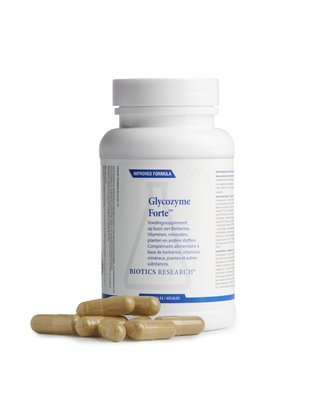
For thyroid supplementation, Sunday Natural offers selenium, zinc, and vitamin D3 of pharmaceutical quality (-10% with code FRANCOIS10). The UNAE pregnancy multivitamin contains all essential thyroid cofactors (-10% with code BENAVENTE10). Find all my partnerships with exclusive promo codes.
Want to assess your status? Take the free Claeys thyroid questionnaire in 2 minutes.
If you want personalized support, you can book a consultation.
To go further
- Preconception assessment: the tests your doctor forgets
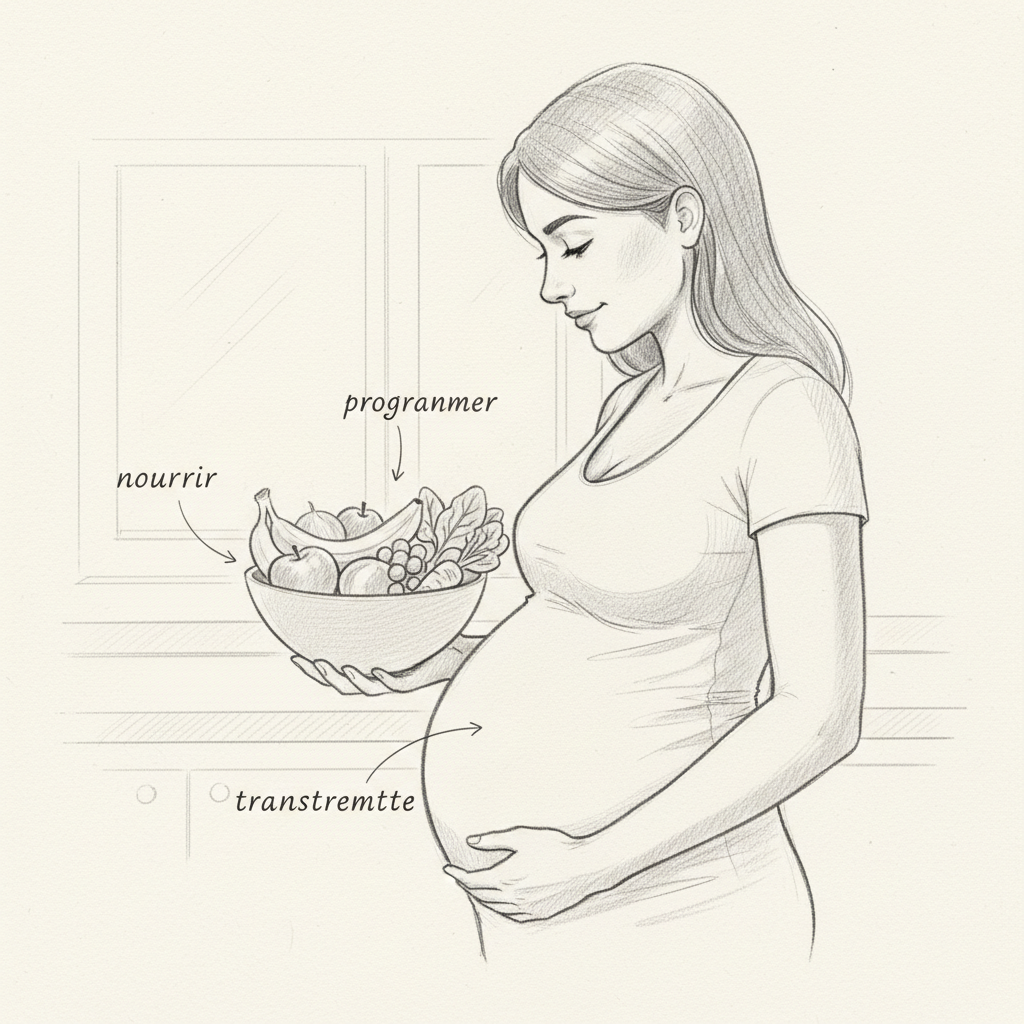
- Diet and pregnancy: what you eat programs your baby
- Basedow and pregnancy: conceiving and carrying safely
- Complete thyroid assessment: why TSH alone is not enough
Sources
- Hertoghe, Thierry. The Hormone Handbook. International Medical Books, 2006.
- Curtay, Jean-Paul. Nutrithérapie. Tome 1. Boiron, 2008.
- American Thyroid Association. « Guidelines of the ATA for the Diagnosis and Management of Thyroid Disease During Pregnancy. » Thyroid 27.3 (2017): 315-389.
- Seignalet, Jean. L’Alimentation ou la Troisième Médecine. 5e éd. François-Xavier de Guibert, 2004.
« Do not let anyone tell you that the problem is in your head if you are experiencing a large part of these symptoms. » Dr Thierry Hertoghe

Laisser un commentaire
Sois le premier à commenter cet article.