His name is Georges, he’s 63 years old, and he came to see me because he forgets words. Not all words. Just the ones he needs when he needs them. His neighbor’s name. The title of the film he saw yesterday. The PIN code for his bank card that he’s known for twenty years. “That’s normal at my age, isn’t it?” That’s the most dangerous question in neurology. Because we confuse normal cognitive aging (slowing of processing speed, difficulty doing two things at once) with the first signs of pathological decline. And because this decline, in the majority of cases, is not a genetic fatality. It’s a terrain, an encumbrance, a nutritional deficit that has lasted for years.
In France, 900,000 people are affected by Alzheimer’s disease. 150,000 by Parkinson’s disease. 100,000 by multiple sclerosis1. Neurodegenerative diseases are in constant increase. And medicine, despite billions invested, still has no curative treatment. Why? Because it’s looking for the drug that will save neurons when the neurons are already dead. The question isn’t how to repair a degenerated brain. It’s how to prevent degeneration by understanding what keeps neurons alive.
“Man should know that it is from the brain, and from the brain alone, that come our pleasures, our joys, our laughter, and also our sorrows, our pains, our griefs and our tears.” Hippocrates
The cells you don’t know about: glia
When we talk about the brain, we talk about neurons. But neurons represent only 10% of brain cells. The remaining 90% are glial cells: astrocytes, oligodendrocytes and microglia2. And these cells are not merely a “cement” of support. They are essential to every second of your cognitive life.
Astrocytes are the most numerous cells in the central nervous system. They fill all interneuronal spaces and perform astonishing functions3. They modulate the composition of the extracellular fluid around neurons, maintaining an optimal ionic environment for nerve transmission. They isolate synapses to prevent neurotransmitters from “leaking” to neighboring synapses, ensuring signal precision. They constitute a major component of the blood-brain barrier (BBB), this ultra-selective frontier that filters what enters and exits the brain. And they directly nourish neurons by providing them with lactate, an alternative energy fuel to glucose.
Oligodendrocytes manufacture myelin, the insulating sheath that wraps axons in the central nervous system4. Myelin is an extremely dense membrane wrapping rich in lipids (cholesterol, phospholipids, galactocerebroside), whose fluidity depends directly on DHA. It creates isolated segments along the axon, interrupted by bare intervals called Nodes of Ranvier. It is at the Nodes of Ranvier that voltage-dependent ion channels concentrate. The nerve signal “jumps” from one node to the next: this is saltatory conduction, which multiplies propagation speed by 100 compared to an unmyelinated axon. Without myelin, thinking speed collapses. Multiple sclerosis is exactly that: an autoimmune destruction of myelin that fragments and slows nerve signals.
Microglia is the immune police of the brain5. These cells patrol continuously, extending and retracting their ramifications to scan the neuronal environment. When they detect a danger signal (injury, infection, misfolded protein), they activate, lose their ramifications and adopt an amoeboid pro-inflammatory form. They secrete cytokines, phagocytose cellular debris, and participate in both the protection and destruction of neurons. This is the microglia paradox: it protects when activation is acute and transient, but it destroys when activation becomes chronic. And in neurodegenerative diseases, chronic activation dominates.
Axonal transport: the logistics of your neurons
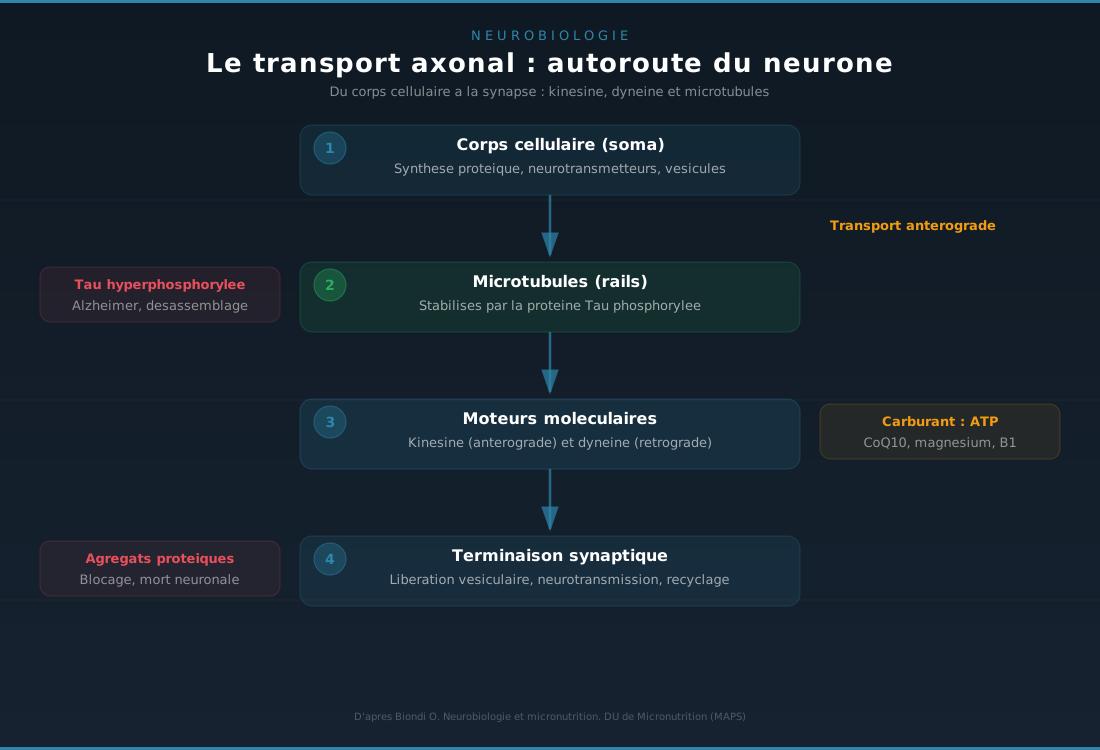
A spinal motor neuron has its cell body (soma) in the spinal cord and its axon descending to the muscles of the foot. One meter long. Yet all proteins, all enzymes, all mitochondria are manufactured in the soma. How do they reach the synaptic terminal, one meter away? Through axonal transport6.
Anterograde transport (from soma to terminals) is provided by motor proteins called kinesins, which “walk” along microtubules by consuming ATP. They transport mitochondria, messenger RNAs, synaptic vesicles and membrane components to the terminal7. Retrograde transport (from terminals to soma) is provided by dyneins. They bring back used mitochondria, neurotrophic factors (BDNF, NGF), lysosomes and survival signals to the cell body.
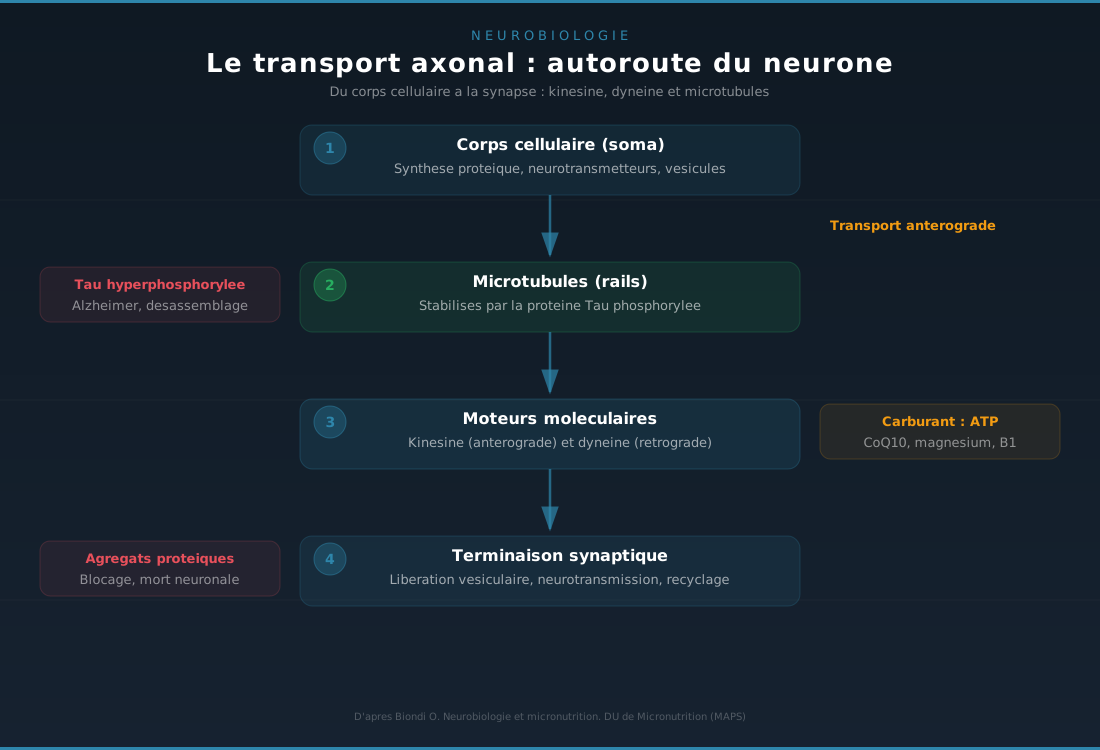
This logistics system is of extraordinary precision. And it is of extraordinary fragility. Microtubules are hollow cylinders of tubulin, stabilized by associated proteins, the most famous of which is the tau protein. In Alzheimer’s disease, tau protein is hyperphosphorylated, detaches from microtubules, aggregates into insoluble clusters called neurofibrillary tangles8. Microtubules, deprived of stabilization, disassemble. Axonal transport collapses. Mitochondria are no longer transported. Neurotransmitter vesicles are no longer transported. The neuron dies, asphyxiated and isolated.
This is not the only mechanism of neurodegeneration linked to axonal transport. In Charcot-Marie-Tooth diseases (CMT), mutations in kinesins (CMT2A) or neurofilaments (CMT2E) directly disrupt transport. In amyotrophic lateral sclerosis (ALS), the SOD1 mutation (superoxide dismutase) impairs both anterograde and retrograde transport9. In all cases, the common denominator is the same: axonal transport depends on mitochondrial ATP and cytoskeleton integrity. Protecting mitochondria and stabilizing microtubules is protecting axonal transport. It’s protecting cognition.
Glutamate, magnesium and the excitotoxicity trap
Glutamate is the most abundant excitatory neurotransmitter in the brain. It is essential for learning, memory and synaptic plasticity. But in excess, it becomes a neuron killer. This is the concept of excitotoxicity, described by Olney in the 1970s10.
The NMDA (N-methyl-D-aspartate) receptor for glutamate is the key receptor in this mechanism. It is a multiligand ionotropic receptor: it requires both glutamate and glycine to open. The channel is cationic: it allows calcium and sodium to pass through11. And this is where magnesium comes in. At rest, a magnesium ion is positioned in the NMDA channel, blocking calcium passage. It’s a protective plug. When depolarization is sufficient (legitimate nerve signal), magnesium is driven out of the channel, calcium enters briefly, activates the signaling cascades necessary for memorization (long-term potentiation, LTP), then magnesium takes its place again.
If magnesium is deficient, the NMDA channel opens too easily. Calcium enters in excess, even in the absence of legitimate nerve signal. This excess calcium activates destructive enzymes: proteases (which digest cytoskeleton proteins), lipases (which destroy membranes), endonucleases (which fragment DNA). The neuron destroys itself from within. This is glutamatergic excitotoxicity, a central mechanism in stroke (ischemia causes massive glutamate release), epilepsy, and neurodegenerative diseases12.
Magnesium is therefore literally a neuroprotector. Its deficiency, endemic in modern diet (depleted soils, refined cereals, chronic stress which increases urinary losses), directly contributes to neuronal vulnerability. The threonate form (magnesium L-threonate) is the only form documented to effectively cross the blood-brain barrier and increase brain magnesium.
The chemical synapse: a precision mechanism
Chemical synaptic transmission is a molecular ballet of stunning precision. The action potential arrives at the axon terminal and opens voltage-dependent calcium channels. Calcium enters the terminal and triggers the fusion of synaptic vesicles with the presynaptic membrane via SNARE complexes (syntaxin, SNAP-25 and synaptobrevin), stabilized by complexin and regulated by calcium via synaptotagmin13. Neurotransmitters are released into the synaptic cleft (20 to 30 nanometers wide), bind to postsynaptic receptors, and trigger a new signal.
This exocytosis process depends on several nutritional factors. Calcium itself, of course. But also membrane fluidity: the fusion of vesicles with the presynaptic membrane requires flexible membranes, rich in DHA. As I explain in the article on omega-3, DHA facilitates the assembly of SNARE complexes and increases exocytosis speed. ATP is necessary for filling vesicles with neurotransmitters (vesicular transporters are ATPases) and for recycling the membrane after exocytosis. And dietary precursors of neurotransmitters (tyrosine for dopamine, tryptophan for serotonin, choline for acetylcholine, glutamate for GABA) determine the amount of neurotransmitter available.
After release, the neurotransmitter is either degraded by enzymes in the synaptic cleft (acetylcholinesterase for acetylcholine, MAO and COMT for catecholamines), or recaptured by the presynaptic neuron via a specific transporter (sodium/chloride antiport), or recaptured by astrocytes14. This recycling is essential for stopping postsynaptic stimulation and for future neurotransmitter availability. SSRIs, as I explain in the article on depression and neurotransmitters, block serotonin reuptake to increase its concentration in the synaptic cleft. But they don’t manufacture serotonin. Without tryptophan, without iron, without B6, the drug is pointless.
Neurodegeneration: what breaks in the brain
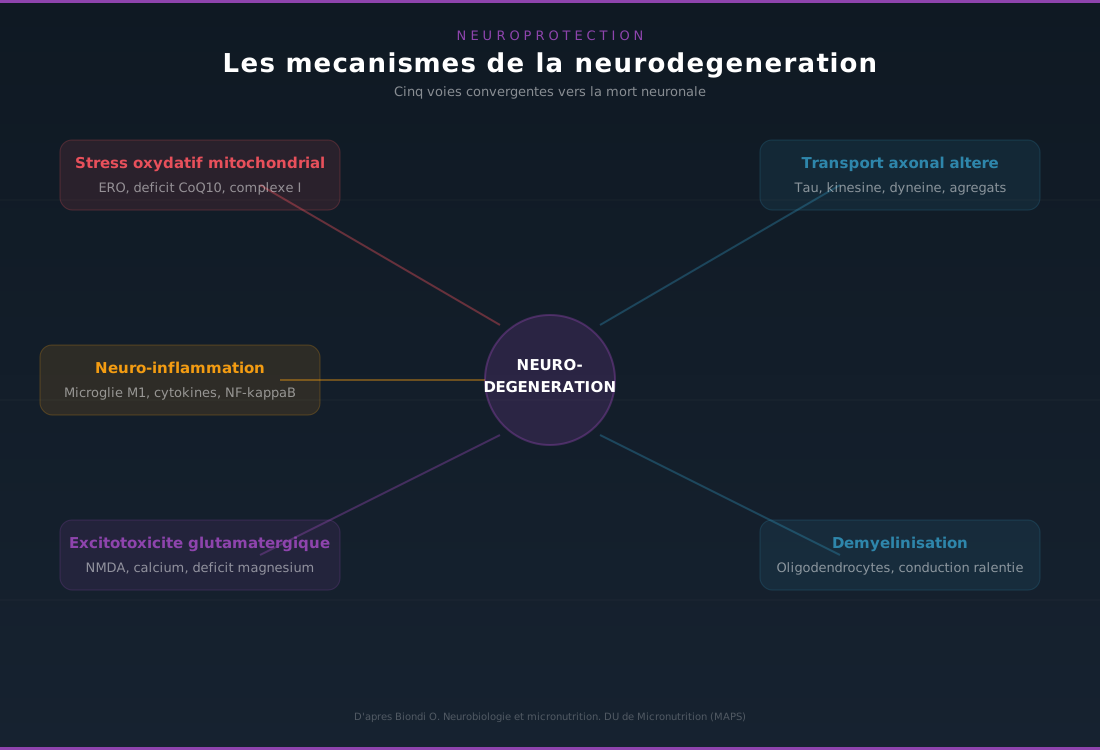
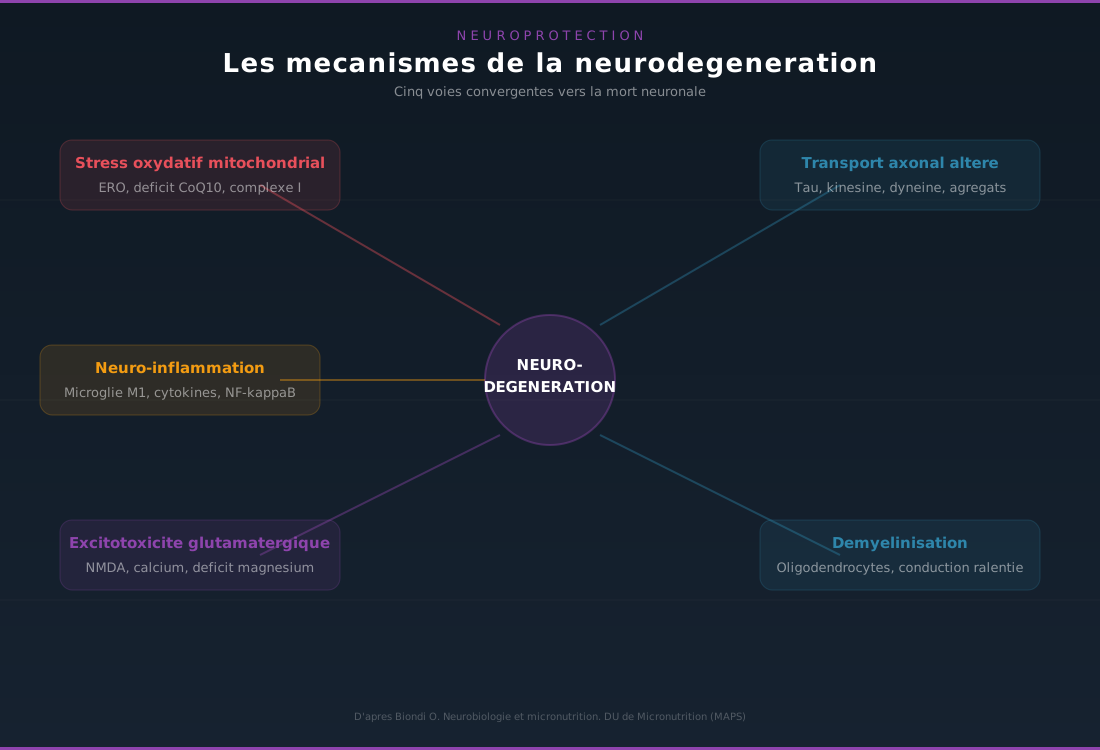
Neurodegenerative diseases are not accidents. They are slow, progressive processes that result from the convergence of several harmful mechanisms on vulnerable terrain. Prof. Biondi, in his neurobiology course at the Micronutrition DU, identifies the same pillars as functional biochemistry15:
Mitochondrial oxidative stress. Neurons are the cells richest in mitochondria after cardiomyocytes. The respiratory chain constantly produces reactive oxygen species that damage mitochondrial DNA, proteins and membrane lipids. Neurons, which barely divide, accumulate these damages over a lifetime. This is why mitochondrial protection (coenzyme Q10, alpha-lipoic acid, B vitamins, magnesium) is a primary prevention issue, as I develop in the article on cellular aging.
Axonal transport dysfunction. Tau aggregation (Alzheimer’s), mutations of kinesins and dyneins (CMT, ALS), neurofilament alterations: all converge toward neuronal isolation, cut off from its supplies and survival signals (neurotrophic factors)16.
Chronic neuroinflammation. Microglia activated in M1 mode, as in depression, produces pro-inflammatory cytokines and free radicals that damage surrounding neurons. In Alzheimer’s, amyloid plaques activate microglia permanently, creating a vicious circle of inflammation-destruction-inflammation.
Glutamatergic excitotoxicity. Excess glutamate or magnesium deficiency opens NMDA channels and lets destructive calcium in. Riluzole, the only drug that slightly slows ALS, works by reducing glutamate release.
Demyelination. Loss of myelin slows nerve conduction and exposes the bare axon to oxidative stress and inflammation. Oligodendrocytes, which manufacture myelin, are themselves vulnerable to oxidative stress (their membrane is very rich in unsaturated lipids).
The nutrients that protect your brain
Prevention of neurodegeneration doesn’t start at 70. It starts now. And it rests on the same pillars as overall health, but with tissue-specific needs of nervous tissue.
Omega-3 DHA is the major structural component of neuronal membranes and myelin. DHA represents 40% of polyunsaturated fatty acids in the cerebral cortex. It ensures membrane fluidity necessary for synaptic exocytosis, receptor mobility and formation of new synapses17. Epidemiological studies show an inverse association between fish consumption and Alzheimer’s disease risk. Three servings of small oily fish per week is a minimum.
Vitamin B12 (cobalamine) is essential for myelin synthesis. Its deficiency causes progressive demyelination manifested by memory problems, paresthesias (tingling), ataxia (balance disorders) and possibly dementia. B12 deficiency is common in elderly people (reduced intestinal absorption, atrophic gastritis, metformin or PPI use), vegetarians and vegans. Serum methylmalonic acid measurement is more sensitive than B12 measurement itself for detecting functional deficiency.
Magnesium protects against glutamatergic excitotoxicity (NMDA channel plug), supports mitochondrial ATP production and participates in the synthesis of all nucleic acids (DNA, RNA). The threonate form is documented for its ability to cross the BBB.
Zinc is a cofactor for more than 300 enzymes, including SOD1 (copper-zinc superoxide dismutase), the key antioxidant enzyme whose mutation is involved in familial forms of ALS18. It modulates NMDA and GABA receptors, protects against excitotoxicity and inflammation. As I detail in the article on zinc, its deficiency silently affects a large portion of the population.
Iron is a cofactor for tyrosine hydroxylase and tryptophan hydroxylase (dopamine and serotonin synthesis), enzymes of the mitochondrial respiratory chain (iron-sulfur centers), and myelination. But free iron is also a powerful pro-oxidant via the Fenton reaction. The brain needs iron, but finely regulated iron. Excess is as dangerous as deficiency, as I develop in the article on anemia.
B vitamins (B1, B2, B3, B5, B6, B9, B12) are cofactors of the mitochondrial respiratory chain, neurotransmitter synthesis, methylation and myelin synthesis. B1 (thiamine) deficiency causes Wernicke-Korsakoff syndrome (confusion, ataxia, amnesia). B6 deficiency causes seizures in infants and peripheral neuropathy in adults. B9/B12 deficiency causes hyperhomocysteinemia, an independent risk factor for dementia and stroke.
Antioxidants (vitamin E, vitamin C, selenium, polyphenols) protect neuronal membranes rich in unsaturated lipids against peroxidation. Vitamin E (alpha-tocopherol) is the major lipid-soluble antioxidant of membranes. Resveratrol activates sirtuins and mitochondrial biogenesis. Curcumin crosses the BBB and inhibits amyloid plaque aggregation in vitro19.
What Georges understood
Georges didn’t have Alzheimer’s. His cognitive tests (MoCA) were 25/30: slight attention decline, no episodic memory trouble. His brain MRI was normal. But his blood work told another story. Homocysteine at 16 µmol/L (B9/B12 deficiency). Ferritin at 280 ng/mL (iron overload, brain pro-oxidant). Vitamin D at 18 ng/mL (inflammatory). Omega-3 index at 3.8% (stiff membranes). Red blood cell magnesium in the lower third of normal.
The protocol was simple. B complex with B12 methylcobalamine and B9 methylfolate (correction of hyperhomocysteinemia). Omega-3 EPA/DHA 3 g per day (membrane reconstruction). Magnesium threonate 1500 mg per day (NMDA neuroprotection). Vitamin D3 4000 IU per day. Phytosomal curcumin 500 mg. No supplemental iron (rather, monitoring of elevated ferritin). Three sardines per week, eggs for breakfast (choline for acetylcholine), daily walnuts and almonds (magnesium, omega-3 ALA, vitamin E), and thirty minutes of brisk walking daily (BDNF, brain neurotrophic factor, increases with aerobic exercise).
At four months, his homocysteine was at 9 µmol/L. His omega-3 index at 7.2%. He no longer searched for words. He had rediscovered the pleasure of reading. And most importantly, he understood that his brain, like a muscle, is nourished, trained and protected. Not with crossword puzzles. With biochemistry.
Naturopathy doesn’t claim to cure Alzheimer’s. No discipline can today. But when 900,000 people are affected and 90% of cases are sporadic (not genetic), when modifiable risk factors (inflammation, oxidative stress, deficiencies, insulin resistance, sedentary lifestyle) are identified and documented, nutritional prevention is no longer optional. It’s a public health emergency. Your brain is the most sophisticated organ in the known universe. It deserves better than a croissant and coffee.
For further reading
- Alzheimer’s: the metabolic disease you can prevent 20 years early
- Acetylcholine: the forgotten neurotransmitter of your memory
- Anemia: understanding root causes and acting naturally
- Micronutrition assessment: the 7 analyses your doctor never prescribes
Footnotes
-
Biondi O. Reminder of neurobiology basics: from neuron to cognitive functions. DU of Micronutrition, Nutrition, Prevention and Health (MAPS). Slide 3: “In France: 900,000 Alzheimer’s, 500,000 epilepsy, 150,000 Parkinson’s, 100,000 multiple sclerosis.” ↩
-
Biondi O. DU of Micronutrition. Slide 6: “Cells of the CNS: neurons and glial cells (astrocytes, oligodendrocytes, microglia).” ↩
-
Biondi O. DU of Micronutrition. Slide 9: “Astrocytes: most numerous cells of the CNS. Modulate extracellular composition, isolate synapses, participate in BBB, nutritive functions of neurons.” ↩
-
Biondi O. DU of Micronutrition. Slides 7-8: “Myelin: very dense membrane wrapping. Fast conduction because saltatory. Nodes of Ranvier: high concentration of ion channels.” ↩
-
Biondi O. DU of Micronutrition. Slide 10: “Microglia: immune cells of the CNS. Pro-inflammatory, phagocytose debris. Participate in neuronal survival and death.” ↩
-
Biondi O. DU of Micronutrition. Slides 20-21: “Anterograde (kinesin) and retrograde (dynein) axonal transport.” ↩
-
Biondi O. DU of Micronutrition. Slide 21: “Anterograde transport: mitochondria, RNA, vesicles. Retrograde transport: mitochondria, RNA, neurotrophic factors, vesicles, lysosomes.” ↩
-
Biondi O. DU of Micronutrition. Slide 22: “Dementias: tau: microtubule stabilization. Alzheimer’s: tau aggregation: neuropathy.” ↩
-
Biondi O. DU of Micronutrition. Slide 22: “ALS1: SOD1, retro/anterograde transport. Sporadic ALS: NF-H, intermediate filaments. CMT2A: KIF1Bb, anterograde transport.” ↩
-
Olney JW. Brain lesions, obesity, and other disturbances in mice treated with monosodium glutamate. Science, 1969;164(3880):719-721. ↩
-
Biondi O. DU of Micronutrition. Slide 35: “NMDA-R: multi-ligands (glycine/glutamate), cationic (calcium/sodium), activity regulated by magnesium ion.” ↩
-
Lipton SA. Failures and successes of NMDA receptor antagonists: molecular basis for the use of open-channel blockers like memantine in the treatment of acute and chronic neurologic insults. NeuroRx, 2004;1(1):101-110. ↩
-
Biondi O. DU of Micronutrition. Slide 20: “Membrane fusion: SNARE complexes (syntaxin, SNAP-25 and synaptobrevin) calcium-dependent (complexin).” ↩
-
Biondi O. DU of Micronutrition. Slide 32: “Immediate recycling by enzymatic lysis and/or active transport at terminal level (sodium/chloride antiport transporter).” ↩
-
Biondi O. DU of Micronutrition. Slides 97-106: presentation of degeneration mechanisms in Parkinson’s and Huntington’s. ↩
-
Biondi O. DU of Micronutrition. Slide 22: complete table of axonal transport dysfunction and associated neurodegenerative diseases. ↩
-
Wurtman RJ et al. Synapse formation is enhanced by oral administration of uridine and DHA. J Nutr Health Aging, 2009;13(3):189-197. ↩
-
Rosen DR et al. Mutations in Cu/Zn superoxide dismutase gene are associated with familial amyotrophic lateral sclerosis. Nature, 1993;362(6415):59-62. ↩
-
Yang F et al. Curcumin inhibits formation of amyloid beta oligomers and fibrils, binds plaques, and reduces amyloid in vivo. J Biol Chem, 2005;280(7):5892-5901. ↩



Laisser un commentaire
Sois le premier à commenter cet article.