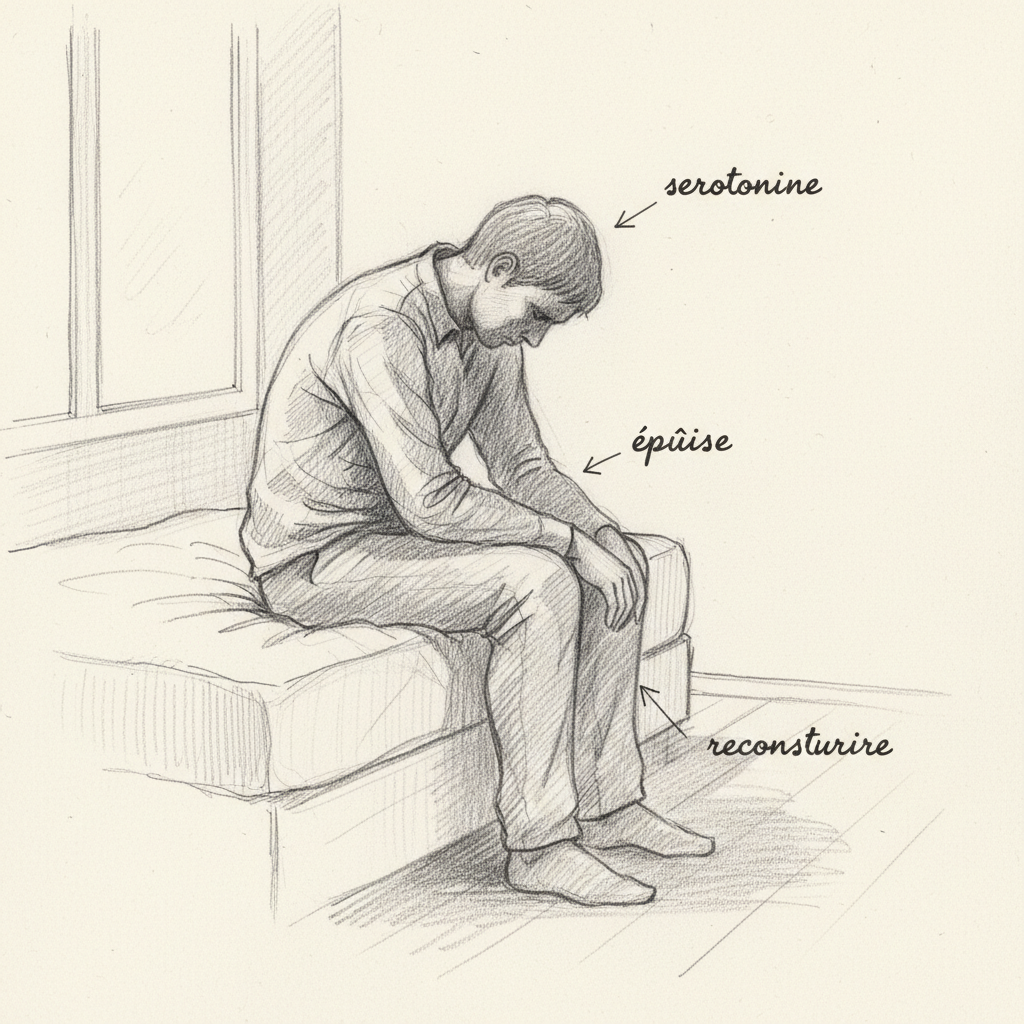
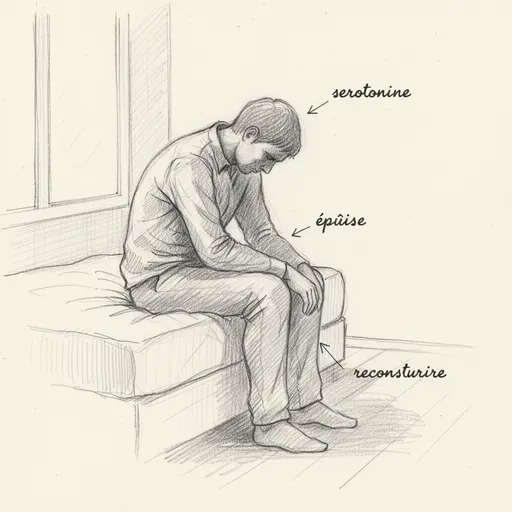
Her name is Claire, she’s 35 years old, and she’s been crying for no reason for four months. Her doctor prescribed her Seroplex (escitalopram) six weeks ago. “I was told to wait three weeks for it to work. It’s been six weeks now and I don’t feel any difference. I still sleep poorly, I have no motivation, and now I’ve gained four kilos on top of everything else.” When I ask her what she eats in the morning, she replies: a coffee, a croissant, an orange juice. When I ask if she has digestive issues, she looks down: “Yes, for years. Bloating, diarrhea, a belly that swells after every meal. But what does that have to do with my depression?” Everything. Absolutely everything.
Depression affects 15 to 20% of adults during their lifetime. It’s the leading cause of disability in the Western world. Twice as many women as men. The diagnostic delay is considerable, with confusion between sadness and permanent depression. Sadness is temporary discomfort. Depression is a disease, defined by precise criteria: a minimum duration of fifteen days and significant intensity1. But the real question isn’t diagnosis. It’s treatment. Because antidepressants from the serotonin reuptake inhibitor (SSRI) family, which have dominated the market for thirty years, are based on an incomplete hypothesis. And brain biochemistry is infinitely more complex than this hypothesis suggests.
“Man should know that joy, pleasure, laughter and entertainment, sorrow, pain, discouragement and tears can only come from the brain. I therefore consider that the brain exercises the greatest power over man.” Hippocrates, The Sacred Disease (4th century BCE)
Your brain: an organ that devours energy
Before talking about neurotransmitters, you need to understand the machine. Your brain represents 2% of your body weight but consumes 25% of circulating glucose (120 grams per day) and 20% of oxygen2. It consumes ten times more energy than any other organ. This energy comes almost exclusively from the mitochondria of neurons, via the Krebs cycle and the respiratory chain. During prolonged fasting, the brain can use ketone bodies produced from lipids, but glucose remains its primary fuel.
The prefrontal cortex, seat of executive functions (planning, decision-making, inhibition, working memory), is particularly sensitive to hypoglycemia. Cognitive performance is directly correlated with blood glucose levels3. Claire’s croissant-orange juice sends a surge of glucose followed by an insulin spike that drops blood sugar two hours later. Her prefrontal cortex runs at half-speed for much of the morning. This isn’t depression. It’s brain malnutrition.
The brain contains two types of cells: neurons (about 10% of cells) and glial cells (about 90%). Glial cells, long considered merely supporting tissue, are actually essential to neuronal activity. Astrocytes nourish neurons, recycle neurotransmitters, regulate the blood-brain barrier. Oligodendrocytes produce the myelin sheath that insulates axons and speeds nerve conduction. And microglia, the brain’s resident macrophages, continuously patrol for danger signals4. In depression, it’s the microglia that goes haywire.
The chemical synapse: where it all happens
The nerve signal propagates along the axon as an electrical action potential. But when it reaches the synaptic terminal, it must cross a space of 20 to 30 nanometers called the synaptic cleft. The electrical impulse cannot directly cross this space. It’s converted into a chemical signal: the synaptic vesicles of the presynaptic neuron fuse with the membrane and release neurotransmitters into the cleft5. These neurotransmitters bind to receptors on the postsynaptic neuron and trigger a new electrical signal. This is the chemical synapse, and it’s the crux of all depression neurobiologythe key point of all depression neurobiology.
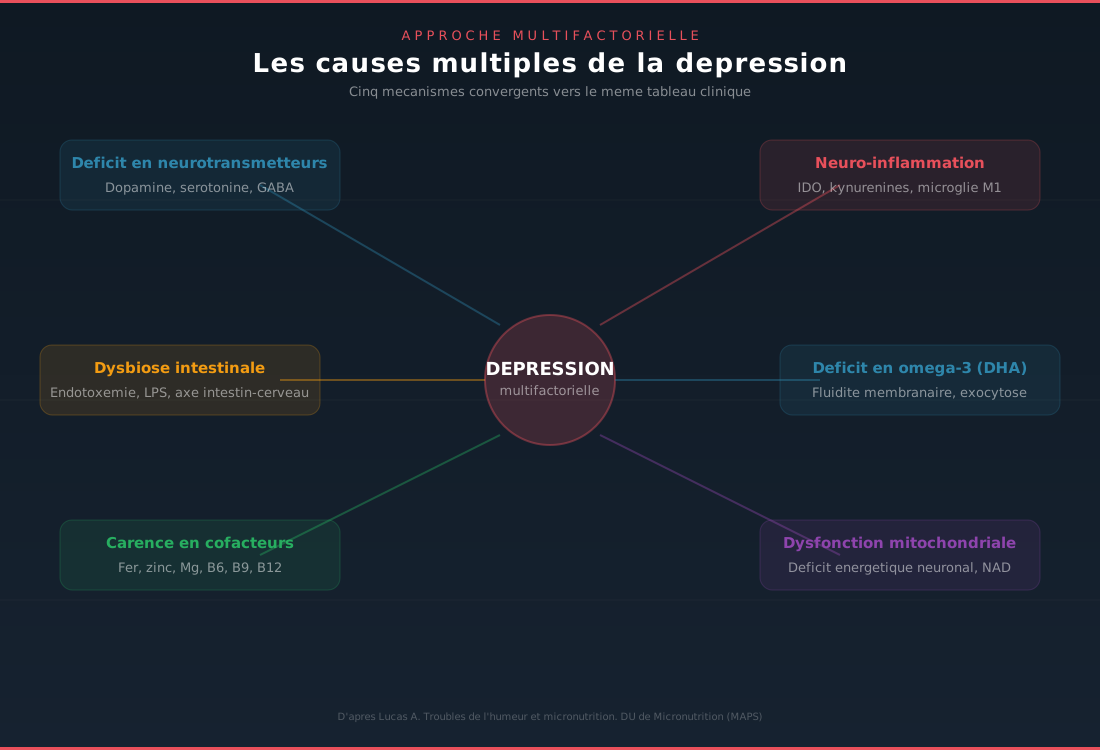
The release of neurotransmitters depends on the fusion of vesicles with the presynaptic membrane, a process that requires optimal membrane fluidity. As I explain in the article on omega-3s and membrane fluidity, DHA (docosahexaenoic acid) is the major structural component of neuronal membranes. Without DHA, exocytosis slows down, neurotransmitters are released less effectively, postsynaptic receptors are less mobile. Depression can literally begin with an omega-3 deficiency.
The neurotransmitter, once released, can have two opposite effects depending on the receptor. If it’s an ionotropic receptor coupled to a sodium channel, it depolarizes the postsynaptic neuron: this is an excitatory effect. If it’s a receptor coupled to a chlorine channel, it hyperpolarizes the neuron: this is an inhibitory effect. The hyperpolarized neuron is harder to stimulate, it’s “braked.” This is exactly what GABA and serotonin do. Metabotropic receptors, meanwhile, are coupled to G proteins and trigger more complex intracellular signaling cascades6.
The four pillars of mood: dopamine, noradrenaline, serotonin, GABA
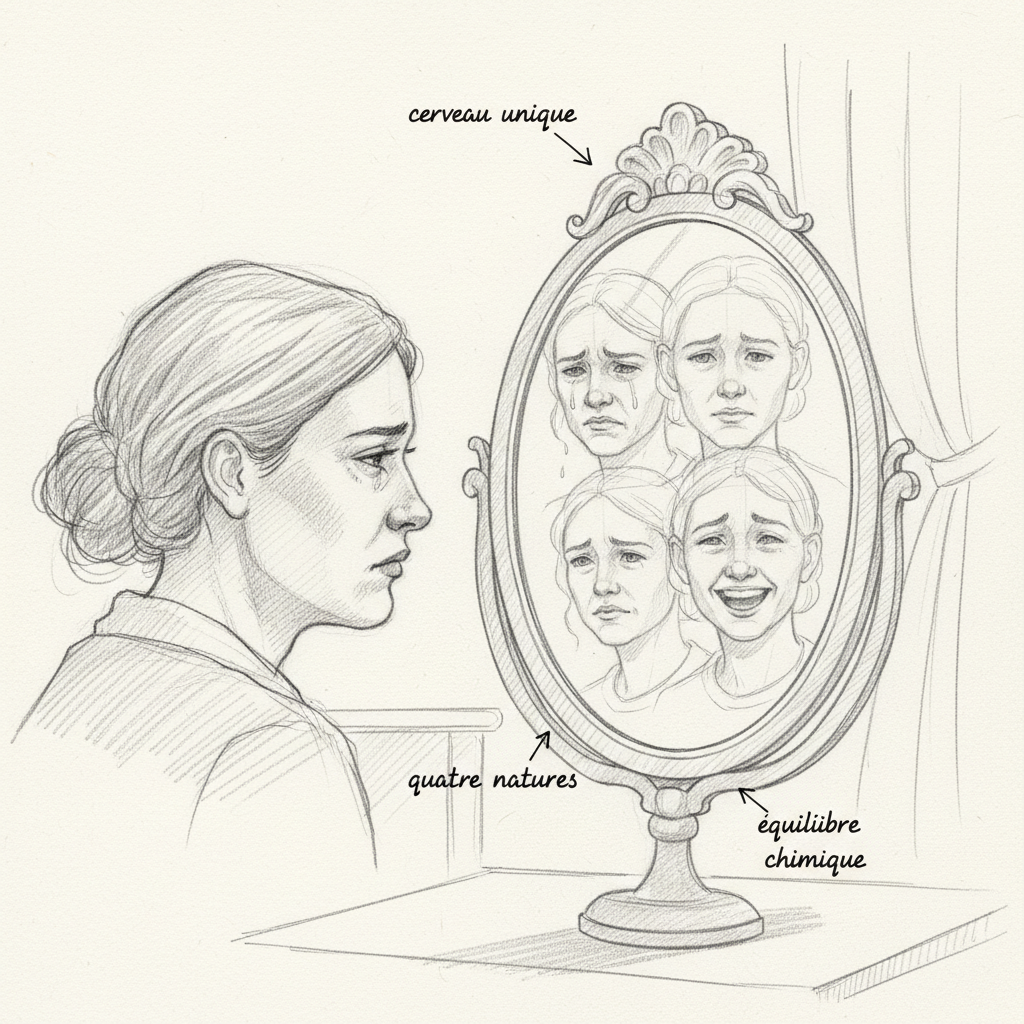
Dr. Anne Lucas, in her course in the Micronutrition postgraduate diploma, emphasizes a fundamental point: there is no single neurotransmitter of depression. Mood results from the balance between several systems that constantly interact. This is the concept of neurobiological homeostasis7. Any neurotransmitter deficiency affects mood, but the profiles differ depending on which system is affected.
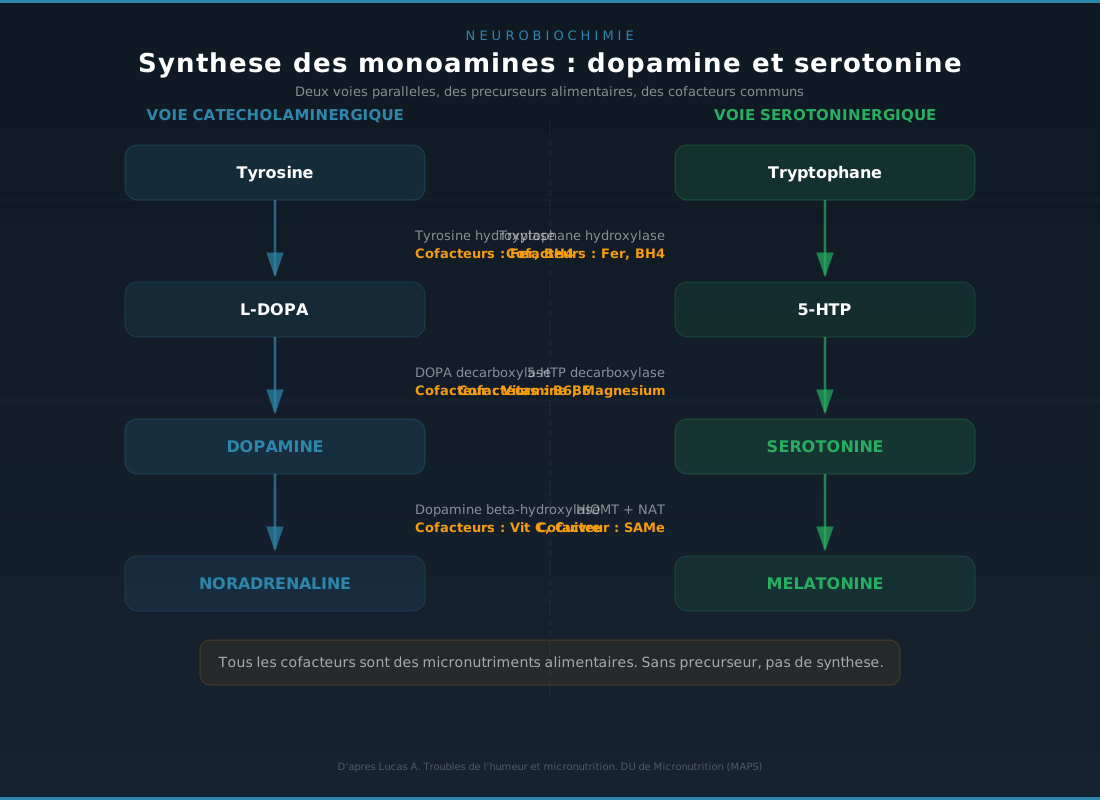
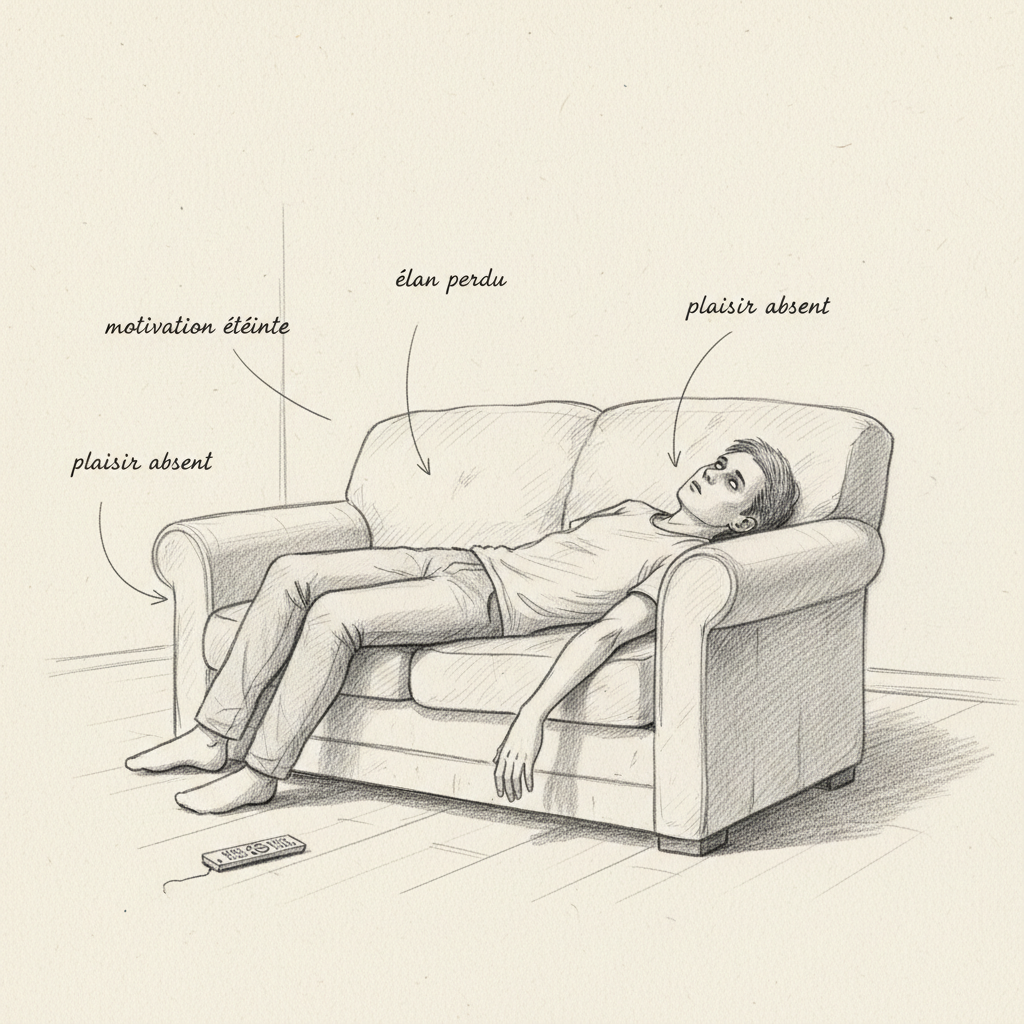
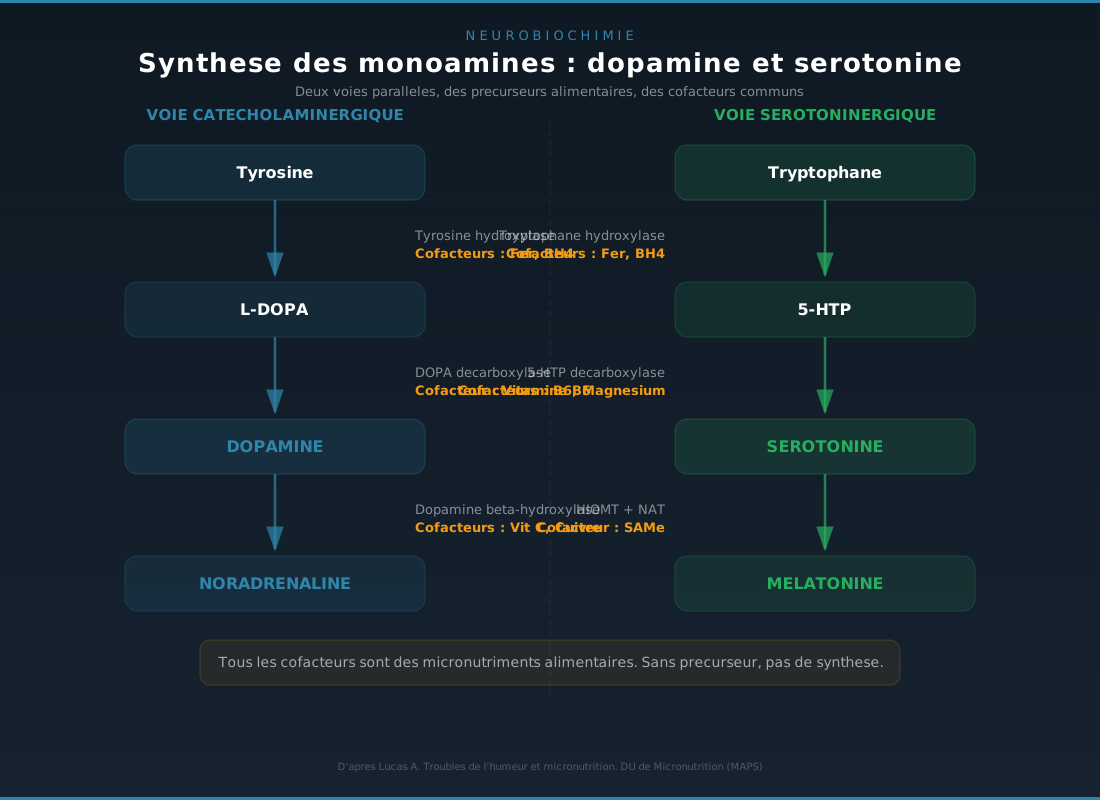
Dopamine is the neurotransmitter of motivation, pleasure, and vital momentum. It’s synthesized from tyrosine (an amino acid derived from phenylalanine), via L-DOPA, thanks to two key enzymes: tyrosine hydroxylase (cofactor: iron, tetrahydrobiopterin) and DOPA decarboxylase (cofactor: vitamin B6)8. A dopamine deficiency manifests as morning fatigue, non-restorative and agitated sleep, need for stimulants (coffee, tea, tobacco), mental slowdown (concentration and memory difficulties), lack of motivation and desire, difficulty feeling pleasure (anhedonia). This is “amotivated” depression, where the patient says: “I don’t want anything anymore.”
Noradrenaline is the neurotransmitter of attention, vigilance, and stress response. It’s synthesized from dopamine, by dopamine beta-hydroxylase (cofactor: vitamin C, copper). A noradrenaline deficiency manifests as depression, moral suffering, slowed functioning, reduced pleasure and desire, decreased libido, memory and learning difficulties, moral fatigue9.
Serotonin (5-hydroxytryptamine, 5-HT) is the neurotransmitter of calm, patience, and impulse control. As I detail in the article on serotonin, it’s synthesized from tryptophan via 5-HTP, with essential cofactors (B6, magnesium, iron, zinc). It’s the “brake” of the nervous system: it allows perspective, “zen attitude,” the ability to tolerate frustrations and limit aggression. By being the precursor of melatonin, it also facilitates sleep10. A serotonin deficiency manifests as irritability, impatience, stress vulnerability, an irresistible attraction to sweets or chocolate late in the day (the brain seeks insulin to pass tryptophan through), sleep onset difficulties, and addictive tendencies (tobacco, alcohol, intense exercise, compulsive shopping).
GABA (gamma-aminobutyric acid) is the most inhibitory neurotransmitter of the central nervous system, present at concentrations 10,000 times higher than monoamines11. It’s synthesized from glutamic acid by glutamate decarboxylase (cofactor: vitamin B6). Twenty to 50% of cortical synapses are GABAergic. GABA opens chlorine channels, hyperpolarizes neurons, decreases overall neuronal activity. It’s the brain’s natural anxiolytic. Benzodiazepines (Lexomil, Xanax, Valium) simply potentiate its effect by increasing chlorine permeability at its receptor. But they have no effect if there’s no GABA. If GABA is deficient, benzodiazepines are ineffective.
Why antidepressants aren’t enough
SSRIs (serotonin reuptake inhibitors) are based on the monoamine hypothesis of depression: serotonin is insufficient in the synaptic cleft, so you block its reuptake to keep it available longer. This is logical reasoning. But it’s incomplete reasoning12.
First limitation: SSRIs only work if there’s serotonin to recycle. If tryptophan doesn’t reach the brain, if the cofactors of tryptophan hydroxylase (iron, tetrahydrobiopterin) and decarboxylase (B6) are deficient, there simply isn’t enough serotonin to prevent from being reuptaken. Blocking the reuptake of an absent molecule is like emptying a bathtub that’s already empty.
Second limitation: the time to effect. SSRIs take three weeks to produce clinical effect. During these three weeks, suicide risk is increased. This delay is explained by the complex mechanism of desensitization of presynaptic autoreceptors, which is much slower than simple reuptake inhibition.
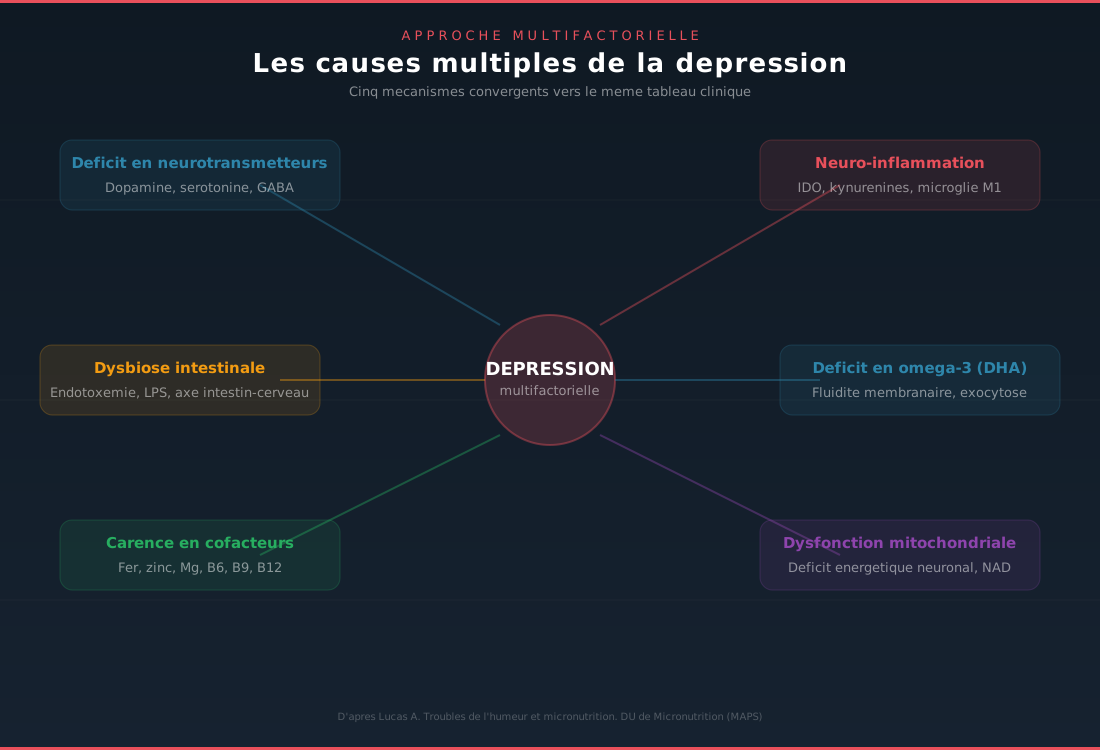
Third limitation, and the most important: the monoamine hypothesis is insufficient. In February 2008, Kirsch’s meta-analysis published in PLOS Medicine confirmed the relative ineffectiveness of SSRIs for treating mild to moderate depression13. This suggests that depression isn’t just a serotonin problem. It’s a multisystem problem involving dopamine, noradrenaline, GABA, inflammation, the microbiota, energy metabolism, methylation, and membrane fatty acids.
Neuronutrition: nourishing the brain at the right time
Neuronutrition is the logical response to this complexity. All neurotransmitters are made from food precursors14. Dopamine and noradrenaline come from tyrosine (animal and plant proteins). Serotonin comes from tryptophan (proteins, especially legumes and nuts). Acetylcholine comes from choline (eggs, lecithin, liver). GABA comes from glutamate (almonds, pumpkin seeds, peas, lentils, parmesan). Without dietary intake of these precursors, there’s no neurotransmitter synthesis. It’s that simple.
But there’s a major biochemical trap: competition between amino acids for passage through the blood-brain barrier (BBB). Tryptophan and tyrosine use the same transporter as branched-chain amino acids (valine, leucine, isoleucine) and other aromatic amino acids (phenylalanine). During a protein-rich meal, tryptophan is minority and crosses the BBB less well than other amino acids. This is why a high-protein meal in the evening can paradoxically decrease brain serotonin synthesis instead of increasing it15.
The solution is chrononutrition applied to neurotransmitters. In the morning, a protein-rich breakfast (eggs, ham, cheese, nuts) provides the tyrosine needed for dopamine and noradrenaline synthesis, the neurotransmitters of wakefulness, motivation, and concentration. This is the “dopamine-friendly” breakfast that Dr. Lucas describes: goodbye to the croissant-orange juice, hello to scrambled eggs with avocado and pumpkin seeds16. Late in the day, complex carbohydrates (whole grains, sweet potato, basmati rice) stimulate insulin secretion, which diverts branched amino acids to peripheral muscles, freeing tryptophan’s passage to the brain. Tryptophan is then converted to serotonin, then to melatonin for the night.
Targeted supplementation completes the dietary approach: L-tyrosine (500 mg to 1 g in one to two doses in the morning) for dopamine, tryptophan (200 to 800 mg split into two doses from mid-afternoon onward) or 5-HTP (Griffonia) for serotonin, alpha-lactalbumin (whey protein rich in tryptophan) which significantly increases the tryptophan/LNAA plasma ratio17.
The brain on fire: when the intestine triggers depression
Here’s the shift classical psychiatry is making: depression is (also) an inflammatory disease. And inflammation often comes from the intestine18.
The mechanism works as follows. Intestinal dysbiosis and intestinal hyperpermeability allow bacterial fragments (LPS, lipopolysaccharides) to pass into the bloodstream. This is metabolic endotoxemia, a permanent low-grade systemic inflammation (LGSI). These LPS activate TLR (Toll-Like Receptors) receptors on circulating monocytes, triggering the NF-kappaB cascade and production of pro-inflammatory cytokines (TNF-alpha, IL-1, IL-6)19.
This systemic inflammation reaches the brain through three pathways: the neural pathway (the vagus nerve, which directly connects the intestine to the brainstem), the humoral pathway (pro-inflammatory cytokines cross the BBB or bypass it via circumventricular organs), and the cellular pathway (activated monocytes migrate to the brain and activate resident microglia). Once microglia is activated in M1 (pro-inflammatory) mode, it produces its own cytokines, creating neuroinflammation that becomes autonomous and self-perpetuating even if peripheral inflammation subsides.
The biochemical consequence is devastating for serotonin. Inflammation activates the IDO enzyme (indoleamine 2,3-dioxygenase), which diverts tryptophan from the serotonin pathway to the kynurenine pathway20. Not only does serotonin production drop, but kynurenines themselves (quinolinic acid in particular) are agonists of the NMDA receptor of glutamate, therefore excitotoxic. The inflamed brain produces less serotonin and more neurotoxins. It’s a double hit. And this is why SSRIs don’t work in inflammatory depressions: blocking serotonin reuptake is useless if tryptophan is diverted toward kynurenine before even being converted to serotonin.
The urinary neurotransmitter biological assessment (BIP) directly measures the kynurenine/tryptophan ratio (KYT). An elevated KYT indicates tryptophan diversion into the IDO pathway, pointing toward investigation and treatment of inflammation, often of intestinal origin21. Treating the intestine means treating the brain. This isn’t a metaphor. It’s biochemistry.
The forgotten cofactors: iron, zinc, magnesium, B vitamins
Neurotransmitter synthesis enzymes don’t function without cofactors. And these cofactors are the same ones most lacking in modern diets22.
Iron is a cofactor of tyrosine hydroxylase and tryptophan hydroxylase, the enzymes that limit the rate of dopamine and serotonin synthesis. Low ferritin (even “normal” below 50 ng/mL) can compromise neurotransmitter synthesis without you being anemic. As I detail in the article on anemia, iron is also essential for oxygen transport to a brain that consumes 20% of your oxygen. The complete iron assessment (CRP, ferritin, transferrin, TSI, and ideally hepcidin) is essential. The optimal transferrin saturation coefficient is 30%. Beyond 40%, you need to rule out hemochromatosis23.
Zinc is a cofactor of B6 (pyridoxal kinase), protects NMDA receptors from glutamate excitotoxicity, and modulates inflammation by inhibiting NF-kappaB. Dr. Lucas recommends 25 to 50 mg per day, between meals for optimal bioavailability. If zinc is poorly tolerated on an empty stomach, take it during meals while doubling the dose. The bisglycinate form is best tolerated24.
Magnesium is a cofactor for over 300 enzymatic reactions, including ATP synthesis in neuronal mitochondria. It blocks NMDA receptors by positioning itself in the channel, protecting the neuron from glutamate excitotoxicity. Latent metabolic acidosis (LMA), frequent with acidifying diets (excess animal proteins, refined cereals, dairy products, sugars), increases urinary magnesium losses. Correcting LMA through an alkalizing dietary pattern (vegetables, fruits, nuts) and supplementing with magnesium bisglycinate (300 to 400 mg per day) are pillars of management25.
Vitamins B9 and B12 are essential for methylation, the biochemical cycle that recycles homocysteine to methionine. Elevated homocysteine (above 10 µmol/L) is an independent marker of depression and a sign of B9, B12, or B6 deficiency26. Methylation is also necessary for synthesis of S-adenosylmethionine (SAMe), the universal donor of methyl groups, which is involved in noradrenaline synthesis (phenylethanolamine N-methyltransferase pathway) and in serotonin and noradrenaline degradation (COMT pathway). A methylation deficiency simultaneously slows both synthesis and degradation of monoamines, disrupting neurobiological homeostasis.
Putting out the fire: the anti-inflammatory strategy
If depression is (also) an inflammatory disease, the therapeutic strategy must include an anti-inflammatory component. Dr. Lucas proposes a multimodal approach27.
Optimize the AA/EPA ratio by increasing omega-3 EPA/DHA intake (small fatty fish three times per week, fish oil supplementation 2 to 3 g per day). EPA is the precursor of E-series resolvins that extinguish neuroinflammation. DHA is the precursor of neuroprotectin D1 which directly protects neurons. Both also act by modulating membrane fluidity and synaptic receptor mobility28.
Provide MAKs (kinase activity modulators) to inhibit NF-kappaB: curcumin (400 to 800 mg per day, in bioavailable phytosomal form or with piperine) and genistein (isoflavone from fermented soy) are the two best-documented MAKs in neuroinflammation.
Limit insulin secretion (hyperinsulinism is pro-inflammatory) by adopting a low glycemic index diet. Insulin resistance is a major aggravating factor of neuroinflammation via the NLRP3/caspase/glucocorticoid resistance pathway.
Optimize vitamin D status (trophic effect on regulatory T lymphocytes that brake excessive immune response). And treat intestinal dysbiosis through the 4R protocol: remove the aggressors, replace deficient secretions, reseed with targeted probiotics, repair the mucosa.
What Claire recovered
Claire’s assessment revealed ferritin at 18 ng/mL (“normal” according to the lab, catastrophic for neurotransmitter synthesis), serum zinc at 0.65 mg/L (low-normal range), homocysteine at 15 µmol/L (methylation deficiency), omega-3 index at 4.1% (membrane deficiency) and elevated kynurenine/tryptophan ratio (inflammatory diversion of tryptophan). Her bloated belly indicated dysbiosis with probable intestinal hyperpermeability.
The protocol lasted four months. Protein-rich breakfast (two eggs, avocado, sourdough bread, pumpkin seeds). Bisglycinate iron 30 mg per day (with vitamin C for absorption). Bisglycinate zinc 25 mg at bedtime. Bisglycinate magnesium 400 mg in the evening. B complex with B9 methylfolate and B12 methylcobalamine. EPA/DHA omega-3 3 g per day. Tryptophan 500 mg at 5pm. Phytosomal curcumin 500 mg at dinner. Multi-strain probiotics for two months. And the instruction I give to all my depressed patients: thirty minutes of brisk walking daily, because physical exercise increases the tryptophan/BCAA ratio at the BBB level, increases BDNF synthesis (Brain-Derived Neurotrophic Factor), stimulates hippocampal neurogenesis and produces endorphins.
At two months, Claire had recovered her sleep. At three months, her motivation. At four months, she said to me a phrase I won’t forget: “I didn’t know my brain was hungry.” With her doctor’s consent, she gradually reduced her SSRI. Her ferritin had risen to 55 ng/mL, her homocysteine to 8 µmol/L, her zinc in the high-normal range. Her belly no longer bloated.
Depression isn’t a Seroplex deficiency. It’s a brain lacking fuel, building blocks, cofactors, and calm. Naturopathy and micronutrition don’t replace psychiatry. But when 15% of the population is affected and SSRIs have limited effectiveness in mild to moderate forms, it’s time to look at what’s on your plate, in your intestine, and in your blood work. The brain is an organ. It feeds itself. It repairs itself. And it responds beautifully when you give it what it needs.
You want to assess your status? Take the free Braverman dopamine test in 2 minutes.
If you want personalized support, you can schedule a consultation.
To go further
- Serotonin: how to make it without antidepressants
- The Braverman method: your brain in 4 neurotransmitters
- Dopamine: when motivation fades without reason
- GABA: the neurotransmitter of calm you lost
You want to assess your status? Take the free serotonin deficiency Braverman questionnaire in 2 minutes.
You want to assess your status? Take the free GABA deficiency Braverman questionnaire in 2 minutes.
Footnotes
-
Lucas A. Mood disorders, depression and micronutrition. Postgraduate diploma in Micronutrition, Nutrition, Prevention and Health (MAPS). Slide 122: “Depression: 15 to 20% of adults. 1st disabling disease in 2020. Diagnostic criteria: minimum 15-day duration, significant intensity.” ↩
-
Lucas A. Postgraduate diploma in Micronutrition. Slide 52: “At rest: 25% of glucose and 20% of oxygen for only 2% of body weight. Consumes 10 times more energy than other organs.” ↩
-
Lucas A. Postgraduate diploma in Micronutrition. Slide 52: “Prefrontal cortex very sensitive to hypoglycemia. Cognitive performance related to blood glucose.” ↩
-
Lucas A. Postgraduate diploma in Micronutrition. Slide 12: “Glial cells: essential to neuronal activity. 3 types: astrocytes, oligodendrocytes, microglia.” ↩
-
Lucas A. Postgraduate diploma in Micronutrition. Slides 36-37: “The chemical synapse: conversion of electrical signal to chemical signal. Release of neurotransmitters into the synaptic cleft.” ↩
-
Lucas A. Postgraduate diploma in Micronutrition. Slides 42 and 46: “Ionotropic receptors (Na/Cl channels) and metabotropic receptors (G proteins, second messengers).” ↩
-
Lucas A. Postgraduate diploma in Micronutrition. Slide 127: “Any neurotransmitter deficiency will have repercussions on mood. There isn’t one neurotransmitter but multiple systems in perpetual interaction: Concept of neurobiological homeostasis.” ↩
-
Lucas A. Postgraduate diploma in Micronutrition. Slide 81: “L-DOPA → dopamine. Enzyme: DOPA decarboxylase. Cofactor: pyridoxal phosphate (vitamin B6).” ↩
-
Lucas A. Postgraduate diploma in Micronutrition. Slide 97: DNS questionnaire for screening noradrenaline deficiency. ↩
-
Lucas A. Postgraduate diploma in Micronutrition. Slide 102: “Serotonin: it’s the brake, the inhibitor. Perspective, zen attitude, calm, patience. Precursor of melatonin.” ↩
-
Lucas A. Postgraduate diploma in Micronutrition. Slide 62: “GABA: most inhibitory neurotransmitter of the CNS. Present at high concentration 10,000 times more than monoamines. 20 to 50% of cortical synapses. Cl channel → hyperpolarization.” ↩
-
Lucas A. Postgraduate diploma in Micronutrition. Slides 131-132: “Antidepressants based on monoamine hypothesis. SSRIs: limited effectiveness, 3-week onset time. Monoamine hypothesis insufficient.” ↩
-
Kirsch I et al. Initial severity and antidepressant benefits: a meta-analysis of data submitted to the Food and Drug Administration. PLoS Med, 2008;5(2):e45. ↩
-
Lucas A. Postgraduate diploma in Micronutrition. Slide 117: “Nutritional origin of neurotransmitters: lecithin → acetylcholine, tyrosine → dopamine/noradrenaline, tryptophan → serotonin.” ↩
-
Lucas A. Postgraduate diploma in Micronutrition. Slide 107: “Competition between amino acids: preferential passage of other amino acids over tryptophan at the BBB. To favor tryptophan passage: carbohydrate-rich meal (diversion of aromatic amino acids by insulin action).” ↩
-
Lucas A. Postgraduate diploma in Micronutrition. Slides 91-92 and 136-137: “Dopamine-friendly breakfast. Optimize dopamine/noradrenaline synthesis in the first part of the day, serotonin/melatonin in the second.” ↩
-
Markus CR et al. Whey protein rich in alpha-lactalbumin increases the ratio of plasma tryptophan to the sum of the other large neutral amino acids and improves cognitive performance in stress-vulnerable subjects. Am J Clin Nutr, 2002;75(6):1051-1056. ↩
-
Lucas A. Postgraduate diploma in Micronutrition. Slide 156: “Main sources of brain inflammation: intestinal ecosystem (dysbiosis, metabolic endotoxemia, leaky gut syndrome, altered gut-brain axis), visceral obesity.” ↩
-
Lucas A. Postgraduate diploma in Micronutrition. Slide 161: “Psychosocial stress → release of catecholamines → monocyte production → contact with DAMPs and PAMPs → TLR activation → NF-kappaB.” ↩
-
Lucas A. Postgraduate diploma in Micronutrition. Slide 116: “Kynurenine/tryptophan ratio: tryptophan diversion into IDO pathway. Look for inflammation often of intestinal origin.” ↩
-
Lucas A. Postgraduate diploma in Micronutrition. Slide 116: BIP neurotransmitter assessment with KYT ratio. ↩
-
Lucas A. Postgraduate diploma in Micronutrition. Slide 221: “Nutrients of an optimal brain: omega-3, cholesterol, amino acid precursors of neurotransmitters, mitochondrial micronutrients, methylation nutrients, anti-inflammatory nutrients.” ↩
-
Lucas A. Postgraduate diploma in Micronutrition. Slide 216: “Iron: cofactor of neurotransmitter synthesis enzymes. Iron assessment: CRP, ferritin, transferrin, TSI optimal 30%. > 40%: rule out hemochromatosis.” ↩
-
Lucas A. Postgraduate diploma in Micronutrition. Slide 211: “Zinc: 25 to 50 mg per day, between meals. If poorly tolerated: during meals, double the dose.” ↩
-
Lucas A. Postgraduate diploma in Micronutrition. Slide 147: “Correct magnesium losses. Look for and correct latent metabolic acidosis (LMA). Alkalizing dietary pattern. PRAL index.” ↩
-
Lucas A. Postgraduate diploma in Micronutrition. Slide 196: “Homocysteine and depression: at the crossroads of two metabolic pathways.” ↩
-
Lucas A. Postgraduate diploma in Micronutrition. Slide 186: “Reduce inflammatory response: optimize AA/EPA ratio, provide MAKs (curcumin, genistein), limit insulin (low GI), optimize vitamin D, optimize omega-3s.” ↩
-
Lucas A. Postgraduate diploma in Micronutrition. Slide 176: “Omega-3 fatty acids and depression: membrane fluidity (exocytosis/receptor mobility), inflammatory response (AA/EPA), inflammation resolution (E and D resolvins), protection (neuroprotectin D and maresin).” ↩
Laisser un commentaire
Sois le premier à commenter cet article.