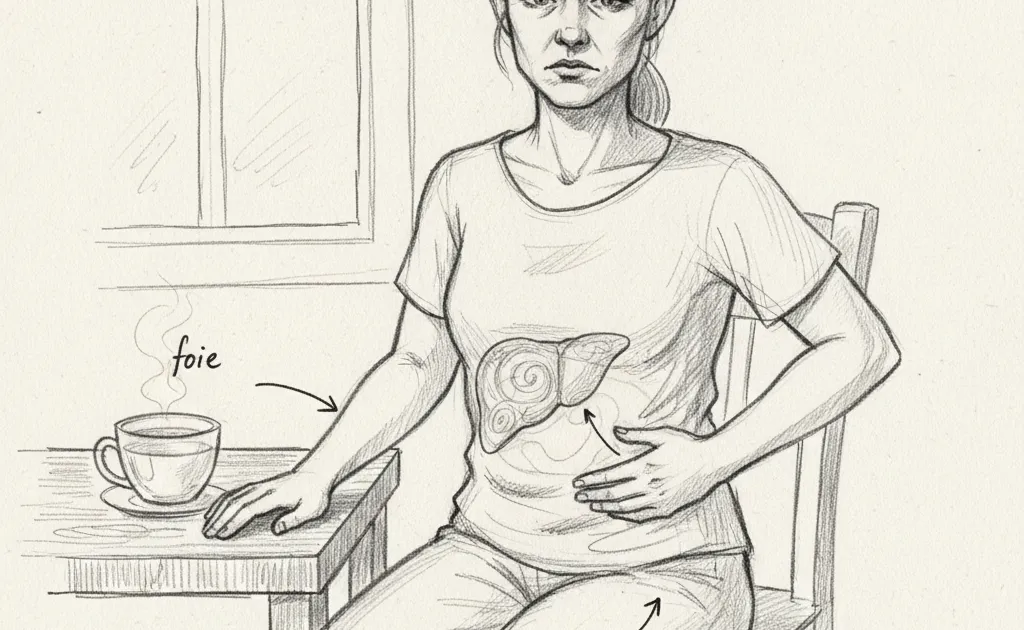
Carole is forty-five years old. She came to see me because she can no longer tolerate perfumes. For two years, the smell of the laundry aisle at the supermarket gives her migraines. Her colleague’s perfume forces her to open the office window in the middle of winter. She can now only tolerate one glass of wine when she used to have two without any problem. The coffee after lunch, which she’d been drinking for twenty years, makes her tremble and prevents her from sleeping. Her doctor did a liver panel : normal transaminases, normal gamma-GT, normal ultrasound of the liver. “Everything is fine.” Except that Carole is exhausted, she has diffuse muscle pain, night sweats, and skin that reacts to the slightest cosmetic product. What her doctor didn’t assess was the functional capacity of her liver to detoxify the xenobiotics she absorbs daily.
“Nearly all diseases are the product of genetic susceptibility and modifiable environmental factors including, in the broadest sense, infections, chemical products as well as nutritional and behavioral factors.” US Office for Genetics and Disease Prevention (CDC)
This CDC statement sums up in a single line what Castronovo has been teaching for decades in nutritional and functional medicine : chronic disease arises from the meeting of vulnerable genetic terrain and a toxic environment. Heraclitus intuited this 450 years before Christ : “The state of health of man is a reflection of the state of health of the earth.” We are immersed in a chemical world that our organism has not had time to learn to manage. Contemporary food is full of toxins and no longer provides the nutrients necessary for their elimination. This is the modern paradox : the more we need to detoxify, the less biochemical means we have to do so.
Why Your Liver Is Overwhelmed
The human body has developed highly complex detoxification systems, with great individual variability (genetic polymorphism), adapted to respond to the environment, lifestyle, and the genetically unique character of each individual. But these systems were designed for a world where toxins were rare, natural, and biodegradable. Not for a world where residues of 43 active substances among 99 pesticides studied are found in young children’s food, according to AFSSA, exceeding the authorized daily allowance.
Toxins are usually hydrophobic. This is a crucial point that Castronovo emphasizes : since they do not dissolve in water, they cannot be eliminated directly in urine. They accumulate essentially in three compartments : body fat, the brain (rich in lipids), and the liver (which intercepts them on the front line). The toxemia that Marchesseau described as the underlying cause of all chronic diseases finds here its biochemical translation : without effective detoxification, toxins accumulate, impair cellular functions, trigger inflammation, and lead to disease.
Symptoms of overwhelmed detoxification capacity are characteristic. Unexplained chronic fatigue. Malaise and diffuse muscle pain. Frequent headaches. Symptoms exacerbated by chemical solvents, perfumes, and smoke. Excessive sensitivity to caffeine and alcohol. Poor resistance to stress or intensive physical activity. Neuropathies and sleep disturbances. Night sweats. If you recognize yourself in this picture, it’s because your detoxification system needs help, not additional burden. Fatigue is one of the great ailments of our time : 60% of French people report being tired, and a significant portion of this fatigue is of toxic origin.
The Intestine : Your First Line of Detoxification
Before even talking about the liver, we must talk about the intestine. The first contact of the organism with most xenobiotics is the gastrointestinal tract. Twenty-five tons of food are processed by the digestive tract during the course of a lifetime, which represents the largest burden of antigens and xenobiotics that your organism encounters. The intestine therefore developed sophisticated detoxification systems long before the liver came into play.
The stomach (pH 1 to 3) is a first site of absorption of weak organic acids in non-ionized and lipid-soluble form. But the greatest absorption of chemical substances occurs in the small intestine (pH 5 to 8), where small lipid-soluble molecules effectively penetrate the organism through passive diffusion. This is where the first line of defense plays out : P-glycoprotein, also called anti-porter activity or Multi Drug Resistance (MDR). It is an energy-dependent pump that extracts xenobiotics outside the intestinal cell, decreasing their intracellular concentration before they even reach circulation. This anti-porter activity is co-regulated with intestinal CYP3A4, a cytochrome P450 that ensures first-pass metabolism of xenobiotics directly in the enterocyte.
But here is the critical point : effective first-pass metabolism of xenobiotics by the intestinal tract requires the integrity of the intestinal barrier. If the mucosal barrier function is compromised, as I explain in the article on the 4R protocol, xenobiotics pass into circulation without having had the opportunity to be detoxified. Leaky gut syndrome forces the liver to handle much larger quantities of toxins, this stress potentially leading to an increased systemic inflammatory state. This is why, in naturopathy, we always start by restoring the intestine before “draining the liver.” Draining an overloaded liver with a porous intestine is like emptying a bathtub while the faucet is running.
Phase I : Cytochrome P450, Functionalization Factory
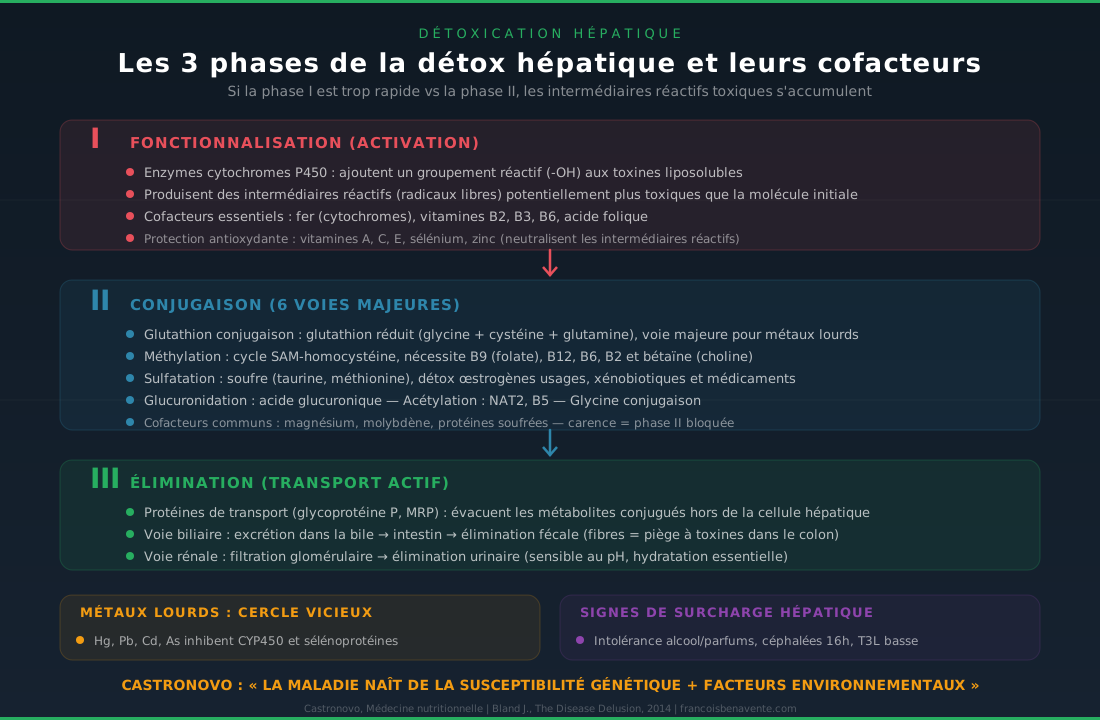
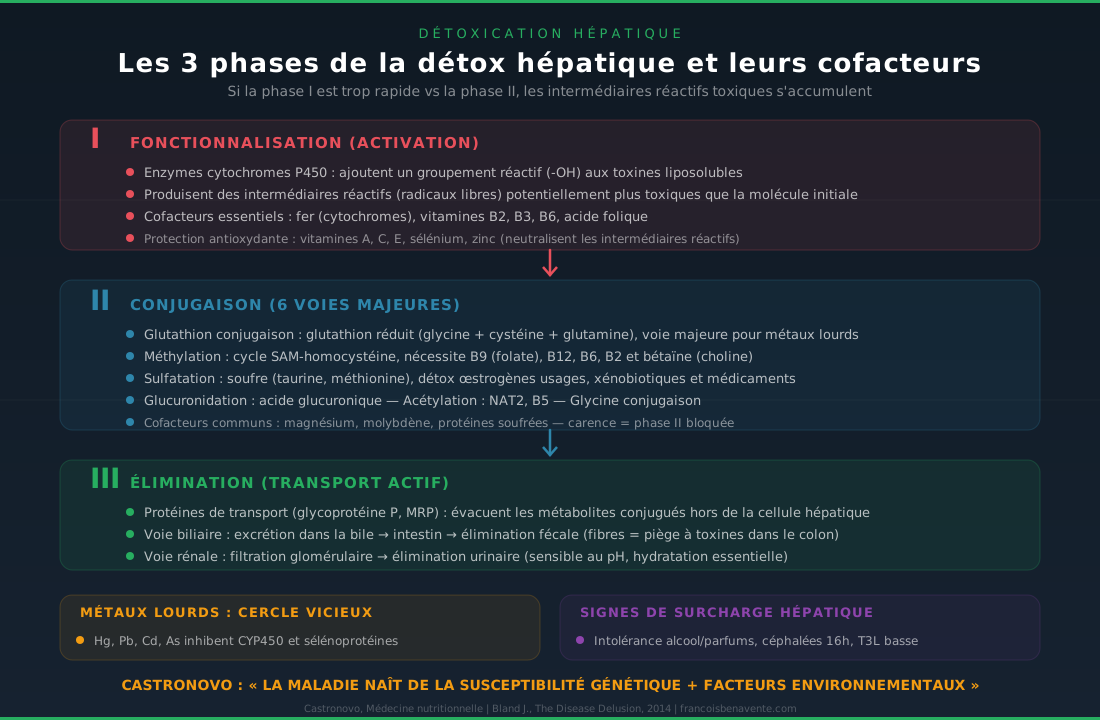
Hepatic detoxification, in the sense of R.T. Williams who laid its foundations in 1947, is a two-step process that transforms lipophilic compounds, impossible to excrete in urine, into water-soluble compounds that can be eliminated. Phase I is functionalization. Cytochrome P450 enzymes, a family of proteins containing iron at their active site (hence the name cytochrome, “colored pigment”), add a reactive functional group to lipid-soluble toxins. Most often, this is a hydroxyl group (OH), which slightly improves the water solubility of the molecule and, above all, creates an attachment site for Phase II conjugation reactions.
Optimal iron quantity is essential for ensuring detoxification, Castronovo reminds us. This is a point I systematically emphasize to patients with anemia or iron deficiency : detoxification is one of the silent functions that collapses when iron reserves are low. Cytochrome P450 enzymes have several essential characteristics to understand. They are inducible proteins : they require a transcription factor, the substrate to be detoxified itself, to activate their production. This means that the body adapts to the toxic load, but within the limits of its nutritional resources. They possess substrate promiscuity : the same enzyme can detoxify related molecules, which explains competitions between drugs and between toxins. And they are subject to significant genetic polymorphism : some people metabolize quickly (fast metabolizers), others slowly (slow metabolizers), which explains why sensitivity to drugs and toxins varies considerably from individual to individual.
Many substances can slow or induce cytochrome P450. Grapefruit inhibits CYP3A4, increasing the blood concentration of many drugs. St. John’s Wort induces it, accelerating their elimination. Tobacco induces CYP1A2, altering caffeine metabolism. These are interactions that naturopaths must know when a patient is taking medications.
Phase II : Conjugation, Key to Elimination
Phase II is conjugation. It consists of adding a water-soluble group to the reactive site created by Phase I, making the toxin truly excretable. Six main conjugation pathways exist : glucuronidation (transfer of glucuronic acid, major pathway), sulfation (transfer of a sulfate group, consumes sulfur), conjugation to glutathione (the “master antioxidant” of the organism, synthesized from glycine, cysteine, and glutamate), conjugation to glycine (simplest amino acid), acetylation, and methylation (which we’ll discuss in detail).
The balance between Phase I and Phase II activities is decisive. This is a fundamental concept that Castronovo illustrates with a diagram I often draw on a board during consultations. If Phase I is too fast relative to Phase II, the reactive intermediates produced by cytochrome P450 accumulate. And these intermediates are often more toxic than the original molecules. They can damage DNA, RNA, and cellular proteins, contributing to accelerated aging and carcinogenesis. This is the detoxification paradox : xenobiotic metabolism can produce toxic molecules if Phase II doesn’t follow.
As demonstrated by Bidlack et al. in 1986 in a seminal study published in Federation Proceedings, a low-calorie, low-protein diet providing low-quality proteins or high in sugar directly affects the components and activities of the detoxification system. Deficiencies in specific vitamins (riboflavin/B2, ascorbic acid/vitamin C, vitamins A and E) and minerals (iron, copper, zinc, and magnesium) impair the functioning of cytochrome P450 and conjugation enzymes. This is why restrictive diets, prolonged unsupervised fasting, and “detox” based on fruit juices are potentially counterproductive : they deprive the liver of the cofactors it needs to work.
Phase III : Excretion and the Role of Urinary pH
Phase III, less well-known, uses transport proteins that promote the elimination of toxins made water-soluble by Phases I and II. These proteins are pH-sensitive. Urinary alkalinization supports urinary elimination of toxins, a principle that Castronovo teaches and that naturopathy has applied since time immemorial by recommending a diet rich in vegetables (alkalinizing) rather than in animal proteins and refined grains (acidifying).
The emunctories, those elimination organs that Marchesseau placed at the heart of his naturopathic detoxification, are the final executors of this Phase III. The digestive system (bile, intestinal transit), the urinary system (kidneys), the respiratory system (lungs), and the skin all participate in the excretion of metabolized toxins. Dysfunction of one emunctory overloads the others. And overload of all emunctories leads to the transition to the reaction phase, that is, the appearance of symptoms : skin eruptions, respiratory congestion, digestive disorders. This is exactly what Marchesseau described in his theory of toxemia: the body tries to eliminate, and when it can no longer do so, it cries out.
Heavy Metals : When the Poison Never Leaves
Heavy metals occupy a special place in toxicology. Unlike organic toxins that can be degraded and eliminated, metals differ from other toxic substances in that they are neither created nor destroyed by humans. They tend to accumulate in soils, seawater, freshwater, and sediments. And in our bodies.
Mercury (dental amalgams, predatory fish), lead (old pipes, paints, batteries), cadmium (tobacco, phosphate fertilizers), arsenic (well water, rice), aluminum (vaccines, deodorants, kitchen utensils) exert their toxicity through three converging mechanisms. First, they mimic and replace other metals at the reaction centers of enzymes, resulting in alteration or even complete inhibition of their activity. Mercury takes selenium’s place in selenoproteins, lead takes calcium’s place in bones and zinc’s place in enzymes. Second, heavy metals are mitochondrial poisons. They block the respiratory chain and ATP production, explaining the profound fatigue and muscle pain that intoxicated patients experience. Third, and this is the most insidious, they inhibit the detoxification enzymes themselves : all cytochrome oxidases, selenoproteins, several kinases, hemoglobin, and myoglobin. It’s a perfect vicious circle : the more the body is intoxicated with heavy metals, the less it can detoxify itself.
Affected by heavy metals, among others, are the same detoxification pathways that should eliminate them. This is why chelation of heavy metals (using chelating agents that compete with biological groups to capture metals and promote their excretion) absolutely requires prior nutritional support. Chelating a patient deficient in essential minerals risks displacing the little zinc, selenium, and iron he has left.
Methylation : The Process Nobody Knows
Methylation is one of the most important biochemical reactions in the organism, and yet almost nobody has heard of it outside of functional medicine professionals. It is the transfer of a methyl group, made up of one carbon atom and three hydrogen atoms (CH3), from one molecule to another. This transfer occurs in a stunning number of biological processes.
It all starts with methionine, an essential amino acid provided by food. When methionine reacts with ATP, it forms SAM (S-Adenosyl Methionine), the universal donor of methyl groups. SAM is involved in the synthesis of creatine (three consecutive methylation reactions from lysine, creatine being the immediate fuel of muscle contraction), of L-carnitine (transporter of fatty acids in the mitochondrion), of phosphatidylcholine (major component of cell membranes and bile), of melatonin (from serotonin, by a methylation reaction catalyzed by SAM), and of estrogen detoxification. This last point is crucial for women’s health : estrogens are hydroxylated to 2-OH-estrogens or 4-OH-estrogens by cytochrome P450. Methylation by SAM transforms 2-OH-estrone into 2-methoxyestrone, an anti-carcinogenic and anti-angiogenic metabolite. If methylation is deficient, estrogens take the 4-OH route, potentially genotoxic.
When SAM gives its methyl group, it transforms into SAH (S-Adenosyl Homocysteine), then into homocysteine. Homocysteine is a metabolic crossroads. If it is not reconverted to methionine (via the folate pathway, requiring B9, B12, and B2, via the MTHFR enzyme) or degraded to cysteine (via the transsulfuration pathway, requiring B6), it accumulates and becomes toxic. Elevated homocysteine is an independent cardiovascular risk factor, a marker of risk for cancer, depression, cognitive deficits, and neural tube defects. Its optimal value is around 7 micromoles per liter.
Methylation is controlled by folic acid (B9), vitamin B6, vitamin B12, vitamin B2, and betaine (derived from choline). The bioavailability of dietary folate varies considerably depending on sources : the highest index is egg yolk (72.2%), followed by veal liver (55.7%), orange juice (21.3%), cabbage (6.0%), bean (4.5%), and lettuce (2.9%). This is a reminder that eating green salads is not enough to meet folate requirements.
The MTHFR Polymorphism : Your Methylation Genetics
The MTHFR enzyme (methylenetetrahydrofolate reductase) is the key enzyme that converts folate into its active form, 5-methyltetrahydrofolate, necessary for reconverting homocysteine to methionine. About 10 to 15% of the Caucasian population carries a homozygous mutation (C677T) that reduces the activity of this enzyme by 70%. These people have constitutionally slowed methylation, higher homocysteine levels, and an increased need for folate in active form (5-MTHF) rather than synthetic folic acid, which they metabolize poorly.
This polymorphism explains part of the individual variability in the face of toxins, drugs, and chronic diseases. As Castronovo points out, detoxification enzymes exhibit significant genetic polymorphism. This is why “the right drug for the right patient” (pharmacogenetics) is the future of medicine, and why two patients exposed to the same toxins don’t develop the same diseases. Naturopathy, with its concept of individual “terrain” inherited from Marchesseau, had intuited this reality long before genomics.
Supporting Detoxification Without Forcing It
“The natural use of emunctories remains the simplest way to eliminate toxins.” Professor Vincent Castronovo
The naturopathic management of detoxification is based on two inseparable axes : reducing the entry of toxins and optimizing their elimination. This is the very philosophy of the spring detox that I recommend each year, but with a biochemical understanding that goes beyond simple “liver drainage.”
Reducing entry begins with organic food. The study cited by Castronovo is striking : the introduction of organic food in children causes the level of organophosphate insecticide residues in urine to drop within days. Eating organic is not a luxury, it’s a measure to reduce direct toxic burden. Purifying your food when organic is not accessible is an alternative. Reducing exposure to endocrine disruptors in the kitchen, to conventional cosmetics, to chemical household products is part of this first line.
Optimizing elimination requires nutritional support for all three phases. For Phase I, ensure sufficient intake of iron (cofactor of cytochrome P450), vitamins B2, B3, B6, and antioxidants (vitamins C, E, beta-carotene) that protect against free radicals generated by oxidation reactions. For Phase II, provide conjugation substrates : glutathione (intake of its precursors glycine, cysteine via N-acétylcystéine at 600 milligrams per day, and glutamine), taurine (500 to 1000 milligrams per day), glycine (2 to 3 grams per day), dietary sulfur (garlic, onion, cruciferous vegetables, egg), molybdenum (cofactor of sulfite oxidase). For methylation, vitamins B9 in the form of 5-MTHF (400 to 800 micrograms per day), B12 in the form of methylcobalamin (500 to 1000 micrograms per day), B6 in the form of P5P (25 to 50 milligrams per day), B2 (25 milligrams per day), and betaine (TMG, 500 to 1500 milligrams per day if homocysteine is elevated). Homocysteine measurement guides supplementation.
Hepatotropic plants have their place in a second phase : milk thistle (silymarin, hepatocyte protector), desmodium (hepatic regenerator), artichoke (choleretic), black radish (biliary stimulant). But they should only be used after securing the intestinal barrier and ensuring cofactor intake. Draining a liver without cofactors is accelerating Phase I without supporting Phase II, and it’s potentially dangerous.
Alkalinization of urinary pH through a diet rich in vegetables and low in excess animal proteins promotes Phase III excretion. Adequate hydration (1.5 to 2 liters of water per day), daily movement (which activates lymphatic circulation and sweating), sauna (skin emunctory), deep breathing (lung emunctory), and regular intestinal transit (at least one formed stool per day) complete the protocol. The intestinal microbiota also plays a role in detoxification : certain bacteria possess beta-glucuronidases that deconjugate toxins in the intestine, putting them back into circulation (enterohepatic cycle). A balanced microbiota limits this toxic recycling.
When to Consult and Limits of the Natural Approach
Detoxification is a physiological process, not a product to buy at the pharmacy. But certain situations exceed the naturopathic framework. Acute heavy metal poisoning requires supervised medical chelation (DMSA, EDTA). Advanced NASH (non-alcoholic fatty liver disease) requires hepatological monitoring. Chronically elevated transaminases must be explored medically before any drainage. And patients on heavy medication (chemotherapy, antiepileptics, immunosuppressants) should never modify their detoxification protocol without their doctor’s agreement, as interactions between cytochrome P450 modulators and drugs can be dangerous.
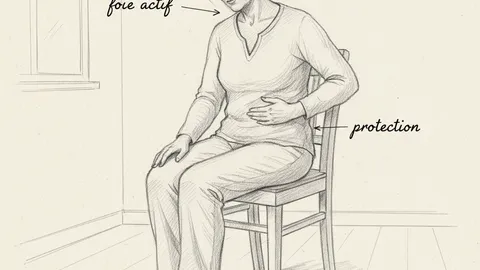
Naturopathy excels in managing low-grade chronic toxic overload, the kind that doesn’t show up in standard liver panels but expresses itself through that fatigue, those pains, that chemical hypersensitivity that Carole knows so well. This is the terrain of naturopathy par excellence : supporting physiological functions rather than forcing them, nourishing enzymes rather than medicating them, respecting the body’s rhythm rather than rushing it.
Carole, after four months of protocol (intestinal restoration, support of Phases I and II, correction of B12 deficiency and heterozygous MTHFR, elimination of conventional cosmetics, organic food), again tolerates a morning coffee and her colleague’s perfumes. She sleeps without sweating. Her muscle pain has decreased by half. Her homocysteine went from 14 to 8 micromoles per liter. She took no medication. She simply gave her liver the tools to do its job.
And you, do you know your homocysteine level ? Have you ever assessed your tolerance to xenobiotics ? It might be the key that nobody has offered you yet.
Want to assess your status ? Take the free colloidal toxemia questionnaire in 2 minutes.
Learn More
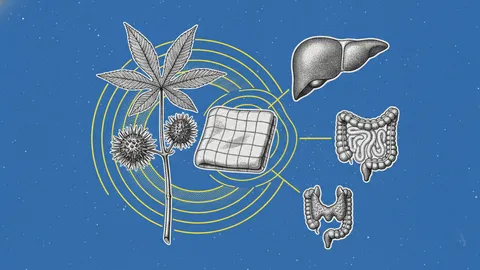
- Castor Oil Poultice : Liver, Thyroid and Intestine in One Gesture
- Menopause and Estrogens : The Hepatic Detoxification That Nobody Explains to You
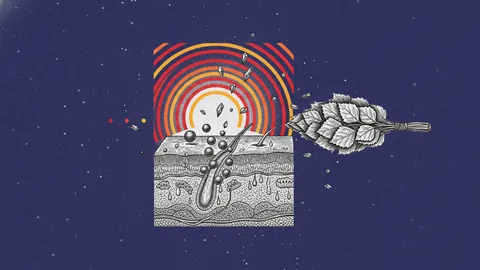
- Infrared Sauna : Deep Detox, Thyroid and Stress Management
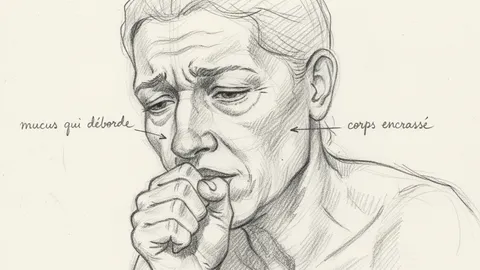
- Colloidal Toxemia : When Mucus, Phlegm and Lipids Clog Your Body
Sources
Castronovo V. Detoxification and Methylation. Course in Nutritional and Functional Medicine, Brussels.
Bidlack WR, Brown RC, Mohan C. Nutritional parameters that alter hepatic drug metabolism, conjugation, and toxicity. Fed Proc. 1986 ;45(2):142-148.
Williams RT. Detoxication Mechanisms : The Metabolism and Detoxication of Drugs, Toxic Substances and Other Organic Compounds. London : Chapman and Hall, 1947.
Schmith VD, Campbell DA, Sehgal S, et al. Pharmacogenetics and disease genetics of complex diseases. Cell Mol Life Sci. 2003 ;60(8):1636-1646. doi:10.1007/s00018-003-3103-8
Seignalet J. Food or the Third Medicine. Paris : François-Xavier de Guibert Editions, 5th edition, 2004.
Marchesseau PV. Toxemia, the Underlying Cause of Diseases. Villebon-sur-Yvette : Éditions de la vie claire.
Laisser un commentaire
Sois le premier à commenter cet article.
Les commentaires ne se chargent pas pour le moment. Réessaie dans quelques minutes.