You’ve been taking marine magnesium for three months. In the evening, you swallow your two capsules with a glass of water, just as the box says. You read on Instagram that magnesium is the solution to stress, cramps, insomnia. Three months later : nothing has changed. The cramps are still there. Sleep is still fragmented. Your eyelid keeps twitching. And you tell yourself that magnesium is just marketing.
No. Magnesium is not marketing. Your marine magnesium, on the other hand, is a biochemical scam. The magnesium oxide it contains has a bioavailability of 4 to 5%1. Four percent. Of the 300 mg you swallow, 12 mg reach your cells. The rest ends up in your toilet. Nobody explained to you that the form, the dosage, the timing, and especially the cofactors determine everything. And nobody explained to you why you’re losing your magnesium constantly, before even talking about what you’re swallowing.
« Current average diet provides approximately 120 mg of magnesium per 1000 kilocalories. A woman who consumes 1700 kilocalories per day therefore receives 204 mg of magnesium. The recommended nutritional intake is 360 to 420 mg. The deficit is structural. » Dr Anne Lucas, PharmD, DU MAPS 2020, course #33 “The Metal Man, the Mineral Man”
This course opened my eyes. Not because I didn’t know that French people lacked magnesium. But because Dr Lucas laid out the numbers, one by one, with the rigor of a pharmacist and the clarity of a teacher who wants people to understand. And when you understand these numbers, you understand why three out of four French people are deficient. It’s not an accident. It’s a mathematical consequence of our modern diet.
Magnesium is the fourth most abundant mineral in the human body. It is a cofactor for more than 300 enzymatic reactions2. Three hundred. When a single mineral participates in three hundred reactions, that means its deficiency doesn’t manifest as a single symptom, but as a constellation of symptoms. That’s why magnesium flies under the radar : its deficit signs are so varied that you never make the connection. It plays a role in cellular energy production, protein synthesis, DNA replication, nerve transmission, muscle contraction, and blood sugar regulation. It modulates the immune system, participates in the synthesis of serotonin and melatonin, and stabilizes cell membranes. Robert Masson, in his Dietetics of Experience, classified magnesium among “minerals of structure and function,” those whose deficiency doesn’t cause a specific disease but a progressive collapse of the terrain. Marchesseau would have spoken of toxemia from enzymatic catalysis insufficiency. The vocabulary changes, the finding remains the same : without magnesium, nothing runs smoothly.
The causes of magnesium deficiency
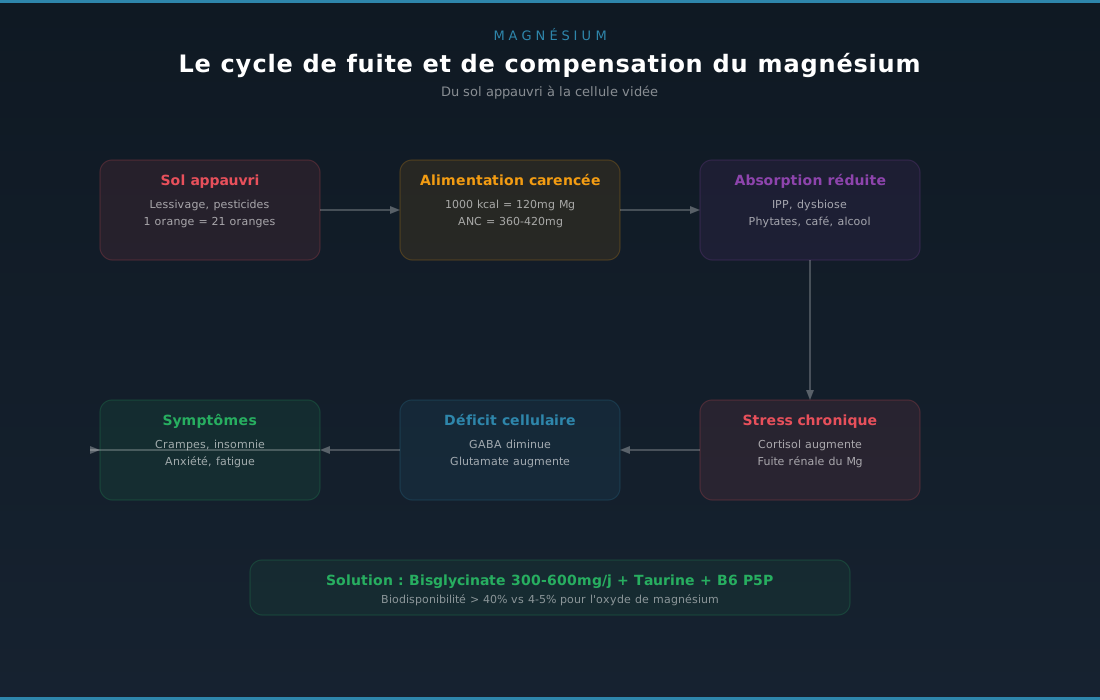
Magnesium deficiency is not an individual accident. It’s a structural, arithmetic problem that Dr Anne Lucas detailed with surgical precision in course #33 of the DU MAPS. The ESVITAF study shows that more than 80% of women and more than 60% of men have magnesium intakes below recommendations3. The Val-de-Marne study, even more detailed, reveals that more than 80% of women aged 18 to 50 and more than 90% of women over 50 are magnesium deficient. The calculation is simple : 1000 kilocalories of current food provides approximately 120 mg of magnesium. A woman whose caloric intake is around 1700 kcal/day therefore receives 204 mg. The recommended dietary allowances are 360 mg for a woman and 420 mg for a man. The daily deficit is on the order of 150 to 200 mg. Multiplied by 365 days per year, multiplied by years, this gives intracellular reserves that collapse silently.
Dr Lucas detailed seven factors that explain why modern food no longer meets our needs. The first is soil depletion. Intensive agriculture has depleted soils of minerals for decades. An article published in the British Food Journal showed that the magnesium content of vegetables dropped 24% between 1940 and 20024. The second factor is leaching. Chemical fertilizers, by altering the ionic balance of soils, accelerate magnesium lixiviation. Acid rain does the rest. Magnesium, being very soluble, is the first mineral to disappear from arable layers. The third is the massive use of pesticides and herbicides, which disrupt soil microbial life. Mycorrhizae, these symbiotic fungi that help plant roots capture minerals, are decimated by glyphosate. Result : the plant grows, but it is mineralogically depleted.
The fourth factor is premature ripening. Fruits and vegetables are harvested before maturity to withstand transport and storage. But it’s in the last days of ripening that the plant concentrates its minerals. A fruit picked green doesn’t really ripen on the shelf, it softens. It’s not the same thing. The fifth factor is refining. White flour has lost 80% of its magnesium compared to whole flour. White rice, 83%. White sugar, 99%. Each step of industrial processing removes magnesium. It’s a systematic impoverishment that Marchesseau was already denouncing in his bromatology : refined food is dead food. The sixth factor is cooking. High-temperature cooking destroys some enzymatic cofactors and magnesium dissolves in cooking water. Gentle steam cooking preserves minerals much better than boiling water, which is why I systematically recommend switching to healthy kitchen equipment and gentle cooking techniques. The seventh factor is peeling and food additives. Peeling removes the part richest in minerals (vegetable skins). And certain food additives (phosphates, polyphosphates) chelate magnesium in the digestive tract and render it unavailable.
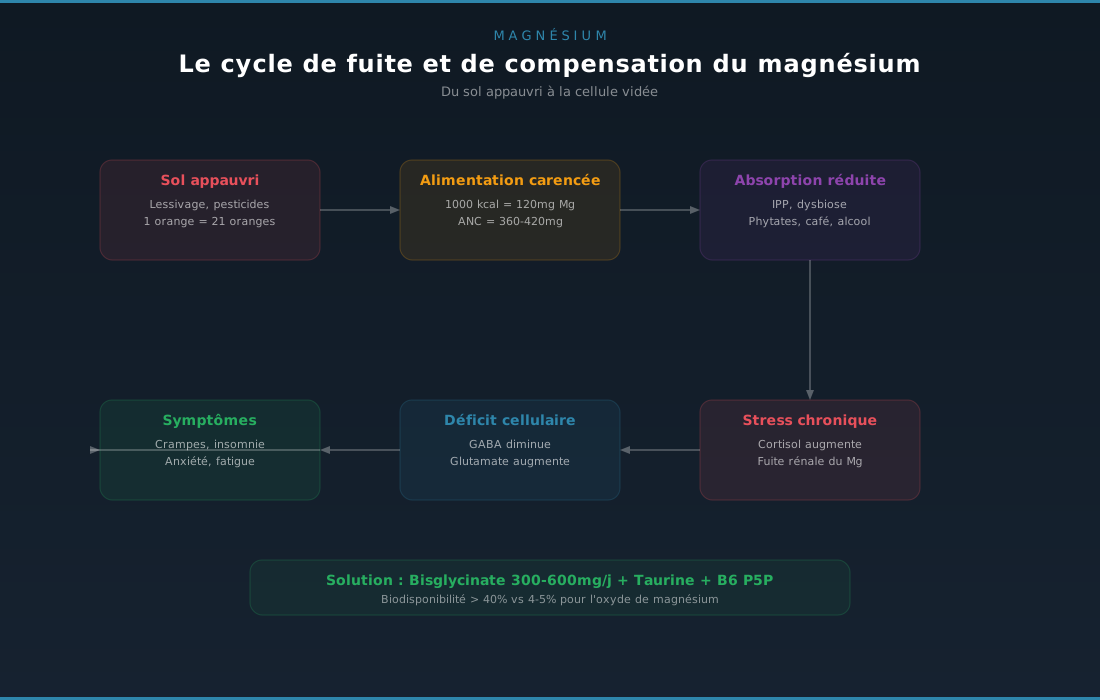
And then there’s the most insidious mechanism of all : the stress-magnesium circle. It’s probably the mechanism I explain most often in consultations, and it’s the one that resonates most with my patients. When you’re stressed, your hypothalamic-pituitary-adrenal axis activates and releases cortisol. Cortisol increases renal excretion of magnesium5. You lose magnesium in your urine with each stress episode. The more stressed you are, the more you lose your magnesium. But the reverse is equally true. When your intracellular magnesium drops, the threshold for triggering your stress response lowers. GABA, your calming neurotransmitter, needs magnesium to bind properly to its GABA-A receptor. Without magnesium, GABA is less effective, and glutamate (excitatory neurotransmitter) takes over. You become hyperreactive, irritable, anxious. Noise bothers you. Children exhaust you. The slightest annoyance takes on disproportionate proportions. And this additional stress makes you lose even more magnesium.
Jean-Paul Curtay calls this the “magnesium-stress circle” and considers it one of the central mechanisms of modern chronic fatigue. And he’s right. In consultations, when a patient describes progressive irritability, noise intolerance, nighttime cramps, and fragmented sleep, I think magnesium first. In eight out of ten cases, correction of magnesium alone (with the right cofactors, in the right form) is enough to break the circle in three to four weeks.
Dr Lucas summarized all this in one sentence : “Before even talking about supplementation, you need to understand that modern food is a half-empty vehicle.” I noted this sentence word for word. It sums up fifty years of dietary decline. And this magnesium deficiency doesn’t live alone. It’s part of a cascade of deficiencies that amplify each other mutually. Surveys show that 80% of the population is deficient in zinc, 40% in folates (B9), 60% in vitamin B1. Magnesium deficiency worsens calcium deficiency, and vitamin D deficiency in turn worsens calcium and magnesium deficiency. It’s a vicious mineral circle that nobody corrects because nobody sees it in its entirety.
The symptoms of deficiency
The beauty of naturopathic semiology is that it allows you to suspect a deficiency before any blood test. And for magnesium, this is all the more important since standard blood testing (serum magnesium) is a poor marker. Only 1% of body magnesium circulates in the blood. The rest is intracellular (bones, muscles, soft tissues). You can have a “normal” serum magnesium level and be profoundly deficient at the cellular level.
Muscle cramps are the most well-known sign. The calf that contracts violently at night. The sole of the foot that stiffens. But there are more subtle signs. The eyelid twitch (palpebral fasciculations) is a very reliable indicator of magnesium deficiency. Chronic constipation is a warning sign I take very seriously : magnesium is necessary for colon motility, and its deficiency slows transit. Irritability and noise sensitivity reflect the GABA/glutamate imbalance mentioned in the stress-magnesium circle. Migraines, especially catamenial in women, often respond spectacularly to magnesium correction. And awakenings between 3 and 5 am, often attributed to serotonin deficiency, are frequently worsened by magnesium deficiency, since magnesium is a cofactor in serotonin-to-melatonin conversion.
A sign I systematically look for and that patients never mention spontaneously : Chvostek’s sign. You tap with your finger the area between the cheekbone and the corner of the lips. If the cheek contracts involuntarily, it’s a sign of neuromuscular hyperexcitability from magnesium and/or calcium deficiency. It’s not a perfect test, but on first intention, it points well.
Chronic fatigue is another cardinal symptom, often trivialized. ATP, the molecule that powers every cell in your body, doesn’t exist in free form. It circulates as MgATP, a magnesium-ATP complex. Without magnesium, ATP cannot be used by the enzymes of the mitochondrial respiratory chain. Concretely : without magnesium, your mitochondria run slowly, and your fatigue becomes chronic. Dr Lucas emphasized this point in class : magnesium is not an “energy boost” in the marketing sense, it’s a biochemical prerequisite for energy production. There’s a fundamental difference between the two. Magnesium is also a cofactor of superoxide dismutase (SOD), one of the body’s most powerful antioxidant enzymes, which means its deficiency amplifies oxidative stress and accelerates cellular aging.
Want to assess your deficiency risk ? The Curtay magnesium questionnaire I use in practice allows quick screening in 2 minutes. If you have more than four symptoms, the probability of a deficiency is very high.
The micronutrients essential to magnesium
Dr Lucas emphasized a point I rarely find in popularization articles : magnesium alone is not enough. It needs essential cofactors to enter the cell and remain there. A magnesium supplement without its cofactors is like trying to fill a leaking bucket without plugging the holes. The intention is good, the execution is incomplete.
Taurine is the first cofactor. It’s a sulfurous amino acid that acts as a “gate guardian” : it facilitates magnesium entry into the cell and reduces its urinary loss. Without taurine, you absorb magnesium but lose it just as quickly. Taurine is itself an inhibitory neurotransmitter, which explains why the magnesium-taurine duo has a calming effect so superior to magnesium alone. In practice, I systematically dose 500 to 1000 mg of taurine per day in association with magnesium, and the clinical difference is striking.
Vitamin B6, in its active form pyridoxal-5-phosphate (P5P), is the second indispensable cofactor. B6 is necessary for magnesium transport across cell membranes. It also participates in the synthesis of serotonin, GABA, and dopamine, which means B6 deficiency simultaneously worsens magnesium and neurotransmitter deficiency. Dr Lucas reminded us that the standard form of B6 (pyridoxine HCl) must be converted to P5P by the liver, and this conversion is often compromised in overloaded, hypothyroid, or birth-control-pill users. Prescribing P5P directly bypasses this problem.
The most critical synergy is with calcium. Intestinal calcium absorption depends on vitamin D. But vitamin D activation (hepatic and then renal hydroxylation) itself depends on magnesium as an enzymatic cofactor. Magnesium deficiency therefore leads to functional deficiency of active vitamin D, which leads to calcium absorption deficiency. It’s a three-tier cascade that Dr Lucas diagrammed on the board : Low Mg, inactive vitamin D, calcium not absorbed. And the reverse is also true : vitamin D deficiency worsens magnesium deficiency through a renal mechanism[^9]. The circle closes.
The synergy with zinc is equally important. Magnesium and zinc are both cofactors of SOD (superoxide dismutase), and their combined deficiency amplifies oxidative stress. In practice, I almost always correct magnesium and zinc together, because their deficiencies coexist in more than 70% of cases.
Magnesium also interacts with potassium. The Na+/K+ ATPase pump, which maintains the membrane potential of all your cells, depends on magnesium to function. Magnesium deficiency can induce hypokalemia (low potassium) resistant to potassium supplementation until magnesium is corrected. It’s a phenomenon I see regularly in practice : patients who supplement with potassium without results, simply because magnesium is lacking upstream.
Food sources
Mineral-rich mineral waters are a daily, often underestimated source. Hépar provides 110 mg/L, Contrex 74 mg/L, and Rozana 160 mg/L. For someone drinking 1.5 liters of Hépar per day, that’s 165 mg of additional magnesium without effort. It’s the first step I recommend in consultations : changing mineral water.
For solid food, pumpkin seeds dominate the ranking with 535 mg per 100 g. Almonds follow with 270 mg/100 g, then 85% dark chocolate with 230 mg/100 g. Cooked spinach provides 87 mg/100 g, white beans 63 mg/100 g, cooked lentils 36 mg/100 g. Unrefined whole grains (brown rice, buckwheat, quinoa) are also good sources, provided you don’t refine them. The difference between whole flour and white flour is 80% magnesium lost, which shows the scale of the nutritional disaster that industrial refining represents.
Soaking legumes and grains is a fundamental step that naturopaths have been recommending forever. It reduces phytates by 30 to 50%, significantly improving the bioavailability of magnesium (and other minerals). Gentle cooking maximizes the preservation of enzymatic cofactors. And sprouting goes even further by almost completely neutralizing antinutrients while increasing the content of bioavailable vitamins and minerals.
A practical point I repeat in consultations : 85% minimum dark chocolate is a precious ally. Two squares per day is about 50 mg of magnesium, tryptophan for serotonin, and antioxidant polyphenols. It’s one of the few “pleasure” foods I recommend without reservation, provided the cocoa percentage is high enough.
Magnesium antagonists
Before adding magnesium, you have to stop losing it. And the loss factors are numerous in the modern lifestyle.
Coffee is the first antagonist. Caffeine increases renal magnesium excretion by 30 to 40%. Three coffees per day is equivalent to throwing away an additional 50 mg of magnesium through urine. It’s a considerable figure when you know the average daily deficit is already 150 mg. I don’t ask my patients to stop drinking coffee (it would be unrealistic and counterproductive), but to reduce it to a maximum of one per day, taken 30 minutes after meals, never on an empty stomach.
PPIs (proton pump inhibitors), prescribed for acid reflux, are the second major antagonist. They reduce intestinal magnesium absorption by lowering gastric acidity, which magnesium needs to be solubilized. Studies show that prolonged PPI use (longer than one year) significantly increases the risk of hypomagnesemia. I regularly see patients on omeprazole for years who display all the signs of magnesium deficiency. The first thing I do in these cases is to re-evaluate with the treating physician the relevance of long-term treatment.
Alcohol is a triple antagonist. Its direct diuretic effect increases urinary losses. It disrupts renal tubular transport of magnesium. And it damages the intestinal mucosa, reducing absorption. The naturopathic rule is simple : maximum two drinks per week, and even then.
The magnesium-calcium competition for intestinal absorption is well documented. That’s why I recommend not taking magnesium and calcium at the same time of day. Iron also competes with magnesium for the same intestinal transporters. If you take iron in the morning for anemia, take your magnesium in the evening. It’s a simple logistical detail that completely changes the effectiveness of supplementation.
Chronic stress, as I developed in the stress-magnesium vicious circle, is the most powerful of all antagonists. And it’s the most insidious, because it creates a self-perpetuating circle. Phosphates and polyphosphates present in food additives (sodas, processed meats, prepared meals) chelate magnesium in the digestive tract. And refined sugar consumes magnesium to be metabolized without providing any, making it a net thief of magnesium.
Forgotten causes of deficiency
The link between magnesium and thyroid is fascinating and too often ignored. Magnesium is a cofactor of type 2 deiodinase, the enzyme that converts T4 (inactive) to T3 (active) in peripheral tissues. A hypothyroid patient on Levothyroxine who remains fatigued despite a “normal” TSH is very often intracellularly magnesium deficient. Levothyroxine provides T4, but without magnesium, this T4 doesn’t convert to T3. And without T3, mitochondria don’t receive the signal to speed up their energy production. It’s a double biochemical penalty that explains why so many thyroid patients remain fatigued.
In patients with Hashimoto, magnesium plays an additional role : it modulates the inflammatory response. Studies show that magnesium supplementation reduces CRP and pro-inflammatory cytokines IL-6 and TNF-alpha6. Yet chronic inflammation is the driver of thyroid destruction in Hashimoto’s. Correcting magnesium is both improving hormone conversion and slowing the autoimmune process. It’s a therapeutic gesture with dual dividends.
Magnesium also plays a role in the neurotransmitter synthesis chain. It’s a cofactor of the AADC enzyme that converts 5-HTP to serotonin, and of the AANAT enzyme that converts serotonin to melatonin. A patient complaining of mood disorders and insomnia needs to have their magnesium checked before any other step. It’s biochemical common sense. Magnesium is also a key cofactor in sleep, because it inhibits nocturnal cortisol release and activates GABA-A receptors, the brain’s main inhibitory neurotransmitter.
Pregnancy increases magnesium needs by 40 to 50%. Magnesium prevents cramps, premature contractions, and preeclampsia. It’s one of the first supplements I recommend in preconception protocol. Breastfeeding women have even higher needs. And women on birth control pills deplete their magnesium constantly, a fact that conventional medicine systematically fails to mention.
Athletes lose magnesium through sweat and increased mitochondrial metabolism. A regular athlete needs 500 to 600 mg per day minimum, which is 50% more than official recommended dietary allowances. Without magnesium, muscle recovery is compromised and injury risk increases.
Patients with fibromyalgia frequently present deep intracellular magnesium deficiency. Magnesium malate is particularly interesting in this context, because malic acid participates in the Krebs cycle and supports mitochondrial energy production, the central weak point of this pathology.
Older people cumulate risk factors : decreased intestinal absorption, polypharmacy (PPIs, diuretics), depleted diet, sedentariness. Magnesium deficiency worsens cognitive decline, osteoporosis (magnesium is essential to calcium fixation in bone), cardiac arrhythmias, and sarcopenia. It’s a terrain of fragility that magnesium supplementation can significantly improve.
Food supplements
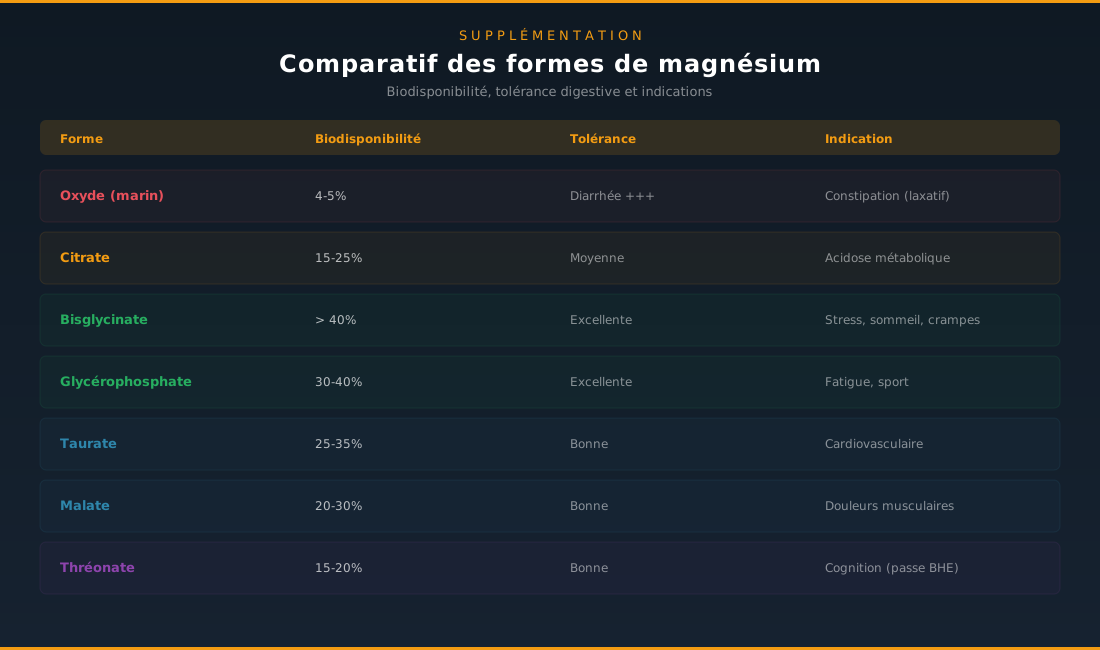
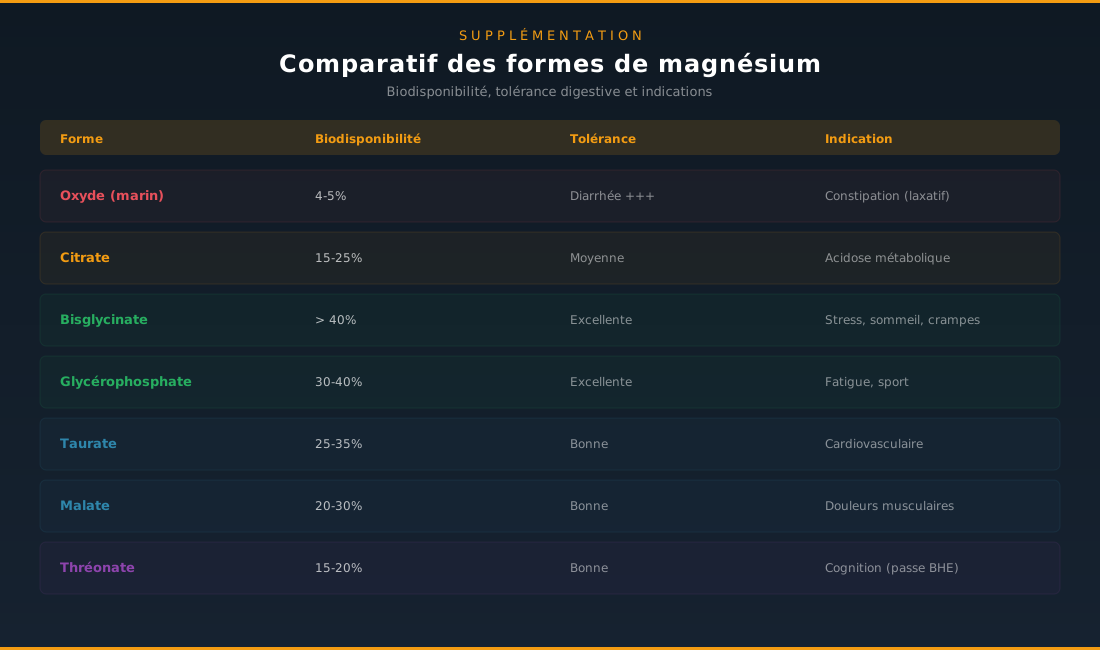
This is where most people get fooled. Dr Lucas devoted an entire section of course #33 to magnesium forms, and the bioavailability differences are stunning.
Magnesium oxide is the most sold form in pharmacies. It’s also the least well absorbed. Its bioavailability is estimated between 4 and 5% in clinical studies1. In other words, of the 300 mg of magnesium element announced on the label, between 12 and 15 mg cross the intestinal barrier. The rest causes an osmotic laxative effect (unabsorbed magnesium draws water into the colon) that’s often passed off as a “detox effect.” No. It’s a diarrheal effect. Marine magnesium, basic pharmacy magnesium, 6-euro supermarket products : almost all contain oxide. It’s pure waste.
Magnesium citrate is much better absorbed, around 25 to 30%. It has a mild laxative effect that can be useful in constipated patients. It’s an honest form, but not optimal.
Magnesium bisglycinate is the form I recommend first-line. Magnesium is chelated to two molecules of glycine, an amino acid. This chelation protects magnesium from competition with phytates and fiber in the digestive tract. Its bioavailability exceeds 40%7. Glycine has itself a calming effect on the nervous system (it’s an agonist of inhibitory NMDA receptors), making it a doubly interesting form for stress and insomnia.
Magnesium glycerophosphate is another highly bioavailable form, very well tolerated digestively. It’s the form found in high-end micronutrition products.
Magnesium threonate has the characteristic of crossing the blood-brain barrier more effectively than other forms. Animal studies show improvements in cognitive function and memory[^8]. It’s an interesting form for aging patients or those with cognitive decline.
Magnesium malate is interesting for patients with fibromyalgia and chronic fatigue, because malic acid participates in the Krebs cycle and supports mitochondrial energy production. Magnesium taurate combines magnesium and taurine, one of magnesium’s most important cofactors. Relevant for cardiovascular support and heart rhythm regulation.
In practice, here’s the protocol I’ve used in practice for five years, with remarkable clinical results. Magnesium bisglycinate : 300 to 600 mg per day, in two doses (200 mg in the morning at breakfast to support MgATP energy production, and 200 to 400 mg at dinner or bedtime to promote muscle relaxation and sleep). Taurine : 500 to 1000 mg per day. Vitamin B6 P5P : 25 to 50 mg per day. Initial duration : 3 months minimum, often 6 months to restore intracellular reserves. Dosage is adjusted based on digestive tolerance. If soft stools appear, reduce by 100 mg. That’s the advantage of bisglycinate : digestive tolerance is excellent in the vast majority of patients.
Before supplementing, you have to eliminate loss factors : reduce coffee to one per day, work on stress management (heart coherence, breathing, nature walks), re-evaluate PPIs with your treating physician, limit alcohol. It’s the hygienic baseline that Marchesseau placed before any supplementation. And magnesium deficiency that doesn’t correct despite proper supplementation should prompt investigation of an absorption problem : gastric hypochlorhydria, intestinal dysbiosis, intestinal permeability. The digestive terrain is always where to start.
Patients on Levothyroxine should know that magnesium can reduce their medication absorption if taken at the same time. The rule is simple : Levothyroxine in the morning on an empty stomach, magnesium at breakfast (30 minutes later) and at dinner. People with kidney insufficiency should be cautious : the kidneys eliminate excess magnesium, and kidney insufficiency can lead to dangerous accumulation. Supplementation must be medically supervised in this case.
Magnesium is a powerful tool, but it’s not a one-size-fits-all solution. If you suffer from cardiac arrhythmias, seizures, or severe hypomagnesemia documented by blood testing (serum magnesium below 0.65 mmol/L), you must see a doctor. Naturopathy is an accompaniment, not a replacement. A competent naturopath works in synergy with the doctor, not against them. This is the complementarity I’ve been defending since day one of my practice.
Magnesium is everywhere. In your muscles, your bones, your neurons, your mitochondria, your hormones. When it’s lacking, nothing functions optimally. Cramps, insomnia, irritability, constipation, chronic fatigue, migraines : all these symptoms that medicine treats separately with five different medications often have a common root. And this root costs less than 20 euros per month to correct. You just have to choose the right form, add the right cofactors, and eliminate the loss factors. It’s simple. It’s logical. It’s biochemistry. And it’s exactly what Dr Anne Lucas taught us at DU MAPS : before prescribing, understand the mechanism. Before supplementing, correct the terrain.
If you want personalized support, you can book a consultation appointment. Find all my partnerships with exclusive promo codes.
To go further
- Magnesium : why your thyroid, sleep, and stress depend on it
- Vitamin B5 (pantothenic acid) : the vitamin of your adrenals and coenzyme A
- Zinc : why you’re probably deficient (and what to do about it)
- Alzheimer : the metabolic disease you can prevent 20 years before
Want to evaluate your status ? Take the free Holmes Rahe stress questionnaire in 2 minutes.
Want to evaluate your status ? Take the free Hertoghe melatonin questionnaire in 2 minutes.
Sources
- Lucas, Anne. “The Metal Man, the Mineral Man.” Course #33, DU MAPS, Faculty of Pharmacy, 2020.
- Curtay, Jean-Paul. Nutritherapy. Marco Pietteur, 2016.
- Curtay, Jean-Paul. Okinawa, a global program to live better. Anne Carrière, 2006.
- Hertoghe, Thierry. The Hormone Handbook. 2nd ed. Luxembourg : International Medical Books, 2012.
- Masson, Robert. Dietetics of Experience. Guy Trédaniel, 2003.
- Mouton, Georges. Digestive Ecology. Marco Pietteur, 2004.
« The trace element is to the enzyme what the spark is to the engine. Without it, the biochemical reaction doesn’t start. » Robert Masson
Scientific references
Footnotes
-
Firoz, M., et M. Graber. “Bioavailability of US Commercial Magnesium Preparations.” Magnesium Research 14, no. 4 (2001) : 257-262. PMID : 11794633. ↩ ↩2
-
de Baaij, Jeroen H.F., Joost G.J. Hoenderop, et René J.M. Bindels. “Magnesium in Man : Implications for Health and Disease.” Physiological Reviews 95, no. 1 (2015) : 1-46. PMID : 25540137. ↩
-
Galan, Pilar, et al. “Dietary Magnesium Intake in a French Adult Population.” Magnesium Research 10, no. 4 (1997) : 321-328. PMID : 9513928. ↩
-
Thomas, David. “A Study on the Mineral Depletion of the Foods Available to Us as a Nation over the Period 1940 to 2002.” Nutrition and Health 19, no. 1-2 (2007) : 21-55. PMID : 18309763. ↩
-
Seelig, Mildred S. “Consequences of Magnesium Deficiency on the Enhancement of Stress Reactions ; Preventive and Therapeutic Implications.” Journal of the American College of Nutrition 13, no. 5 (1994) : 429-446. PMID : 7836621. ↩
-
Nielsen, Forrest H., et al. “Magnesium Supplementation Improves Indicators of Low Magnesium Status and Inflammatory Stress in Adults Older than 51 Years with Poor Quality Sleep.” Magnesium Research 23, no. 4 (2010) : 158-168. PMID : 21199787. ↩
-
Schuette, Sara A., Beverly A. Lashner, et Martin Janghorbani. “Bioavailability of Magnesium Diglycinate vs Magnesium Oxide in Patients with Ileal Resection.” Journal of Parenteral and Enteral Nutrition 18, no. 5 (1994) : 430-435. ↩




Laisser un commentaire
Sois le premier à commenter cet article.
Les commentaires ne se chargent pas pour le moment. Réessaie dans quelques minutes.