Medications and Micronutrition: What Your Drugs Are Stealing From Your Body
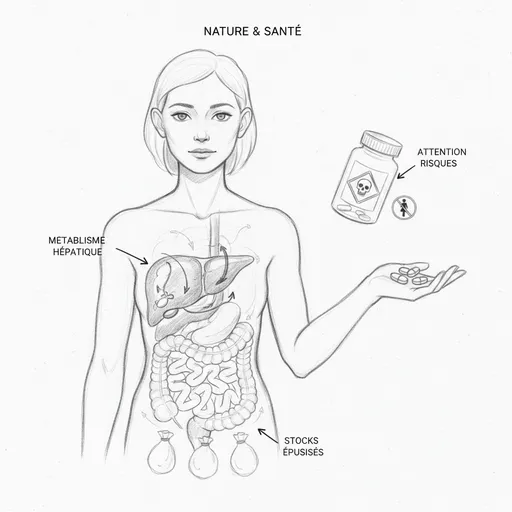
Nathalie is fifty-three years old. She has been taking Crestor (rosuvastatin) for six years for her cholesterol. Omeprazole for four years for acid reflux. Lexomil in the evening to sleep. Paracetamol two or three times a week for migraines. When she sat across from me, she described a fatigue she had been dragging around for years, pain in her thighs that woke her at night, a mental fog that prevented her from concentrating at work, and a depressive mood that she attributed to menopause. Five doctors in three years. None of them ever made the connection between her four medications and her symptoms. None of them told her that her treatments, prescribed to protect her, were stealing the nutrients her body needs to function.
This is not a rare case. It is the most common case I see in consultation. Patients who take their treatment religiously, who trust their prescriptions, and who slowly sink into a state of multiple deficiencies that no one looks for because no one knows where to look. The paradox is dizzying: you take a medication to heal, and that medication deprives you of the nutrients necessary to heal.
“Nutritional medicine acts AS A COMPLEMENT and not in opposition to medical treatment.” Dr Anne Lucas, PharmD, course on Medications and Micronutrients, DU MAPS 20201
This sentence from Dr Lucas is the compass for this article. It is not about throwing your medications in the trash. It is about understanding what they do to your body beyond their therapeutic effect, and correcting the collateral damage that no one explains to you. Because iatrogenesis, that scholarly word designating diseases caused by medical treatments themselves, is a massive public health problem that France refuses to face head-on.
128,000 Hospitalizations per Year: The Silence of Iatrogenesis
The figures are dizzying. In France, medication-related iatrogenesis causes approximately 128,000 hospitalizations each year2. That’s more than car accidents, more than lung cancers, more than strokes. And this figure only accounts for cases serious enough to require hospitalization. Low-grade adverse effects, those that settle insidiously over months and years, those that resemble chronic fatigue, premature aging, depression that doesn’t announce itself, are counted nowhere.
In 2010, France consumed 48 boxes of medications per inhabitant per year3. Forty-eight boxes. Four boxes per month. From cradle to grave, we are Europe’s most medicated nation. The hit parade of the most consumed molecules paints a troubling picture: paracetamol at the top, followed by statins, proton pump inhibitors (PPIs), antibiotics, nonsteroidal anti-inflammatory drugs (NSAIDs), antidepressants, and levothyroxine4. Each of these therapeutic classes induces specific micronutrient deficiencies. And when a patient takes three or four of these molecules simultaneously, as Nathalie does, the deficiencies accumulate and potentiate each other.
What Dr Lucas teaches at DU MAPS is a course that every pharmacist, every physician, and every patient should know. It is not about demonizing medications. It is about understanding their real metabolic impact and acting accordingly. In naturopathy, we call this causalism: seeking the cause of the cause. When a fatigued patient takes a statin, the cause of their fatigue may not be menopause, stress, or depression. It may be CoQ10 depletion that no one measured.
Statins: First Blockbuster, First Predator of CoQ10
The history of statins is the story of an unprecedented commercial success in the pharmaceutical industry. Lipitor (atorvastatin) generated 9.5 billion dollars in revenue in 2011, making it the best-selling medication in the history of pharmacology5. In France, nearly seven million people take a statin daily. And each day, these seven million people silently impoverish their coenzyme Q10 reserves without knowing it.
The mechanism is simple and relentless. Statins inhibit HMG-CoA reductase, the key enzyme in the mevalonate pathway that synthesizes cholesterol. The problem is that this same metabolic pathway also produces coenzyme Q106. By blocking the upstream enzyme, statins make no distinction: they lower both cholesterol AND CoQ10. It’s like turning off the main water valve to stop a leak in the kitchen: you cut off the water everywhere.
CoQ10, which I detailed in the article on cellular aging and mitochondria, is an essential electron carrier in the mitochondrial respiratory chain. It is what allows mitochondria to produce ATP, the energy of your cells. An adult produces and consumes approximately 40 to 50 kilos of ATP per day. The heart, which beats 100,000 times a day, is the organ most dependent on its mitochondria. Depriving the heart of CoQ10 is like cutting the power supply to a factory running 24 hours a day.
The clinical consequences of this depletion are documented for decades. Myalgias (muscle pain) affect 5 to 20% of statin patients according to studies, but this figure is likely underestimated because many patients don’t make the connection. Night cramps, muscle weakness with exertion, fatigue disproportionate to activity: all signs that the doctor attributes to age or lack of exercise, and that the patient ends up accepting as inevitable. Baker and Tarnopolsky described in 2005 a neuromyotoxicity associated with statins, with sometimes irreversible muscular and nervous damage7. In the most severe cases, rhabdomyolysis, a massive destruction of muscle fibers that can lead to acute kidney failure, remains a rare but formidable adverse effect.
But CoQ10 depletion is not limited to muscles. Dr Lucas mentions loss of libido, depressive episodes, and increased diabetogenic risk in statin patients8. A thesis published in the Canadian Journal of Cardiology confirms that statins increase the risk of type 2 diabetes, which is remarkable for a medication prescribed to protect the cardiovascular system. As I explain in the article on cholesterol and cardiovascular disease, the beneficial effect of statins is essentially related to their anti-inflammatory activity, not the cholesterol lowering itself. This raises a fundamental question: why not treat inflammation directly, without depriving the body of its CoQ10?
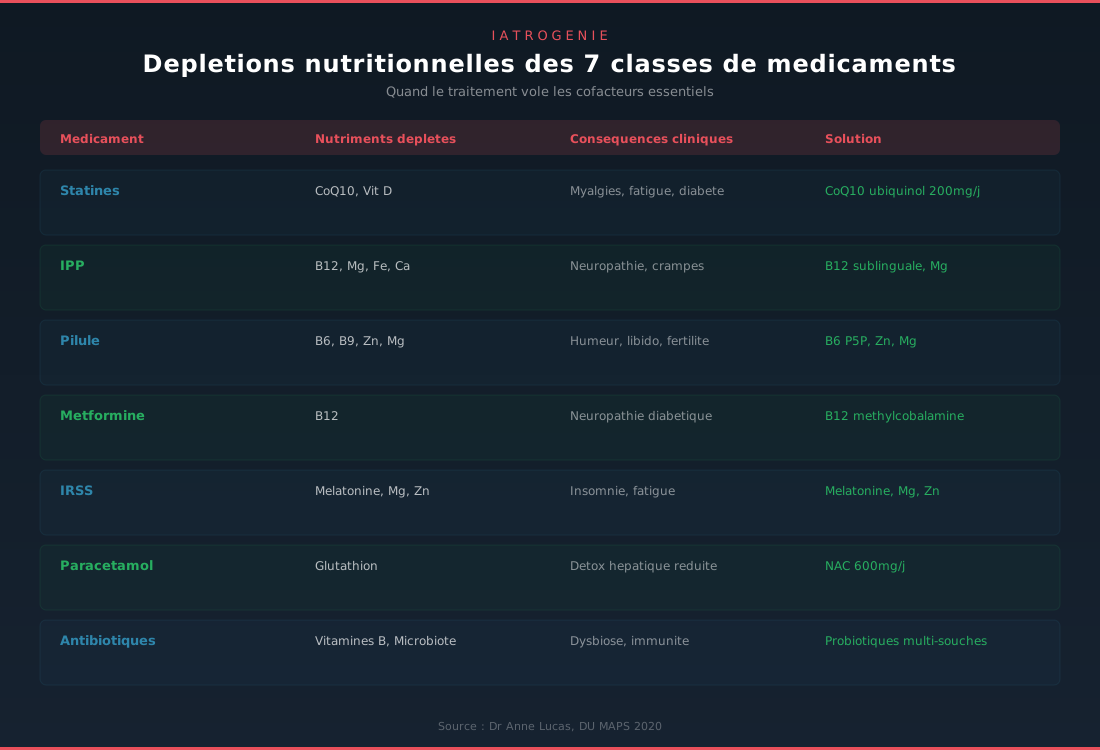
The micronutritional solution is simple: systematically supplement with CoQ10 any patient on a statin. One hundred to two hundred milligrams per day, in the form of ubiquinol (reduced form, better absorbed after age 40). This recommendation, which should appear on every statin prescription, is absent from virtually all medical protocols in France. And when a patient mentions CoQ10 to their cardiologist, the answer is too often a shrug.
PPIs: When Suppressing Acidity Means Suppressing Absorption
Proton pump inhibitors are the second most prescribed class of medications in France. Omeprazole, esomeprazole, lansoprazole, pantoprazole: these names appear on millions of prescriptions, often prescribed for acid reflux, an ulcer, or simply “as protection” when a patient takes anti-inflammatory drugs. The problem is that many patients continue taking them for years, sometimes decades, when they were intended for a maximum duration of eight weeks9.
PPIs work by blocking the proton pump of gastric parietal cells, thus suppressing the production of hydrochloric acid (HCl). It is effective against reflux and ulcers. But gastric acid is not there to bother us. It performs essential physiological functions that Dr Lucas details in her course: the breakdown of dietary proteins (activation of pepsin), sterilization of the food bolus (pathogenic bacteria do not survive a pH of 1.5 to 2), and most importantly, the preparation of micronutrients for their intestinal absorption10.
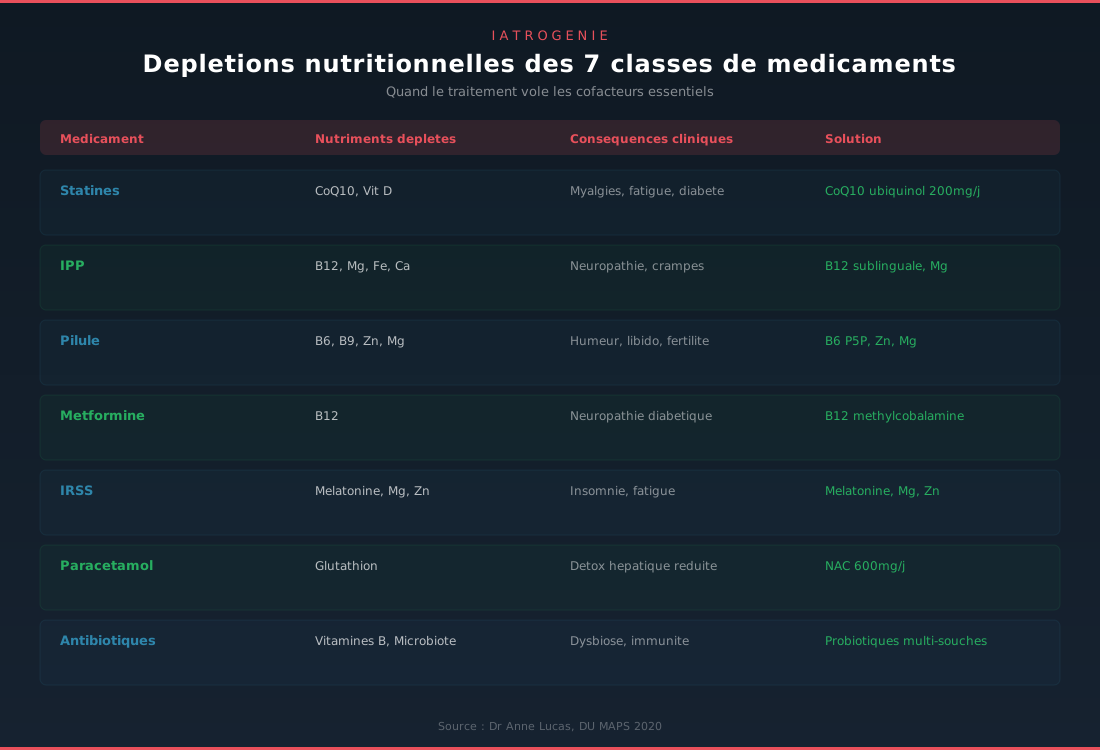
Vitamin B12 is the first victim of PPIs. Its absorption requires two conditions: a sufficiently acidic gastric pH to release it from the food proteins to which it is bound, and the intrinsic factor secreted by parietal cells (the same cells that PPIs inhibit). By suppressing acidity AND disrupting intrinsic factor secretion, PPIs create a double blow to B12. The consequences of B12 deficiency are redoubtable: megaloblastic anemia, peripheral neuropathy (tingling, numbness), cognitive problems, and depression. As I explain in the article on anemia, B12 is an essential cofactor of erythropoiesis, and its deficiency produces macrocytic anemia that the doctor doesn’t always look for when prescribing a PPI.
Magnesium is the second victim. Hypomagnesemia under PPI is sufficiently documented that the FDA issued an alert in 2011. Magnesium is a cofactor for more than 300 enzymatic reactions. Its deficiency causes cramps, anxiety, heart rhythm disturbances, insomnia, and chronic fatigue. These are exactly the symptoms Nathalie described in consultation, and that five doctors attributed to menopause.
Iron is the third victim. Hydrochloric acid is essential to reduce ferric iron (Fe3+) to ferrous iron (Fe2+), the only form absorbable at the enterocyte level via the DMT1 transporter. Without gastric acidity, iron remains in ferric form and passes through the intestine without being absorbed. Calcium is the fourth victim, with an increased risk of osteoporotic fractures documented in patients on long-term PPIs11.
If you have been taking a PPI for more than two months and you are fatigued, have tingling in your extremities, night cramps, or mental fog, ask your doctor to test for B12, homocysteine, erythrocyte magnesium, and ferritin. These are the tests that no one thinks to do, and they change everything. The article on depression and neurotransmitters explains in detail why these deficiencies can mimic a depressive presentation.
The Contraceptive Pill: The Silent Theft of B6, B9, Zinc, and Magnesium
More than four million women in France take oral hormonal contraception. The estrogen-progestin pill is prescribed from adolescence, often without any information about its nutritional impact. Yet, the depletions it induces have been documented since the 1970s12.
Vitamin B6 (pyridoxine) is the most affected. Synthetic estrogens increase the catabolism of tryptophan through the kynurenine pathway, which massively consumes B6 as a cofactor. Yet B6 is indispensable for the synthesis of serotonin (via tryptophan decarboxylase) and dopamine (via DOPA decarboxylase). In other words, the pill diverts tryptophan from the serotonin pathway to the kynurenine pathway, and at the same time consumes the vitamin necessary for serotonin synthesis. The result? Mood disturbances, irritability, decreased libido, sugar cravings at the end of the day, difficulty falling asleep. Symptoms that the gynecologist attributes to stress, mental load, or relationship issues, when the cause is biochemical.
Vitamin B9 (folates) is also depleted by the pill. This is a critical point in women of childbearing age, because folate deficiency at the time of conception increases the risk of neural tube malformation in the embryo. Dr Lucas emphasizes this paradox: the pill is prescribed to prevent pregnancy, but when a woman stops the pill to conceive, her folate reserves are at their lowest, precisely when they are most needed13. The article on pregnancy and micronutrition details the critical importance of B9 supplementation during the preconception period.
Zinc and magnesium complete the picture of deficiencies induced by the pill. Zinc is a cofactor for more than 200 enzymes, it plays a role in immunity, skin, hair, fertility, and thyroid function. Magnesium, already chronically deficient in modern diet, is further depleted by hormonal contraception. For women taking a pill and suffering from fatigue, hair loss, acne, or thyroid disorders, the first thing to check is not the thyroid itself: it is the zinc and magnesium deficiencies induced by the treatment.
Metformin: The Antidiabetic That Drains B12
Metformin (Glucophage, Stagid) is the first-line treatment for type 2 diabetes. More than three million French people take it daily. Its effectiveness on blood glucose is indisputable. But its impact on vitamin B12 is a therapeutic blind spot affecting potentially millions of patients14.
The mechanism is twofold. Metformin interferes with intestinal absorption of B12 at the terminal ileum, probably by modifying the calcium flux necessary for endocytosis of the B12-intrinsic factor complex. It also alters the gut microbiota, which can worsen malabsorption. Studies show that after four years of treatment, 30% of patients on metformin have a biologically significant B12 deficiency15.
The consequences are insidious. Diabetic neuropathy, a classic complication of diabetes, can be worsened or mimicked by a B12 deficiency that no one looks for. The patient complains of tingling, numbness, balance problems. The diabetologist increases the metformin or adds neuropathic treatment, without ever testing B12. It is a vicious circle from which the patient doesn’t escape because no one asks the right question.
Yet the solution is simple: test B12 and homocysteine in any patient on metformin, at least once a year. And supplement if necessary, preferably by sublingual route (methylcobalamine) to bypass the intestinal absorption problem. It is a gesture that costs a few euros and can prevent irreversible neuropathies. But like CoQ10 under statin, this recommendation is absent from virtually all French medical protocols.
SSRI Antidepressants: The Melatonin Theft Trap
Selective serotonin reuptake inhibitors (SSRIs) are the most prescribed antidepressants in France. Fluoxetine (Prozac), paroxetine (Deroxat), sertraline (Zoloft), escitalopram (Seroplex): these molecules increase serotonin concentration in the synaptic cleft by blocking its reuptake by the pre-synaptic neuron. On paper, it makes sense. In practice, the side effects are numerous and rarely anticipated16.
Dr Lucas points to a particularly insidious effect: melatonin depletion. Serotonin is the direct precursor of melatonin, the sleep hormone, via the enzyme SNAT (serotonin N-acetyltransferase). By artificially increasing serotonin in the synaptic cleft, SSRIs disrupt the serotonin-melatonin cascade in the pineal gland. Result: many patients on SSRIs complain of sleep disturbances, which is remarkable when you know that insomnia is a major symptom of depression. The article on natural sleep details the tryptophan-serotonin-melatonin cascade and the importance of respecting it.
SSRIs also induce depletion of magnesium and zinc, two essential cofactors of neurotransmission. Magnesium protects against glutamatergic excitotoxicity (excess glutamate, an excitatory neurotransmitter, which damages neurons). Zinc is a cofactor of B6, itself a cofactor of serotonin synthesis. In other words, SSRIs act on serotonin already present in the synaptic cleft, but do nothing to produce more. And by depleting the cofactors necessary for serotonin synthesis, they can paradoxically worsen the production deficit in the long term.
Paracetamol: The Glutathione Thief Everyone Ignores
Paracetamol (Doliprane, Efferalgan, Dafalgan) is the best-selling medication in France. First-line analgesic, antipyretic, sold over-the-counter, considered “harmless” by the majority of the population. But Dr Lucas devotes an entire section of her course to its metabolic impact, and what she describes is far from harmless[^17].
Paracetamol is metabolized by the liver primarily through glucuronidation and sulfation (phase II of hepatic detoxification). But a fraction, about 5 to 10%, passes through the cytochrome CYP2E1 and produces a highly toxic metabolite: NAPQI (N-acetyl-p-benzoquinone imine). Under normal conditions, NAPQI is immediately neutralized by glutathione, the master antioxidant of the organism. But at repeated doses, or in a patient whose glutathione reserves are already low (malnutrition, alcoholism, liver disease, fasting), glutathione becomes depleted and free NAPQI attacks hepatocytes. This is the mechanism of paracetamol hepatotoxicity, the leading cause of emergency liver transplantation in Western countries.
What Dr Lucas emphasizes and what is rarely explained is that even at therapeutic doses (3 grams per day), regular paracetamol consumption can significantly lower glutathione reserves without causing manifest clinical hepatitis. The patient feels nothing, their transaminases remain normal, but their hepatic detoxification capacity erodes silently. Glutathione is necessary for the conjugation of heavy metals, endocrine disruptors, xenobiotics of all kinds. A liver depleted of glutathione is a liver that no longer filters properly, and it is the entire organism that becomes clogged.
NAC (N-acetylcysteine), the direct precursor of glutathione, is the official antidote to paracetamol overdose in emergency rooms. But it should be recommended preventively in any patient who consumes paracetamol regularly. Six hundred milligrams of NAC per day is enough to support glutathione synthesis. It is a simple measure, inexpensive, and should accompany every box of Doliprane.
Antibiotics: The Bomb Dropped on Your Microbiota
Antibiotics save lives. This is indisputable. But they also cause considerable collateral damage that medicine is only beginning to measure. Dr Lucas reminds us that a single seven-day antibiotic treatment can modify the composition of the gut microbiota for six months to two years[^18]. And when you know that the microbiota plays a central role in immunity, B vitamin synthesis, neurotransmitter production, and inflammation regulation, you understand that antibiotic prescriptions should never be routine.
Broad-spectrum antibiotics (amoxicillin, ciprofloxacin, metronidazole) do not distinguish pathogenic bacteria from commensal bacteria. They decimate the intestinal ecosystem without discrimination. The consequences are multiple: deficiency in B vitamins (B1, B2, B6, B12) normally produced by the microbiota, proliferation of Candida albicans by suppression of bacterial competition, decreased short-chain fatty acids (butyrate) that feed colonocytes, and increased intestinal permeability. The article on digestion and microbiota details in depth the consequences of a dysbiotic microbiota.
What Dr Lucas insists on emphasizing is that microbiota reconstitution after antibiotic treatment does not happen spontaneously in everyone. Some protective species like Faecalibacterium prausnitzii or Akkermansia muciniphila can take months to recover, and in some patients, they never return to their baseline levels. The concomitant prescription of probiotics during and after antibiotic therapy, which seems like common sense, is almost never proposed in France[^19].
CYP Interactions: When One Medication Amplifies Another
Beyond deficiencies, Dr Lucas addresses a complex but fundamental topic for anyone taking multiple medications: interactions at the level of cytochrome P450[^20]. These hepatic enzymes, which I detailed in the article on hepatic detoxification, are responsible for metabolizing the vast majority of medications on the market. CYP3A4 alone metabolizes approximately 50% of marketed medications.
The problem arises when a medication is an inhibitor of the cytochrome that metabolizes another medication. The inhibition slows the elimination of the second medication, which increases its blood concentration and potentiates its side effects. It is like partially closing the drain of a sink while the tap is running: the level rises. Conversely, an inducer medication accelerates the cytochrome and decreases the concentration of the second medication, reducing its effectiveness.
Grapefruit is the most well-known example: it powerfully inhibits CYP3A4, which increases the concentration of dozens of medications (statins, immunosuppressants, benzodiazepines, some anticancer drugs). St. John’s Wort, a plant used against mild depression, is a potent inducer of CYP3A4, which can render the contraceptive pill, anticoagulants, and immunosuppressants ineffective. Tobacco induces CYP1A2, modifying the metabolism of caffeine and theophylline.
For a naturopath, knowledge of these interactions is essential. A patient taking a statin and consuming grapefruit every morning multiplies their blood concentration of statin, and thus its side effects, without knowing it. A patient on an SSRI antidepressant taking St. John’s Wort on the advice of a herbalist risks a potentially fatal serotonin syndrome. Naturopathy does not oppose pharmacology. It complements it. But to complement safely, you must know the rules of the game.
Levothyroxine: The Hormone Replacement That Doesn’t Solve Anything Alone
Levothyroxine (Levothyrox, L-Thyroxine) is the fifth most prescribed medication in France. Millions of patients take it every morning on an empty stomach, thirty minutes before breakfast. But as I explain in detail in the article on thyroid and micronutrition, levothyroxine provides only T4, the inactive form of thyroid hormone. Its conversion to active T3 requires cofactors that levothyroxine itself does not provide: selenium (cofactor of deiodinase DIO1 and DIO2), zinc (cofactor of thyroid receptor), iron (cofactor of TPO), vitamin D (VDR receptor modulator)[^21].
Dr Lucas emphasizes a often-ignored point: taking levothyroxine interferes with iron and calcium absorption if taken simultaneously. This is why current recommendations recommend a four-hour interval between taking levothyroxine and any iron or calcium supplement. But how many patients know this? And how many doctors verify the cofactors for T4-T3 conversion when a patient on Levothyrox remains symptomatic despite “normalized” TSH?
If you are on levothyroxine and you are still tired, cold, losing your hair, and gaining weight despite normal TSH, the question may not be your Levothyrox dose. It may be selenium, zinc, iron, or vitamin D that is missing for the T4 you take every morning to transform into active T3 in your cells. The article on Hashimoto develops this issue in depth.
What Dr Lucas Proposes: Nutritional Medicine as an Ally
Dr Lucas does not fight medications. She fights ignorance of their metabolic effects. Her proposal rests on three principles that I apply daily in consultation[^22].
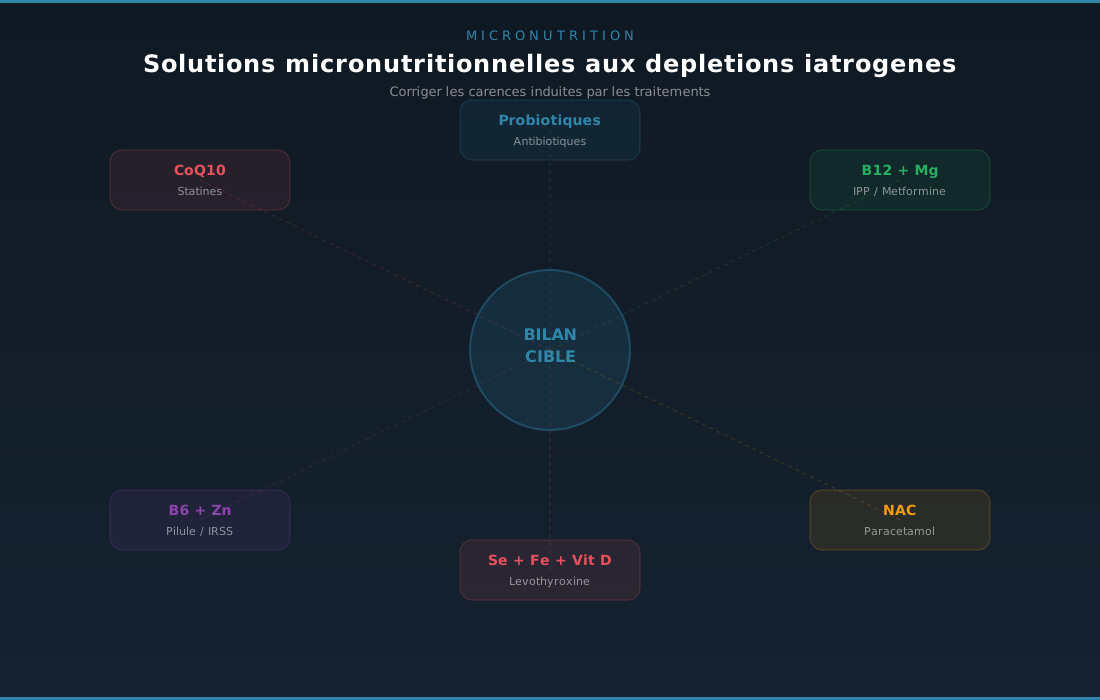
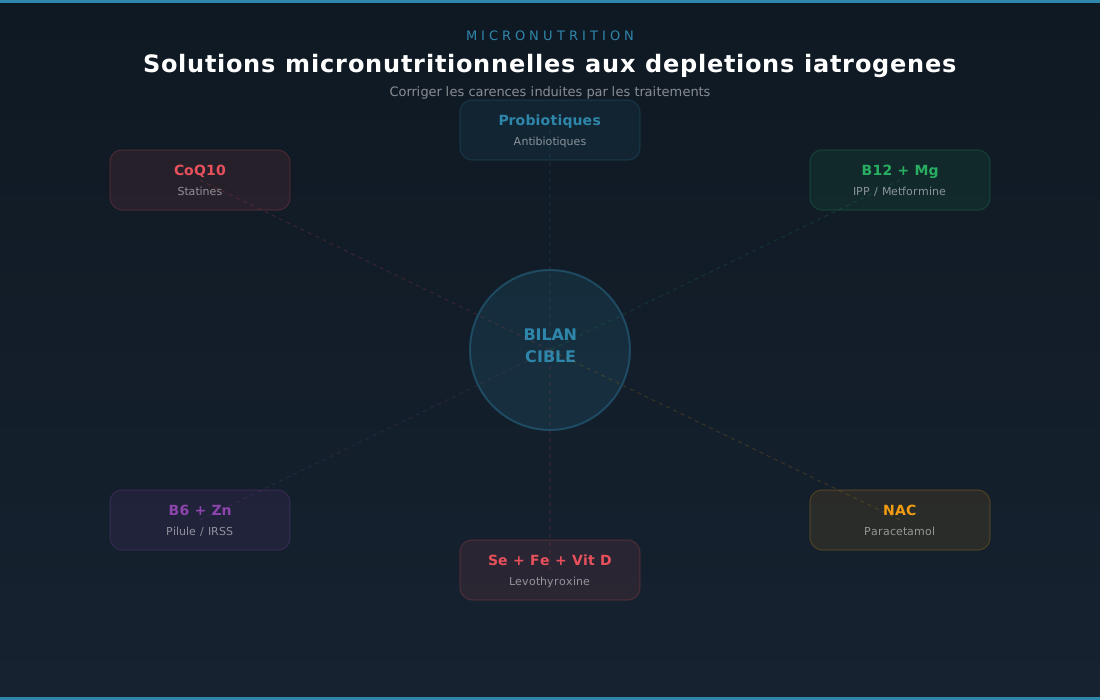
The first principle is systematic micronutritional assessment in any patient on long-term treatment. Not a standard assessment with CBC and transaminases. A targeted assessment of the deficiencies induced by the prescribed medication. CoQ10 under statin. B12 and magnesium under PPI. B6, B9, zinc, and magnesium under pill. B12 under metformin. Glutathione or gamma-GT under chronic paracetamol. B vitamins and probiotics after antibiotic therapy. Selenium, zinc, iron, and vitamin D under levothyroxine.
The second principle is the targeted correction of identified deficiencies, with bioactive forms of high quality. Not seaweed magnesium in a large-surface tablet. Magnesium bisglycinate. Not synthetic cyanocobalamine. Sublingual methylcobalamine. Not a generic multivitamin. Dosages adapted to measured deficiencies. Micronutrition is not a luxury of naturopaths. It is the essential complement to any pharmacotherapy.
The third principle is work on the terrain. Restore the intestine to optimize nutrient absorption. Support the liver to improve medication metabolism. Reduce low-grade chronic inflammation that worsens side effects. Correct diet to provide cofactors through natural routes. The spring detox is not a marketing gimmick: it is a comprehensive strategy to unclog a terrain burdened by years of cumulative treatments.
Naturopathic Protocol for Supporting Treatments
Here is the protocol I use in consultation to support polypharmacy patients. It in no way replaces medical supervision. It complements it.
- Targeted biological assessment according to medications taken (see FAQ for details by class)
- CoQ10 ubiquinol 100-200 mg/day if statin
- Magnesium bisglycinate 300-400 mg/day (almost systematic)
- B12 methylcobalamine sublingual 1000 mcg/day if PPI or metformin
- B6 P5P 25-50 mg/day if pill or SSRI antidepressant
- B9 methylfolate 400-800 mcg/day if pill
- Zinc bisglycinate 15-25 mg/day if pill, PPI, or levothyroxine
- NAC 600 mg/day if regular paracetamol
- Selenium 100-200 mcg/day if levothyroxine
- Multi-strain probiotics during and 1 month after antibiotic therapy
- Intestinal restoration if PPI, antibiotics, or polypharmacy
This protocol should be adapted individually based on biological assessment, diet, and each patient’s terrain. The duration of supplementation depends on the duration of medication: as long as the medication is taken, compensatory supplementation is necessary.
When to Consult and Limits of the Approach
Let’s be clear on one fundamental point: this article does not encourage you to stop your medications. Ever. The withdrawal from a statin, a PPI, an antidepressant, or an antidiabetic is a medical decision that must be made by the prescriber, gradually, with close biological monitoring. Abrupt withdrawals can have serious consequences: cholesterol rebound, acid rebound hypersecretion, serotonin withdrawal syndrome, glycemic decompensation.
What I propose, and what Dr Lucas teaches, is a three-stage approach. First, identify the deficiencies induced by the current treatment. Next, correct them through targeted supplementation and optimized diet. Finally, work on the terrain to, possibly, allow the physician to reduce doses or consider less iatrogenic alternatives. This is nutritional medicine as DU MAPS teaches it: as a complement, never in opposition.
Nathalie, after four months of assessment and micronutritional correction, saw her muscle pain disappear (CoQ10 rose from 0.4 to 1.1 mg/L), her energy return (erythrocyte magnesium normalized, B12 went from 180 to 450 pg/mL), and her mental fog lift. She still takes her statin, PPI, and levothyroxine. But she also takes her cofactors. Her cardiologist, after seeing the results of her assessment, told her something she had never heard in six years of treatment: “This is interesting, what you are doing. Keep it up.”
And you, do you know what your medications are stealing from you? It may be the question that no one has asked you yet.
To Go Further
- Cholesterol and Cardiovascular Disease: The True Culprits Your Cardiologist Doesn’t Look For
- Alzheimer’s: The Metabolic Disease You Can Prevent 20 Years Before
- Anemia: Understanding Root Causes and Acting Naturally
- Micronutrition Assessment: The 7 Tests Your Doctor Never Prescribes
References
Footnotes
-
Lucas A. Medications and Micronutrients, course #28. DU Micronutrition, Food, Prevention and Health (MAPS), 2020. Introductory slide. ↩
-
Lucas A. DU MAPS 2020, course #28. Slide: “128,000 hospitalizations per year for iatrogenesis in France.” ↩
-
Lucas A. DU MAPS 2020, course #28. Slide: “48 boxes of medications per inhabitant in 2010.” ↩
-
Lucas A. DU MAPS 2020, course #28. Slide: “Hit parade of most consumed medications in France.” ↩
-
Lucas A. DU MAPS 2020, course #28. Slide: “LIPITOR: 9.5 billion dollars in 2011, first pharmaceutical blockbuster.” ↩
-
Lucas A. DU MAPS 2020, course #28. Slide: “Statins: HMG-CoA reductase inhibition → blocking CoQ10 synthesis.” ↩
-
Baker SK, Tarnopolsky MA. Statin myopathies: pathophysiologic and clinical perspectives. Clin Invest Med. 2001;24(5):258-272. Cited slide Lucas. ↩
-
Lucas A. DU MAPS 2020, course #28. Slide: “Statin side effects: myalgias, rhabdomyolysis, diabetes, depression, libido.” ↩
-
Lucas A. DU MAPS 2020, course #28. Slide: “PPIs: intended for 8 weeks maximum, prescribed for years.” ↩
-
Lucas A. DU MAPS 2020, course #28. Slide: “Physiological functions of gastric hydrochloric acid.” ↩
-
Lucas A. DU MAPS 2020, course #28. Slide: “Long-term PPIs: B12, magnesium, iron, calcium deficiencies. Fracture risk.” ↩
-
Lucas A. DU MAPS 2020, course #28. Slide: “Oral contraceptives: depletions of B6, B9, zinc, magnesium.” ↩
-
Lucas A. DU MAPS 2020, course #28. Slide: “Folate paradox: the pill depletes what pregnancy needs most.” ↩
-
Lucas A. DU MAPS 2020, course #28. Slide: “Metformin and B12: 30% deficiency after 4 years of treatment.” ↩
-
De Jager J et al. Long term treatment with metformin in patients with type 2 diabetes and risk of vitamin B-12 deficiency: randomised placebo controlled trial. BMJ. 2010;340:c2181. Cited slide Lucas. ↩
-
Lucas A. DU MAPS 2020, course # ↩

Laisser un commentaire
Sois le premier à commenter cet article.