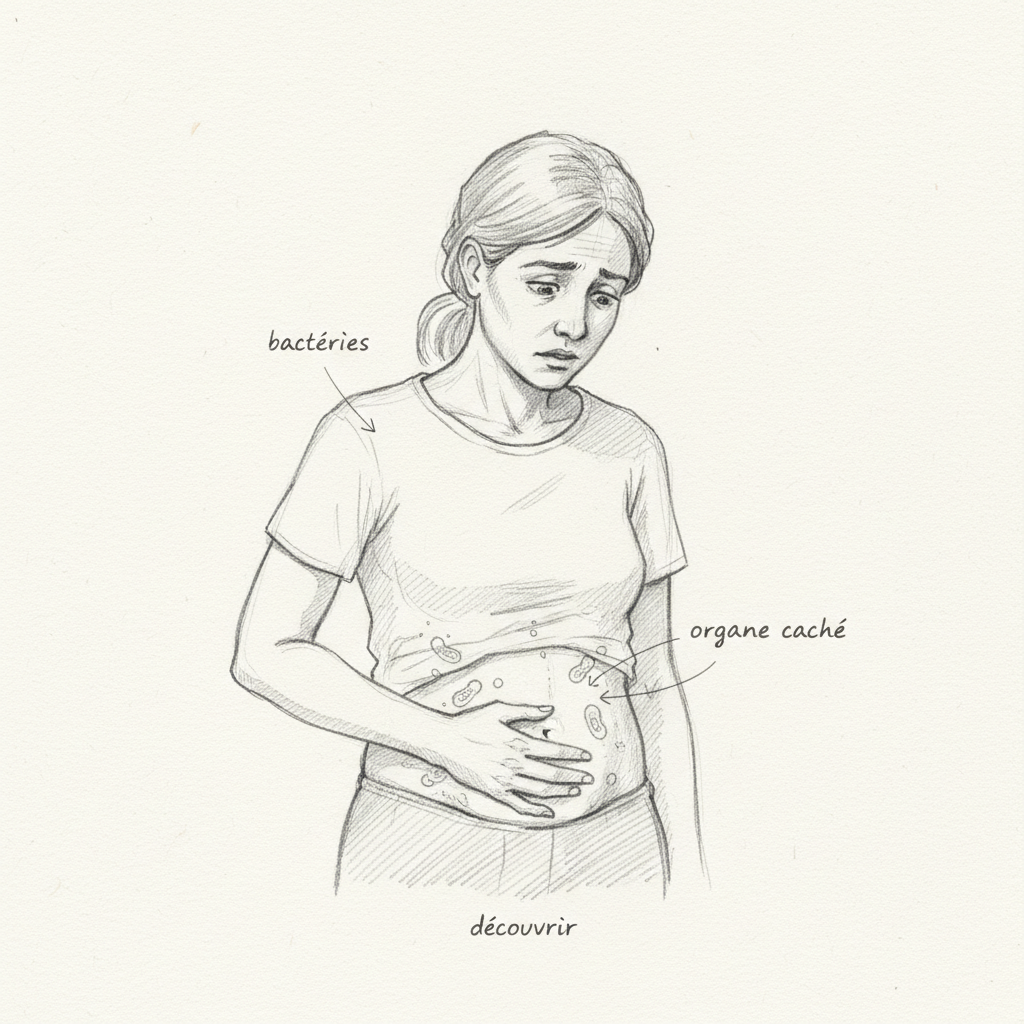
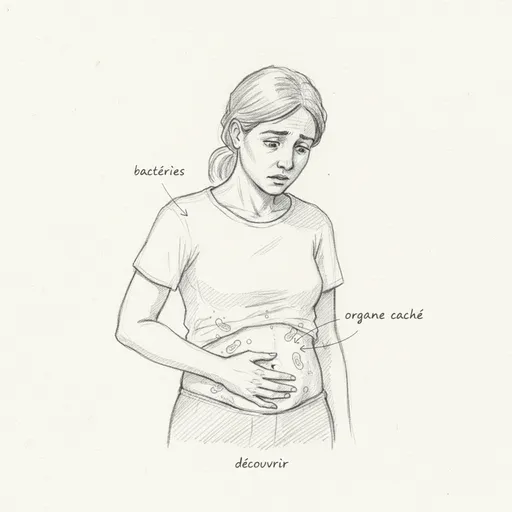
Sophie is thirty-nine years old. She came to a consultation because her gastroenterologist could find “nothing” wrong. Colonoscopy normal. Gastroscopy normal. Blood work impeccable. Yet Sophie suffers. Daily bloating after every meal, a fatigue that has not gone away in two years, urinary tract infections four times a year, diffuse anxiety that appeared without any identifiable reason, and joint pain that the rheumatologist attributes to stress. Six specialists, zero diagnosis. No one ever told her about the organ she carries within her and that medicine took two thousand years to recognize.
Her microbiota.
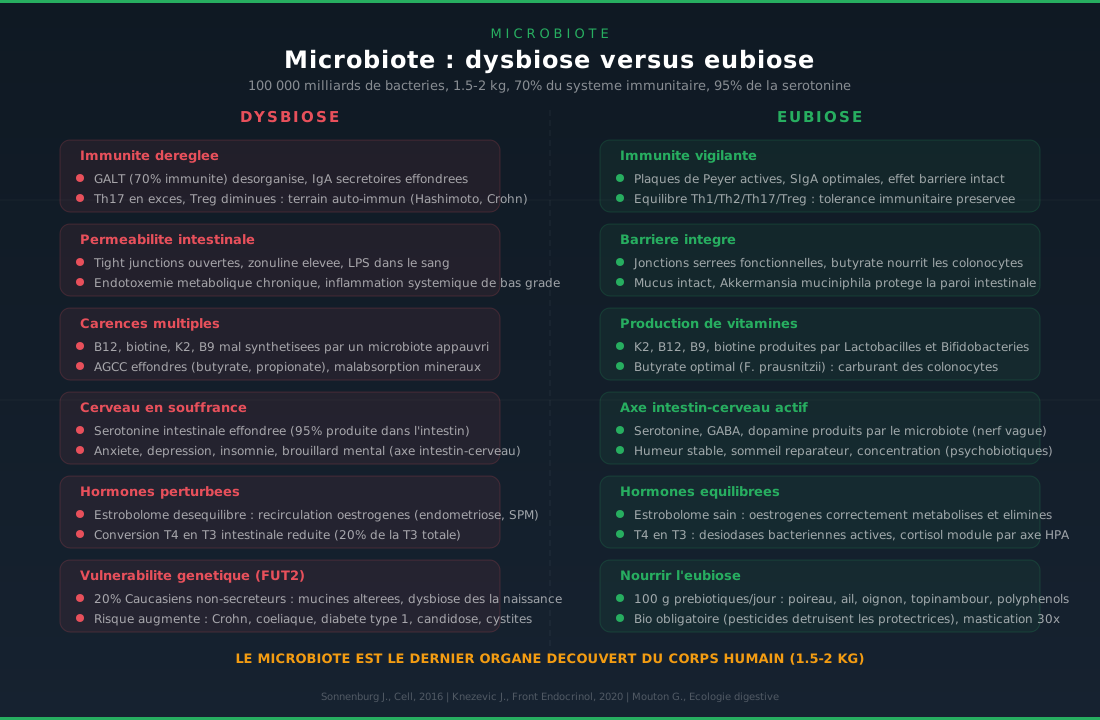
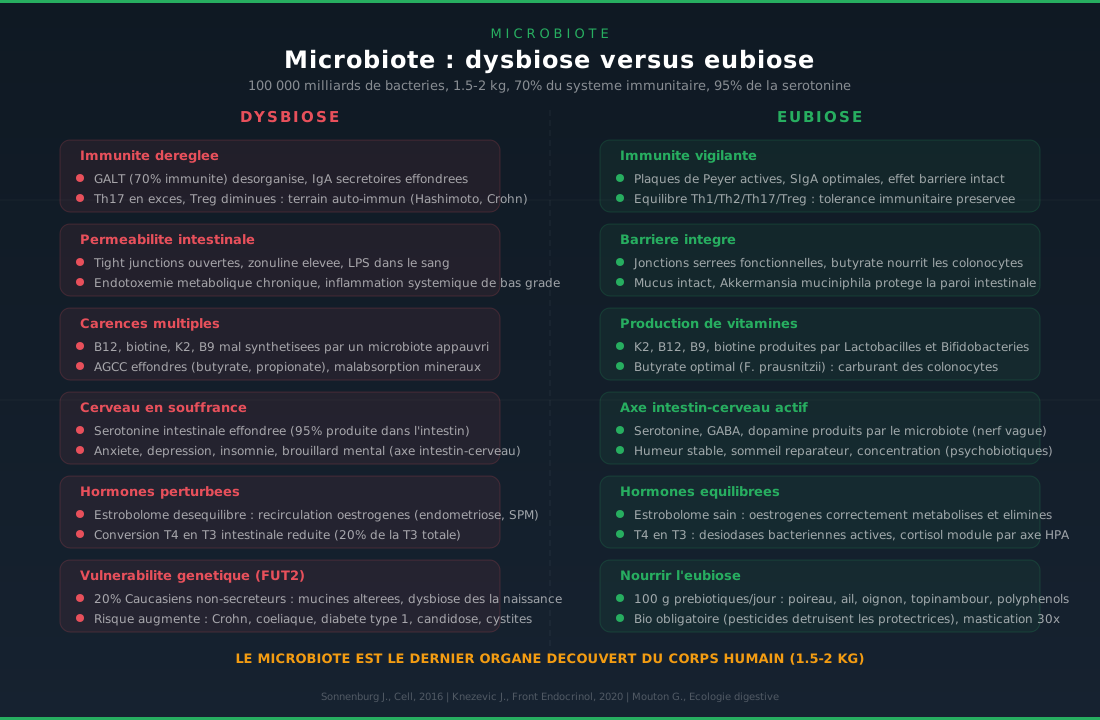
Not her “intestinal flora,” that somewhat outdated word that evokes yogurt advertisements. Her microbiota, in the sense that science has understood it since the metagenomic revolution: a true organ, the last one discovered in the human body, composed of one hundred thousand billion micro-organisms that weigh between 1.5 and 2 kilograms. Ten times more germs than cells in her own body. An ecosystem so dense, so complex, so individualized that it constitutes a unique biological barcode, as personal as her fingerprints.
“Let thy food be thy only medicine.” Hippocrates
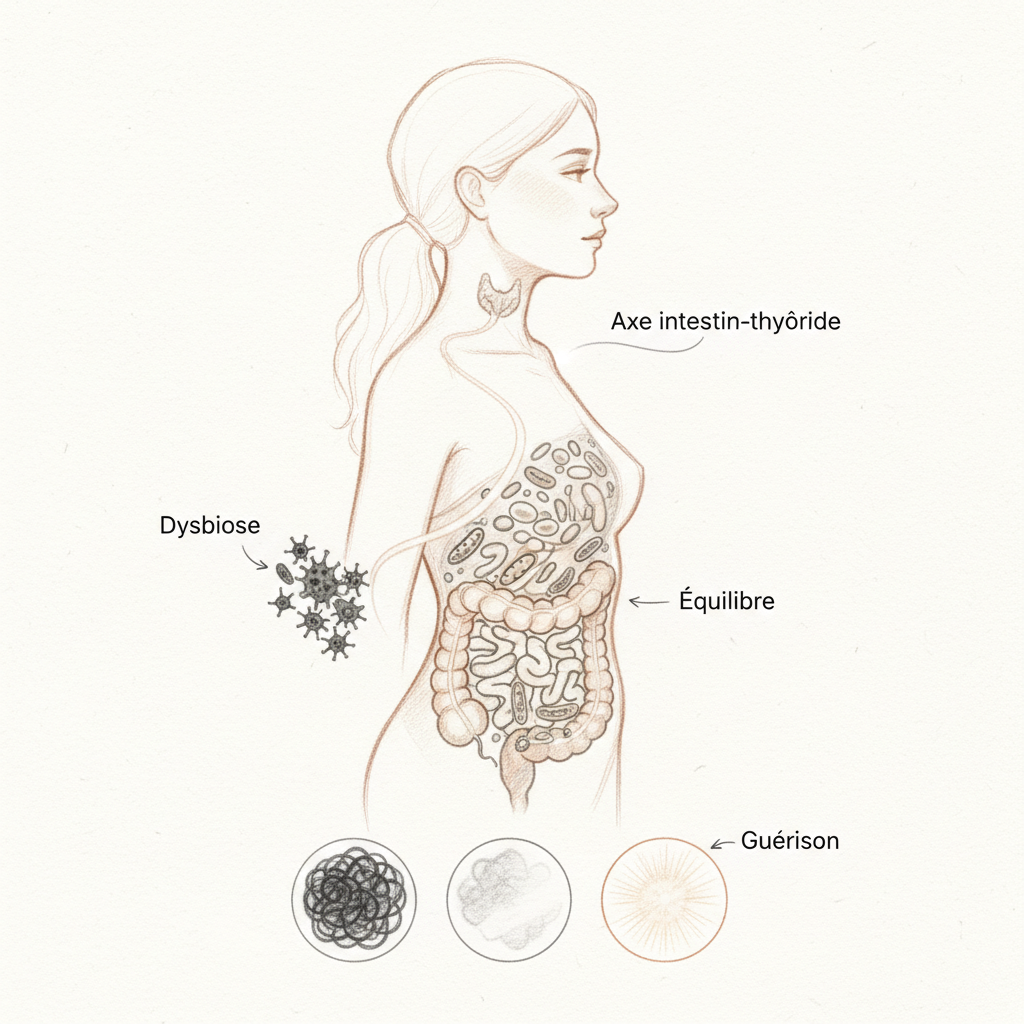
Hippocrates had sensed it twenty-five centuries ago by placing the intestine at the center of health. Marchesseau made it the pillar of his naturopathy orthodoxe. But it took the sequencing of the human metagenome, in the 2010s, for science to finally catch up with the intuition of the ancients. We now know that this hidden organ does not merely digest. It manufactures vitamins, trains the immune system, produces neurotransmitters, modulates weight, influences mood, and even determines the way your medications act in your body. If you have read my article on dysbiosis, you know the consequences of an unbalanced microbiota. This article is its mirror. It tells what a healthy microbiota is, how it works, why it changes over the course of your life, and what genetics (notably FUT2 polymorphism) reveals about your individual vulnerability.
An organ that no one ever introduced to you
The intestinal microbiota is not a mass of bacteria accidentally present in your digestive tract. It is a functional organ, integrated into your physiology, co-evolved with the human species for hundreds of thousands of years. It contains between five hundred and one thousand different bacterial species, to which are added archaea, viruses (bacteriophages), yeasts and microscopic fungi. Metagenomics, this technique that makes it possible to sequence the DNA of all the micro-organisms present in a stool sample without needing to culture them, revolutionized our understanding of this ecosystem. Before it, we only knew the few species that could be cultured in the laboratory, barely 30% of the real microbiota. Since then, we have discovered an invisible continent.
What makes this organ fascinating is that it is unique to each individual. Even identical twins, who share 100% of their human DNA, do not have the same microbiota. The composition of your flora depends on your birth (vaginal or cesarean), your breastfeeding (maternal or formula), your diet, your environment, your infections, your medications, your stress, your genetics. It is a living organ, plastic, in perpetual evolution, that bears the imprint of your entire biological history.
The MetaHIT project (Metagenomics of the Human Intestinal Tract), launched in 2008 and funded by the European Commission, identified 3.3 million microbial genes in the human intestinal microbiota. That is 150 times more than the human genome, which has only 22,000 coding genes. In other words, you carry far more microbial genes than human genes in you. And these microbial genes code for metabolic functions that your own cells do not know how to perform: the degradation of certain plant fibers, the synthesis of vitamins K and B12, the production of short-chain fatty acids, the detoxification of certain xenobiotics.
How your microbiota evolves over the course of your life
The microbiota is not a fixed organ. It is born, builds itself, matures, stabilizes and declines with you. And each stage of this journey influences your health in a decisive way.
It all begins at birth. A baby born vaginally is colonized first by the Lactobacilli and Bifidobacteria of the mother’s vagina and perineum. A baby born by cesarean section is colonized by bacteria from the mother’s skin and the hospital environment (Staphylococci, Clostridium). The difference is not trivial. Studies by Dominguez-Bello (2010) showed that children born by cesarean section have significantly less diverse microbiota for the first two years of life, with an increased risk of allergies, asthma, atopic dermatitis and childhood obesity. Breastfeeding continues the work of colonization: breast milk contains more than 200 oligosaccharides (HMO, Human Milk Oligosaccharides) that the infant cannot digest, but that its Bifidobacteria use as exclusive fuel. These oligosaccharides do not feed the baby. They feed its flora. It is a system of remarkable biological intelligence.
Childhood is the period of construction and diversification. Every food introduced, every contact with the environment (soil, animals, other children), every infection overcome enriches the microbial repertoire. Strachan’s hygiene hypothesis (1989) suggests that excess hygiene, frequent pediatric antibiotics and lack of contact with nature impoverish the child’s microbiota and increase the risk of allergies and autoimmune diseases in adulthood. Children who grow up on farms, in contact with animals and soil, have richer and more diverse microbiota than urban children, and develop significantly fewer allergies (PARSIFAL study, 2006).
Around three years of age, the microbiota reaches its adult composition and stabilizes. It remains relatively constant for several decades, provided it does not undergo major assault (heavy antibiotic therapy, chronic stress, serious illness, unnatural diet). But from sixty-five years old, microbial diversity gradually declines. Protective Bifidobacteria decrease. Pro-inflammatory species (Clostridium, Enterobacteriaceae) increase. This age-related dysbiosis contributes to the chronic low-grade inflammation we call inflammaging, this inflammatory aging that underlies most degenerative diseases in the elderly. Japanese centenarians from Okinawa, the most studied in the world, maintain remarkably diverse microbiota, rich in Bifidobacteria and butyrate-producing organisms, into advanced age. Their traditional diet (rich in fiber, seaweed, fermented vegetables, low in refined sugars and red meat) is probably not unrelated to this exceptional longevity.
The four fundamental functions
The microbiota is not a mere passenger. It is an active organ that fulfills four fundamental functions without which your health collapses.
The first is the barrier function. Commensal bacteria line the intestinal mucosa and form a protective biofilm that prevents pathogens from establishing themselves. This is the principle of competitive exclusion: good bacteria occupy the territory, consume available nutrients, produce antimicrobial substances (lactic acid, bacteriocins, hydrogen peroxide) and keep opportunistic species in the minority. When this protective biofilm becomes impoverished, pathogens colonize the mucosa, inflammation sets in, and the tight junctions between enterocytes loosen. This is intestinal permeability, leaky gut, the gateway to the encroachment that Seignalet described in autoimmune diseases.
The second is the metabolic function. Bacteria in the colon ferment dietary fibers that your own enzymes cannot digest and produce short-chain fatty acids (SCFA): acetate, propionate and especially butyrate. Butyrate is the preferred fuel of colonocytes, the cells of the colon mucosa. It nourishes the intestinal wall, maintains barrier integrity, reduces local inflammation, modulates gene expression (epigenetic effect) and stimulates apoptosis of cancer cells. Patients with colorectal cancer systematically have lowered butyrate levels and a depletion of Faecalibacterium prausnitzii, the main butyrate-producing species. The microbiota also synthesizes vitamins K (essential for coagulation and calcium fixation on bone), B12 (cofactor for methylation and globin synthesis), B9 (folic acid, cell renewal), B2, B5 and B8. It participates in the metabolism of bile acids, the degradation of oxalate (kidney stone prevention) and the transformation of dietary polyphenols into bioactive metabolites.
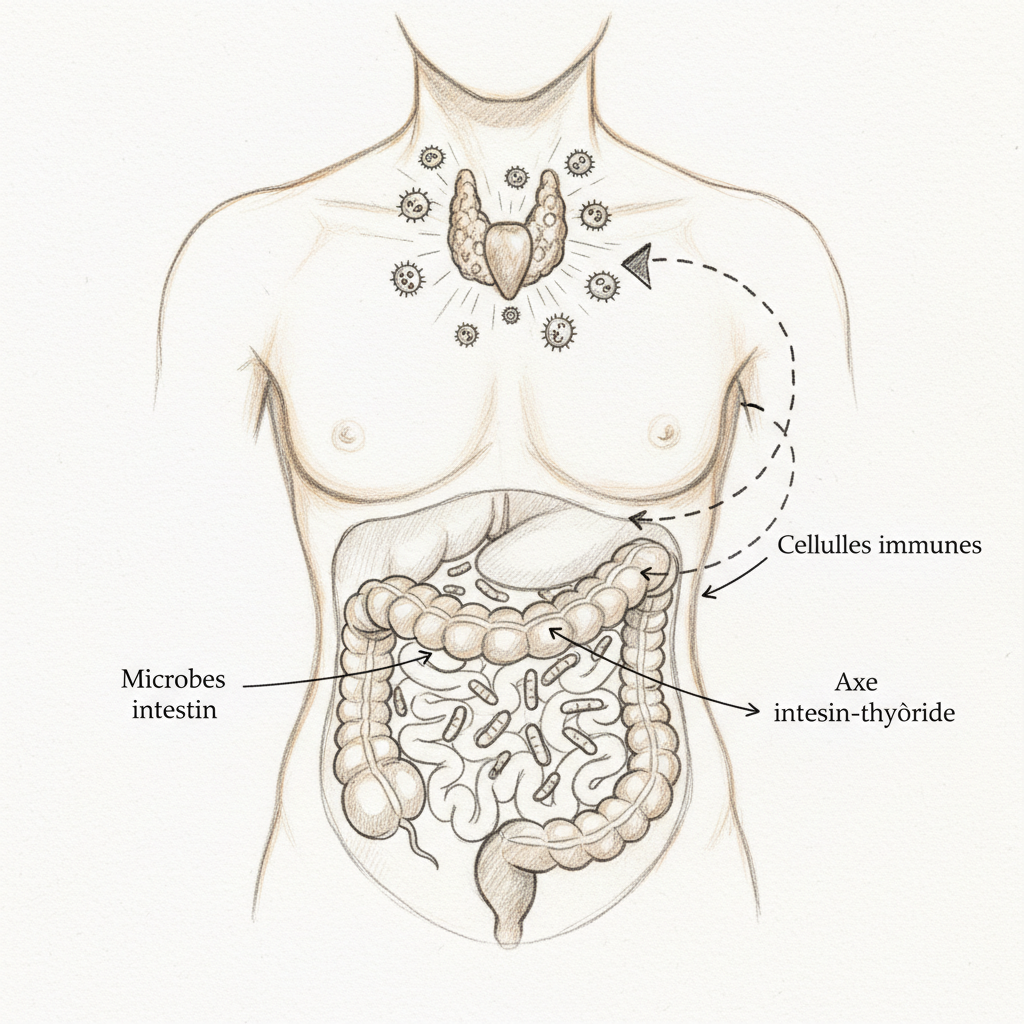
The third is the immunological function. This is a figure I repeat in consultation because it changes perspective: 70% of your immune system resides in your intestine, within the GALT (Gut-Associated Lymphoid Tissue). This lymphoid tissue associated with the intestine contains Peyer’s patches, intraepithelial lymphocytes, dendritic cells and secretory IgA. The microbiota trains this immune system from birth. Commensal bacteria literally teach your immunity to distinguish self from non-self, dangerous from harmless. This is what we call immune tolerance. When the microbiota is impoverished, this immune education is incomplete. The immune system becomes either too reactive (allergies, autoimmunity, as in Hashimoto’s thyroiditis) or too permissive (recurrent infections, functional immune deficit).
The fourth function, the most recent to be identified, is pharmacological modulation. The microbiota influences the way medications act in your body. Some bacteria activate pro-drugs (such as sulfasalazine used in Crohn’s disease, which must be cleaved by bacterial enzymes to release its active ingredient). Others inactivate therapeutic molecules. Still others transform them into toxic metabolites. Zimmermann et al. (2019) published in Nature a study showing that 176 medications out of 271 tested were significantly metabolized by at least one intestinal bacterial strain. This means that two patients taking the same medication at the same dose can have radically different responses, not because of their human genetics, but because of their microbiota. Pharmacomicrobiomics is a field in full explosion that could transform personalized medicine in the coming decades.
Eubiosis: a healthy microbiota
There is much talk of dysbiosis, the flora imbalance I detailed in my dedicated article. But we rarely talk of its opposite: eubiosis. Eubiosis is the state of balance of the microbiota. It is the goal of any naturopathic intervention in the digestive sphere. It is not a fixed state, it is a dynamic balance, a living ecosystem that adapts constantly, but that remains functional, diverse, protective.
Concretely, a microbiota in eubiosis is characterized by high biodiversity (the more different species there are, the more resilient the ecosystem is), a dominance of protective species (Bifidobacterium, Lactobacillus, Faecalibacterium prausnitzii, Akkermansia muciniphila), optimal butyrate production, an intact intestinal barrier and a properly educated immune system.
How to build eubiosis daily? Diet is the main lever. Current scientific consensus recommends consuming approximately 100 grams of prebiotics per day in the form of varied dietary fibers and polyphenols. This figure may seem high, but it is achievable with a diet rich in vegetables (leeks, asparagus, artichokes, Jerusalem artichokes, onions, garlic), whole fruits, legumes (lentils, chickpeas, beans), whole gluten-free grains (brown rice, buckwheat, quinoa) and fermented foods (raw sauerkraut, kefir, miso, kimchi). Polyphenols from green tea, raw cacao, berries, turmeric and aromatic herbs selectively feed protective species. The anti-inflammatory diet I recommend in consultation is naturally rich in these prebiotics.
But feeding good bacteria is not enough. You also need to stop destroying the ecosystem. Eat organic as much as possible, because pesticides (glyphosate foremost) are biocides that do not distinguish between the weeds in the field and the good bacteria in your colon. Perturbé et al. (2014) showed that glyphosate, even at doses considered “safe” by regulatory agencies, significantly altered microbiota composition in animals, favoring pathogenic species (Clostridium) at the expense of protective ones (Lactobacillus). Avoid unnecessary antibiotics, these systematic prescriptions for viral sore throats or common bronchitis that decimate the flora without clinical benefit. Chew slowly, thirty times per bite if possible, because digestion begins in the mouth and poorly chewed food arrives in the intestine in a form that bacteria cannot manage properly. Do not overeat, because digestive overload promotes pathological fermentation and putrefaction. Avoid proton pump inhibitors (PPI) long-term, these antacids prescribed like candy that, by suppressing gastric acidity, allow pathogenic bacteria to colonize the small intestine (this is one of the causes of SIBO, which I discuss below). Limit refined sugar, which selectively feeds yeasts and fermentation bacteria. Limit red meat, whose putrefaction residues produce toxic metabolites (amines, indoles, phenols). And consume fatty fish (sardines, mackerel, anchovies) two to three times per week for omega-3 EPA/DHA that modulate intestinal inflammation via the resolvins pathway.
SIBO: when bacteria travel to where they should not be
SIBO (Small Intestinal Bacterial Overgrowth), or bacterial overgrowth of the small intestine, is an increasingly frequent disorder that many gastroenterologists still diagnose poorly. In a healthy intestine, the small intestine contains relatively few bacteria, about ten thousand per milliliter of contents. Most of the flora concentrates in the colon, where it should be. SIBO occurs when colonic bacteria travel up into the small intestine and proliferate where they should not be.
The consequences are characteristic: significant bloating within an hour after meals (because bacteria ferment food in the small intestine, long before it reaches the colon), excessive gas, abdominal pain, diarrhea or alternating constipation-diarrhea, and especially malabsorption. The excess bacteria in the small intestine consume nutrients before the mucosa can absorb them. Iron, zinc, vitamin B12, fatty acids are diverted. The patient eats well, but his cells do not receive the nutrients. This is a form of paradoxical deficiency, malnutrition against a background of apparently balanced diet.
The causes of SIBO are multiple: gastric hypochlorhydria (often iatrogenic, related to PPI), slowed peristalsis (hypothyroidism, diabetic neuropathy, chronic stress), insufficiency of the ileocecal valve (which normally separates the small intestine from the colon), abdominal surgery, post-operative adhesions. The diagnosis is made by a lactulose or glucose breath test that measures the production of hydrogen and methane by bacteria. Naturopathic treatment is based on targeted natural antimicrobials (berberine, oregano, grapefruit seed extract), restoration of gastric acidity, support of intestinal motility and repair of the mucosa, as I detail in the 4R protocol.
FUT2 polymorphism: your intestinal genetics
This is one of the most revolutionary concepts in microbiota research, and yet almost no one outside molecular genetics circles has heard of it. The FUT2 gene codes for an enzyme called Fucosyl Transferase 2. This enzyme adds a specific sugar, alpha-1,2-fucose, to the glycans of intestinal mucin glycoproteins. Mucins are those glycoproteins that compose the protective mucus lining the intestinal mucosa. And glycans are the sugar chains that decorate these mucins, forming a sort of molecular forest on the surface of the intestine.
This forest of sugars is not decorative. It is functional. Alpha-1,2-fucose serves as an adhesion site for protective commensal bacteria, especially Bifidobacteria. It is an anchoring system: good bacteria attach to the fucoses of mucins and form the protective biofilm of the mucosa. At the same time, these fucoses serve as decoys for pathogenic bacteria: some pathogens (norovirus, Helicobacter pylori) cling to the fucoses of mucins instead of invading epithelial cells, and are then evacuated with mucus. It is passive, elegant, silent defense.
The problem is that approximately 20% of Caucasians carry a non-functional mutation of the FUT2 gene. It is a nonsense mutation that creates a premature stop codon, rendering the enzyme completely inactive. Individuals homozygous for this mutation (se/se genotype) are called non-secretors. Their intestinal mucosa does not produce alpha-1,2-fucose on mucins. Concretely, their molecular forest is amputated of a species of essential tree.
The consequences are profound and cascading. The mucosal glycanic profile is altered. Bifidobacteria have fewer anchoring sites, so the protective biofilm is more fragile. Passive adhesion defense against pathogens is reduced. The microbiota is unbalanced from birth, with underrepresentation of protective species. Early immune stimulation, the kind that educates the GALT in the first years of life, is incomplete.
Epidemiological studies show that FUT2 non-secretors have a significantly increased risk of type 1 diabetes, chronic inflammatory bowel diseases (Crohn’s disease and ulcerative colitis), celiac disease, primary sclerosing cholangitis, necrotizing enterocolitis in premature infants, recurrent candidiasis and recurrent cystitis. It is not a fatality, it is a predisposition. And it is precisely because it is genetic that you need to know it: a FUT2 non-secretor must be even more rigorous in intestinal hygiene, supplementation with specific probiotics (Bifidobacterium longum subsp. infantis strains, capable of using HMO and fucoses), and maintenance of microbiota daily.
The FUT2 test is done by qPCR (quantitative polymerase chain reaction) from a simple buccal swab or blood draw. It is done only once in your life, like a blood type. And it changes the strategy of naturopathic support radically. When Sophie, my patient from the beginning of this article, proved to be a FUT2 non-secretor, her recurrent cystitis, her resistant dysbiosis and her joint pain took on a whole new meaning. It was not a fragile terrain by accident. It was a terrain genetically predisposed to mucosal fragility, requiring an even more targeted and sustained approach.
The food-microbiota-gut-brain axis
If I had to choose a single scientific discovery of the last twenty years to explain to my patients why the intestine is not “just a digestive tube,” it would be this one. The Food-Microbiota-Gut-Brain axis, or food-microbiota-intestine-brain axis, is a bidirectional communication system that links your plate to your brain through your intestinal bacteria.
The vagus nerve, this tenth cranial nerve that descends from the brainstem to the abdomen, is the main highway of this communication. Eighty percent of its fibers are afferent, meaning they travel up from the intestine to the brain, not the other way around. Your intestine speaks to your brain far more than your brain speaks to your intestine. And what it tells depends directly on the composition of your microbiota.
Intestinal bacteria produce neurotransmitters. This is an established fact, not a hypothesis. Some strains of Lactobacillus and Bifidobacterium produce GABA, the main inhibitory neurotransmitter of the central nervous system, the one that calms anxiety. Enterococcus and Streptococcus produce serotonin. E. coli and Bacillus produce dopamine and noradrenaline. Lactobacillus reuteri modulates oxytocin production, the hormone of social bonding. As I explain in my article on serotonin, 80% of the serotonin in your body is manufactured in your intestine, by the enterochromaffin cells of the mucosa, under the direct influence of the microbiota. An impoverished microbiota means less tryptophan converted to serotonin, less serotonin converted to melatonin in the evening, and therefore disturbed sleep, altered mood, lowered pain threshold.
Butyrate, that short-chain fatty acid produced by bacteria from fiber, does not only feed colonocytes. It crosses the blood-brain barrier and exerts direct anti-inflammatory and neuroprotective effects on the brain. Animal studies show that butyrate improves memory, reduces anxiety, promotes hippocampal neurogenesis (the birth of new neurons in the hippocampus, the brain structure for memory) and protects against neurodegeneration. Stilling et al. (2016) published in Frontiers in Behavioral Neuroscience an exhaustive review of these mechanisms, calling butyrate a “key neuroactive molecule of the microbiota-gut-brain axis.”
What links the intestine to the brain also links the intestine to chronic pain. Fibromyalgia, this cellular encroachment syndrome I regularly accompany in consultation, fits exactly into this logic: an impoverished microbiota that no longer produces enough butyrate, a porous intestinal barrier that lets endotoxins (LPS) through, chronic neuroinflammation that lowers the pain threshold, a serotonin deficit that amplifies pain perception and disrupts restorative sleep. Everything is connected.
Microbiota and chronic diseases: the common thread
Research over the last twenty years has established robust correlations between microbiota composition and a growing number of chronic diseases. These are not mere statistical associations. In many cases, fecal transplantation studies in animals have demonstrated a causal link: transplanting the microbiota of a sick individual into a healthy individual transfers the disease.
Obesity is the most striking example. Pioneering work by Jeffrey Gordon at Washington University in Saint-Louis (2006) showed that obese mice had microbiota enriched in Firmicutes and depleted in Bacteroidetes compared to lean mice. By transplanting the microbiota from an obese mouse to an axenic mouse (germ-free), the latter gained significantly more weight than the mouse receiving microbiota from a lean mouse, on identical diet. The microbiota of obese individuals extracts more calories from food, stimulates fat storage and maintains low-grade inflammation that disrupts insulin and leptin (satiety hormone) signaling.
Type 2 diabetes shares the same microbial mechanisms. Dysbiosis promotes metabolic endotoxemia (passage of bacterial LPS into the blood), which perpetuates systemic inflammation and insulin resistance. Cardiovascular diseases are linked to microbiota via TMAO (trimethylamine N-oxide), a metabolite produced by certain bacteria from choline and carnitine present in red meat. TMAO promotes atherosclerosis by stimulating the accumulation of cholesterol in arterial wall macrophages.
Autoimmune diseases (Crohn’s, ulcerative colitis, celiac disease, Hashimoto’s, rheumatoid arthritis) share a common denominator: a loss of microbial biodiversity, depletion of butyrate producers, and increased intestinal permeability that triggers the autoimmune response through molecular mimicry. As I explain in my article on Hashimoto’s, Seignalet’s xenoimmune cascade always begins with an intestine that no longer does its barrier job. And PCOS, this female hormonal syndrome so common, is now associated with a specific microbial profile, with depletion of Lactobacilli and dominance of pro-inflammatory species that disrupt estrogen metabolism via the estrobolome.
Mucins: the silent dialogue between you and your bacteria
The surface of your intestinal mucosa is covered with a layer of mucus thick from 150 to 800 micrometers in the colon. This mucus is not a mere lubricant. It is a space of dialogue between your body and your bacteria. It is composed mainly of mucins, giant glycoproteins whose protein skeleton is decorated with hundreds of sugar chains (glycans). These glycans form an entire ecosystem within the ecosystem: some bacteria feed on these sugars (Akkermansia muciniphila is a case, whose name literally means “mucus-loving”), others attach to them to colonize the mucosa, still others use them as substrate to produce SCFA.
Mucin glycosylation, that is, the nature and arrangement of these sugar chains, varies from individual to individual based on genetics (and notably FUT2 polymorphism described above) and diet. This glycanic profile largely determines which bacterial species can colonize your mucosa and which cannot. It is permanent molecular dialogue between host and microbes, a cross-talk that shapes microbiota composition throughout life.
When the mucus layer thins (stress, fiber-poor diet, excessive consumption of food emulsifiers like polysorbates and carboxymethylcelluloses), bacteria come into direct contact with epithelial cells. This is the beginning of inflammation, then intestinal permeability, then the autoimmune cascade. Chassaing et al. (2015) showed in Nature that food emulsifiers, present in almost all ultra-processed products, altered the mucus layer, promoted bacterial translocation and induced chronic low-grade inflammation in animals. Yet another argument for eating real food, eating simply, eating organic.
How to modulate your microbiota: the naturopath’s tools
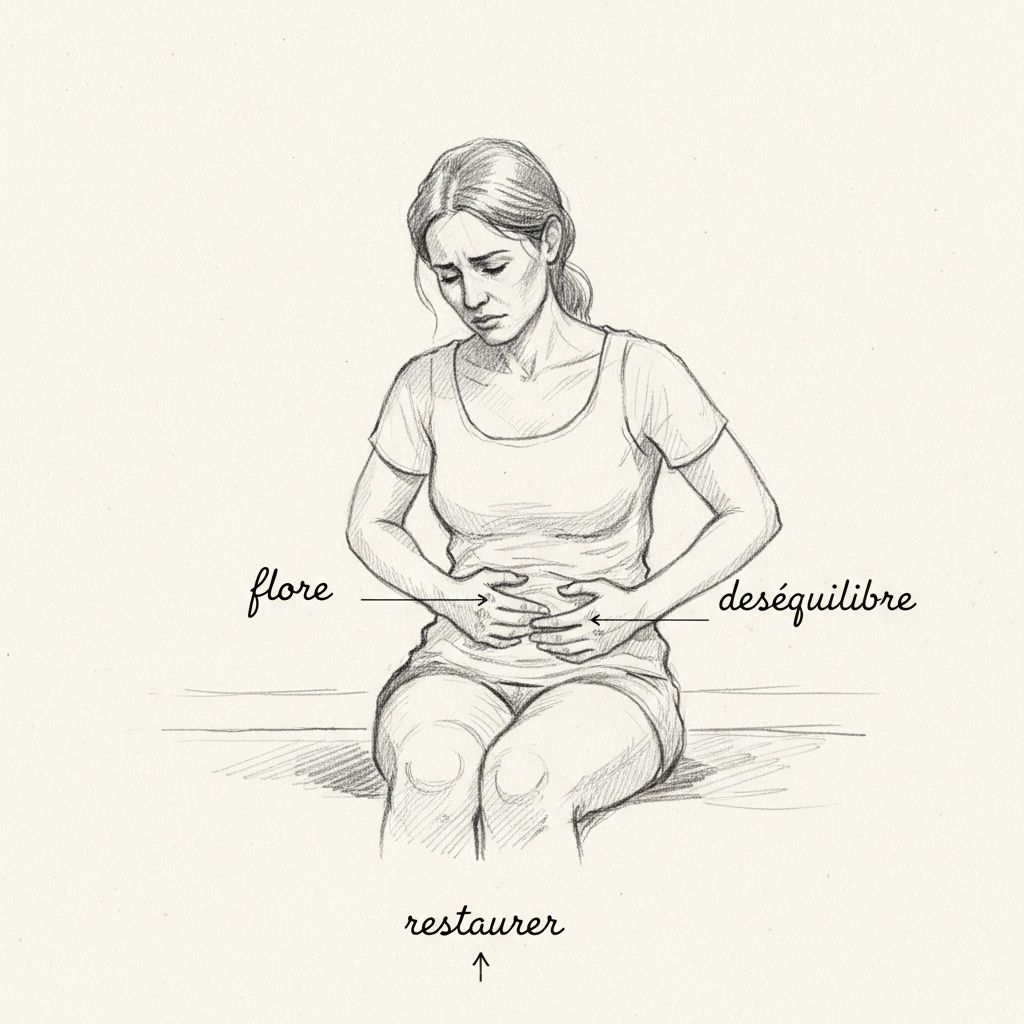
The 4R protocol I use in consultation (Remove, Repair, Reinoculate, Regenerate) is the foundation of microbiota restoration in dysbiosis. But beyond the curative protocol, there are tools for daily modulation that anyone can integrate into their life.
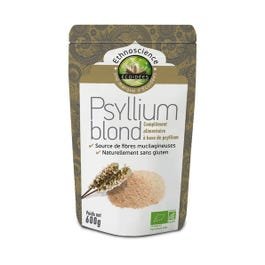
Prebiotics first. These are not dietary supplements, these are foods. Fructo-oligosaccharides (FOS) from onions, garlic, leeks, asparagus. Inulin from Jerusalem artichokes, chicory, artichokes. Beta-glucans from mushrooms and oats. Pectin from apples. Resistant starches from chilled potatoes, chilled rice, green bananas. The goal is diversity: the more different fibers you consume, the more different bacterial species you feed, and the more resilient your ecosystem is.
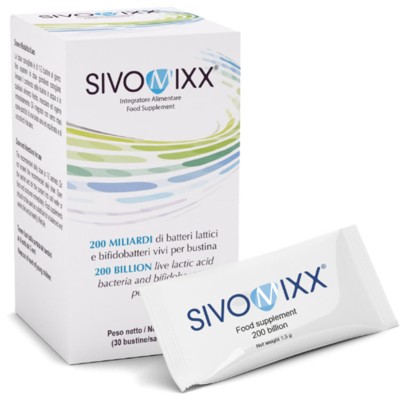
Probiotics next, when the terrain warrants it. The best-documented strains are Lactobacillus rhamnosus GG (immunity, diarrhea), Saccharomyces boulardii (candidiasis, post-antibiotic diarrhea), Bifidobacterium longum (anxiety, inflammation), Lactobacillus plantarum (intestinal barrier). The minimum effective dosage is ten billion CFU per day, in two doses, away from meals. But probiotics are just a crutch. Diet remains the true long-term gardener.
Turmeric (curcumin) is a remarkable microbiota modulator. It increases microbial diversity, promotes butyrate-producing species, reduces mucosal inflammation by inhibiting NF-kB, and restores the intestinal barrier. Omega-3 EPA/DHA, beyond their systemic anti-inflammatory effect, promote the growth of Bifidobacteria and Akkermansia muciniphila in the colon.
A word on fecal microbiota transplantation (FMT). It is a validated medical procedure in one specific indication: recurrent Clostridium difficile infection, where it achieves more than 90% cure. Clinical trials are exploring its potential in obesity, autoimmune diseases and psychiatric disorders, but results remain preliminary. It is an exciting lead that research continues to explore. In consultation, I never direct a patient toward FMT. It is not within my scope.
What naturopathy does not do
Naturopathy does not diagnose chronic inflammatory bowel diseases (Crohn’s, ulcerative colitis). It does not prescribe FUT2 genetic tests. It does not perform SIBO breath tests. It does not replace the gastroenterologist, immunologist, geneticist. If you have rectal bleeding, unexplained weight loss, severe abdominal pain, bloody diarrhea or fever, the first step is medical. Not naturopathic.
My role is to act upstream and in complement. Identify dietary and environmental factors that destroy your microbiota. Propose an individualized restoration protocol. Direct toward the right tests when the clinical picture warrants it. Support over time, because rebuilding a microbial ecosystem takes months, not weeks. Medicine and naturopathy do not oppose each other. They look at the same patient with different glasses.
Based in Paris, I consult by video throughout France. You can schedule an appointment for a complete intestinal assessment and personalized protocol.
To support your microbiota, Sunday Natural offers multi-strain probiotics, L-glutamine and pharmaceutical-grade turmeric (-10% with code FRANCOIS10). The Inalterra grounding mat reduces systemic inflammation and improves sleep quality (-10% with code FRANCOISB). And a Hurom extractor allows you to prepare raw vegetable juices rich in prebiotics and polyphenols (-20% with code francoisbenavente20). Find all my partnerships with exclusive promo codes.
To go further
- Intestinal dysbiosis: when your flora makes you sick
- Intestinal dysbiosis: the 5 profiles that sabotage your thyroid
- Restore your intestine: the naturopath’s 4R protocol
- SIBO: when the small intestine triggers autoimmunity
Sources
- Dominguez-Bello, M. G. et al. “Delivery mode shapes the acquisition and structure of the initial microbiota across multiple body habitats in newborns.” Proceedings of the National Academy of Sciences 107.26 (2010): 11971-11975.
- Gordon, J. I. et al. “An obesity-associated gut microbiome with increased capacity for energy harvest.” Nature 444 (2006): 1027-1031.
- Zimmermann, M. et al. “Mapping human microbiome drug metabolism by gut bacteria and their genes.” Nature 570 (2019): 462-467.
- Chassaing, B. et al. “Dietary emulsifiers impact the mouse gut microbiota promoting colitis and metabolic syndrome.” Nature 519 (2015): 92-96.
- Stilling, R. M. et al. “The neuropharmacology of butyrate: The bread and butter of the microbiota-gut-brain axis?” Frontiers in Behavioral Neuroscience 10 (2016): 199.
“Every disease begins in the intestine.” Hippocrates
Laisser un commentaire
Sois le premier à commenter cet article.