Your Brain Doesn’t Need Prozac. It Needs Raw Materials.
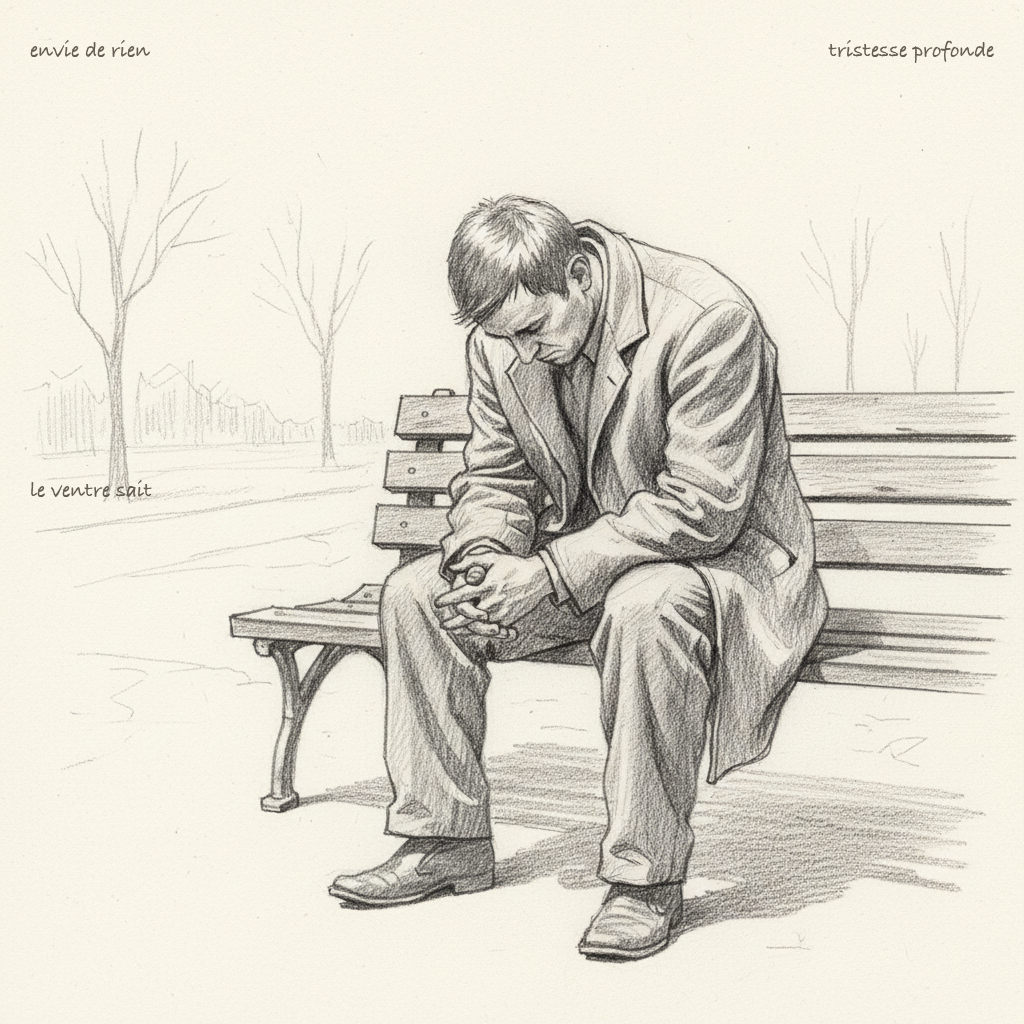
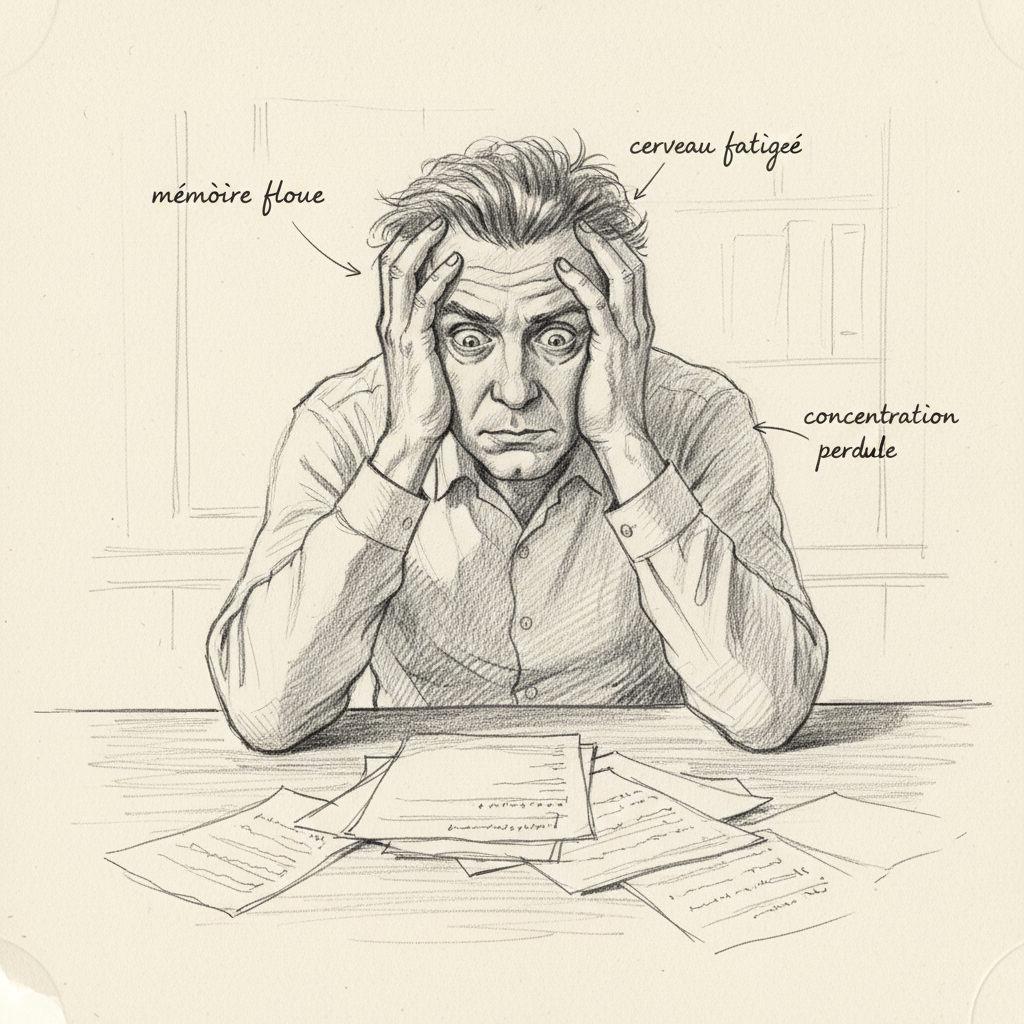
It’s 4:30 PM, you’re craving a chocolate croissant. By 10 PM, you’re standing in front of the pantry devouring cereal. At night, you wake up between 3 and 5 AM for no apparent reason. On weekends, your patience melts faster than butter in the sun. And in winter, you feel like you’re living under a gray ceiling that never lifts.
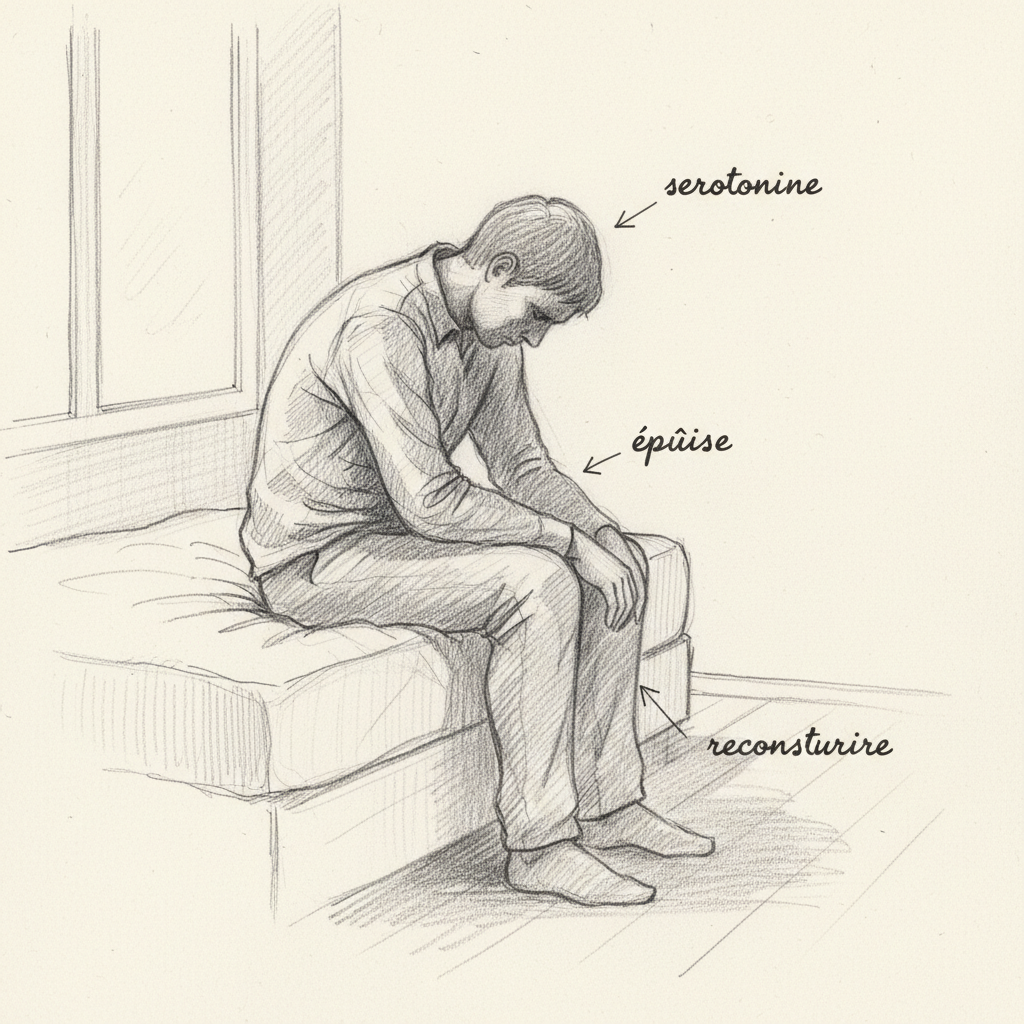
They’ll tell you it’s stress, fatigue, modern life. They’ll offer you an SSRI (selective serotonin reuptake inhibitor), a sleeping pill, or at best hollow advice like “get some rest.” Nobody will ask you the real question: is your body producing enough serotonin? The answer, in the vast majority of cases, is no. And the reason is biochemical, not psychological. One third of French people have a deficit in this neurotransmitter. Not because they’re fragile. Because they lack the raw materials to synthesize it.
“Modern man has everything going against him: he eats poorly, sleeps poorly, moves little, and wonders why he’s sick.” Dr. Jean-Pierre Willem
So, What Exactly is Serotonin?
Serotonin, whose real name is 5-hydroxytryptamine (5-HT), is a neurotransmitter. That is, a molecule that transmits messages between your neurons. Its molecular formula is C₁₀H₁₂N₂O, its molar mass is 176 g/mol, and its influence on your daily life is absolutely colossal. It regulates your mood, your sleep, your appetite, your pain sensitivity, and your intestinal transit. When it’s at a good level, you feel serene, patient, satisfied. When it drops, everything collapses at once, and it oddly resembles what we call “depression.”
Here’s the detail that changes everything: 95% of your serotonin is manufactured in your intestines, by enterochromaffin cells. Only five percent is produced in the brain, at the level of the raphe nuclei. This finding, published in 2015 in the journal Cell by Jessica Yano’s team at Caltech1, revolutionized our understanding of the gut-brain axis. In other words: if your intestines are in poor condition, your brain serotonin suffers directly. Healing your intestines means healing your mood. It’s not a metaphor, it’s biochemistry.
How Your Body Makes Serotonin and Where It Gets Blocked
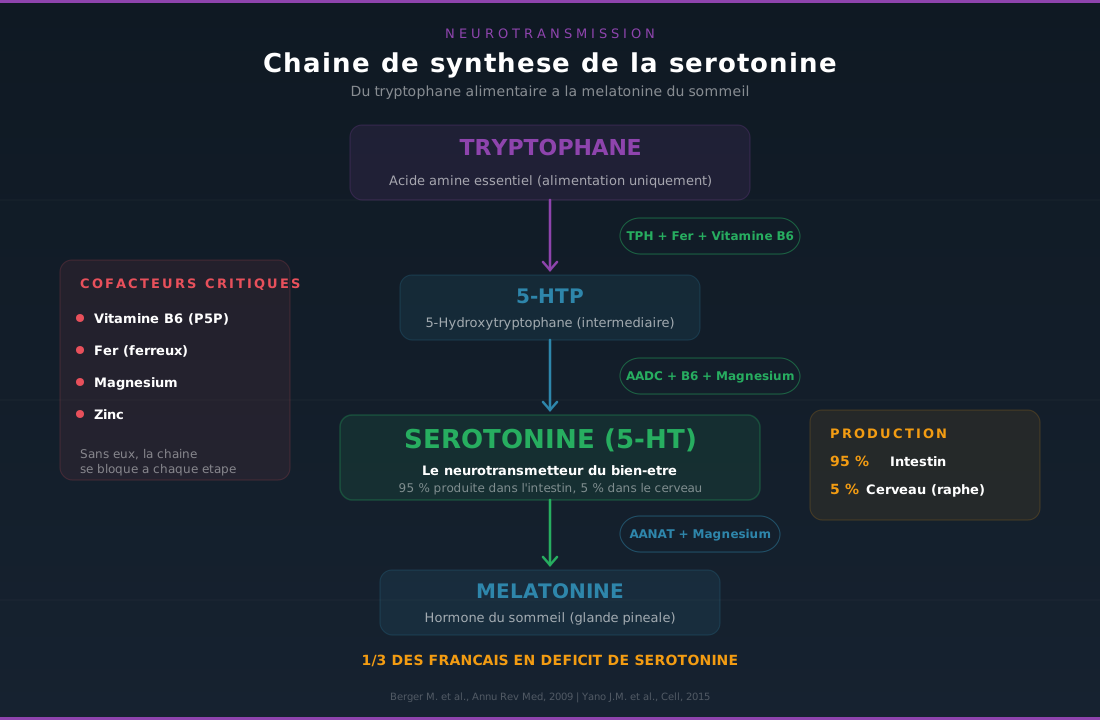
The manufacturing chain is elegant, but fragile. It all starts with tryptophan, an essential amino acid. Essential means your body can’t manufacture it: it must come from food, period. Tryptophan is first converted to 5-HTP (5-hydroxytryptophan) by the enzyme tryptophan hydroxylase (TPH). This step requires iron and vitamin B6 as cofactors. The 5-HTP is then converted to serotonin by the enzyme AADC (aromatic amino acid decarboxylase), which needs B6 and magnesium. And serotonin, once night falls, is transformed into melatonin by the enzyme AANAT, with magnesium as a cofactor.
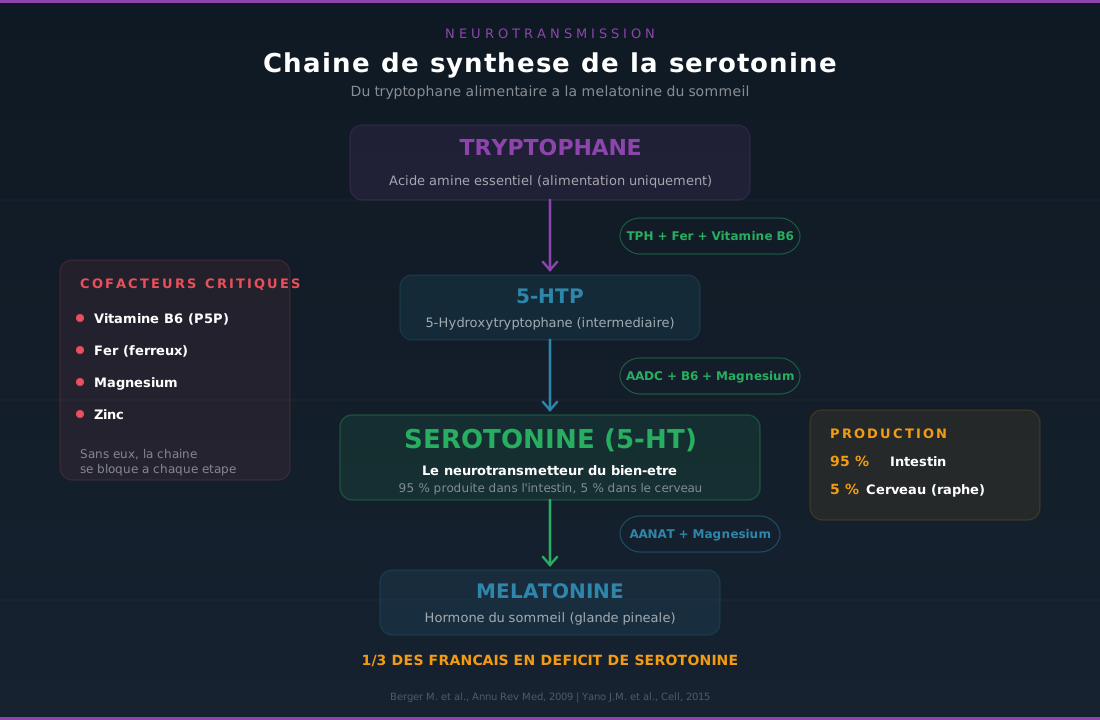
See the diagram? At each step, cofactors. If you lack iron, the chain jams from the start. If you lack B6, it jams twice. If you lack magnesium, no serotonin AND no melatonin. And I’m not even mentioning zinc, which plays a role upstream in your intestinal absorption of tryptophan. That’s why giving an SSRI to someone who lacks raw materials is like accelerating in a car with no gas. The medication prevents the recycling of existing serotonin. But there has to be some to recycle in the first place.
Your Intestines: The First Serotonin Factory
The idea that depression is solely a matter of the brain has had its day. Prof. Gérard Mouton, in his work Écosystème intestinal et santé optimale, writes it clearly: mental health begins in the digestive tract. This is what Catherine Kousmine sensed with her 6 pillars, placing intestinal hygiene at the foundation of all healing. And the scientific data proves her right. The intestinal microbiota directly participates in serotonin synthesis. Certain bacterial strains (Lactobacillus, Bifidobacterium, Streptococcus) produce tryptophan themselves or facilitate its conversion to 5-HT2. The vagus nerve, this biological cable linking the intestines to the brain, continuously transmits ascending information. When the microbiota is suffering (dysbiosis, candidiasis, intestinal permeability), serotonin production is disrupted, and the vagus nerve sends alarm signals to the brain.
In consultation, I regularly see patients who combine digestive troubles with mood troubles. Chronic bloating and anxiety. Constipation and insomnia. Food intolerance and seasonal depression. This is no coincidence. It’s the same deficit, the same molecule, the same terrain. And the solution goes through the intestines before it goes through the brain.
“The health of the intestines determines the health of the entire body. Whoever controls the flora controls the terrain.” Gérard Mouton
The 7 Signals Your Body Is Sending You
The beauty of naturopathic semiology is that you don’t need a blood test to suspect a serotonin deficit. Your body speaks.
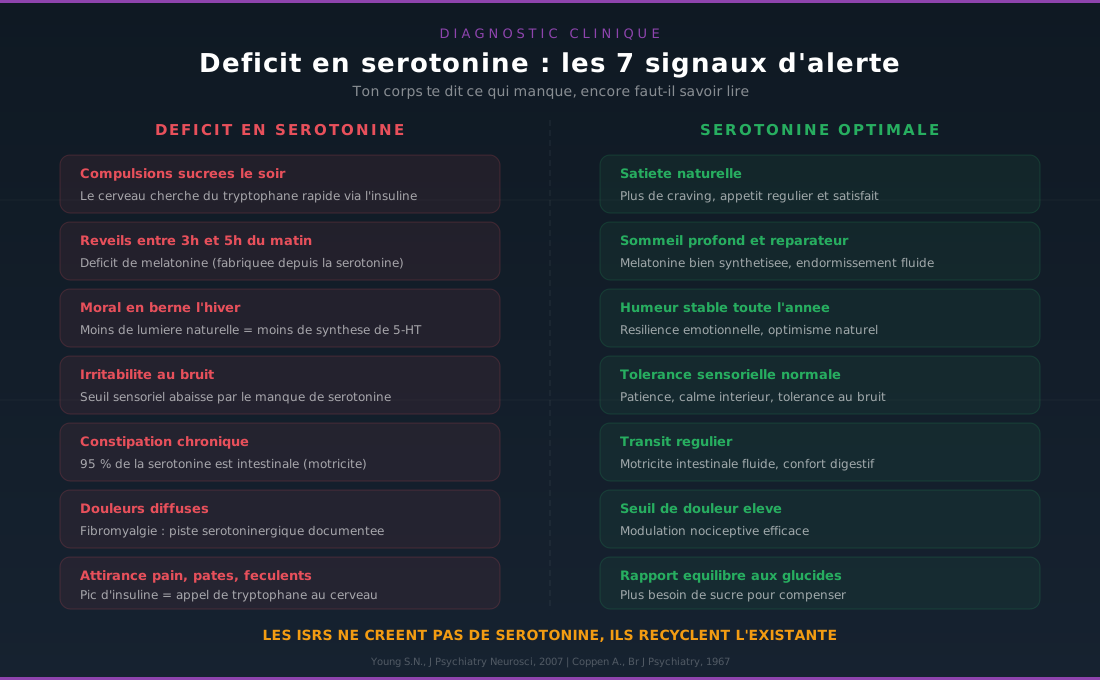
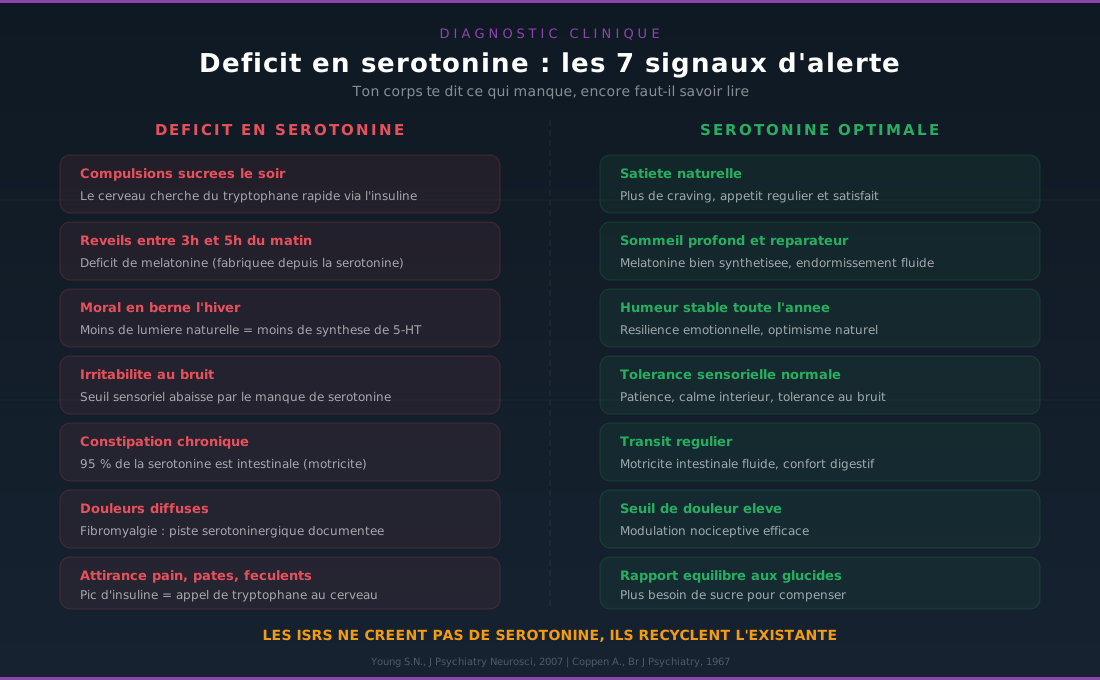
The irresistible craving for sugar late in the day is the most frequent sign. The mechanism is simple: when serotonin drops, the brain seeks tryptophan by the quickest route, and that route goes through an insulin spike (fast carbs). That’s why you systematically crave bread, pasta, chocolate after 4 PM. It’s not a lack of willpower, it’s a biochemical call.
Waking between 3 and 5 AM is another very reliable marker. Melatonin is manufactured from serotonin. If you don’t produce enough during the day, you won’t have enough melatonin at night, and sleep fragments in the second half of the night. Mood dip in winter (what’s called SAD, seasonal affective disorder) is also linked to serotonin: natural light stimulates its synthesis, and when days shorten, production drops. Excessive irritability, especially to noise, reflects a lowering of sensory threshold from serotonin deficiency. Chronic constipation (remember: 95% of serotonin is intestinal, and it regulates digestive tract motility). Diffuse pain, particularly in fibromyalgia where the serotonergic pathway is now well-documented. And finally, compulsive attraction to starches, which is a variant of the first sign.
If you recognize yourself in three of these signals or more, the probability of a serotonergic deficit is very high. The Braverman serotonin questionnaire, which I use regularly in practice, allows you to refine this neurobiochemical profile. If you also recognize yourself in lack of motivation and drive, take the dopamine test. And don’t forget the magnesium questionnaire, an essential cofactor in the synthesis chain.
What Destroys Your Serotonin Every Day
Chronic stress is the first thief. When cortisol rises, it diverts tryptophan toward the kynurenine pathway instead of the serotonin pathway3. Concretely: the small amount of tryptophan you absorb goes into a metabolic pathway that doesn’t serve you on the mood front, and serotonin is never synthesized. It’s a vicious mechanism, because it creates a vicious cycle: stress deprives you of serotonin, which makes you more vulnerable to stress, which depletes your tryptophan even more.
Refined sugar comes in second place. The irony is cruel: you eat sugar to compensate for the deficit (biochemical call), but the blood sugar spike followed by the insulin crash makes the problem worse. Alcohol is a direct neurotoxin that disrupts serotonin synthesis and reuptake. Lack of natural light reduces stimulation of the pineal gland. Sedentary behavior decreases BDNF (Brain-Derived Neurotrophic Factor), a growth factor that supports serotonin production. And birth control pills, as well as PPIs (proton pump inhibitors), disrupt the absorption of vitamin B6 and magnesium, two critical cofactors in the synthesis chain.
What to Eat to Produce Serotonin
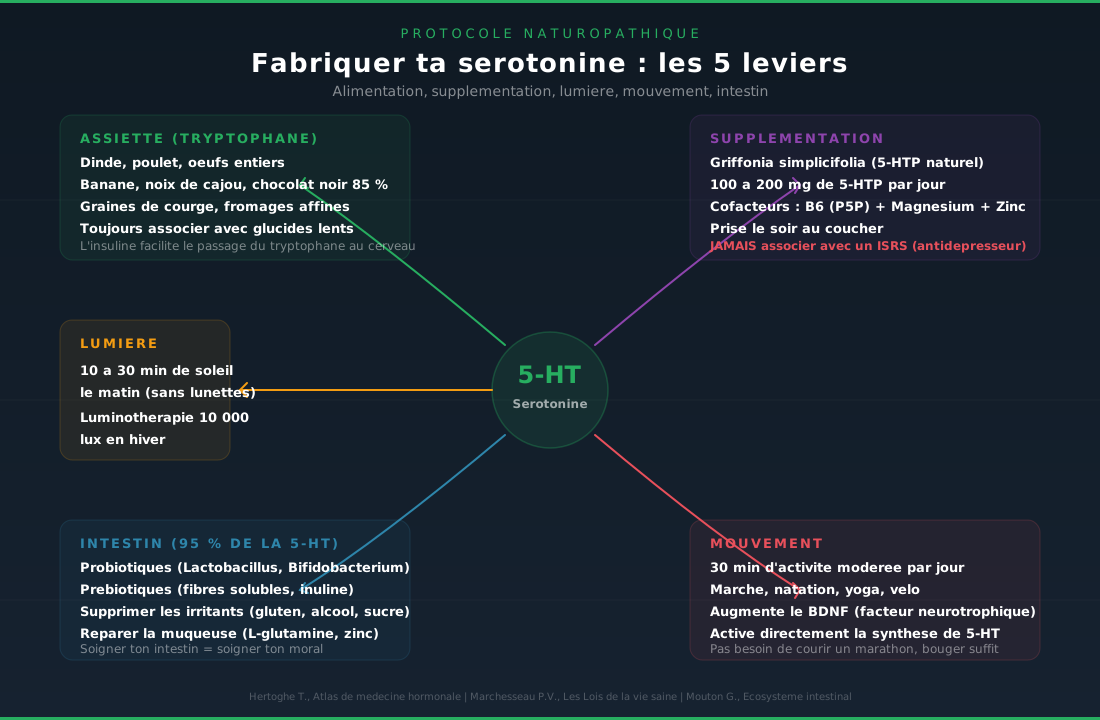
Tryptophan is present in animal proteins and certain plant proteins. Turkey and chicken are excellent sources, as are whole eggs (the yolk, not just the white), aged cheeses, salmon, cashews, pumpkin seeds, bananas, and dark chocolate at 85%. But there’s a trap that few people know about: eating protein alone isn’t enough. Tryptophan competes with other amino acids (leucine, isoleucine, valine, tyrosine) to cross the blood-brain barrier. And it’s the minority in this competition. To help it cross, you need insulin. And insulin is triggered by carbohydrates.
This is where things get interesting. The combination tryptophan + slow carbohydrates is key4. A dinner made of turkey or fish, with brown rice or sweet potatoes, followed by a square of dark chocolate, is a meal that provides both the tryptophan AND the insulin needed for its passage to the brain. Robert Masson, in his Diététique de l’expérience, already recommended this type of tryptophan-rich evening meal to promote sleep. Naturopathy often has 30 years on research. This is what Marchesseau called respecting the laws of living things: nourishing the body according to its real needs, not the food trends of the moment.
Griffonia: The Natural Precursor That Changes Everything
When diet isn’t enough (and in the case of an established deficit, it rarely is), griffonia simplicifolia comes into play. This African plant naturally contains 5-HTP, the direct precursor to serotonin5. The advantage of 5-HTP compared to tryptophan supplementation is that it bypasses the most fragile enzymatic step (the TPH) and goes directly to serotonin conversion. It crosses the blood-brain barrier without competition from other amino acids.
The standard dosage is 100 to 200 mg of 5-HTP per day, taken as a single dose in the evening at bedtime. The nocturnal serotonin peak promotes falling asleep and melatonin production. But 5-HTP alone isn’t enough. It must absolutely be combined with its cofactors: vitamin B6 in active form (pyridoxal-5-phosphate, 25 to 50 mg), magnesium bisglycinate (300 to 400 mg), and zinc bisglycinate (15 to 30 mg). These same cofactors are essential for your thyroid and cellular energy production, where carnitine plays a complementary role. Without them, 5-HTP won’t be properly converted.
A critical warning: griffonia should NEVER be combined with an SSRI (Prozac, Seroplex, Deroxat, Zoloft) or any other serotonergic antidepressant. The risk is serotonin syndrome6, an excessive accumulation of serotonin that can cause fever, tremors, rapid heartbeat, and in severe cases, coma. This is an absolute contraindication. If you’re taking an antidepressant and want to switch to griffonia, do so only under medical supervision, with a gradual weaning process guided by a professional.
The Three Levers People Always Forget
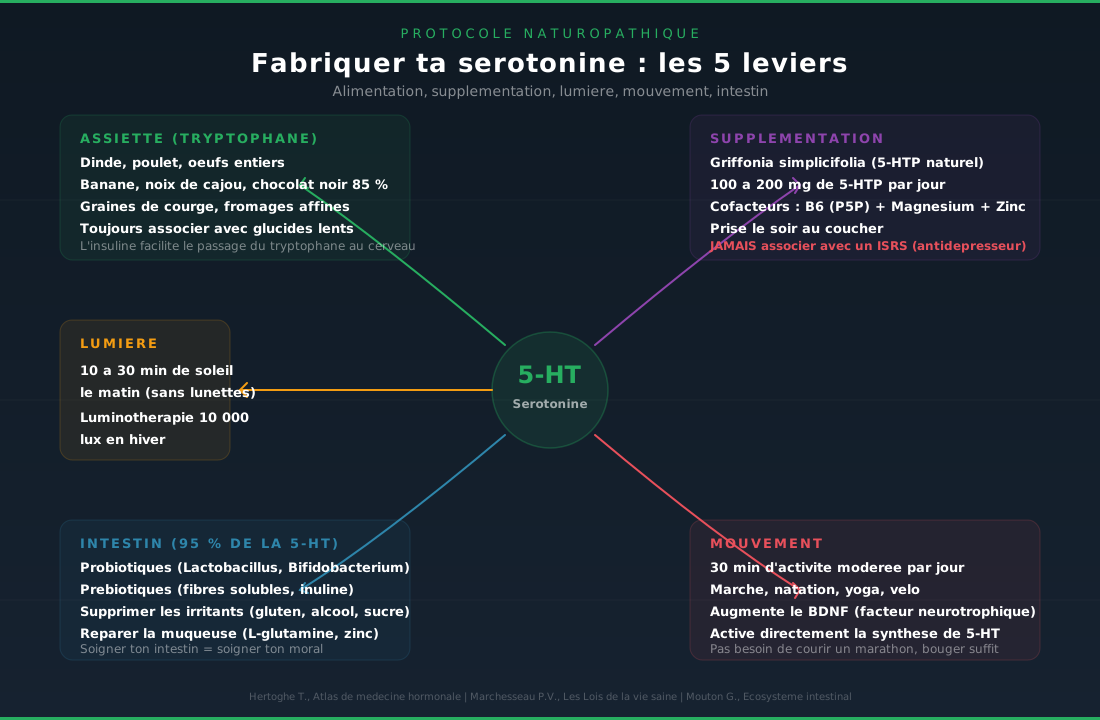
Light first. Exposure to natural light in the morning (10 to 30 minutes, without sunglasses) stimulates serotonin production via retinal ganglion cells. In winter, when natural light is lacking, light therapy at 10,000 lux is an effective alternative. Marchesseau, the father of French naturopathy, considered heliotherapy to be one of the ten natural agents of health. He was right, and studies by Simon Young published in the Journal of Psychiatry and Neuroscience confirm it: bright light increases the availability of brain serotonin in a measurable way7.
Movement next. Thirty minutes of moderate physical activity per day increases serotonin synthesis through two mechanisms. First, exercise directly activates TPH (the enzyme that converts tryptophan to 5-HTP). Second, it increases BDNF, this growth factor that promotes neuroplasticity and survival of serotonergic neurons8. No need to run a marathon: a brisk walk, yoga, swimming, cycling are enough.
And the intestines, of course. I said it above: 95% of serotonin is intestinal. Repairing the mucosa (L-glutamine, zinc), restoring the microbiota (targeted probiotics, prebiotics, fermented foods), removing irritants (gluten for sensitive people, alcohol, refined sugar) are essential steps. This is what orthodox naturopathy calls detoxification: cleaning the terrain before rebuilding it. Because a supplement taken on compromised intestines will be poorly absorbed. Logical, but so often neglected.
The Limits of the Natural Approach
Severe depression is a pathology that can be life-threatening. If you’re having dark thoughts, if you can’t get out of bed, if you’ve lost all motivation for weeks, see a doctor. The naturopathic approach is a complement, not a replacement for medical follow-up. Griffonia takes 2 to 4 weeks to produce its effects, and it’s not suitable for all neurobiochemical profiles (some deficits are dopaminergic or GABAergic, not serotonergic). That’s the whole point of the Braverman questionnaire: identifying which neurotransmitter is actually at fault before supplementing blindly.
Serotonin is not an abstract concept. It’s a molecule your body manufactures from specific raw materials: tryptophan, iron, B6, magnesium, zinc. If these raw materials are absent, production stops, and symptoms appear. The naturopathic approach consists of providing the raw materials, optimizing the factory (the intestines), and removing depletion factors. It’s simple, it’s logical, it’s effective. And it’s exactly what Marchesseau called “respecting the laws of healthy living.”
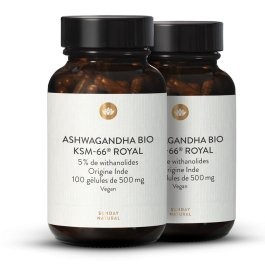
To support serotonin production, Sunday Natural offers 5-HTP (griffonia), magnesium bisglycinate, and pharmaceutical-grade B vitamins (-10% with code FRANCOIS10). The Inalterra grounding mat improves deep sleep and serotonin/melatonin conversion (-10% with code FRANCOISB). And a Hurom extractor prepares juices rich in tryptophan and cofactors (-20% with code FRANCOIS10). Find all my partnerships with exclusive promo codes.
If you want personalized support, you can book a consultation.
To Go Further
- Depression and Neurotransmitters: Micronutrition Changes Everything
- Vitamin B6 (P5P): Brain, Intestines, and Hormones in One Molecule
- Acetylcholine: The Forgotten Neurotransmitter of Your Memory
- Dopamine: When Motivation Dies Without Reason
Want to evaluate your status? Take the free melatonin hertoghe questionnaire in 2 minutes.
Sources
- Hertoghe, Thierry. The Hormone Handbook. 2nd ed. Luxembourg: International Medical Books, 2012.
- Mouton, Georges. Écologie digestive. Marco Pietteur, 2004.
“Depression is not a Prozac deficiency. It’s a raw materials deficiency.” Dr. Thierry Hertoghe
Scientific References
Healthy recipe: Banana bread without refined sugar: Banana is rich in tryptophan, the precursor to serotonin.
Footnotes
-
Yano, Jessica M., et al. “Indigenous Bacteria from the Gut Microbiota Regulate Host Serotonin Biosynthesis.” Cell 161, no. 2 (2015): 264-276. PMID: 25860609. ↩
-
Bravo, Javier A., et al. “Ingestion of Lactobacillus Strain Regulates Emotional Behavior and Central GABA Receptor Expression in a Mouse via the Vagus Nerve.” Proceedings of the National Academy of Sciences 108, no. 38 (2011): 16050-16055. PMID: 21876150. ↩
-
Oxenkrug, Gregory F. “Tryptophan-Kynurenine Metabolism as a Common Mediator of Genetic and Environmental Impacts in Major Depressive Disorder.” Israel Journal of Psychiatry and Related Sciences 47, no. 1 (2010): 56-63. PMID: 20686200. ↩
-
Fernstrom, John D., et Richard J. Wurtman. “Brain Serotonin Content: Increase Following Ingestion of Carbohydrate Diet.” Science 174, no. 4013 (1971): 1023-1025. PMID: 5120086. ↩
-
Javelle, Florian, et al. “Effects of 5-Hydroxytryptophan on Distinct Types of Depression: A Systematic Review and Meta-Analysis.” Nutrition Reviews 78, no. 1 (2020): 77-88. PMID: 31504850. ↩
-
Patel, Yesha A., et Nino Marzella. “Dietary Supplement-Drug Interaction-Induced Serotonin Syndrome Progressing to Acute Compartment Syndrome.” American Journal of Case Reports 18 (2017): 926-930. PMID: 28839121. ↩
-
Young, Simon N. “How to Increase Serotonin in the Human Brain without Drugs.” Journal of Psychiatry and Neuroscience 32, no. 6 (2007): 394-399. PMID: 18043762. ↩
-
Pietrelli, Alejandra, et al. “Aerobic Exercise Upregulates the BDNF-Serotonin Systems and Improves the Cognitive Function in Rats.” Neurobiology of Learning and Memory 155 (2018): 528-542. PMID: 29800645. ↩


Laisser un commentaire
Sois le premier à commenter cet article.