His name is Gérard, he’s 58 years old, and he’s convinced he’s protected. Six months ago, he had a myocardial infarction. Two active stents placed immediately after. Cardiac rehabilitation program. Three kilos lost. His cardiologist prescribed him aspirin, clopidogrel, a statin, and a beta-blocker. “Your cholesterol is well controlled, everything is fine.” Except nothing is fine. He weighs 92 kilos for 1.70 meters. His waist circumference is 107 centimeters. He sleeps poorly, wakes up tired, snores, gets up three times a night to urinate. After meals he has energy crashes and bloating. His libido has disappeared. He has muscle cramps during exercise and at night since starting treatment. His doctor tells him it’s “normal after a heart attack”1.
When Dr. Pierre Maldiney, a cardiologist specializing in anti-aging medicine and nutritional biology, presents this case at the Micronutrition diploma course, he asks a question that no one asks: “What if cholesterol wasn’t the culprit? What if we looked for the real culprits?” Not a standard lipid panel. A nutritional and functional assessment. Erythrocyte fatty acid profile. Homocysteinemia. Oxidative stress and antioxidant defenses. Antibodies against oxidized LDL. HOMA index. TMAO. LBP. And suddenly, the picture changes completely.
“Despite all the money invested, cardiovascular diseases remain the number one killer for over a hundred years.” Dr. Pierre Maldiney, Micronutrition diploma course
Cholesterol is innocent
This is the most provocative statement from Maldiney’s lecture, but it’s based on solid evidence. In 50% of patients who died suddenly from cardiac causes, cholesterol levels were normal2. In February 2015, a committee of American experts stopped setting limits on dietary cholesterol, acknowledging that research no longer justifies this restriction3.
Cholesterol is an essential molecule. It stabilizes cell membranes as I explain in the article on omega-3s and membrane fluidity. It is the precursor to all steroid hormones: cortisol, testosterone, estrogens, progesterone, aldosterone. It is the precursor to vitamin D. And it is essential for brain function. A study published in the International Journal of Neuropsychopharmacology showed an association between low serum cholesterol levels and suicidal behavior4.
What is dangerous is not cholesterol. It is oxidized cholesterol. And that’s where it all begins.
Statins: a mitochondrial poison
Statins are among the most sold medications in the world. Nearly seven million French people take them. They inhibit HMG-CoA reductase, the key enzyme in cholesterol synthesis. The problem is that this same enzyme also synthesizes coenzyme Q105.
CoQ10 is an essential electron carrier in the mitochondrial respiratory chain. As I explain in the article on cellular aging and mitochondria, the mitochondrion is the machine that produces ATP, the energy of our cells. An adult consumes approximately 40 to 50 kilos of ATP each day. The heart, which beats up to 100,000 times per day, is the organ most dependent on its mitochondria6.
By blocking CoQ10, statins become mitochondrial poisons. The consequences are documented in scientific literature: muscle pain (myalgias), cramps, fatigue, and more rarely rhabdomyolysis. Baker and Tarnopolsky described statin-associated neuromyotoxicity in 2005, with muscle and nerve signs sometimes irreversible7. The diabetogenic effect of statins is also proven: a thesis by Fréderick Stambach and publications in the Canadian Journal of Cardiology confirm that statins increase the risk of type 2 diabetes8.
Maldiney cites a rarely mentioned fact: the beneficial effect of statins on cardiovascular disease is essentially due to their anti-inflammatory activities, not their cholesterol-lowering effect9. This raises a fundamental question: why not treat inflammation directly, without depriving the body of its cholesterol and CoQ10?
And there’s something even more alarming. Maldiney cites a report showing “greedy” behavior observed in statin patients, who mistakenly think they’re protected and allow themselves to eat anything10. The statin becomes an alibi for poor eating.
The real culprits: inflammation and oxidation
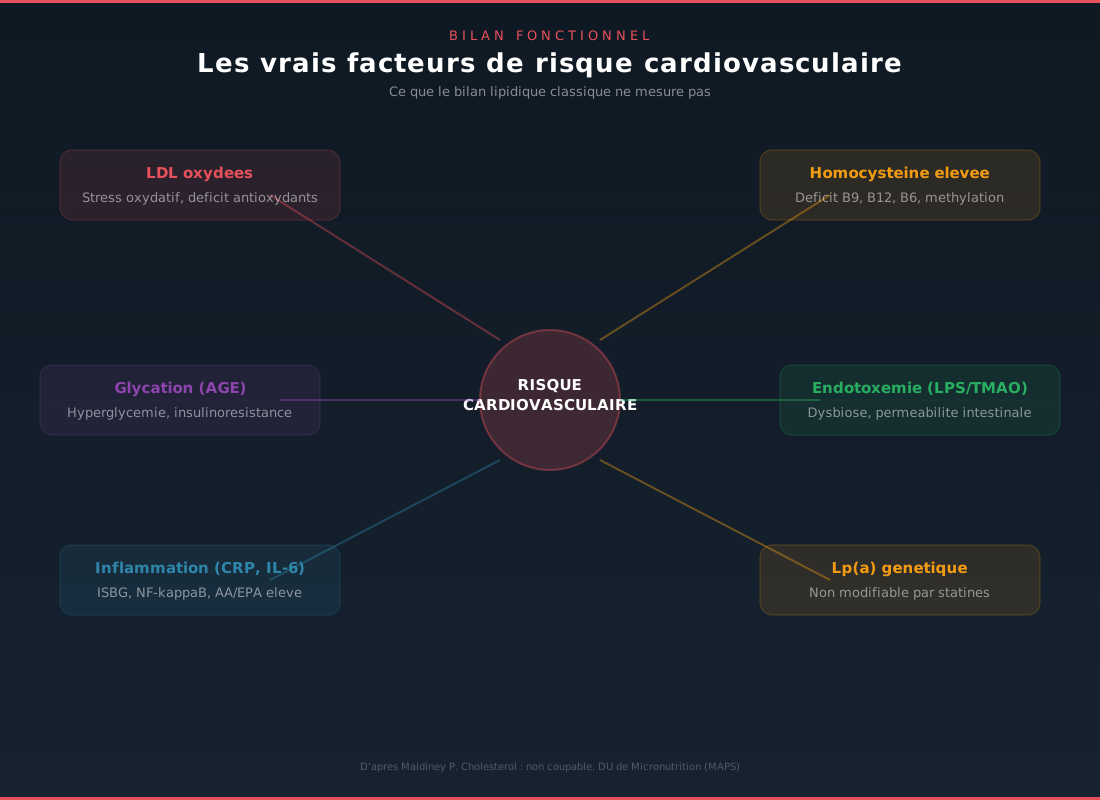
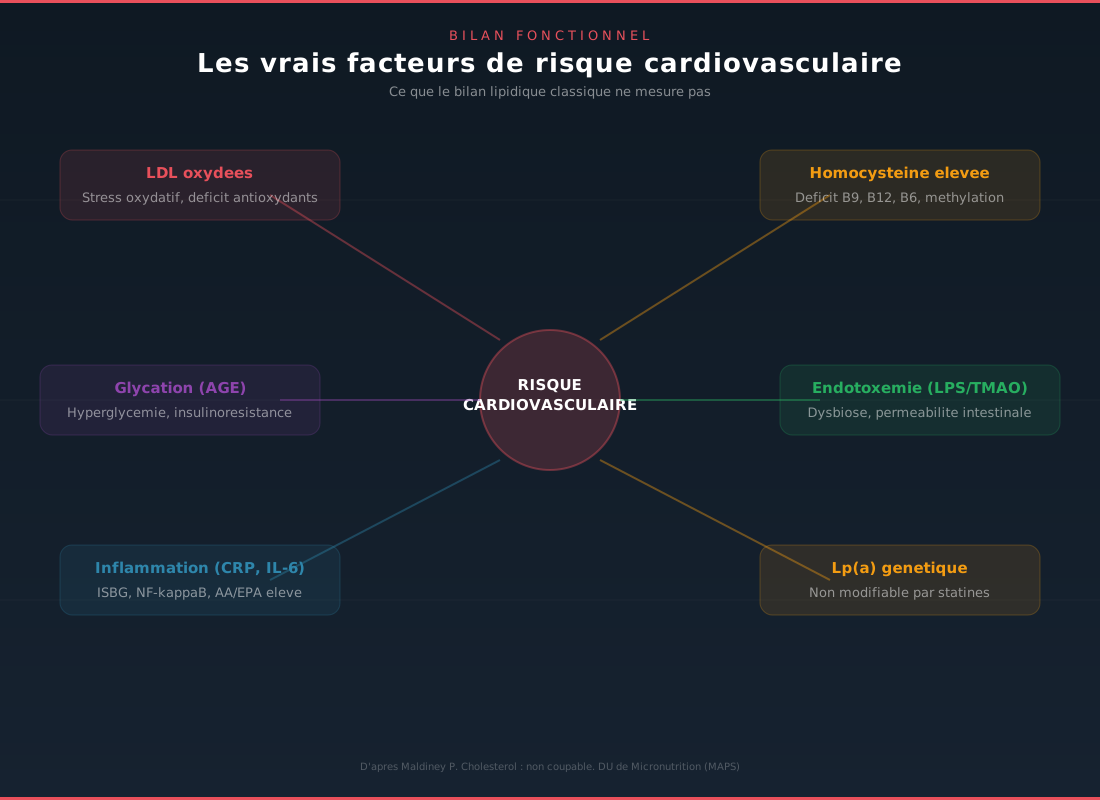
If cholesterol is innocent, who is guilty? Maldiney identifies two main criminals: oxidative stress and pathological inflammation. The two are intimately linked, and both are fueled by our lifestyle11.
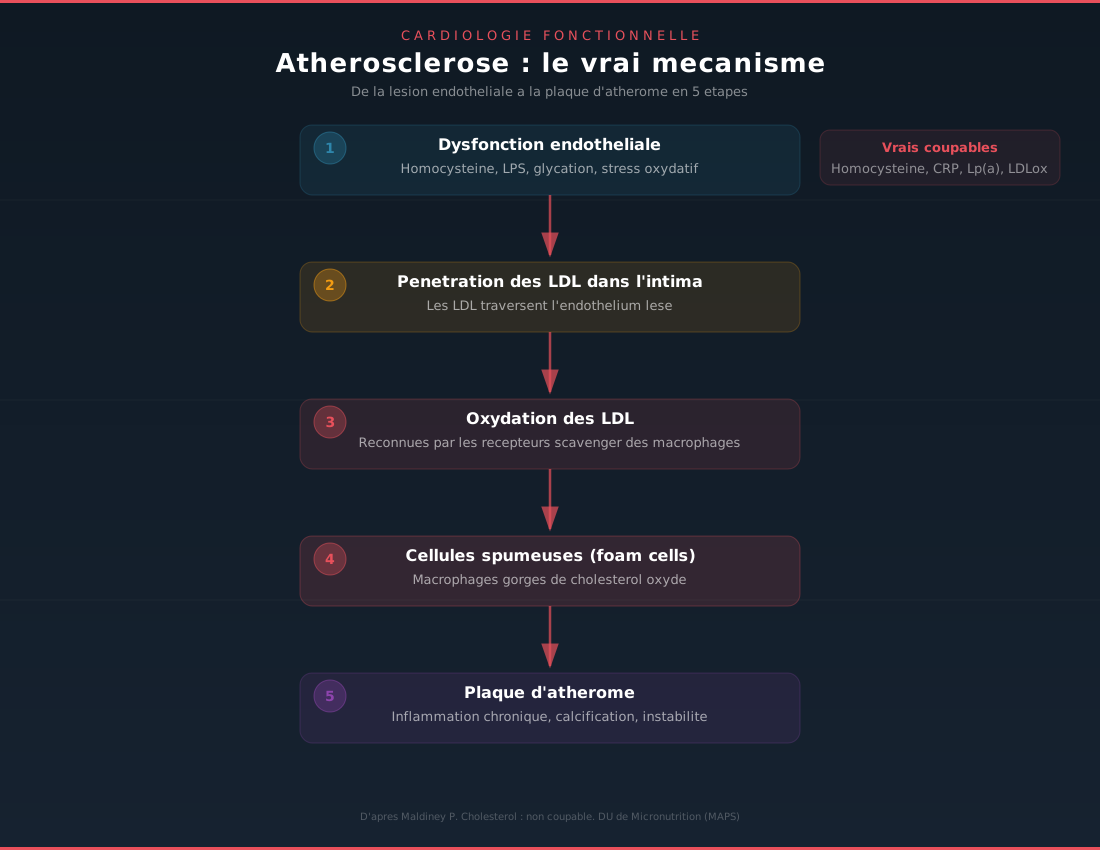
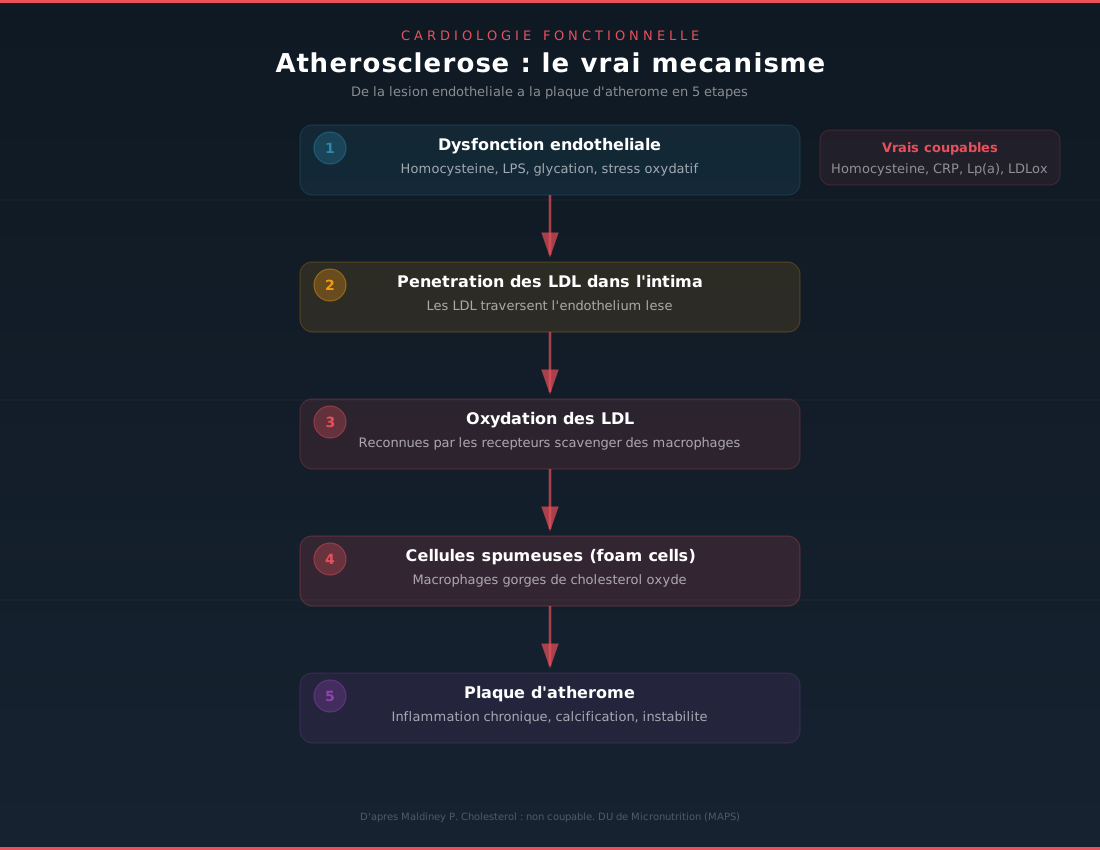
Atherosclerosis: the degeneration of the arterial wall responsible for cardiovascular diseases: is a chronic inflammatory disease characterized by remodeling of the arterial wall in response to injurious agents12. More precisely, it’s an autoimmune disease. Here’s the sequence. An increase in serum LDL leads to their accumulation in the subendothelial space. The LDL trapped there are exposed to free radicals from endothelial cells, which produces oxidized LDL. Macrophages capture these modified LDL and transform into foam cells. These are what form the atherosclerotic plaque13.
Circulating levels of oxidized LDL are closely associated with coronary disease, particularly in subjects under 60 years old. And the body produces antibodies against oxidized LDL, confirming the autoimmune nature of the process14. Maldiney hammers this home: it’s not native cholesterol that kills. It’s cholesterol that oxidative stress has transformed into poison.
Pathological cardiovascular inflammation follows three mechanisms. First, an excess of inflammatory signals linked to industrialized food (refined, nutrient-poor, rich in simple sugars) and intestinal hyperpermeability that increases absorption of undigested macromolecules. Second, an exacerbated transmission of the inflammatory signal by excessive activation of NF-κB, the master controller of immunity and inflammation. Third, an exacerbated inflammatory response by imbalance of the AA/EPA ratio in our diet15.
The AA/EPA ratio: the inflammatory clock
10,000 years ago, the ratio between arachidonic acid (AA, pro-inflammatory omega-6) and EPA (anti-inflammatory omega-3) was 1. 200 years ago, it was 3. 60 years ago, it was 6. Today, it is 1516. The ratio considered optimal is 3.
This imbalance explains why our arteries become inflamed. The intensity of the inflammatory reaction is controlled by prostaglandins and leukotrienes. Prostaglandins derived from EPA have an anti-inflammatory, antiplatelet, and vasodilatory effect. Those derived from AA have a pro-inflammatory, proplatelet, and vasoconstrictor effect17. When the AA/EPA ratio is 15, the balance tips massively toward inflammation.
The erythrocyte omega-3 index is, according to Maldiney, the most powerful, most scientific, and most manageable marker for effective prevention of cardiovascular disease18. An index between 8 and 10% is optimal. Most French people are below 4%. Eating fatty fish reduces cardiovascular death risk by 33%19. The GISSI-Prevenzione study on 11,000 post-MI patients showed significant mortality reduction with omega-3 supplementation20.
The cardiovascular protection mechanisms of omega-3s are multiple: antiarrhythmic, antithrombotic, vasorelaxant and antihypertensive effects, hypotriglyceridemic, and arterial anti-inflammatory21.
The mitochondrion: the heart’s engine
Your heart beats 100,000 times a day. Each contraction requires ATP produced by the heart muscle’s mitochondria. An optimal nutritional mitochondrial environment is a prerequisite for good cardiac health22.
The mitochondrial respiratory chain functions like a cascade of high-energy electron transport. At each step, 5 to 10% of electrons “fall” from the chain and produce free radicals: superoxide radical, hydrogen peroxide, hydroxyl radical through the Fenton reaction catalyzed by free iron23. This is a normal phenomenon. But when antioxidant defenses are insufficient, these radicals accumulate and oxidize membranes, proteins, DNA: and LDL.
Maldiney lists the mitochondrial micronutrients essential for cardiovascular protection: vitamins B1, B2, B3, B5, alpha-lipoic acid, L-carnitine, coenzyme Q10, iron, copper, omega-3 and omega-6, reduced glutathione (or its precursor NAC), selenium, zinc, manganese, vitamins E, A, and C24. Each occupies a precise place in the chain.
Superoxide dismutase (SOD), first line of defense, is an enzyme containing zinc and copper (SOD1) or manganese (SOD2). Glutathione peroxidase (GPx), dependent on selenium, eliminates peroxides. Vitamins A, C, and E regenerate each other: vitamin C recycles the tocopherols of the cell membrane25.
Alpha-lipoic acid: the universal antioxidant
Maldiney devotes several slides to this molecule he describes as “multifunctional, of paramount importance for the cell.” Alpha-lipoic acid is the only antioxidant that can be given alone, without assessment, even at high doses26.
Its properties are remarkable. It is capable of recycling all other antioxidants, notably oxidized glutathione. It is the most reducing of all: it can take electrons from NAD, the most energetic. And it is amphiphilic: it works in both aqueous and lipid environments, where most antioxidants only function in one or the other27.
It is also essential for allowing pyruvate entry into the mitochondrion, where it will be oxidized by the Krebs cycle. Without it, glycolysis stops, increasing intracellular glucose concentration: a direct bridge to insulin resistance28. Food sources: cruciferous vegetables and young organic spinach shoots.
Coenzyme Q10: the molecule stolen by statins
CoQ10 plays a dual role in the cell. In its oxidized form (ubiquinone), it transports electrons from the first and second to the third complex of the respiratory chain. In its reduced form (ubiquinol), it exerts an antioxidant function29.
A randomized, double-blind trial showed that CoQ10 supplementation in post-MI patients significantly improves clinical outcomes30. In Sweden, a study demonstrated that combined supplementation with selenium and CoQ10 reduces cardiovascular mortality in elderly people with low selenium status31.
Maldiney clarifies a practical point: some laboratories sell the superiority of ubiquinol over ubiquinone. Yet both forms constantly flip-flop between each other. In terms of effectiveness, both are equivalent32.
Homocysteine: the silent killer of your arteries
Homocysteine is an intermediate metabolite found at the crossroads of two fundamental metabolic pathways: methylation and transsulfuration. It accumulates with deficiencies in vitamins B6, B9, or B12. Hyperhomocysteinemia is an independent risk factor for atherosclerosis and thromboembolic diseases33.
The numbers are eloquent. An increase of just 5 µmol/L confers an increased risk of 80% in women and 60% in men of atherosclerotic disease. In a prospective study of 587 coronary patients followed for 4.6 years, only 3.8% of patients with homocysteine below 9 µmol/L died, compared to 25% for those exceeding 15 µmol/L, and 35% above 20 µmol/L34.
Homocysteine is endotheliotoxic through four mechanisms. It generates superoxide and hydrogen peroxide radicals that damage arterial endothelium. It modifies clotting factors in favor of clot formation. It prevents dilation of small arteries, making them vulnerable to obstruction. And it causes proliferation of smooth muscle cells in the arterial wall. When injected into arteries in animals, it produces lesions similar to atherosclerotic plaques35.
Maldiney gives a clear objective: maintain homocysteine below 7 µmol/L36. As I explain in the article on epigenetics and methylation, vitamins B6, B9 (as 5-MTHF), B12, and B2 are essential cofactors of the methylation cycle. And 40 to 60% of the population has a polymorphism of the MTHFR gene that prevents conversion of folic acid to its active form, 5-methyltetrahydrofolate37. These people accumulate homocysteine without knowing it.
Glycation: when sugar stiffens your arteries
Glycation is the non-enzymatic attachment of excess glucose to proteins. Glycated proteins undergo rearrangements that generate complex compounds called AGE (Advanced Glycation End products). While early stages are reversible, the AGE stage is irreversible. And these products cannot be destroyed by the body38.
In arteries, AGE formation leads to cross-linking between collagen fibers. The result: a loss of elasticity in blood vessel walls and myocardium. Direct impact on vessel compliance: arteries become stiff like PVC pipes39.
There is an even more toxic pathway. The degradation of certain glycolysis metabolites produces methylglyoxal, more reactive than glucose itself. The resulting AGEs are also more toxic. Methylglyoxal accumulates mainly when pyruvate cannot enter the mitochondrion: a vicious cycle with oxidative stress. Because the methylglyoxal detoxification system (glyoxalases 1 and 2) depends on reduced glutathione and NAD. If there’s not enough glutathione, not enough B3 to produce NAD, if the mitochondrion is struggling, methylglyoxal accumulates and worsens carbonyl stress40.
Metabolic syndrome: insulin resistance, increased waist circumference, elevated triglycerides, low HDL: multiplies total mortality by 4 and cardiovascular mortality by 641. The HOMA index allows detection of insulin resistance even when fasting blood sugar is still normal. A HOMA below 2.4 is normal. Between 2.4 and 4: insulin resistance. Beyond 4: mild type 2 diabetes42. Many coronary patients like Gérard have elevated HOMA that is never measured.
The intestine and the heart: an unsuspected alliance
Atherosclerosis is also a disease of the intestine. Maldiney identifies three pathways through which the microbiome alters cardiometabolism43.
The first is chronic bacterial translocation through intestinal hyperpermeability. Lipopolysaccharides (LPS) from gram-negative bacteria cross the intestinal wall and are captured by LBP (LPS Binding Protein). This passage triggers low-grade systemic inflammation, a macrophage flux into visceral adipose tissue, and activation of liver Kupffer cells, leading to fatty liver disease (NASH) and insulin resistance44. LBP is an indirect measure of metabolic endotoxemia. Its increase is associated with increased risk of cardiovascular morbidity and mortality.
The second pathway is TMAO (trimethylamine N-oxide). This metabolite comes from hepatic oxidation of trimethylamine, produced by the microbiome from dietary L-carnitine and choline. TMAO exerts endotheliotoxic activity and is a risk factor for atherosclerosis45. Maldiney issues a warning: be careful with carnitine supplementation in patients with dysbiosis. Carnitine, normally beneficial for transporting fatty acids into the mitochondrion, can become pro-atherogenic if the microbiome transforms it into TMAO46.
The third pathway is food immunization. IgG antibodies against food antigens (dairy, eggs, gluten) are correlated with inflammation and intima-media thickness in obese subjects: a marker of atherosclerosis47. As I explain in the 4R protocol, restoration of the intestinal barrier is the gateway to managing chronic inflammation.
Vitamin K2: the molecule that decalcifies your arteries
This is perhaps the most spectacular discovery cited by Maldiney. After three years of daily supplementation with 180 µg of vitamin K2 MK-7 (menaquinone), participants showed on average a reduction in arterial stiffness corresponding to approximately three times the normal age-related increase in the placebo group48. Maldiney comments: “This is the first time any substance has been able to reverse arterial stiffness. No existing drug can do it.”
The Rotterdam study, which analyzed the diet of 4,500 elderly people, concluded that vitamin K2 had a strong inverse relationship with aortic calcification, myocardial infarction, and a reduction of 25% in overall mortality[^49].
The mechanism works through matrix Gla protein (MGP), activated by vitamin K2. This protein assembles around the elastic fibers of the arterial lining and protects against calcium crystal deposition. Some researchers consider MGP the most powerful inhibitor of soft tissue calcification currently known. Vitamin K2 and vitamin D work synergistically to activate this protein[^50].
Gérard: the assessment that changed everything
Let’s return to Gérard’s case. His standard lipid panel showed only “well controlled” LDL on statin therapy. But the nutritional and functional assessment prescribed by Maldiney revealed a completely different picture[^51].
HOMA index: 6.2 (normal below 2.4). Despite normal fasting blood sugar and HbA1c, insulin concentrations were well above normal. This patient was in full insulin resistance syndrome, one of the main factors of metabolic syndrome. No one had looked for it[^52].
Homocysteine: 17.6 µmol/L (health objective: below 7). Major independent risk factor, never measured by his cardiologist. Each increase of 5 µmol/L multiplies cardiac event risk[^53].
Fatty acid profile: serum levels of saturated and monounsaturated fats too high, excess of elaidic trans fatty acids, excess omega-6, deficiency in EPA and DHA. Delta-6-desaturase was not functioning well. Omega-6 to omega-3 ratio massively unbalanced[^54].
Major oxidative stress: deficient antioxidant defenses with deficiencies in vitamins D, A, E, and CoQ10. Abnormally elevated levels of antibodies against oxidized LDL. Oxidative stress was directly involved in the atherosclerotic degeneration of his arteries[^55].
Elevated hs-CRP: low-grade inflammation. Elevated LBP: metabolic endotoxemia. Food immunization against all dairy, eggs, gluten. Significant bacterial dysbiosis. Ferritin at 238 ng/ml, an inflammatory marker[^56].
Maldiney’s conclusion is unambiguous: “This coronary patient suffers from atherosclerosis that is an autoimmune disease, a low-grade systemic inflammatory disease. His nutritional assessment is remarkably disturbed and allows us to understand the causes that led to his cardiovascular event[^57].”
Maldiney’s protocol
The proposed management is based on dietary re-education: chewing, temporary exclusion of immunogenic foods (dairy, eggs, gluten), low glycemic index nutrition, small fatty fish three times a week, organic seasonal fruits and vegetables[^58].
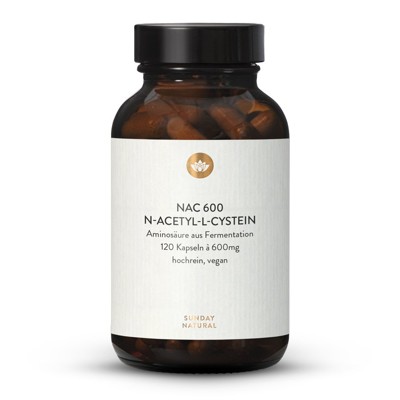
Treatment of leaky gut syndrome through the 4R protocol: L-glutamine, zinc, probiotics, digestive enzymes, vitamin D. Treatment of insulin resistance: omega-3s, chromium, vitamin B1, alpha-lipoic acid. Supplementation of identified deficiencies: B vitamins for homocysteine (B6, B9 as 5-MTHF, B12), CoQ10 (mandatory on statin therapy), vitamin D, vitamin K2 MK-7, NAC for glutathione[^59].
And physical activity: but not just any kind. Maldiney cites data showing that short, intense, fractional exercises (HIIT) are superior to steady-state endurance for cardiovascular health. They improve insulin sensitivity, increase GLUT4 glucose transporters, select the most efficient mitochondria, and reduce abdominal fat[^60].
What naturopathy has always known
Cardiovascular disease. Behind these words, conventional medicine sees cholesterol to lower. Maldiney sees an organism in distress: mitochondria depleted of CoQ10, arteries oxidized by free radicals, a permeable intestine pouring toxins into the blood, homocysteine gnawing at the endothelium, an omega-6 to omega-3 ratio sustaining permanent inflammation. Cholesterol is only a witness to a fire it didn’t start.
Naturopathy has always said that chronic disease is a disease of terrain. Cardiovascular terrain is low-grade systemic inflammation fed by food, stress, sedentary lifestyle, and dysbiosis. The tools of nutritional biology: fatty acid profile, homocysteine, HOMA, LBP, TMAO, oxidative stress: allow us today to quantify this terrain. And to correct it, nutrient by nutrient.
Gérard didn’t need cholesterol at 0.8 g/l on a statin. He needed his mitochondria, antioxidants, omega-3s, intestinal barrier, and B vitamins restored. His heart wasn’t asking for one more drug. It was asking for nutrition.
Want to assess your status? Take the free omega-3 questionnaire in 2 minutes.
To go further
- Medications and deficiencies: when your treatment steals your nutrients
- Omega-3 and membrane fluidity: why your cells don’t communicate anymore
- Thyroid and liver: the duo you ignore and that explains everything
- Micronutrition assessment: the 7 analyses your doctor never prescribes
Footnotes
-
Maldiney P. Cardiovascular diseases: the real culprits. Micronutrition diploma course (MAPS). Slides 226-227: case study, obese post-MI male. ↩
-
Maldiney P. Micronutrition diploma course. Slide 15: “In 50% of patients who died suddenly from cardiac causes, cholesterol levels were normal.” ↩
-
Maldiney P. Micronutrition diploma course. Slide 31: “Washington 20/02/15, no more limit to dietary cholesterol.” ↩
-
Lalovic A et al. Cholesterol content in brains of suicide completers. Int J Neuropsychopharmacol. 2007;10(2):159-66. Cited slide 24. ↩
-
Maldiney P. Micronutrition diploma course. Slide 19: “Inhibition of HMG-CoA reductase → inhibition of CoQ10.” ↩
-
Maldiney P. Micronutrition diploma course. Slides 47-51: “Your heart beats 100,000 times a day. Mitochondrion and myocardial contraction.” ↩
-
Baker SK, Tarnopolsky MA. Statin-associated neuromyotoxicity. Timely Top Med Cardiovasc Dis. 2005. Cited slide 23. ↩
-
Maldiney P. Micronutrition diploma course. Slide 26: “Diabetogenic effect of statins.” Can J Cardiol. 2015;31(8):963-5. ↩
-
Maldiney P. Micronutrition diploma course. Slide 27: “The beneficial effect of statins is essentially due to their anti-inflammatory activities.” ↩
-
Maldiney P. Micronutrition diploma course. Slide 17: “Greedy behavior in statin patients.” ↩
-
Maldiney P. Micronutrition diploma course. Slide 34: “The culprits: oxidation + pathological inflammation.” ↩
-
Maldiney P. Micronutrition diploma course. Slide 138: “Atherosclerosis: chronic inflammatory disease.” ↩
-
Maldiney P. Micronutrition diploma course. Slide 145: “Oxidation of LDL and atherosclerosis.” ↩
-
Maldiney P. Micronutrition diploma course. Slides 140-144: Oxidized LDL, antibodies against oxidized LDL, autoimmune atherosclerosis. ↩
-
Maldiney P. Micronutrition diploma course. Slides 40-41: “3 mechanisms of pathological cardiovascular inflammation.” ↩
-
Maldiney P. Micronutrition diploma course. Slide 63: “AA/EPA ratio: 10,000 years ago = 1, today = 15.” ↩
-
Maldiney P. Micronutrition diploma course. Slide 58: “Pro and anti-inflammatory prostaglandins.” ↩
-
Maldiney P. Micronutrition diploma course. Slide 64: “The omega-3 index is the most powerful marker for cardiovascular prevention.” ↩
-
Maldiney P. Micronutrition diploma course. Slide 53: “Fatty fish reduces CV death risk by 33%.” ↩
-
GISSI-Prevenzione trial. Lancet. 1999;354(9177):447-55. Cited slide 61. ↩
-
Maldiney P. Micronutrition diploma course. Slide 74: “5 mechanisms of cardiovascular protection of omega-3s.” ↩
-
Castronovo V, cited by Maldiney P. Micronutrition diploma course. Slides 51, 81: “Optimal mitochondrial nutritional environment = prerequisite for cardiac health.” ↩
-
Maldiney P. Micronutrition diploma course. Slide 90: “5-10% of electrons fall from the transport chain → free radicals.” ↩
-
Maldiney P. Micronutrition diploma course. Slide 89: “Mitochondrial micronutrients.” ↩
-
Maldiney P. Micronutrition diploma course. Slide 125: “Vitamins A, C, E regenerate one another.” ↩
-
Maldiney P. Micronutrition diploma course. Slide 110: “Alpha-lipoic acid: the only antioxidant that can be given alone.” ↩
-
Maldiney P. Micronutrition diploma course. Slide 112: “Alpha-lipoic acid: multifunctional molecule.” ↩
-
Maldiney P. Micronutrition diploma course. Slide 109: “Alpha-lipoic acid essential for pyruvate entry into mitochondrion.” ↩
-
Maldiney P. Micronutrition diploma course. Slides 114-115: “CoQ10: electron carrier + antioxidant.” ↩
-
Singh RB et al. Randomized CoQ10 trial post-MI. Cited slide 116. ↩
-
Maldiney P. Micronutrition diploma course. Slide 98: “Selenium + CoQ10 reduces CV mortality in elderly people.” ↩
-
Maldiney P. Micronutrition diploma course. Slide 121: “Ubiquinone/ubiquinol: both are equivalent.” ↩
-
Maldiney P. Micronutrition diploma course. Slides 149-154: “Homocysteine: independent cardiovascular risk factor.” ↩
-
Maldiney P. Micronutrition diploma course. Slide 155: “Prospective study of 587 patients, 3.8% vs 25% deaths depending on homocysteine level.” ↩
-
Maldiney P. Micronutrition diploma course. Slides 156-157: “4 mechanisms of homocysteine toxicity.” ↩
-
Maldiney P. Micronutrition diploma course. Slide 158: “Keep homocysteine < 7 µmolar.” ↩
-
Maldiney P. Micronutrition diploma course. Slide 152: “MTHFR: 40-60% of the population.” ↩
-
Maldiney P. Micronutrition diploma course. Slide 171: “Glycation: non-enzymatic attachment of glucose to proteins → irreversible AGE.” ↩
-
Maldiney P. Micronutrition diploma course. Slide 173: “AGE → collagen cross-linking → loss of vascular elasticity.” ↩
-
Maldiney P. Micronutrition diploma course. Slides 174-176: “Methylglyoxal and vicious cycle of oxidative/carbonyl stress.” ↩
-
Maldiney P. Micronutrition diploma course. Slide 164: “Metabolic syndrome: total mortality ×4, CV mortality ×6.” ↩
-
Maldiney P. Micronutrition diploma course. Slide 167: “HOMA index: < 2.4 normal, 2.4-4 resistance, > 4 mild diabetes.” ↩
-
Maldiney P. Micronutrition diploma course. Slide 182: “3 pathways microbiome → cardiometabolism.” ↩
-
Maldiney P. Micronutrition diploma course. Slides 183-184: “LBP and metabolic endotoxemia.” ↩
-
Maldiney P. Micronutrition diploma course. Slides 188-193: “TMAO: morbid union of diet and microbe.” ↩
-
Maldiney P. Micronutrition diploma course. Slide 127: “Be cautious with carnitine supplementation if dysbiosis present → TMAO.” ↩
-
Wilders-Truschnig M et al. IgG against food antigens correlated with inflammation and intima-media thickness. Exp Clin Endocrinol Diabetes. 2008;116(4):241-5. Cited slide 244. ↩
-
Maldiney P. Micronutrition diploma course. Slide 204: “K2 MK-7 180 µg/day: reduction in arterial stiffness × 3 vs placebo ↩



Laisser un commentaire
Sois le premier à commenter cet article.