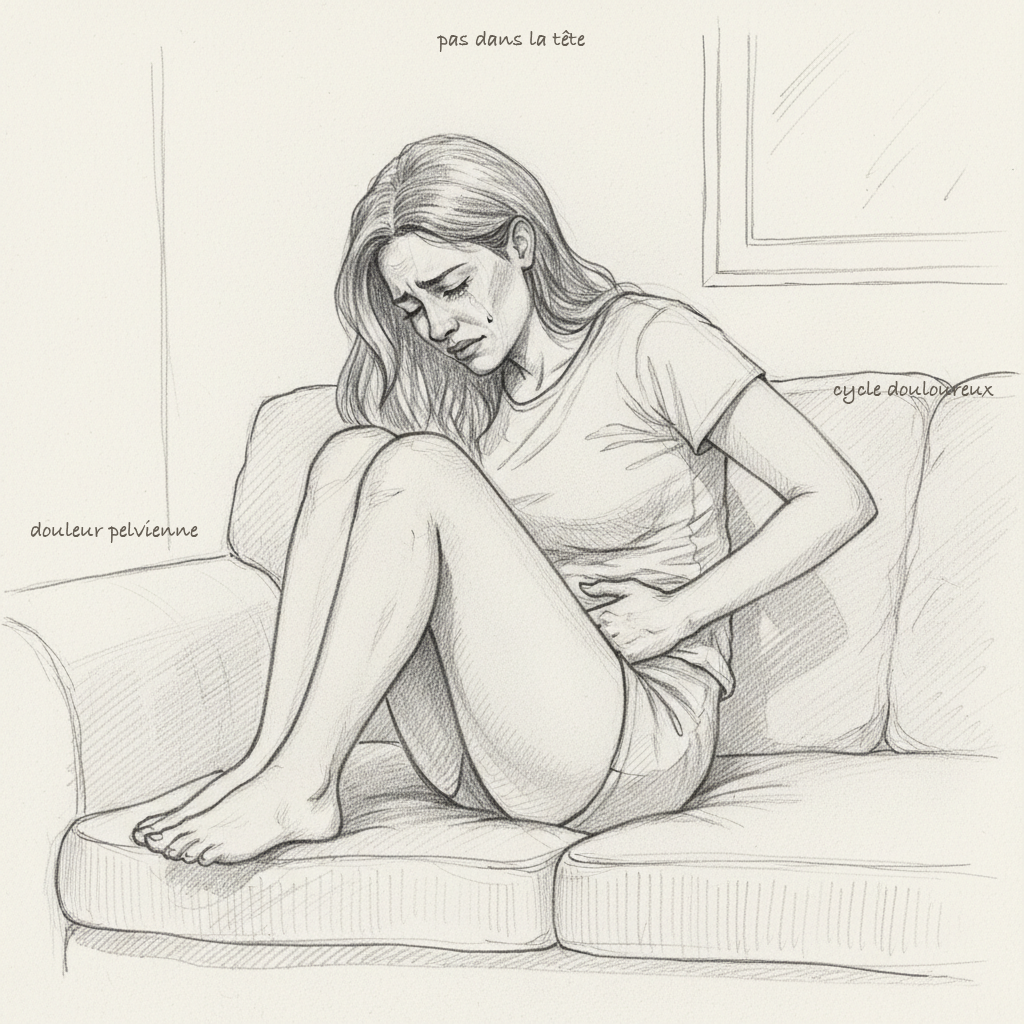
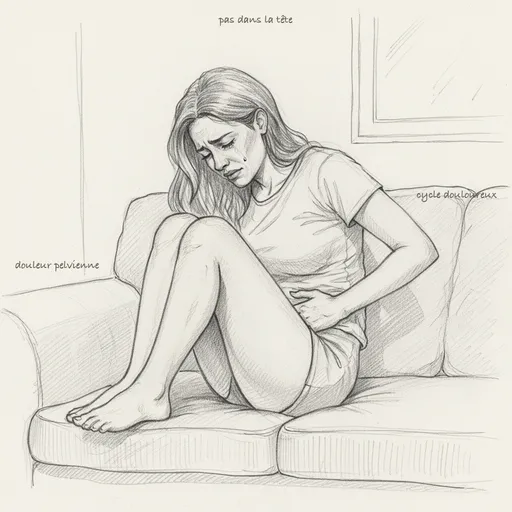
Her name is Camille, she’s 31 years old, and when she sat across from me for the first time, she told me something I’ve heard dozens of times: “I was put on the pill at 16 for pain, and nobody ever explained to me why I was in pain.” Fifteen years of hormonal contraception. And when she stopped for a pregnancy plan, everything fell apart. Chronic pelvic pain, heavy periods, crushing fatigue. Diagnosis: stage III endometriosis. She was offered laparoscopy and a return to the pill. No explanation of her underlying terrain. No nutritional leads. No mention of the liver, intestines, or deficiencies.
Endometriosis affects one in ten women of reproductive age. The average diagnostic delay is seven years. Seven years of normalized pain, medical wandering, “it’s all in your head.” It’s a disease in which endometrial tissue migrates and implants outside the uterus, on the ovaries, peritoneum, uterosacral ligaments, sometimes the bladder or rectum. This ectopic tissue reacts to hormonal fluctuations in the cycle, causing inflammation, adhesions, and chronic pain.
“Don’t kill the mosquitoes, dry up the swamp.” Pierre-Valentin Marchesseau
Conventional medicine treats endometriosis through hormonal suppression (pill, GnRH) or surgery. These are indispensable tools in certain cases. But they don’t answer the fundamental question: why did this terrain develop? Naturopathy doesn’t claim to cure endometriosis. It proposes to understand and act on the roots of the imbalance. And when you start digging, you discover that this disease is the crossroads of several dysregulations that naturopathy knows how to support.
What they don’t tell you about endometriosis
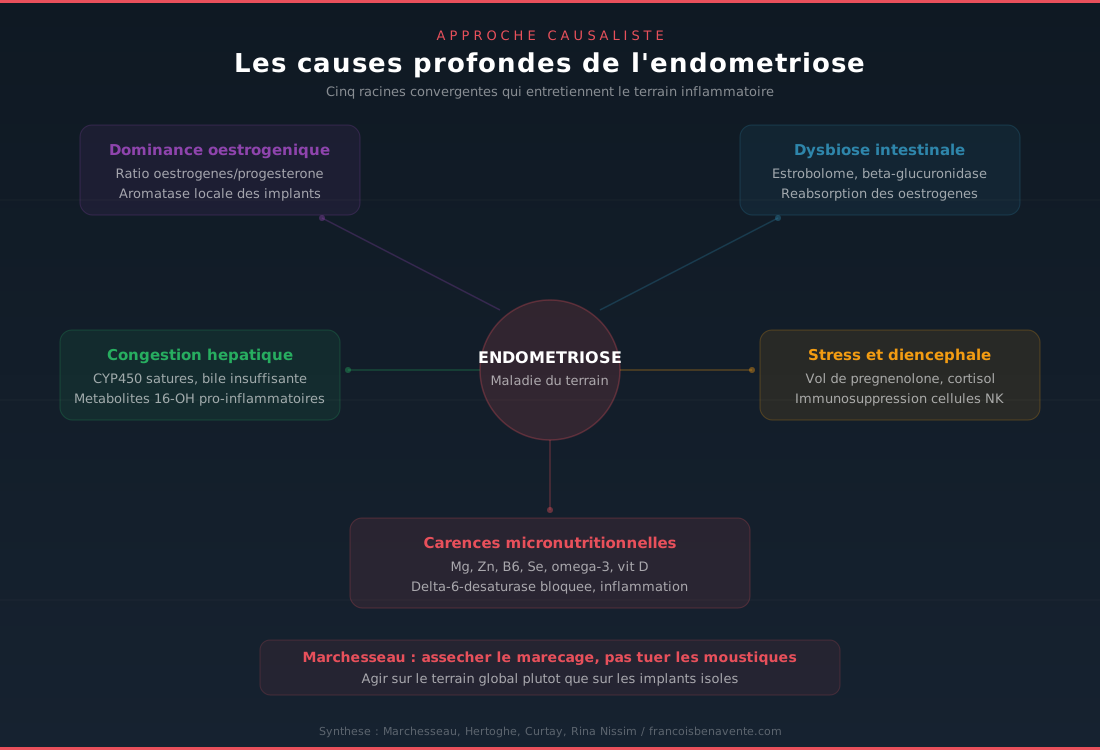
Endometriosis is not a local problem. It’s not “just” tissue in the wrong place. It’s a terrain disease, in the sense that Marchesseau understood it. A clogged terrain, inflammatory, hormonally imbalanced, deficient in micronutrients, nervously stressed. The endometrial implants are the visible consequence of a global imbalance. And this imbalance has identifiable roots.
Menstrual reflux theory (Sampson’s theory) explains that menstrual blood flows back through the fallopian tubes into the abdominal cavity. But 90% of women have this reflux1, and only 10% develop endometriosis. So the reflux isn’t the problem. It’s the terrain that allows these cells to survive, implant, and proliferate. A functional immune system destroys these ectopic cells. A healthy terrain doesn’t let them establish themselves.
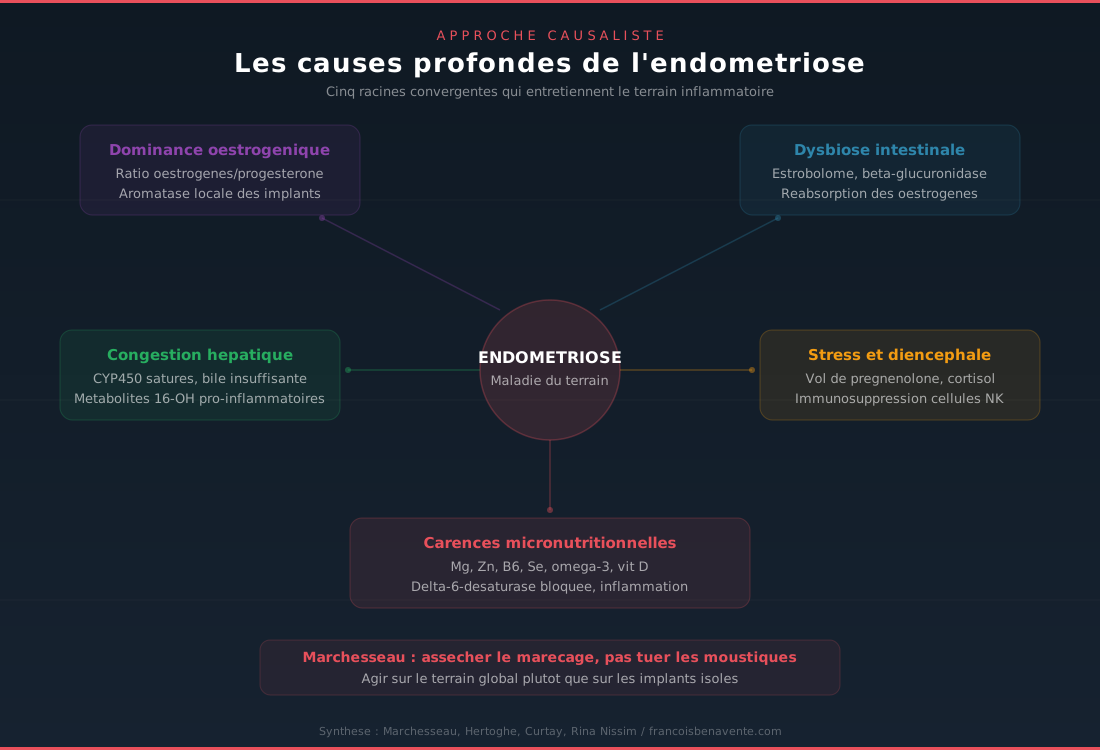
Five roots feed this terrain: estrogen dominance, intestinal dysbiosis, liver congestion, chronic stress via the diencephalon, and micronutrient deficiencies. Everything is connected. And everything can be improved. Endometriosis and PCOS actually share a terrain of estrogen dominance.
The three hormonal and digestive roots
The first root is estrogen dominance. As I explain in the article on painful periods, dominance doesn’t mean excess. It’s an imbalance in the estrogen/progesterone ratio. And in endometriosis, this ratio is almost always disrupted. The endometrial implants themselves produce aromatase, an enzyme that converts androgens to estrogens locally2. They thus create their own fuel. A self-sustaining vicious circle.
Hertoghe emphasizes in The Hormone Handbook: when progesterone is insufficient, the endometrium develops under the unbalanced influence of estrogens. And in endometriosis, ectopic tissues follow the same logic. The naturopathic goal is clear: reduce the overall estrogen load and support progesterone production.
The second root is intestinal dysbiosis. The intestines play a central role in estrogen metabolism, through what’s called the estrobolome. It’s the set of bacteria capable of producing beta-glucuronidase, an enzyme that unconjugates estrogens that the liver had prepared for elimination3. Result: instead of being evacuated in stool, estrogens are reabsorbed into circulation. Dysbiosis increases estrogen load without having consumed a single endocrine disruptor.
Intestinal candidiasis worsens the picture. Candida albicans weakens the tight junctions of the intestinal epithelium, creating intestinal permeability that allows pro-inflammatory macromolecules to pass through. It captures magnesium through tricarballylate production. And it maintains chronic mucosal inflammation that exhausts the immune system, the very system that should destroy ectopic endometrial cells.
The third root is liver congestion. The liver is the central organ for estrogen detoxification. The cytochrome P450s (CYP1A1, CYP1B1, CYP3A4) metabolize estrogens into different metabolites. The 2-OH metabolites are protective. The 16-alpha-OH and 4-OH metabolites are pro-inflammatory and potentially genotoxic. To direct toward the protective 2-OH pathway, the liver needs cruciferous vegetables (indole-3-carbinol, sulforaphane), B6, magnesium, and efficient methylation (B9, B12, betaine).
When the liver is overloaded by xenoestrogens (pesticides, plastics, conventional cosmetics), alcohol, medications, ultra-processed foods, its detoxification capacity collapses. Estrogens accumulate. Dominance sets in. And because the liver also produces the bile necessary for intestinal elimination of these metabolites, liver congestion also means reduced bile production, which slows transit and promotes reabsorption.
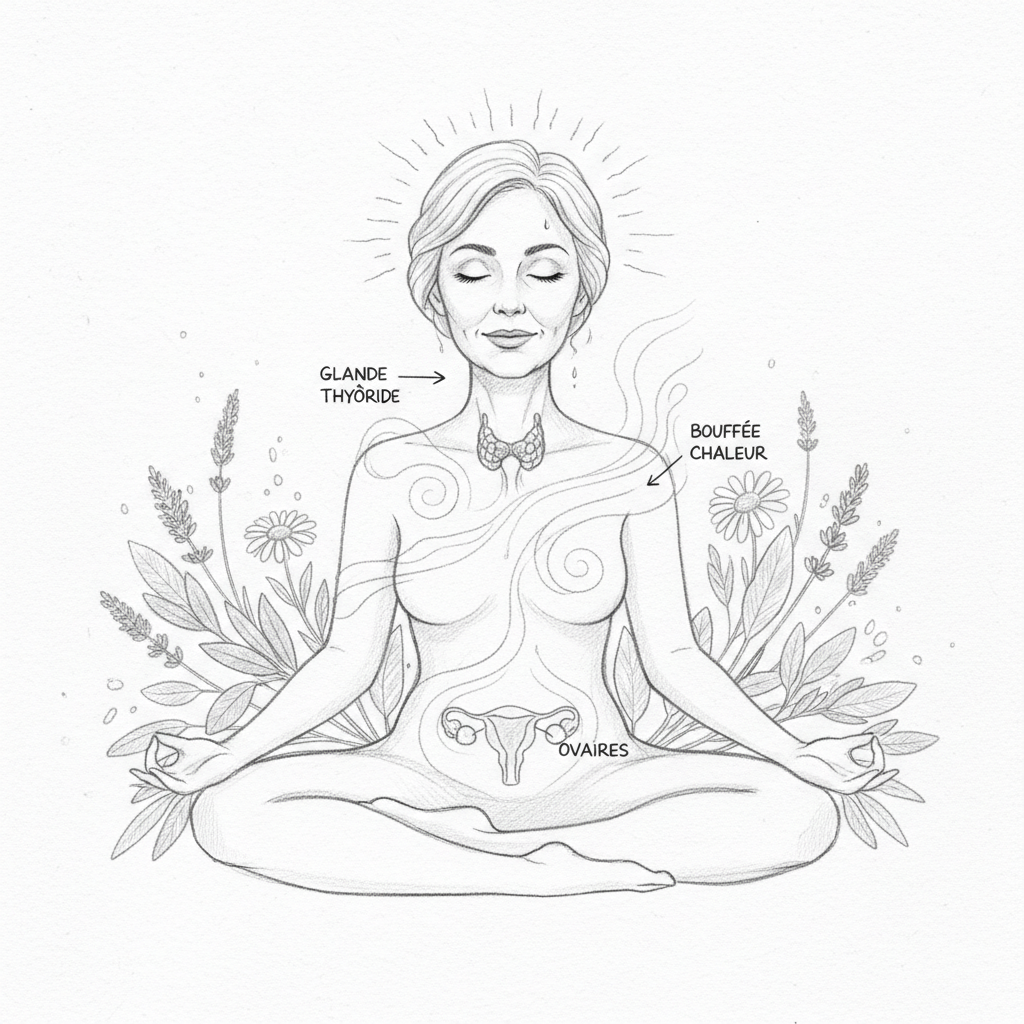
The link with the thyroid is direct. Hypothyroidism slows liver metabolism, decreases bile production, and promotes estrogen dominance. Conversely, excess estrogen increases TBG (thyroxin-binding globulin), which reduces free thyroid hormones. The interaction between thyroid, estrogens, and progesterone is a central axis in the management of endometriosis. It’s a vicious circle that the BHV protocol in pregnancy and endometriosis support systematically addresses.
Stress and the diencephalon
Marchesseau placed the diencephalon at the top of his physiological hierarchy. This region of the brain, which includes the hypothalamus and thalamus, coordinates the autonomic nervous system, the endocrine system, and the immune system. Three systems directly involved in endometriosis.
Chronic stress activates the hypothalamic-pituitary-adrenal (HPA) axis. The adrenals produce excess cortisol. And cortisol and progesterone share a common precursor: pregnenolone. This is the famous “pregnenolone steal.” When the body is in survival mode, pregnenolone is diverted toward cortisol production at the expense of progesterone. Estrogen dominance worsens without the ovaries having changed anything.
The BHV protocol I use in consultation emphasizes this point: freeing the diencephalon and its nerve annexes is the second step of the protocol, even before opening the emunctories. Relaxing means disconnecting the cortex from the diencephalon. Reviving means restarting nerve vitality. Recharging means enriching the nerve plexuses with energy through daily vitalogenic actions. Paul Carton summed it up: “The hygienist becomes a minister of vital energy.”
Chronic stress also has a paradoxical immunosuppressive effect. Elevated cortisol decreases NK (natural killer) cell activity4, the very cells that should clean up ectopic endometrial cells. A chronically stressed woman therefore has an immune system less capable of preventing the implantation of migrating endometrial cells5.
Pillar 1: draining the overloads
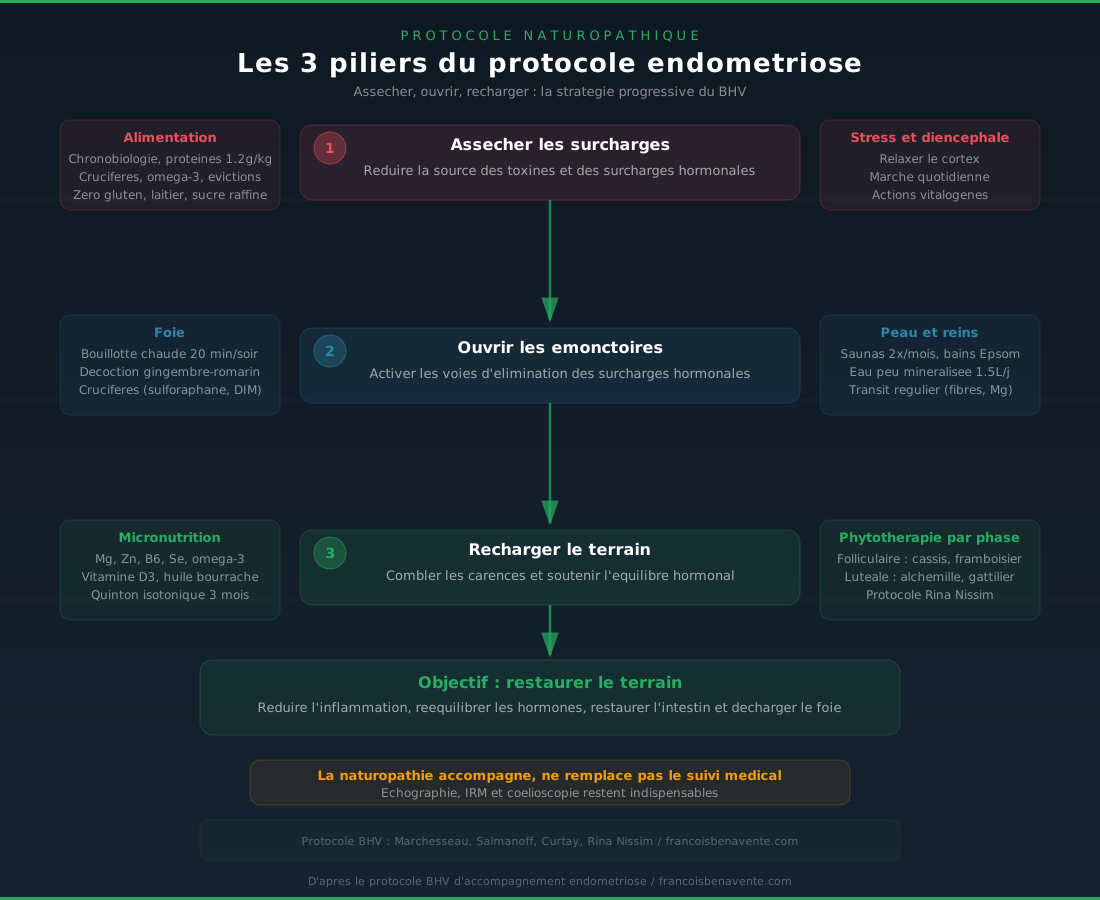
The BHV protocol for endometriosis support begins with diet. Not a diet. A deep reform, adapted to chronobiology.
In the morning, the body needs quality proteins and fats to synthesize neurotransmitters and hormones. This is the anabolic window. Organic eggs, small fatty fish (sardines, mackerel), nuts (walnuts, almonds), avocado. Protein target: 1.2 g per kg of body weight per day, split across breakfast and lunch meals.
In the evening, we lighten up. Cooked vegetables, soups, light proteins if needed. We don’t overload nighttime digestion, which is when the liver works on hormonal detoxification.
Non-clogging starches replace white bread, pasta, and refined cereals: sweet potato, chestnut, quinoa, buckwheat, well-soaked legumes. As Paul Carton said, “each digestion is a battle.” We don’t exceed digestive capacity.
Priority eliminations: wheat (intestinal permeability), conventional dairy products (xenoestrogens, pro-inflammatory casein), refined sugar (insulin resistance, candidiasis), alcohol (liver overload), non-fermented soy (excessive phytoestrogens in women with dominance), sunflower and corn oils (excess omega-6). We replace with olive oil for cooking, flax or camelina oil for dressing. We integrate cruciferous vegetables daily: broccoli, kale, rocket, cauliflower, radishes. Broccoli sprouts are the most concentrated in sulforaphane.
The ginger-rosemary decoction in the morning, which I prescribe systematically, combines hepatoprotective, cholagogue, and anti-inflammatory effects. Ginger inhibits COX-2 with the same efficacy as ibuprofen in clinical studies on dysmenorrhea6, without destroying the gastric mucosa.
Pillar 2: opening the emunctories
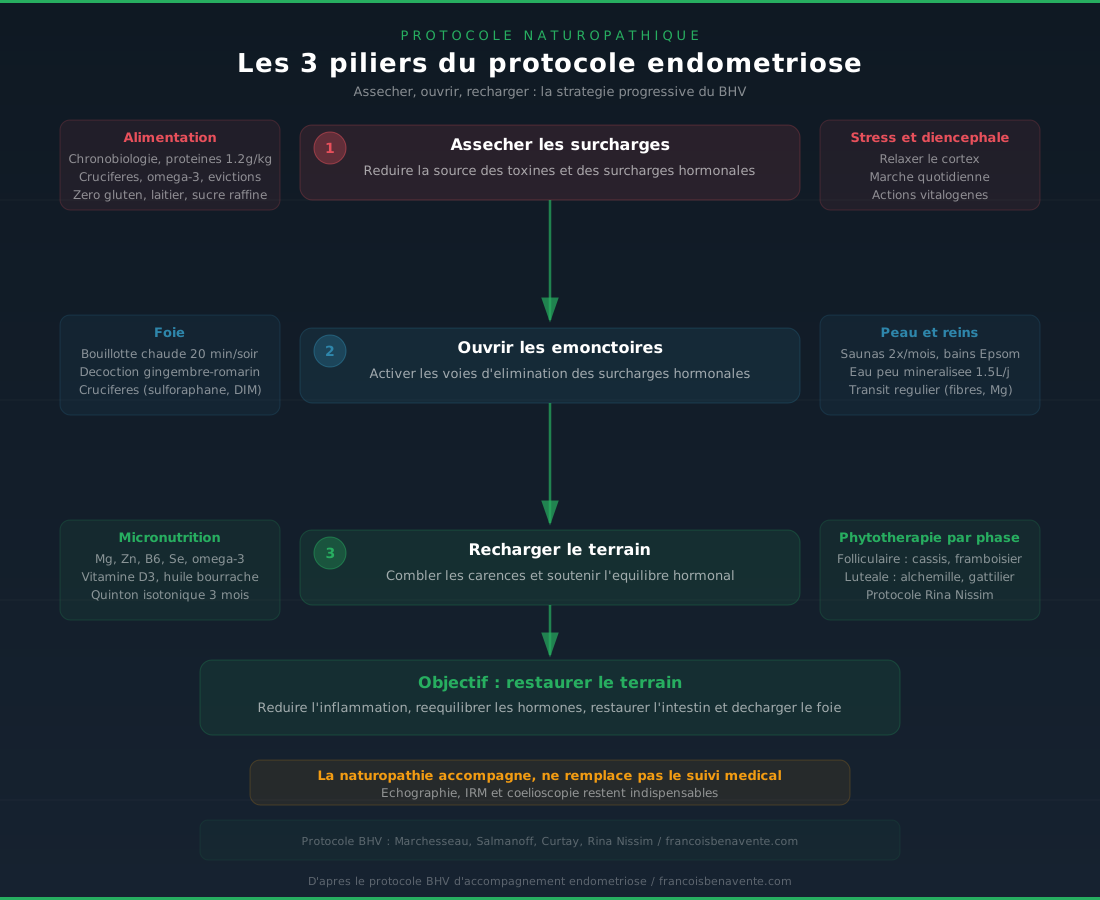
The liver first. The hot water bottle on the right hypochondrium each evening, 20 minutes, is the simplest and most powerful gesture. It activates liver circulation, promotes bile production, and accelerates estrogen detoxification. Rosemary (1,8-cineole) and ginger decoction support phase I and II enzymes. Cruciferous vegetables provide phase II cofactors (sulforaphane, I3C, DIM).
“The hot water bath is the oldest remedy and the most often forgotten. It decongests, it revascularizes, it repairs.” Dr. Alexandre Salmanoff
Salmanoff placed capillaries at the center of his physiology. Hyperthermic baths (38-40°C, 15 minutes), infrared saunas (twice a month), and Epsom salt baths (transcutaneous magnesium) open skin emunctories. Skin is the largest elimination organ. Lipophilic toxins, including xenoestrogens, are eliminated through sweat.
The kidneys: low-mineralized water (Mont Roucous, Volvic), 1.5 liters per day between meals. Vegetables with diuretic action: leeks, celery, asparagus, fennel. The classic spring cleanse integrates these drainages.
The intestines finally. Without regular transit, estrogens conjugated by the liver and excreted in bile are reabsorbed. Constipation is the enemy of any woman in estrogen dominance. Soluble fiber (ground flax seeds, psyllium), targeted probiotics (Lactobacillus acidophilus, Bifidobacterium longum), and candidiasis treatment if present. Magnesium bisglycinate, in addition to its effects on delta-6-desaturase, has a mild laxative effect that helps maintain daily transit.
Pillar 3: recharging the terrain
Micronutrient deficiencies are systematic in endometriosis. Curtay demonstrated this for the general population: 80% of women lack magnesium, 100% don’t cover their zinc needs through food. In a woman with endometriosis, with chronic inflammation, dysbiosis, and permanent stress, deficits are even more pronounced.
Magnesium (bisglycinate or malate, 300-400 mg/day): uterine myorelaxant, delta-6-desaturase cofactor, anti-stress, adrenal support. Zinc (bisglycinate, 15-25 mg/day): delta-6-desaturase cofactor, immune modulator, anti-inflammatory. Vitamin B6 as P5P form (50 mg/day): cofactor in delta-6-desaturase, involved in liver estrogen metabolism and progesterone synthesis.
Selenium (100 mcg/day): essential for thyroid T4 to T3 conversion and for glutathione peroxidase, major antioxidant enzyme. Omega-3 EPA/DHA (2 to 3 g/day): precursors of anti-inflammatory prostaglandins PGE3 and resolvins. Vitamin D3 (2,000 to 4,000 IU/day): immunomodulator, anti-inflammatory, glutathione precursor.
Borage oil (500 mg GLA per day) is a specific supplement for endometriosis. GLA (gamma-linolenic acid) is the direct precursor of PGE1, an anti-inflammatory and antispasmodic prostaglandin. Combined with omega-3s, it rebalances the prostaglandin balance that’s at the heart of endometriotic pain.
Quinton isotonic (marine plasma) provides 78 trace elements in proportions close to the internal environment. It’s a global remineralizer that I use systematically in a 3-month course.
For phytotherapy, the cycle-phase protocol of Rina Nissim, which I detail in the article on painful periods, applies fully. In follicular phase: blackcurrant, raspberry leaf, horsetail, bramble. In luteal phase: gromwell, lady’s mantle, yarrow, vitex. Lady’s mantle is the quintessential progesterone-like plant. Vitex (Vitex agnus-castus) acts on the hypothalamic-pituitary axis by promoting LH secretion7. Gromwell slows excessive estrogen production.
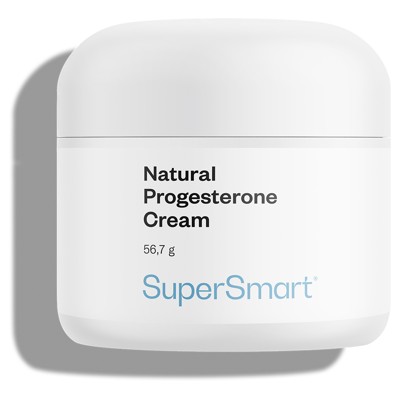
Additionally, natural progesterone cream (Wild Yam, diosgenin) applied in the luteal phase to thin-skinned areas (inside wrists, behind ears) can support hormonal balance. This use should be supervised by a trained professional.
Do you want to assess your hormonal terrain? The Hertoghe cortisol test identifies adrenal exhaustion, and the magnesium questionnaire detects a frequent deficiency in endometriosis.
What naturopathy cannot do
I want to be clear, because honesty is the basis of any relationship of trust. Endometriosis is a chronic disease that requires precise medical diagnosis. Transvaginal pelvic ultrasound, MRI, and laparoscopy are indispensable diagnostic tools that naturopathy doesn’t replace.
Deep endometriosis (stage III-IV) with digestive, bladder, or ureteral involvement may require surgical intervention. Large ovarian endometriomas (“chocolate cysts”) must be monitored. Adenomyosis, often associated, requires specific gynecological follow-up.
When to seek emergency care: unusual acute pelvic pain, uncontrolled heavy bleeding, fever associated with pelvic pain, pain with urination or defecation with blood.
Naturopathy supports. It sustains. It improves the terrain. It reduces inflammation, rebalances hormones, restores the intestines, unloads the liver, fills nutritional gaps. The results reported by Rina Nissim in her endometriosis cases are eloquent: progressive pain reduction cycle after cycle. But it doesn’t substitute for medicine when necessary.
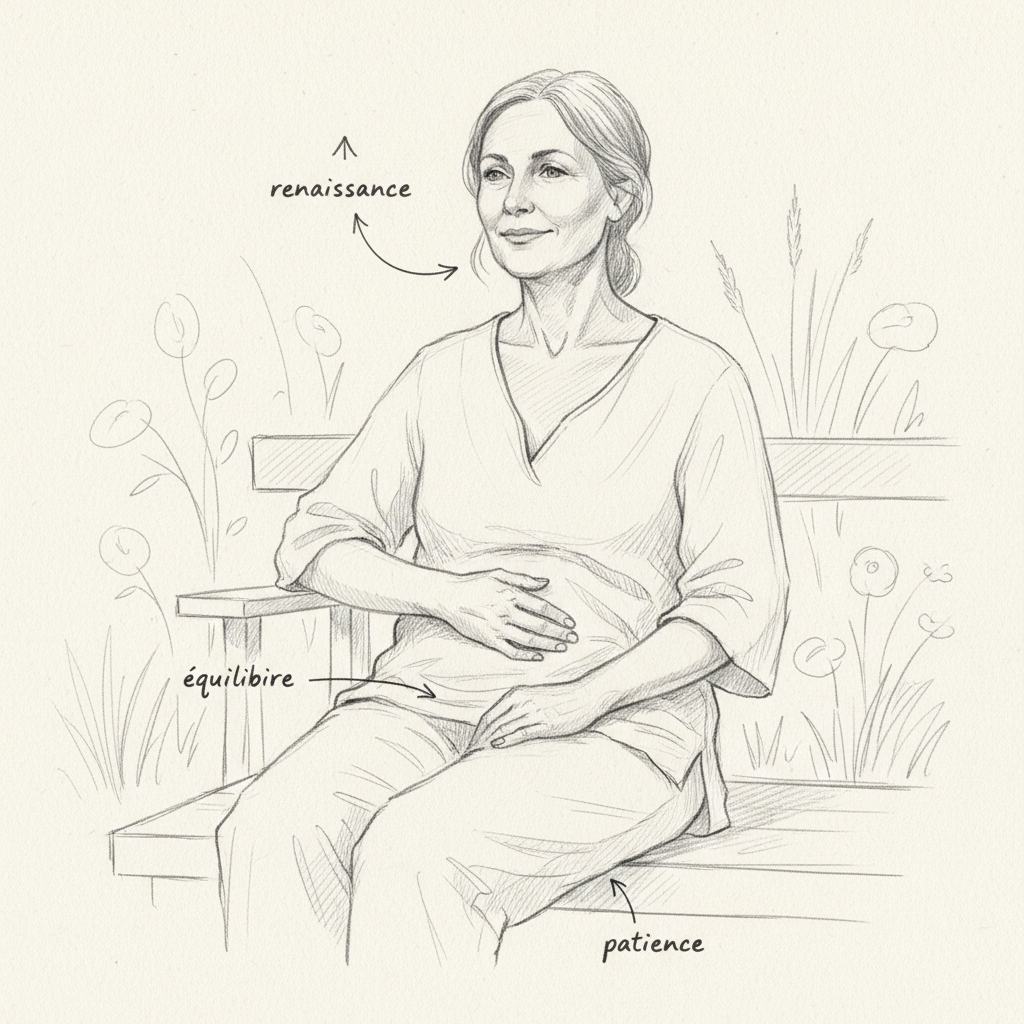
I think back to Camille. After six months of naturopathic protocol alongside her gynecological follow-up, her pelvic pain had decreased by 70%. Her transit had normalized. Her fatigue had disappeared. Her hormonal panel showed a markedly improved estrogen/progesterone ratio. She didn’t cure her endometriosis. But she got her life back. And that’s exactly what naturopathy can offer.
To support the protocol, a Hurom juice extractor allows you to prepare concentrated anti-inflammatory juices rich in antioxidants (-20% with code francoisbenavente20). Sunday Natural offers omega-3, magnesium, and pharmaceutical-grade turmeric extracts (-10% with code FRANCOIS10). The Inalterra grounding mat reduces nighttime inflammation and cortisol (-10% with code FRANCOISB). Find all my partnerships with exclusive promo codes.
Scientific references
If you want personalized support, you can book a consultation.
To go further
- Menopause: what your body is trying to tell you (and what’s being hidden)
- Estrogens: when your femininity fades early
- Perimenopause and thyroid: the natural hormonal protocol
- Aldosterone: the forgotten hormone of your blood pressure and salt
Sources
- Curtay, Jean-Paul. Nutritherapy. Marco Pietteur, 2016.
- Hertoghe, Thierry. The Hormone Handbook. 2nd ed. Luxembourg: International Medical Books, 2012.
- Nissim, Rina. Mamamélis. Geneva: Mamamélis, 1992.
- Salmanoff, Alexandre. Secrets and Wisdom of the Body. La Table Ronde, 1958.
“Health is strengthened by vital hygiene, and disease is ‘healed’ the same way. Medication is a physiological trick.” Pierre-Valentin Marchesseau
Healthy recipe: Carrot-beet-pomegranate juice: Pomegranate is anti-inflammatory and antioxidant.
Footnotes
-
Halme, J., M. G. Hammond, J. F. Hulka, S. G. Raj, and L. M. Talbert, “Retrograde Menstruation in Healthy Women and in Patients with Endometriosis,” Obstetrics & Gynecology 64, no. 2 (1984): 151-154. PMID: 6234483. ↩
-
Bulun, S. E., K. Zeitoun, K. Takayama, L. Noble, D. Michael, E. Simpson, A. Johns, M. Putman, and H. Sasano, “Estrogen Production in Endometriosis and Use of Aromatase Inhibitors to Treat Endometriosis,” Endocrine-Related Cancer 6, no. 2 (1999): 293-301. PMID: 10731122. ↩
-
Baker, J. M., L. Al-Nakkash, and M. M. Herbst-Kralovetz, “Estrogen-Gut Microbiome Axis: Physiological and Clinical Implications,” Maturitas 103 (2017): 45-53. PMID: 28778332. ↩
-
Gatti, G., R. Cavallo, M. L. Sartori, D. del Ponte, R. Masera, A. Salvadori, R. Carignola, and A. Angeli, “Inhibition by Cortisol of Human Natural Killer (NK) Cell Activity,” Journal of Steroid Biochemistry 26, no. 1 (1987): 49-58. PMID: 2434732. ↩
-
Tanaka, E., F. Sendo, S. Kawagoe, and M. Hiroi, “Decreased Natural Killer Cell Activity in Women with Endometriosis,” Gynecologic and Obstetric Investigation 34, no. 1 (1992): 27-30. PMID: 1526528. ↩
-
Ozgoli, G., M. Goli, and F. Moattar, “Comparison of Effects of Ginger, Mefenamic Acid, and Ibuprofen on Pain in Women with Primary Dysmenorrhea,” Journal of Alternative and Complementary Medicine 15, no. 2 (2009): 129-132. PMID: 19216660. ↩
-
Wuttke, W., H. Jarry, V. Christoffel, B. Spengler, and D. Seidlova-Wuttke, “Chaste Tree (Vitex agnus-castus) — Pharmacology and Clinical Indications,” Phytomedicine 10, no. 4 (2003): 348-357. PMID: 12809367. ↩

Laisser un commentaire
Sois le premier à commenter cet article.