Her name is Nathalie, she is 52 years old, and when she sat down across from me, she told me something I hear almost every week: “My gynecologist told me it was normal, that it would pass.” Three years of night hot flashes. Insomnia that wakes her at 3 in the morning, drenched in sweat. A fatigue she had never known. Joint pain in the morning. Fifteen kilos gained in two years without changing her diet. And above all, this diffuse feeling that her body no longer belongs to her. Her doctor prescribed hormone replacement therapy. She took it for six months, then stopped because of breast tension and migraines. And since then, nothing. No leads. No alternatives. No explanation for why.
Menopause affects 100% of women. It is not a rare disease. It is not a mishap. It is a physiological transition that occurs on average around age 511, when the ovaries gradually stop producing estradiol and progesterone. Menopause is defined retrospectively by twelve consecutive months without menstruation. And yet, we talk about it as a hormonal catastrophe to be filled chemically, as if the body had made a design error.
“Do not kill the mosquitoes, dry up the swamp.” Pierre-Valentin Marchesseau
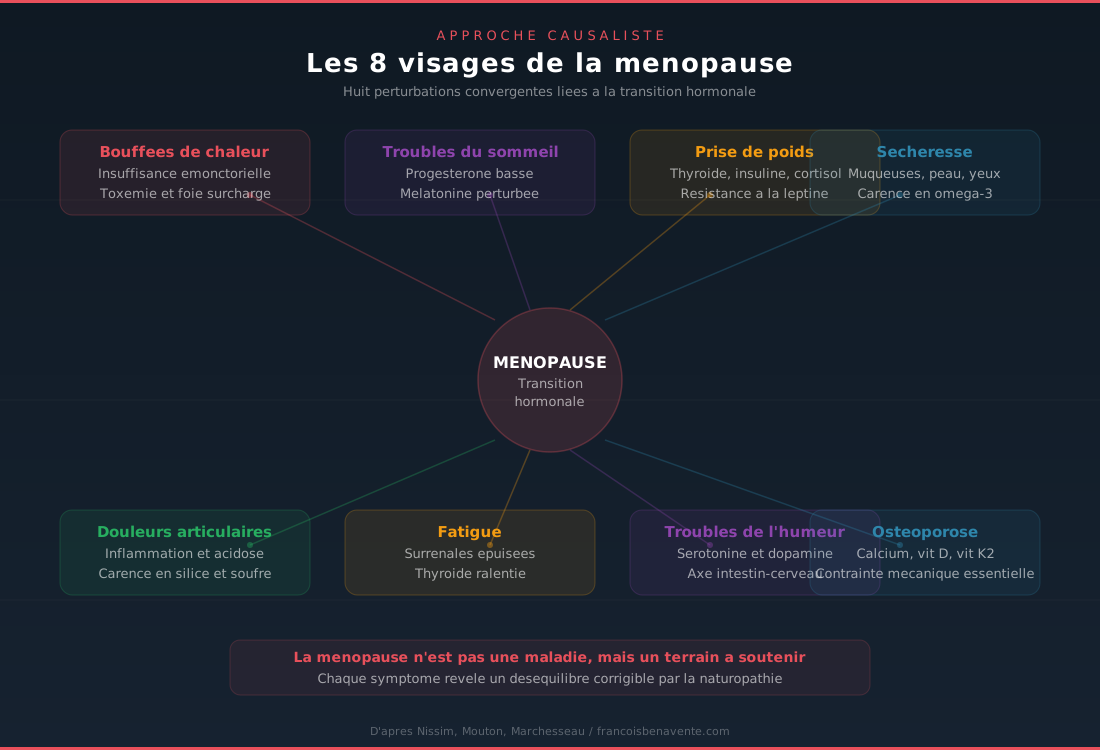
Conventional medicine reasons in terms of hormonal deficit. Naturopathy reasons in terms of terrain. And when you look at menopause from the angle of terrain, you discover a truth that Rina Nissim formulated thirty years ago in Mamamelis: the troubles of menopause are not caused by the hormonal drop itself. They are the direct consequence of insufficient elimination pathways that can no longer compensate for the loss of a major elimination route: menstruation.
Why your body reacts so strongly to menopause
Menstruation is not just a reproductive event. For naturopathy, it constitutes an additional elimination pathway, a purification system that each month evacuates part of metabolic waste via menstrual blood. Marchesseau said it: the woman who menstruates has a safety valve that men do not have. This is one of the reasons why women statistically live longer. But when this valve closes at menopause, all the toxic load is transferred to the other elimination pathways: the liver, kidneys, skin, lungs, intestines.
If these elimination pathways function well, the transition occurs smoothly. Some women go through menopause without any bothersome symptoms. But if the liver is already overloaded by years of oral contraception, medications, industrial food, endocrine disruptors, chronic stress, then toxins back up. The body seeks alternative exit routes. Hot flashes are precisely that: an attempt by the organism to evacuate through the skin, in the form of sweat, what it can no longer eliminate through the usual pathways.
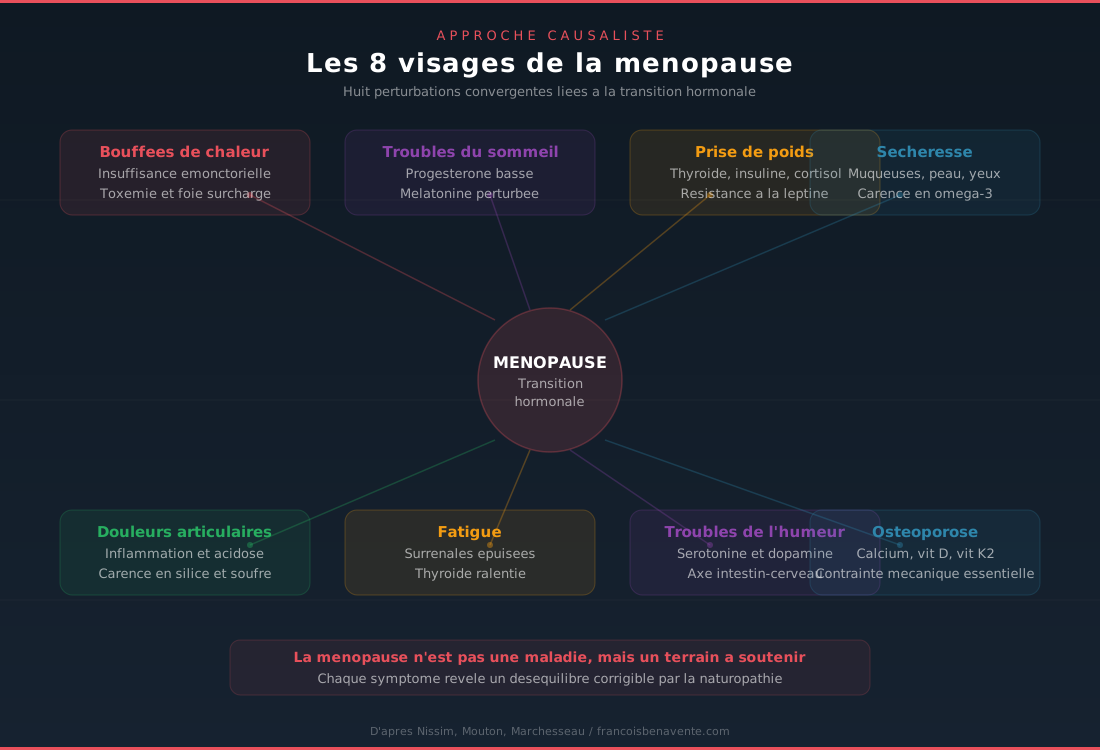
Rina Nissim strongly denounces the pharmaceutical industry for transforming menopause into a disease. For decades, women were led to believe that their bodies were defective and that this “lack” needed to be filled with synthetic hormones. The reality is more nuanced. After menopause, the adrenal glands continue to produce estradiol and progesterone, in lower but significant quantities. Dr. Georges Mouton emphasizes: it is not a hormonal disappearance, but a new plateau. Estradiol gives the morning boost, progesterone supports relaxation and sleep in the evening. The woman deprived of these residual concentrations loses her hormonal circadian rhythm, hence the morning fatigue and sleep disturbances.
The WHI study: when medicine gets the answer wrong
In 2002, the Women’s Health Initiative (WHI) study, published in JAMA, caused a seismic shift. This massive study of 16,608 postmenopausal women2 demonstrated that conventional hormone replacement therapy (conjugated equine estrogens plus synthetic progesterone) increased the risk of breast cancer, cardiovascular disease, strokes, and venous thrombosis. The benefit for osteoporosis did not offset the risks.
Dr. Mouton analyzes the triple nonsense of conventional HRT. First problem: lack of personalization. All women receive the same dose, without prior blood work, without individual adjustment. Second problem: the hormones used are non-human. Conjugated equine estrogens come from the urine of pregnant mares. They are not the same molecules as those the human body produces. Synthetic progesterone (medroxyprogesterone) is not progesterone, it is a synthetic progestin with its own side effects. Third problem: the oral route. Orally, hormones pass through the liver (first pass metabolism), which stimulates hepatic estrogen detoxification and produces potentially carcinogenic metabolites.
Mouton does not reject the idea of hormone support. He rejects the method. His proposal: bioidentical hormones (identical to those the body produces), via transdermal route (gel or patch, no liver passage), at individualized doses based on blood work, with estradiol in the morning and progesterone in the evening to respect circadian rhythm. This is a different paradigm. Naturopathy, for its part, proposes to go even further upstream: support the residual production of the adrenal glands, drain the elimination pathways, and use phytotherapy as a gentle relay.
What nobody looks at: the liver and adrenal glands
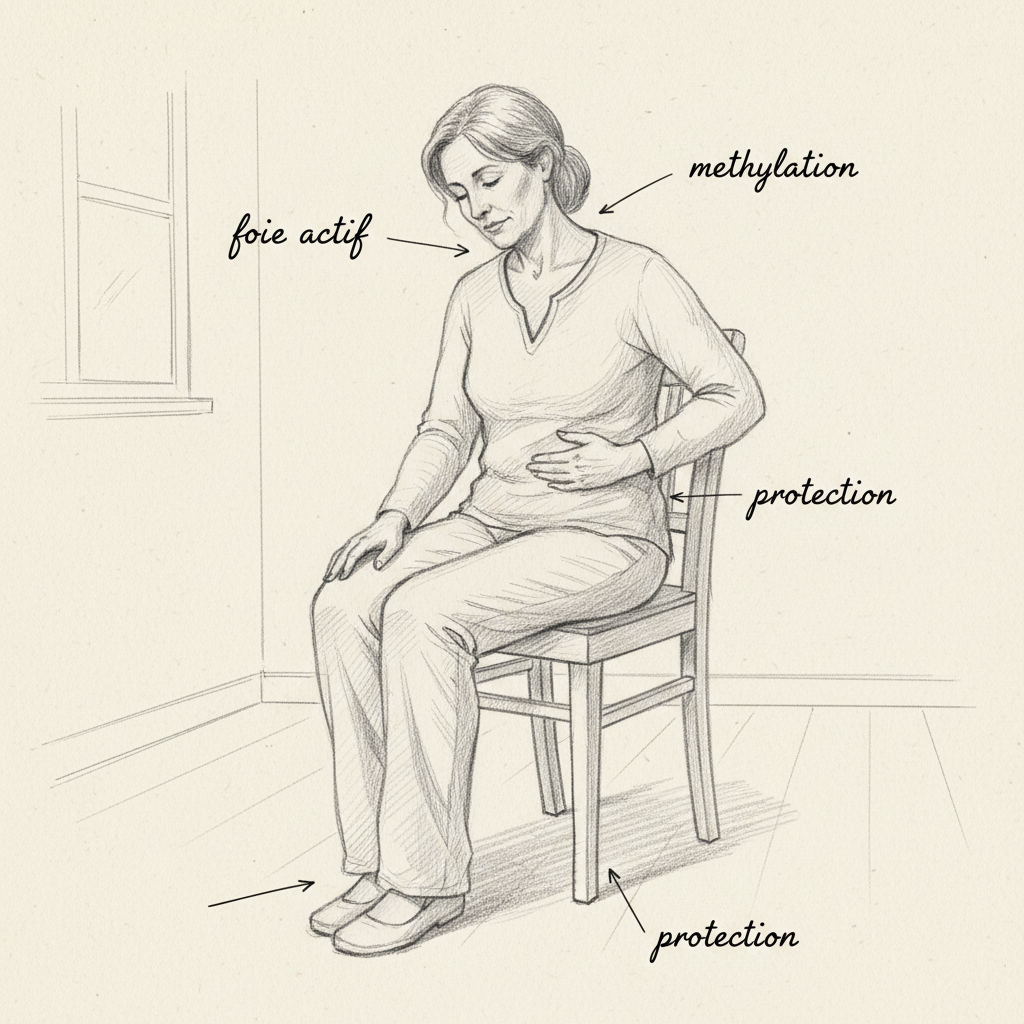
In the menopausal woman, two organs deserve the full attention of the naturopath. The first is the liver. What I explain in the article on spring detox applies here with even greater force. The liver metabolizes estrogens via the P450 cytochromes. The 2-OH metabolites are protective. The 16-alpha-OH and 4-OH metabolites are pro-inflammatory. To orient toward the protective pathway, the liver needs cruciferous vegetables (broccoli, cabbage, cauliflower, arugula), sulfur (garlic, onion, leeks), B6, magnesium and efficient methylation.
When the liver is congested, remaining estrogens are not properly metabolized. They accumulate in potentially harmful forms. And the most visible symptom of this congestion is hot flashes. Rina Nissim details the drainage protocol: artichokes, boldo, rosemary, turmeric, dandelion, horsetail. Salmanoff added hot water bottle on the right side after each meal, this simple gesture that stimulates hepatic vascularization and facilitates bile secretion.
The second crucial organ is the adrenal glands. After menopause, the ovaries hand over to the adrenal glands to maintain basal production of steroid hormones. If the adrenal glands are exhausted by years of chronic stress (what Selye called the general adaptation syndrome), they cannot ensure this relay. This is pregnenolone theft: when cortisol monopolizes all raw materials, nothing is left to make the residual estradiol and progesterone. The link with adrenal exhaustion is direct: a woman who reaches menopause with tired adrenal glands will have much more intense symptoms.
And the thyroid also enters the equation. The drop in estrogens changes TBG (thyroxin-binding globulin), which disrupts the availability of thyroid hormones3. Many menopausal women develop mild hypothyroidism that amplifies fatigue, weight gain, constipation, skin dryness and depression. Thyroid cofactors (zinc, selenium, iodine, tyrosine, iron) must be systematically evaluated.
The three-phase protocol: drainage, recharge, maintenance
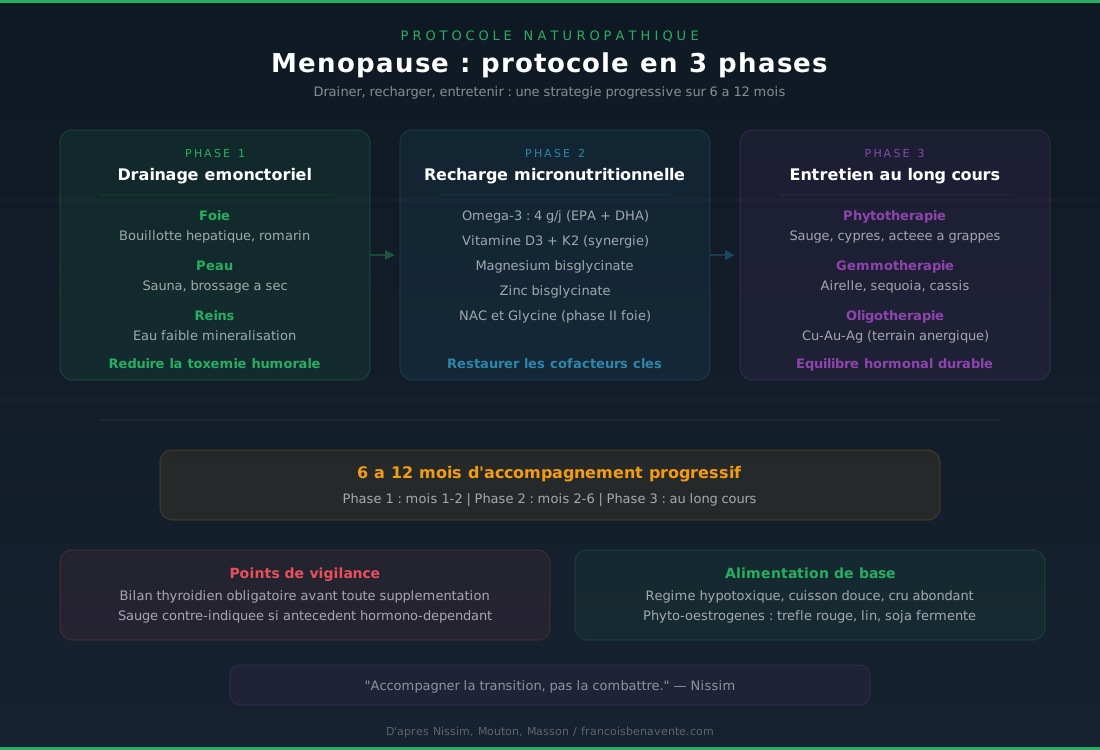
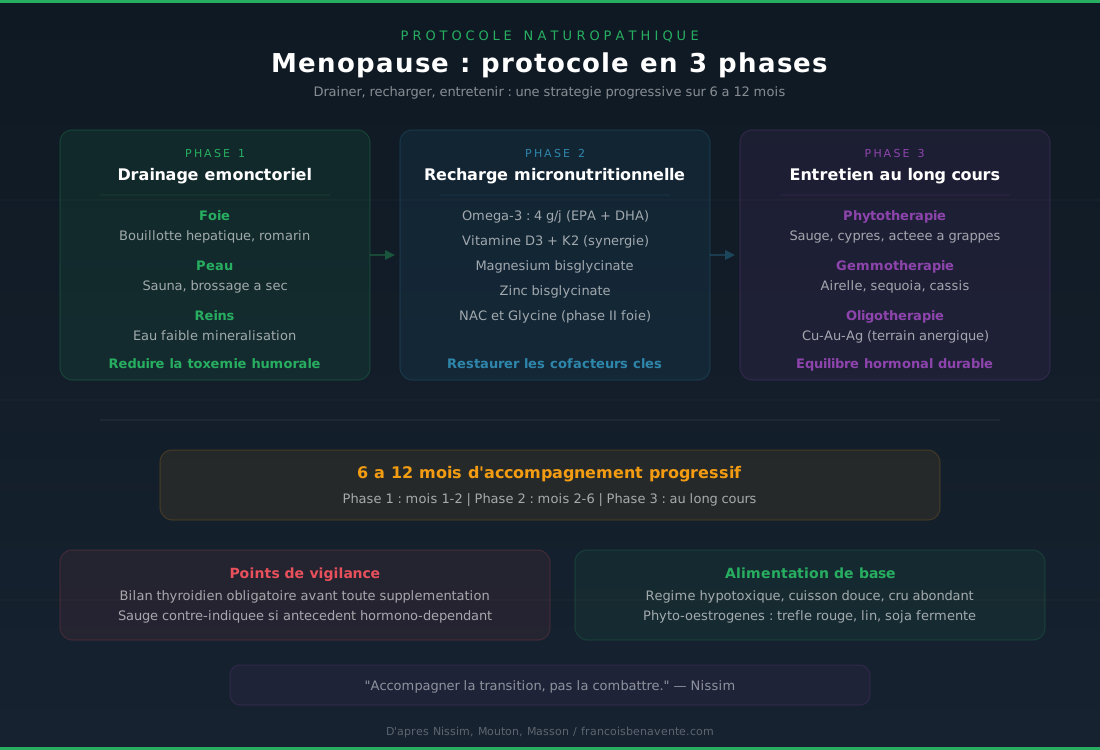
Naturopathy accompanies menopause with the same logic as any terrain support: first open the exits, then recharge, then maintain. It is not a sprint. It is a gentle marathon that spans six to twelve months.
The first phase is drainage. We open the elimination pathways to compensate for the loss of the menstrual elimination pathway. The liver first: daily hot water bottle, rosemary or artichoke tea, cure of black radish or milk thistle for three weeks. The skin next: the infrared sauna once a week is a powerful tool to restart sweating and skin elimination. Epsom salt baths (magnesium sulfate, two handfuls in a hot bath, twice a week) combine the draining effect of heat and transdermal magnesium intake. The kidneys: adequate hydration (1.5 to 2 liters of lightly mineralized water per day) and gentle diuretic infusions (cherry stems, orthosiphon, pilosella).
The nutrition of the first phase is oriented toward deacidification. The concept is fundamental: after years of acidifying food (excess animal proteins, refined sugars, coffee, alcohol, stress), the terrain is acidic. Kousmine demonstrated it: this chronic metabolic acidosis disrupts all enzymatic systems. The cellulose dinner (a monodietary meal of steamed vegetables in the evening) is a simple and effective tool to unload the liver and alkalinize the terrain. Root vegetables (celery, radish), potatoes, green salads. Nothing else. In the morning, prioritize proteins and good fats. At midday, a balanced plate: one third vegetables, one third starches with proper glycemic index, one third proteins at 1.2 to 1.4 grams per kilogram of body weight.
The second phase is micronutritional recharge. Omega-3 (EPA and DHA) at 4 grams per day is the foundation4. They modulate inflammation, support cell membranes and brain function (the famous menopause “brain fog” often responds to omega-3). Borage oil provides GLA (gamma-linolenic acid), precursor of anti-inflammatory series 1 prostaglandins, and supports estrogen/progesterone balance. Vitamin D3 associated with K2 MK7 (5 to 6 drops per day, or 2000 to 4000 IU depending on blood work) is essential for immunity, calcium fixation and bone health.
Magnesium bisglycinate (300 to 400 mg per day) remains the universal cofactor: over 300 enzymatic reactions5, ATP synthesis, muscle relaxation, tryptophan conversion to serotonin, stress management. Zinc via daily pumpkin and sesame seeds (a handful), or in supplement (15 to 25 mg per day). Selenium via three Brazil nuts per day. N-acetylcysteine (NAC) as hepatoprotector and glutathione precursor. And glycine (10 grams morning and evening, in water or juice), key amino acid for phase II hepatic detoxification and sleep.
The third phase is long-term maintenance. Nutrition is established. Elimination pathways are open. Background micronutrition continues. And we add the terrain tools that will support the transition long-term: phytotherapy, gemmotherapy, oligotherapy, physical exercise.
Menopause phytotherapy: plants that make the difference
Sage (Salvia officinalis) is the queen plant of menopause. It contains phytoestrogens that bind to estrogen receptors without the side effects of synthetic hormones. These are not hormones, they are precursors that allow the body to modulate its own production. Sage reduces hot flashes, regulates excessive sweating6 and supports cognitive function. Rina Nissim recommends it in daily tea. Be careful, however, in case of history of hormone-dependent cancer: sage is contraindicated, and in this case griffonia (5-HTP) or lemon balm take over on the nervous aspect.
Cypress (Cupressus sempervirens) is the great circulatory protector. Venous disorders (heavy legs, varicose veins, hemorrhoids) often appear at menopause because of falling estrogens that supported vascular tone. Cypress tones venous and lymphatic walls. As essential oil (2 drops in a spoonful of vegetable oil, massaged on the legs from bottom to top), it gives rapid results.
Melilot (Melilotus officinalis) complements cypress through its action on capillary circulation and its slightly sedative effect. Rina Nissim prescribes it in combination with red vine, hazelnut, bilberry and blackcurrant for circulatory disorders of menopause. Cimicifuga (Actaea racemosa, formerly Cimicifuga racemosa) is the most studied plant for hot flashes. It acts on central serotonergic receptors, modulating hypothalamic thermoregulation7.
Alchemilla (Alchemilla vulgaris) deserves special mention. It is the progesterone-like plant par excellence, useful in perimenopause when cycles become chaotic. Rina Nissim prescribes it between ovulation and the first day of menstruation, to support the second part of the cycle where progesterone is lacking.
Gemmotherapy: three essential buds
Gemmotherapy uses the embryonic tissues of plants (buds, young shoots, rootlets) that contain the full genetic potential of the future plant. It is a gentle, deep medicine, particularly suited to hormonal transitions.
The macerate of bilberry bud (Vaccinium vitis-idaea) is the great drainer of the ovarian sphere. It regulates menopause troubles by acting directly on gynecological terrain. It is the gemmotherapy equivalent of a “cleaning” of the reproductive sphere. Take 50 to 100 drops in the morning, during three-week cures with one week off.
The macerate of sequoia bud (Sequoiadendron giganteum) is the supreme adrenal tonic. It stimulates DHEA production and supports the adrenal glands in their new role as producers of relay hormones. For women who reach menopause exhausted, with flattened cortisol and collapsed DHEA, sequoia is the first bud to consider.
Blackcurrant bud (Ribes nigrum) completes the trio. It is the natural cortisone-like, anti-inflammatory and adaptogenic, which I prescribe in almost all my consultations. It stimulates natural cortisol production by the adrenal glands without the side effects of corticosteroids. At menopause, it tempers inflammatory phenomena (joint pain, morning stiffness) and supports overall energy. Dr. Marc Naett recommends it systematically in combination with fresh rockrose pollen (powerful antioxidant) and magnesium taurinate.
Oligotherapy and bone: beyond calcium
Catalytic oligotherapy provides minerals at minute doses that act as enzymatic catalysts. At menopause, the copper-gold-silver complex is the terrain remedy par excellence for states of deep fatigue and lowered immunity. Zinc-copper supports the hypothalamic-pituitary-gonadal axis. Zinc-nickel-cobalt regulates glucose metabolism, often disrupted at menopause with the appearance of insulin resistance.
Let’s talk about osteoporosis, this fear that medicine uses to justify HRT. Yes, the drop in estrogens decreases osteoclast activity, the cells that resorb bone. But Rina Nissim reminds us that estrogens do not restore bone mass, they slow its destruction. And this effect diminishes over time. Masson goes further: ovariectomized rats (without ovaries, thus without estrogens) that exercise increase their bone mass more than intact but inactive rats8. Mechanical stress creates bone. This is Wolff’s principle: bone strengthens where it is loaded.
Progressive strength training (what English speakers call barbell prescription) is therefore the number one tool against osteoporosis. Not jogging. Not yoga alone. Strength training with weights, progressive, supervised. Each squat, each deadlift sends a signal to osteoblasts: “build.” And when you add the right cofactors (vitamin D3 for calcium absorption, vitamin K2 to direct calcium to bones not arteries, organic silicon or bamboo/horsetail for collagen matrix), you get a remineralization protocol that works without hormones.
One week of bed rest causes the equivalent of one year of bone aging. Exercise is non-negotiable.
Sleep at menopause: when melatonin runs short
Dr. Matthew Walker reminds us in Why We Sleep: sleep needs do not decrease with age. It is the ability to sleep that decreases. At menopause, the drop in estradiol disrupts nocturnal thermoregulation (hence the night sweats that wake you at 2 or 3 in the morning), and the drop in progesterone reduces the natural sedative effect of this hormone.
The menopause sleep protocol goes through several levers. Magnesium bisglycinate in the evening (200 mg) promotes muscle and nervous relaxation. Lemon balm tea (GABAergic effect, meaning calming to the central nervous system) one hour before bed. Melatonin at low dose (0.5 to 1 mg) can help restore sleep architecture if basic measures are not enough. Griffonia (5-HTP), precursor of serotonin then melatonin, is an interesting alternative when the problem comes from tryptophan deficiency. And as I explain in the article on sleeping naturally well, the basic rules remain essential: complete darkness, cool temperature (18°C), screens off one hour before bed, bedtime before 11 PM.
The most recent expert opinion adds St. John’s Wort in tea after 6 PM for its serotonergic effect, with absolute caution if taking medications (interactions with the pill, antidepressants, anticoagulants, immunosuppressants). If in doubt, griffonia is safer.
Blood work for the menopausal woman
Before rushing into supplements, blood work is necessary. The secondary panel I prescribe at Synlab includes: estradiol and estrone (to assess residual production), 25-OH vitamin D (target above 50 ng/mL), serum zinc and selenium, vitamin E, B9 and B12 active vitamins (holotranscobalamin), homocysteine (methylation marker), ioduria and magnesuria (urine). And of course, TSH, free T3 and free T4 to assess thyroid function, which should be systematic in any symptomatic menopausal woman.
This panel allows you to personalize the protocol. No blind supplementation. No standard dose for everyone. Every woman is unique, and her support should be too.
What naturopathy does not do
Naturopathy supports menopause. It does not replace gynecological follow-up. Bleeding after menopause (postmenopausal metorrhagia) requires urgent medical consultation to rule out endometrial pathology. Bone densitometry remains the reference exam for assessing bone density. And if hormone therapy is considered, it is the prescribing physician who makes the decision, ideally opting for bioidentical hormones via transdermal route rather than conventional oral HRT.
Sage and cypress essential oils are contraindicated in case of hormone-dependent cancers (breast, uterus, ovaries). Cimicifuga should not be combined with hormone treatments without medical advice. And the detox cure must be gradual: opening elimination pathways too quickly on very clogged terrain risks a violent detox reaction.
Based in Paris, I consult by video throughout France. You can book an appointment for personalized support.
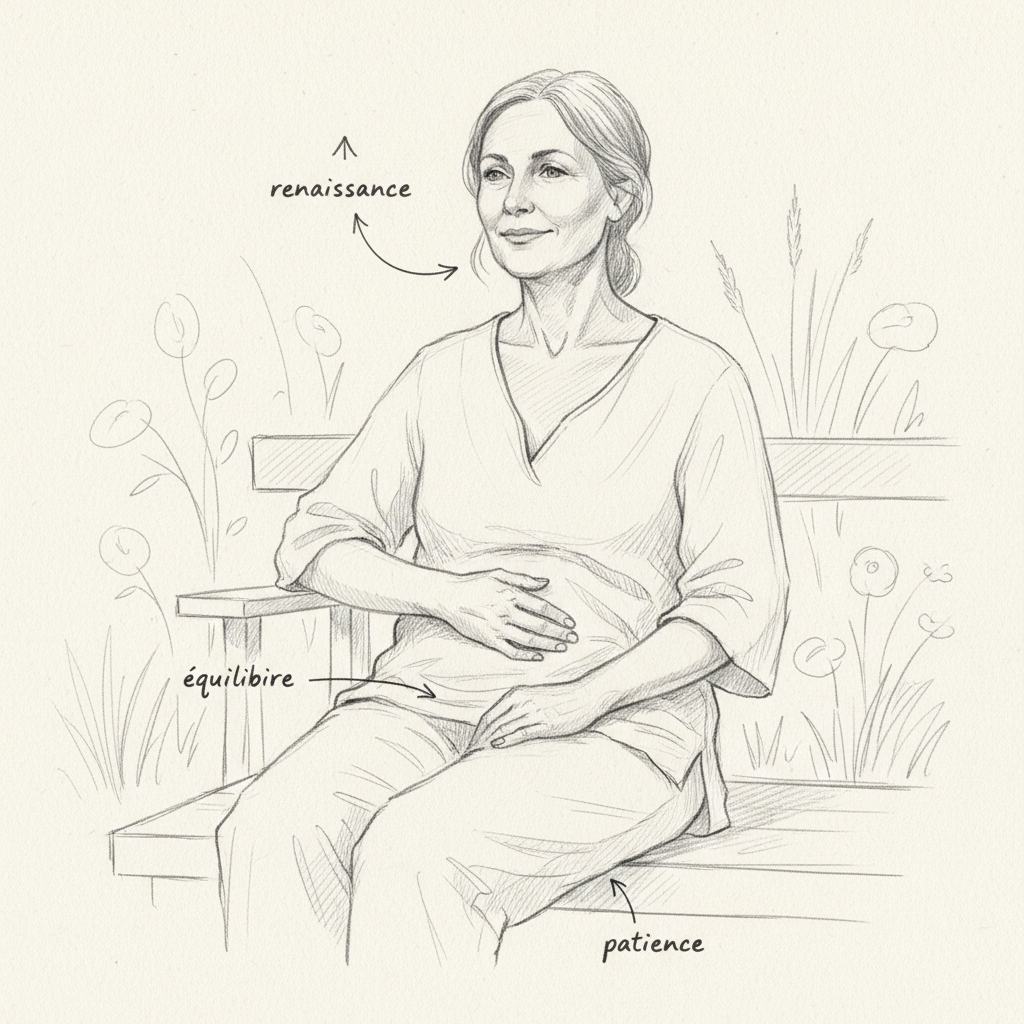
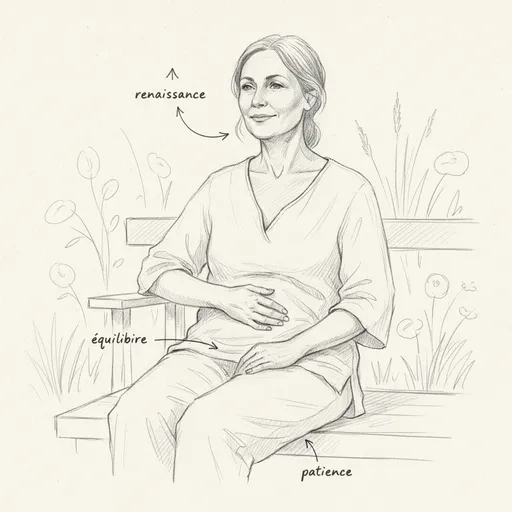
Menopause is not an end. It is a rebirth. Women who go through this transition with terrain support rediscover a vitality they sometimes lost long before menopause. The body knows what it is doing. You just have to listen to it and give it the tools it needs.
For menopause, Sunday Natural offers magnesium bisglycinate, omega-3 and pharmaceutical-grade glycine (-10% with code FRANCOIS10). The Inalterra grounding mat reduces chronic inflammation and improves deep sleep (-10% with code FRANCOISB). And a Hurom extractor makes it easier to prepare the alkalizing green juices of the deacidification protocol (-20% with code francoisbenavente20). Find all my partnerships with exclusive promo codes.
Scientific references
Want to evaluate your status? Take the free Hertoghe estrogen questionnaire in 2 minutes.
If you want personalized support, you can book a consultation.
To go further
- Estrogens: when your femininity fades before its time
- Endometriosis: the hidden terrain nobody looks at
- Menopause and estrogens: the hepatic detoxification nobody explains to you
- Aldosterone: the forgotten hormone of your blood pressure and salt
Sources
- Rossouw, J.E. et al. “Risks and benefits of estrogen plus progestin in healthy postmenopausal women.” JAMA 288.3 (2002): 321-333.
- Nissim, Rina. Mamamelis: manual of naturopathic gynecology. Mamamélis, 1994.
- Mouton, Georges. “Controversies relating to menopause.” Functional medicine lecture.
- Masson, Robert. Dietetics of experience. Guy Trédaniel, 2003.
- Marchesseau, Pierre-Valentin. Vital hygiene for your health. 1957.
“Menopause is not a disease. It is an invitation from the body to live differently.” Rina Nissim
Footnotes
-
Gold, E.B. et al., “Factors associated with age at natural menopause in a multiethnic sample of midlife women,” American Journal of Epidemiology 153, no. 9 (2001): 865-874. PMID: 11323317. ↩
-
Rossouw, J.E. et al., “Risks and benefits of estrogen plus progestin in healthy postmenopausal women: principal results from the Women’s Health Initiative randomized controlled trial,” JAMA 288, no. 3 (2002): 321-333. PMID: 12117397. ↩
-
Santin, A.P. and Furlanetto, T.W., “Role of estrogen in thyroid function and growth regulation,” Journal of Thyroid Research 2011 (2011): 875125. PMID: 21687614. ↩
-
Freeman, M.P. et al., “Omega-3 fatty acids for major depressive disorder associated with the menopausal transition: a preliminary open trial,” Menopause 18, no. 3 (2011): 279-284. PMID: 21037490. ↩
-
de Baaij, J.H.F. et al., “Magnesium in man: implications for health and disease,” Physiological Reviews 95, no. 1 (2015): 1-46. PMID: 25540137. ↩
-
Bommer, S. et al., “First time proof of sage’s tolerability and efficacy in menopausal women with hot flushes,” Advances in Therapy 28, no. 6 (2011): 490-500. PMID: 21630133. ↩
-
Borrelli, F. and Ernst, E., “Cimicifuga racemosa: a systematic review of its clinical efficacy,” European Journal of Clinical Pharmacology 58, no. 4 (2002): 235-241. PMID: 12136367. ↩
-
Iwamoto, J. et al., “Effects of exercise on bone mineral density in mature osteopenic rats,” Journal of Bone and Mineral Research 13, no. 8 (1998): 1308-1317. PMID: 9718200. ↩

Laisser un commentaire
Sois le premier à commenter cet article.