Look at your nails. Right now. Do you see those little white spots there? Those vertical striations? Those lunules that have almost disappeared? In naturopathy, we call that a call sign. Your body is speaking to you, and it’s telling you something very specific: you’re lacking zinc.
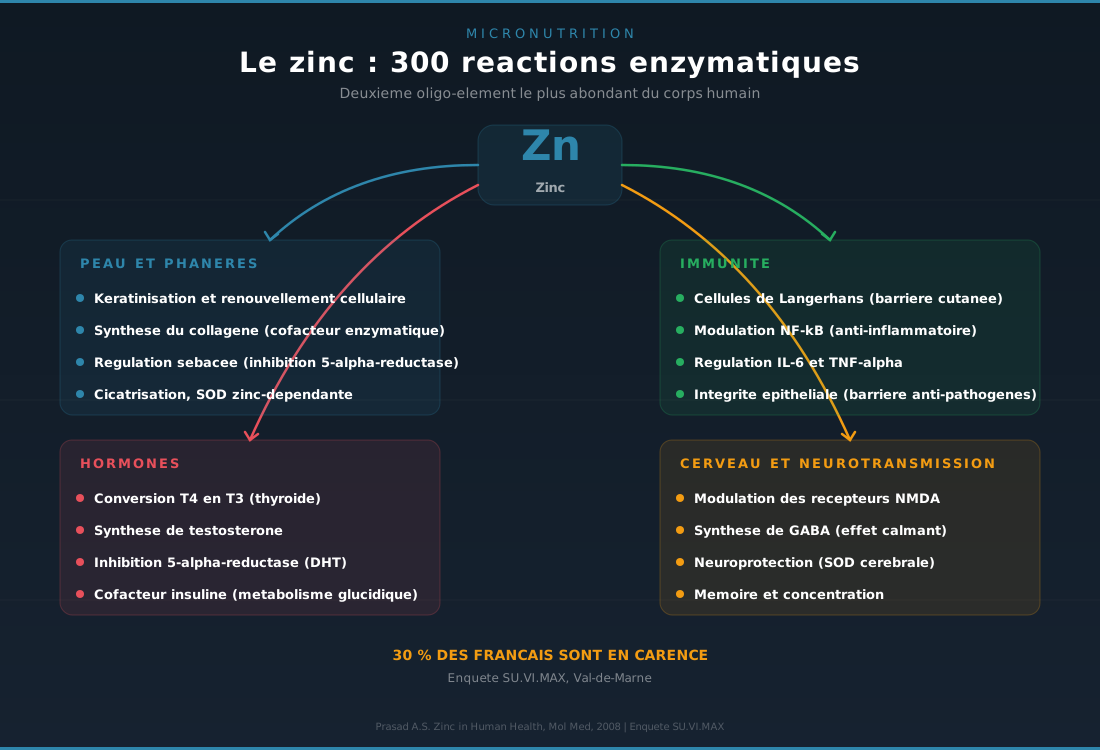
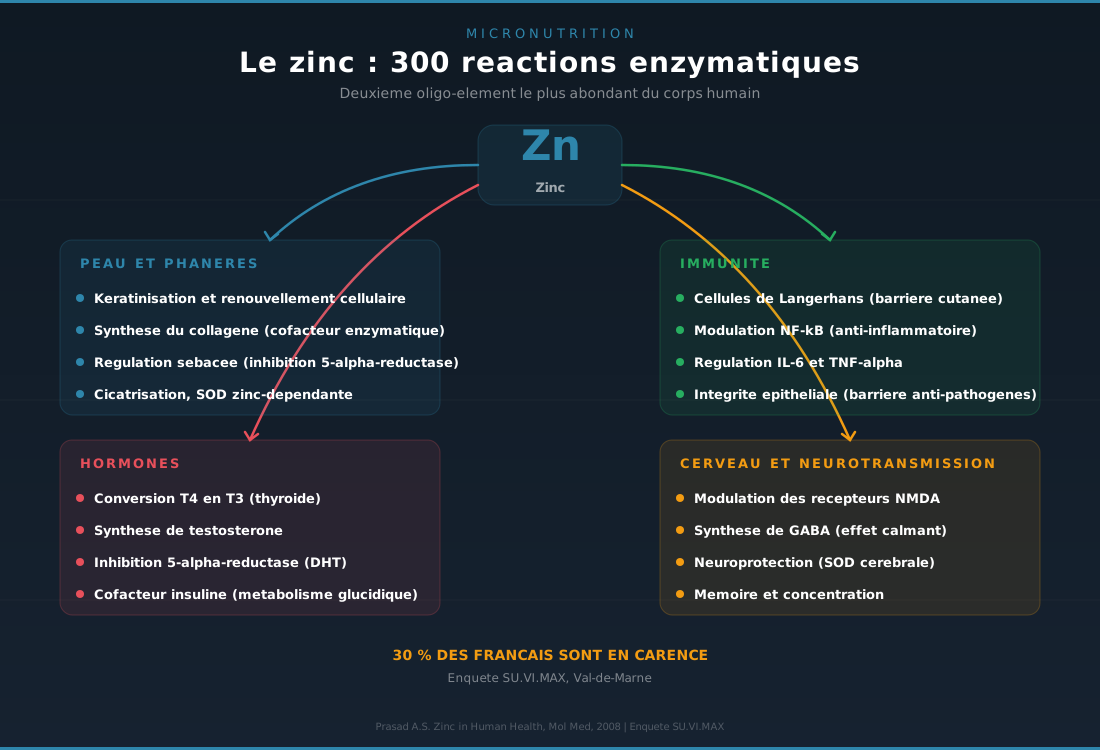
Zinc is the second most abundant trace element in your body, just behind iron. It participates in more than 300 enzymatic reactions. Three hundred. And yet, according to the SU.VI.MAX survey conducted in France, a significant proportion of French people are deficient1. Not in mild deficit, no. In functional deficiency, with concrete consequences on skin, immunity, hormones, and mood. The kind of deficiency that’s almost never measured in standard medical practice, because plasma zinc levels are a poor marker. Result: we treat symptoms one by one (cream for acne, antibiotics for infections, antidepressants for mood) without ever addressing the common biochemical chain.
What exactly is zinc
Zinc carries the symbol Zn and atomic number 30. With a molar mass of 65.38 g/mol, it’s a transition metal that’s standard in chemistry, but a giant in human biochemistry. It’s found in every cell of your body, and its presence is essential for cell division, protein synthesis, wound healing, and immune defense. Robert Masson, in his dietary approach, reminded us that trace elements are the “sparks of life” of the terrain. Zinc may be the most brilliant of them.
“The trace element is to the enzyme what the spark is to the engine. Without it, the biochemical reaction doesn’t start.” Robert Masson
Your body cannot store zinc. Unlike iron, which has comfortable hepatic reserves, zinc circulates, gets used, and must be renewed daily through food. That’s where problems begin, because the richest sources (oysters, organ meats, red meat) aren’t exactly on everyone’s menu, and absorption inhibitors (phytates, tannins, stress) are omnipresent in modern lifestyle.
Who lacks zinc, and why it flies under the radar
There are very clear at-risk profiles, and I’ve seen them coming through my office for years. Pregnant women, first, whose needs literally double during pregnancy, while standard follow-up never measures zinc. Zinc is part of the periconception assessment and pregnancy supplementation that I detail in dedicated articles. Athletes next, who lose zinc through sweat with each intense workout. Vegetarians and vegans, whose diets rich in grains and legumes also provide phytates, molecules that chelate zinc and make it unavailable. Hypothyroid patients, because zinc is a direct cofactor in T4 to T3 conversion and hypothyroidism reduces gastric acidity, compromising zinc absorption. And women on contraceptive pills, because synthetic estrogens raise plasma copper, which lowers zinc through a balance effect.
The last category systematically overlooked: people over 60. The intestinal lining ages, chlorhydric acid secretion decreases, and mineral absorption drops. Dr Thierry Hertoghe, Belgian endocrinologist specializing in anti-aging hormonology, regularly emphasizes the link between aging, zinc deficiency, and hormonal decline. According to him, correcting zinc already slows down a good part of the aging cascade.
Your skin, mirror of your zinc
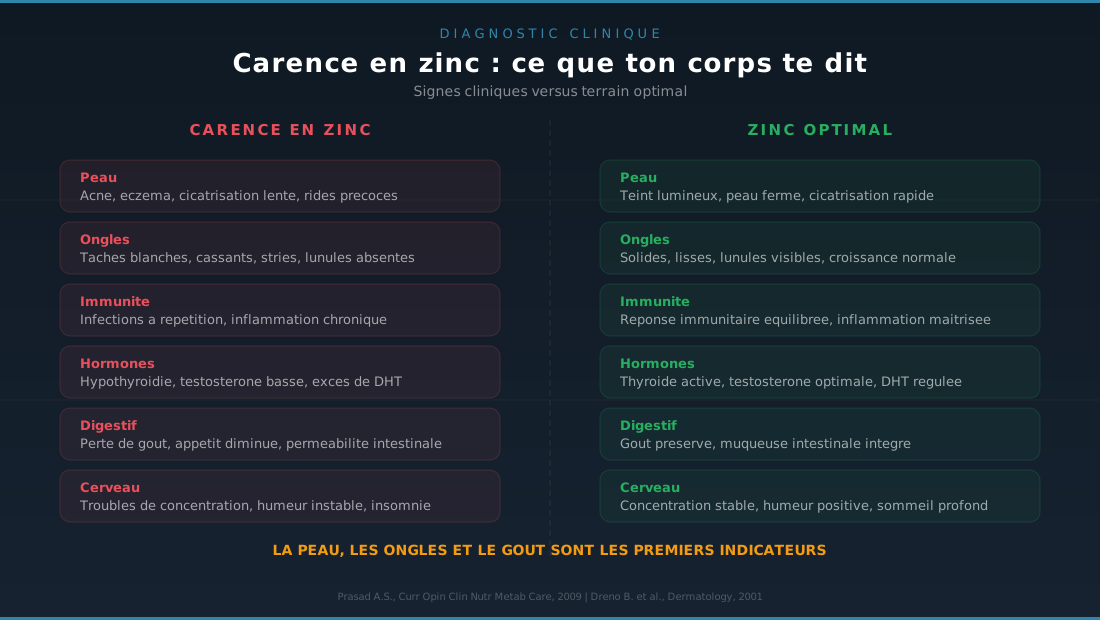
If you want a single visual indicator of your zinc status, look at your skin. It speaks first, well before blood tests. Zinc acts on skin through three precise mechanisms. First axis: keratinization. Zinc activates keratinocytes, cells that renew the surface layer of the epidermis. In deficiency, cellular turnover slows, skin becomes dull, dry, fragile. Second axis: collagen. Zinc is a cofactor for lysine hydroxylase, a key enzyme in stabilizing collagen’s triple helix. Without zinc, collagen forms poorly, and early wrinkles begin, skin loses elasticity. Third axis: sebum regulation. And that’s where it becomes really interesting for everyone suffering from acne.
The mechanism is clear. Testosterone circulates in blood. An enzyme, 5-alpha-reductase, converts it to DHT (dihydrotestosterone). DHT stimulates sebaceous glands, which produce excess sebum, which clogs pores and feeds Cutibacterium acnes. Result: inflammation, pimples, scars. Now zinc is a natural inhibitor of 5-alpha-reductase2. It’s exactly the same target as Roaccutane (isotretinoin), except zinc has none of this medication’s hepatic, psychiatric, and teratogenic side effects. Dreno and colleagues showed a clinical success rate of 31% in 3 months of zinc supplementation, in a study published in 2001 in Dermatology3. Thirty percent. Without destroying the liver.
I always ask in consultation: why did your dermatologist prescribe Roaccutane before even measuring your zinc? The answer is always the same. Silence.
Why you get sick all the time
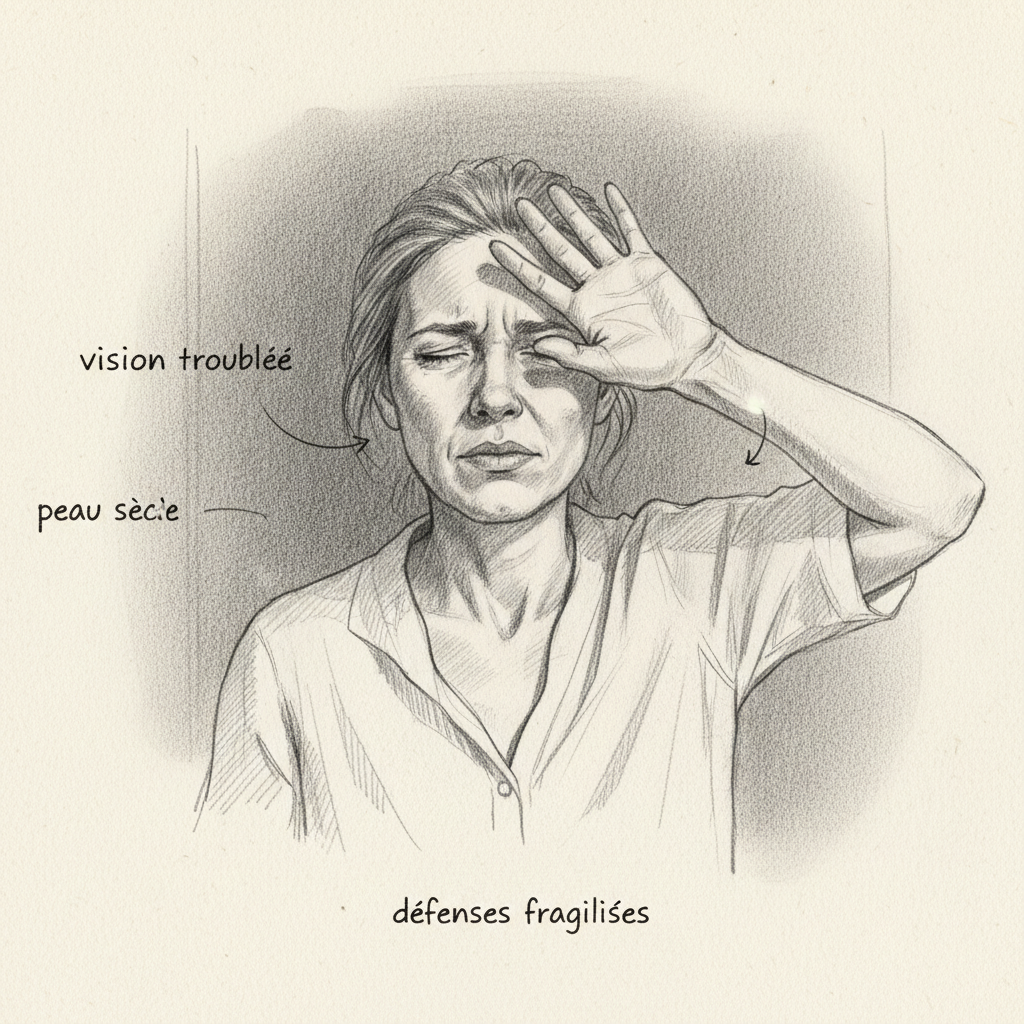
Zinc is an immunomodulator. This word matters: it doesn’t stimulate immunity blindly (like a supplement that “boosts your defenses” would), it modulates it. It calibrates it. Langerhans cells, immune sentinels of the skin, depend on zinc to function properly. The nuclear factor NF-kB, which orchestrates the inflammatory response, is regulated by zinc4. Pro-inflammatory cytokines IL-6 and TNF-alpha are slowed when zinc is present in sufficient quantity. Clearly: when you lack zinc, your immune system becomes both weaker and more reactive. It doesn’t fight better, it fights haphazardly. This is the basis of chronic low-grade inflammation, that silent inflammation gnawing at your terrain without you noticing.
Professor Gérard Mouton, in his work Intestinal Ecosystem and Optimal Health, places zinc among the three most critical nutrients for intestinal barrier integrity. And the intestinal barrier is 70% of your immune system. When it’s permeable (the famous “leaky gut”), food antigens pass into blood, trigger inflammatory reactions in chain, and the immune system goes wild. Zinc is the guardian of this barrier5. Without it, the tight junctions of the intestinal epithelium open up, and it’s an open door to food intolerances, repeated infections, chronic fatigue.
The hormone chain nobody explains to you
Zinc intervenes at practically every level of your hormonal system. It’s a cofactor for T4 to T3 conversion at the thyroid level6, which means zinc deficiency can mimic or worsen functional hypothyroidism, even with “normal” TSH. It participates in testosterone synthesis, and its deficit is associated with reduced libido, muscle mass, overall energy in both men and women. It modulates insulin metabolism, making it an underestimated ally in managing type 2 diabetes and insulin resistance.
“Correcting zinc deficiency is often the first therapeutic step I take with my hypothyroid patients. Results are sometimes spectacular for fatigue and cold sensitivity.” Dr Thierry Hertoghe
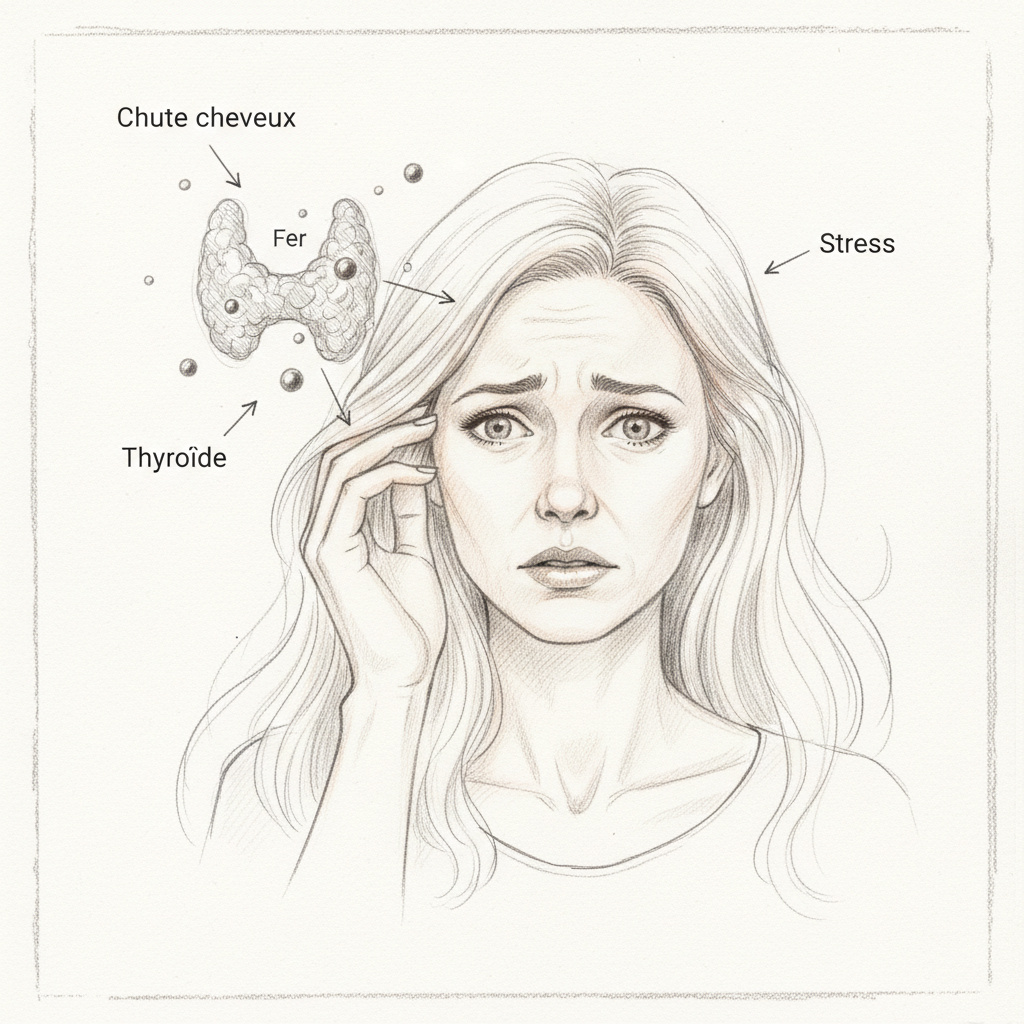
What I observe in my office is that most thyroid assessments presented to me are incomplete. TSH is measured, sometimes free T4, rarely free T3, and never the conversion cofactors. Yet without zinc, without selenium, without iron, T4 doesn’t convert to active T3. You can have “normal range” TSH and be in tissue hypothyroidism because your cells aren’t receiving enough T3. Zinc also intervenes upstream in the serotonin synthesis chain: without it, dietary tryptophan is poorly absorbed, and production of this well-being neurotransmitter collapses. Zinc is also a key cofactor in fibromyalgia where oxidative stress depletes trace element reserves.
How to know if you lack zinc
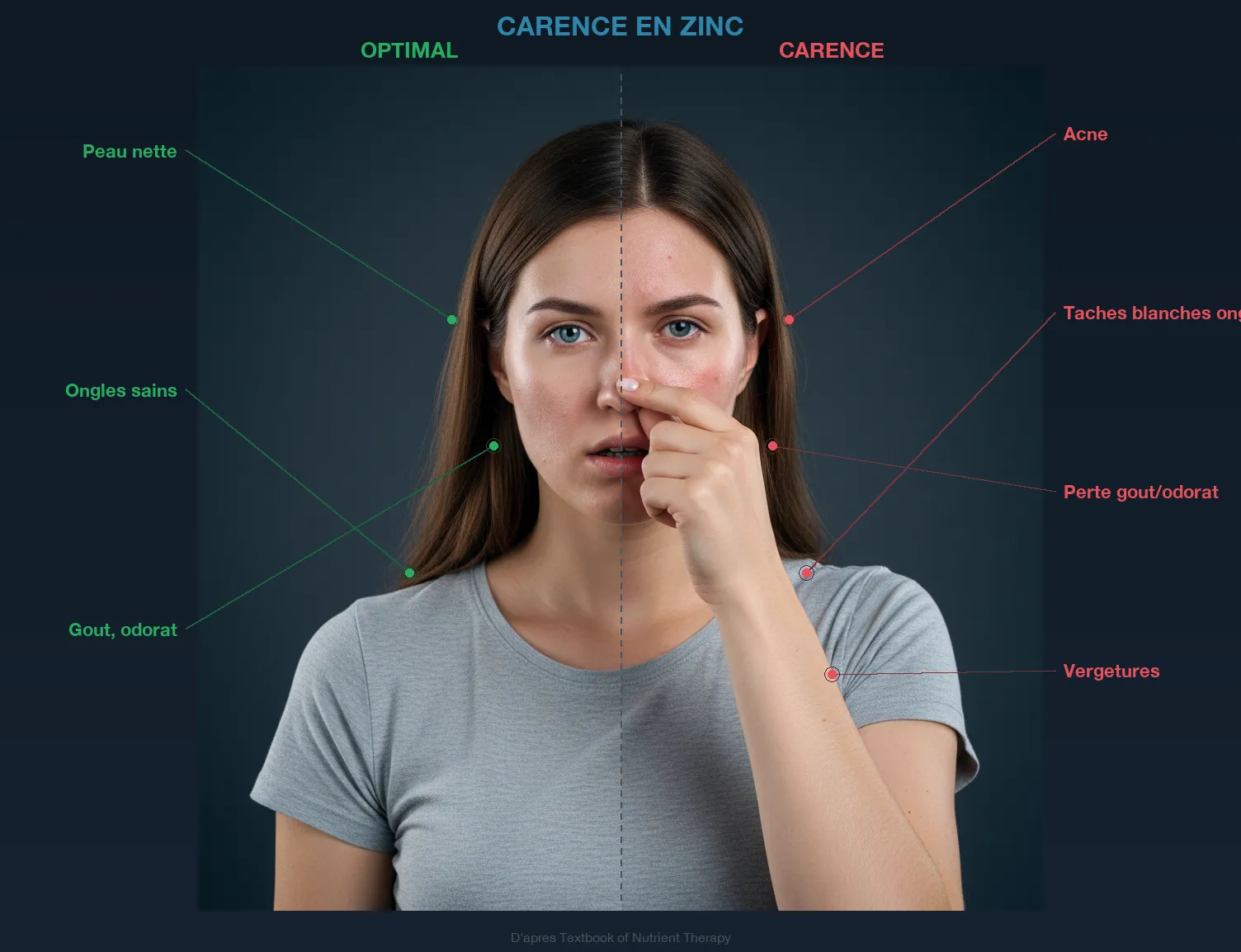
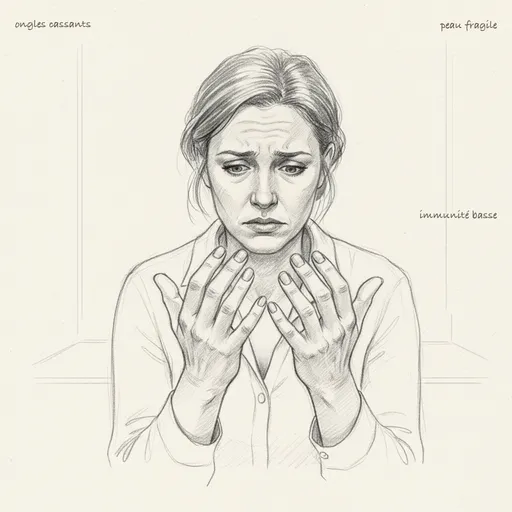
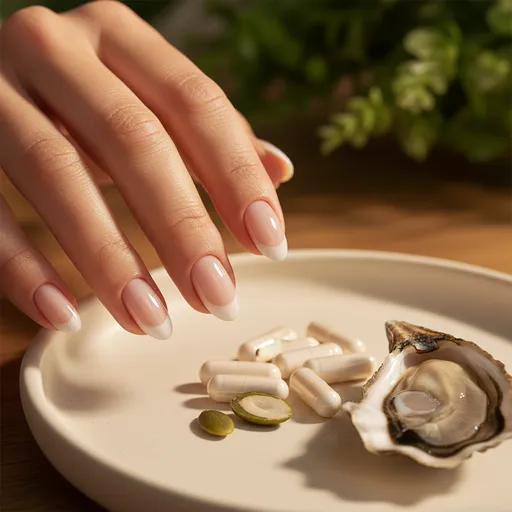
The beauty of naturopathy is that you can read signs before tests confirm them. Your nails are an open book. White spots, called punctate leukonychia in semiology, are a classic sign of protein fragility from zinc deficiency. Longitudinal striations suggest a joint zinc-silicon deficit. And the absence of lunules (those small white crescents at the nail base) testify to a deeply deficient terrain, established for months. My trick: look at your toenails. They grow much more slowly than fingernails, and therefore reflect older deficiency. If your toenails are striated, brittle, without lunules, you’ve probably been running on zinc under-power for months.
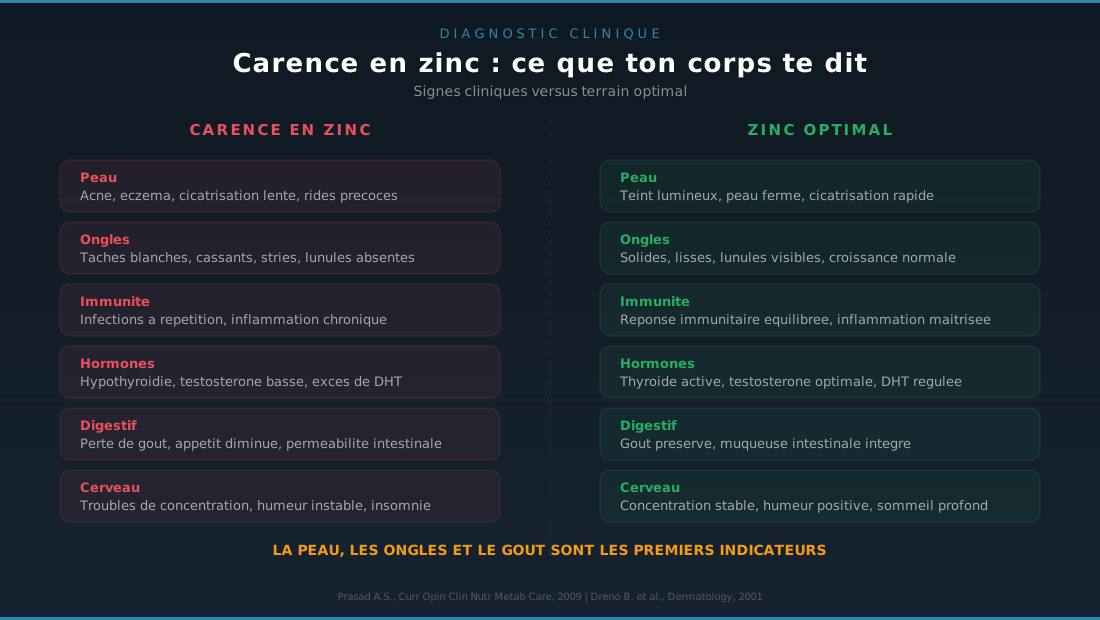
Another sign I systematically look for: loss of taste. Zinc is essential for taste bud function7. When it’s lacking, foods become bland, you tend to add more salt, you lose pleasure in eating. It’s a discreet but very reliable sign. If you have the impression everything tastes less flavorful than before, look no further. It’s often the terrain of zinc deficiency settling in.
The 6 thieves of zinc in your daily life
Before even talking about what to eat or supplement, there’s a fundamental hygienism rule: first, do no harm. In other words, before adding zinc, start by stopping wasting it. And they are many, these silent thieves.
Chronic stress is first. When cortisol rises, urinary zinc increases. It’s mechanical. Each episode of intense stress empties your reserves a little more. Non-soaked grains come in second place. The phytic acid contained in wheat, oats, brown rice, chelates zinc in the digestive tract and makes it unavailable for absorption8. That’s why strict vegetarians are so often deficient: they eat lots of grains and legumes without soaking or fermenting them. Coffee and tea, consumed right after meals, are the third thief. The tannins they contain bind to zinc and form insoluble complexes. The rule is simple: wait at least 30 minutes after eating before drinking your coffee.
Alcohol is a well-known pillar. Proton pump inhibitors (PPIs), these anti-reflux medications prescribed in bulk, reduce the gastric acidity zinc needs to be absorbed. Contraceptive pills raise copper, which lowers zinc through mineral competition. And intense sport generates significant sudoral losses: a marathon can cost you up to 3 mg of zinc in a single session. When you add it all up, you understand better why 30% of French people are deficient.
What to eat, what to supplement
Oysters are the all-around champion: 39 mg of zinc per 100 grams. A single oyster almost covers daily needs. It’s actually a food I regularly recommend in consultation, especially for hypothyroid and acne-prone patients. Behind that, calf liver provides 12 mg/100g, pumpkin seeds 7.5 mg, beef approximately 6.5 mg, crab 5.5 mg. Soaked lentils (that’s the condition) provide 3.3 mg. Soaking reduces phytate content by 30 to 50%, which significantly improves the bioavailability of zinc in legumes. Even better, the sprouting promoted by Ann Wigmore multiplies bioavailable zinc content while nearly completely neutralizing phytates. Gentle cooking is also essential: high temperatures destroy enzymatic cofactors necessary for zinc absorption.
When food isn’t enough (and in the current context, it’s frequent), supplementation becomes necessary. The form I favor is zinc bisglycinate, because it’s a form chelated to an amino acid (glycine) that crosses the intestinal barrier without competing with phytates. The common dosage is 15 to 30 mg per day, in a single evening dose, away from dinner. Why evening? Because zinc participates in melatonin synthesis, and an evening dose often improves sleep quality. Why away from meals? To avoid competition with dinner fibers and phytates.
One caution point: if you supplement zinc for more than 3 months, you need to add copper. The copper/zinc ratio is crucial for mineral balance, and chronic excess zinc can induce copper deficiency, with consequences for red blood cell production and vascular health. Generally, you add 1 to 2 mg copper for every 15 mg zinc. It’s a detail many prescribers forget, and that’s unfortunate.
Want to assess your deficiency risk? Take the zinc deficiency questionnaire in 2 minutes. And if you also suspect a thyroid problem, the Claeys test complements the assessment.
When zinc isn’t enough
Zinc isn’t a miracle solution. If you have severe cystic acne, diagnosed hypothyroidism, generalized eczema, or repeated infections, you need to consult. A doctor for diagnosis and treatment if necessary, a naturopath for terrain assessment and underlying strategy. Zinc supplementation can interact with certain antibiotics (tetracyclines, fluoroquinolones) and Wilson’s disease treatments. It’s not recommended at high doses during pregnancy without monitoring. And especially: zinc doesn’t replace a complete mineral assessment. In naturopathy, we never correct a single mineral in isolation. Micronutrition looks at the terrain as a whole, we identify clogging factors, and we methodically rebuild.
Zinc is everywhere and nowhere. It intervenes in your skin, your hormones, your immunity, your brain, your digestion. When it’s lacking, nothing really works well, but nothing frankly collapses either. That’s the trap: zinc deficiency is a gradual, discreet decline that sets in over months before you detect it. And when you detect it, you’ve already accumulated symptoms. Look at your nails, listen to your taste, observe your skin. Your body gives you the answers. It’s up to you to hear them.
For zinc supplementation, Sunday Natural offers bisglycinate zinc and copper of pharmaceutical quality, precisely dosed (-10% with code FRANCOIS10). Find all my partnerships with exclusive promo codes.
If you want personalized support, you can book a consultation.
To go further
- Low ferritin and hair loss: the link your doctor ignores
- Thyroid and digestion: the vicious circle nobody explains to you
- Hypothyroidism is a symptom, not a diagnosis
- Magnesium: the mineral 75% of French people don’t have in sufficient quantity
Sources
- Curtay, Jean-Paul. Nutrithérapie. Marco Pietteur, 2016.
- Hertoghe, Thierry. The Hormone Handbook. 2nd ed. Luxembourg: International Medical Books, 2012.
- Mouton, Georges. Écologie digestive. Marco Pietteur, 2004.
“We rebuild every human being with food, baths, and exercises. The rest is utopia.” Pierre-Valentin Marchesseau
Scientific references
Healthy recipe: Chicken tagine with lemon: Chicken is rich in zinc: discover this stainless steel recipe.
Footnotes
-
Arnaud, J., et al. “Determinants of Serum Zinc Concentrations in a Population of French Middle-Age Subjects (SU.VI.MAX Cohort).” European Journal of Clinical Nutrition 64, no. 10 (2010): 1057-1064. PMID: 20664619. ↩
-
Stamatiadis, D., M. C. Bulteau-Portois, et I. Mowszowicz. “Inhibition of 5 Alpha-Reductase Activity in Human Skin by Zinc and Azelaic Acid.” British Journal of Dermatology 119, no. 5 (1988): 627-632. PMID: 3207614. ↩
-
Dreno, B., et al. “Multicenter Randomized Comparative Double-Blind Controlled Clinical Trial of the Safety and Efficacy of Zinc Gluconate versus Minocycline Hydrochloride in the Treatment of Inflammatory Acne Vulgaris.” Dermatology 203, no. 2 (2001): 135-140. PMID: 11586012. ↩
-
Jarosz, Magdalena, et al. “Antioxidant and Anti-Inflammatory Effects of Zinc. Zinc-Dependent NF-kappaB Signaling.” Inflammopharmacology 25, no. 1 (2017): 11-24. PMID: 28083748. ↩
-
Wang, Xuexuan, et al. “Zinc Supplementation Modifies Tight Junctions and Alters Barrier Function of CACO-2 Human Intestinal Epithelial Layers.” Digestive Diseases and Sciences 58, no. 1 (2013): 77-87. PMID: 22903217. ↩
-
Nishiyama, S., et al. “Zinc Supplementation Alters Thyroid Hormone Metabolism in Disabled Patients with Zinc Deficiency.” Journal of the American College of Nutrition 13, no. 1 (1994): 62-67. PMID: 8157857. ↩
-
Heyneman, Catherine A. “Zinc Deficiency and Taste Disorders.” Annals of Pharmacotherapy 30, no. 2 (1996): 186-187. PMID: 8835055. ↩
-
Sandstead, Harold H., et Jeanne H. Freeland-Graves. “Dietary Phytate, Zinc and Hidden Zinc Deficiency.” Journal of Trace Elements in Medicine and Biology 28, no. 4 (2014): 414-417. PMID: 25439135. ↩

Laisser un commentaire
Sois le premier à commenter cet article.