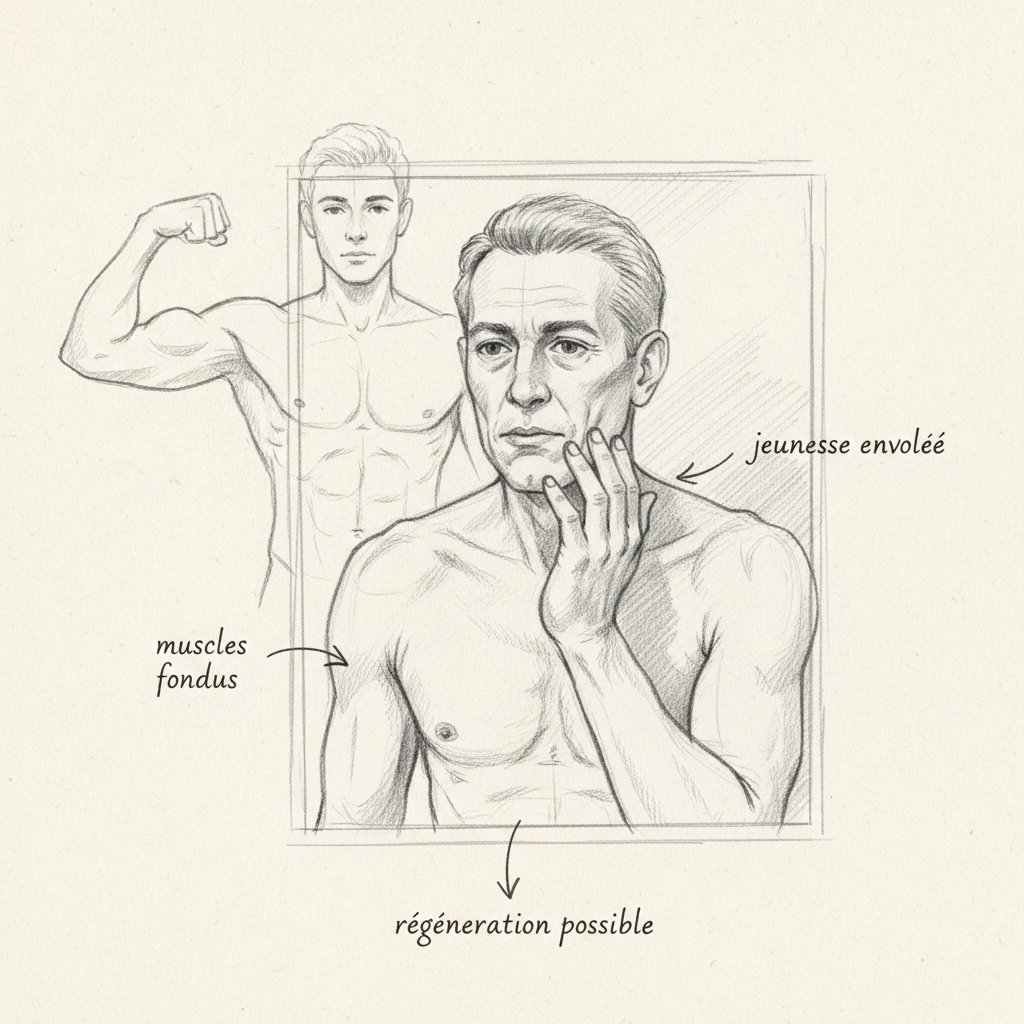
His name is Marc, he’s 47 years old, and when he sat down across from me, he told me exactly what I hear three times a week: “They told me it was all in my head.” Twelve years of diffuse pain, crushing fatigue, non-restorative nights. His GP sent him to the rheumatologist, who sent him to the neurologist, who sent him back to the generalist with a prescription for antidepressants and Lyrica. No one ever talked to him about his gut. No one looked at what he was eating. No one explained to him that his muscle cells were literally bathing in their own waste.
Fibromyalgia affects 2 to 4% of the population, or about two million people in France. Eight out of ten patients are women. The average diagnostic delay exceeds five years. Five years of wandering, cascade consultations, sideways glances. It’s a syndrome characterized by diffuse musculoskeletal pain, disabling chronic fatigue, and sleep disturbances. Medicine has recognized it as a disease since 1992 (WHO), but struggles to understand it because it looks at it with the wrong tools.
“Don’t kill the mosquitoes, drain the swamp.” Pierre-Valentin Marchesseau
Rheumatology looks for a lesion. Neurology looks for a nerve. Psychiatry looks for a psychic disorder. And meanwhile, the terrain cries out. Naturopathy doesn’t claim to cure fibromyalgia. It proposes to understand why these cells are malfunctioning and to act on the roots of the problem. And when you start digging, you come across a name that keeps coming up: Jean Seignalet, and his theory of cellular clogging.
What they don’t tell you about fibromyalgia
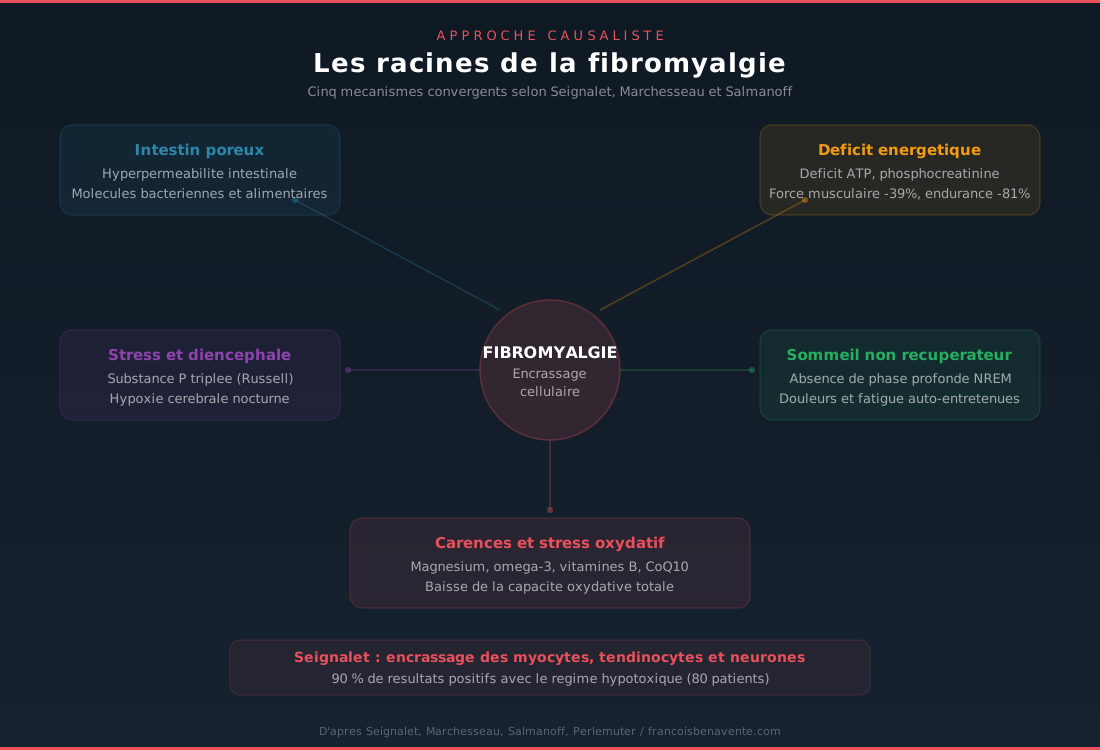
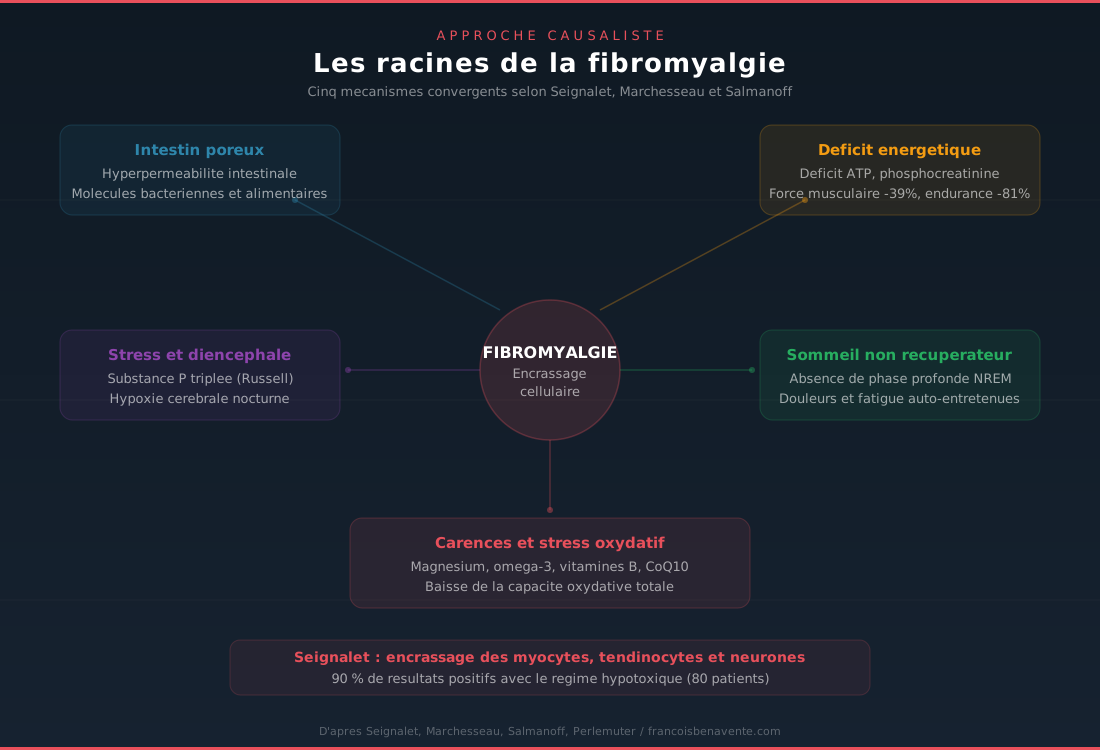
Fibromyalgia is not an imaginary disease. It’s not just “stress” either. It’s a syndrome of cellular clogging, in the sense that Seignalet theorized it in Food or Third Medicine. The muscles, tendons, and neurons of the fibromyalgia patient are bathed in an excess of metabolic waste that the body can no longer eliminate. It’s not inflammation in the classical sense. It’s congestion, engorgement, slow and silent intoxication of cells.
Seignalet classifies fibromyalgia among clogging diseases, along with osteoarthritis, type 2 diabetes, Parkinson’s disease, or certain migraines. The mechanism is always the same: food and bacterial molecules cross a porous intestine, reach the general circulation, and deposit in the cells of the target organ. For osteoarthritis, these are chondrocytes. For fibromyalgia, these are myocytes (muscle cells), tendinocytes (tendon cells), and neurons.
Clinical diagnosis is based on American College of Rheumatology (ACR) criteria. In 1990, the definition required the presence of 18 specific tender points1. Since 2010, the criteria have been expanded to include a widespread pain index (WPI) and a symptom severity scale (SS)2. But these criteria say nothing about the why. They describe a picture, they don’t tell the story. And the story is that of the terrain.
The triad that no one breaks down
Fibromyalgia rests on three inseparable clinical pillars. These aren’t three separate symptoms. It’s a chain reaction, a vicious circle where each element feeds the other two.
The first pillar is pain. Diffuse, bilateral pain, present for at least three months, affecting all four quadrants of the body. It’s not joint pain like in osteoarthritis. It’s deep muscle pain, a sensation of permanent soreness, burning, muscle tightness. The fibromyalgia patient lives with an abnormally low pain threshold. Substance P, this neuropeptide that transmits the pain signal, is tripled in the cerebrospinal fluid of fibromyalgia patients3. The brain receives an amplified pain signal, even for stimuli that shouldn’t be painful. This is called allodynia and hyperalgesia.
The second pillar is fatigue. Not ordinary fatigue. Fatigue that doesn’t improve with rest. Terrain fatigue, what Marchesseau called “humoral fatigue,” linked to the accumulation of toxins in the body’s fluids. Bengtsson’s studies show a 20% ATP deficit in the muscles of fibromyalgia patients4. Phosphocreatine, the muscle’s immediate energy reserve, is also lowered. It’s not that the patient doesn’t want to move. It’s that his muscle cells literally no longer have the energy to function properly. Muscle strength is reduced by 39% and endurance by 81% compared to healthy subjects.
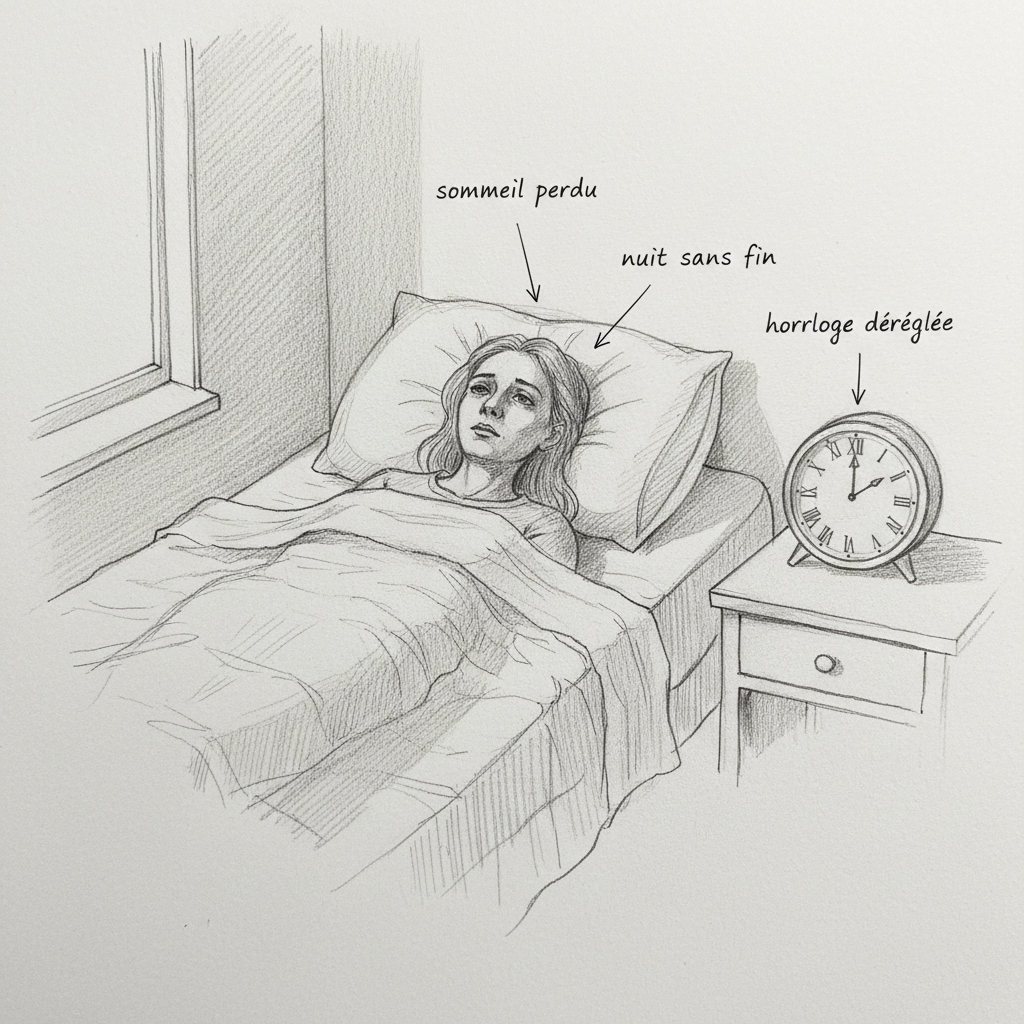
The third pillar is non-restorative sleep. Moldofsky demonstrated this as early as 1975: fibromyalgics exhibit an alpha-delta sleep anomaly5. Fast alpha waves come to disrupt deep slow sleep (delta waves), preventing the body from entering the tissue repair phases. Sleep is fragmented, light, superficial. The patient sleeps, but his cells don’t repair. Moldofsky even reproduced the symptoms of fibromyalgia in healthy subjects by selectively depriving them of deep sleep. No deep NREM phase, no muscle repair. And without repair, clogging accumulates.
Leaky gut: the entry point for clogging
This is where Seignalet meets Marchesseau. Intestinal hyperpermeability is the starting point of the clogging process6. The intestinal mucosa, when healthy, forms a selective barrier of 300 to 400 square meters. Only properly digested nutrients (amino acids, fatty acids, monosaccharides) cross this barrier via enterocytes. But when the tight junctions between cells loosen, macromolecules pass into circulation: incompletely digested peptides, bacterial toxins (LPS), food fragments not recognized by the immune system.
The culprits are identified. Gluten in modern wheat is front and center. The wheat we consume today bears no resemblance to the einkorn of our ancestors. Genetic manipulation has multiplied its chromosomes from 14 (diploid) to 42 (hexaploid), increasing the content of toxic gliadins. Casein from dairy products poses the same problem: cow’s milk contains proteins (beta-casein A1) that our enzymes don’t completely break down. High-temperature cooking (above 110°C) creates Maillard molecules, glycotoxins that the body doesn’t recognize and doesn’t know how to eliminate.
As I explain in the article on anti-inflammatory nutrition, this chronic inflammatory terrain exhausts the immune system and maintains intestinal permeability. It’s a vicious cycle. And in fibromyalgia, the consequences are direct: macromolecules that cross the intestinal barrier deposit in muscles, tendons, and neurons, creating this cellular clogging that explains the diffuse pain.
The energy deficit: cells running on empty
The fibromyalgia patient is not lazy. His muscle cells are in energy failure. The mitochondria, these energy factories present in each cell, malfunction. ATP production (adenosine triphosphate, the body’s energy currency) is insufficient. And without energy, everything slows down: muscle contraction, tissue repair, cellular detoxification.
Multiple mechanisms converge toward this deficit. Coenzyme Q10 (ubiquinone), essential for electron transport in the mitochondrial respiratory chain, is significantly low in fibromyalgics7. Carnitine, which carries fatty acids to the mitochondria for ATP production, is another cofactor often deficient. Magnesium, a cofactor of over 300 enzymatic reactions including ATP synthesis, is chronically deficient. B vitamins, particularly B1 (thiamine), B2 (riboflavin), and B3 (niacin), are coenzymes of Krebs cycle dehydrogenases. Without them, the cycle runs slowly.
Oxidative stress worsens the picture8. Free radicals damage mitochondrial membranes, further reducing ATP production capacity. Total antioxidant capacity (ORAC) is lowered in fibromyalgics. Superoxide dismutase (SOD), glutathione peroxidase (GPX), and catalase, the three major antioxidant enzymes of the body, don’t function at full capacity due to lack of cofactors: zinc, selenium, copper, manganese.
This is an aspect I address in the article on zinc: this silent deficiency affects a large part of the population, and fibromyalgics even more. Zinc is a cofactor of delta-6-desaturase, the enzyme that allows the conversion of omega-3 into anti-inflammatory EPA/DHA. Without zinc, chronic inflammation perpetuates itself.
Stress and the diencephalon: the forgotten keystone
Marchesseau never separated body from mind. For him, the diencephalon (hypothalamus, thalamus, pineal) is the conductor of all vital functions. And in fibromyalgia, this orchestra plays off-key. The hypothalamic-pituitary-adrenal (HPA) axis is dysregulated. Stress sabotages the thyroid too, adding a layer of hormonal fatigue to the picture. Cortisol, instead of following its normal circadian rhythm (peak in morning, drop in evening), is flattened: too low in the morning (hence fatigue upon waking), not dropping enough in the evening (hence sleep disorders). This is the classic pattern of adrenal exhaustion, which follows the three stages described by Selye.
“Free your diencephalic zone from your cortex.” Pierre-Valentin Marchesseau
Pregnenolone theft explains part of the problem. Pregnenolone is the mother molecule of all steroid hormones. In chronic stress, the body uses it primarily to make cortisol, at the expense of DHEA, progesterone, and testosterone. This is the pregnenolone steal: when cortisol monopolizes all raw materials, repair and anti-inflammatory hormones collapse. This mechanism, I detailed it in the article on endometriosis, because it affects the same terrain.
Substance P, this neuropeptide of pain, is secreted by nociceptive C fibers. In the fibromyalgia patient, its concentration in cerebrospinal fluid is two to three times higher than normal. The pain threshold is lowered. The brain receives amplified signals. And stress, by stimulating the HPA axis and disrupting neurotransmitters (serotonin, dopamine, GABA), amplifies this central sensitization further.
Serotonin plays a key role in this picture. This neurotransmitter is both a pain modulator, mood regulator, and precursor to melatonin (the sleep hormone). Yet fibromyalgics have significantly low serotonin and tryptophan levels9. The cascade is clear: not enough tryptophan in the diet, not enough cofactors (B6, magnesium, iron, zinc) for conversion to 5-HTP then serotonin, not enough serotonin to modulate pain and make melatonin, so amplified pain and disrupted sleep.
Sleep: when the body no longer repairs itself
Sleep is not a luxury. It’s the body’s repair shop. During deep slow-wave sleep (NREM stages 3 and 4), the body releases growth hormone (GH), repairs muscle tissue, consolidates learning, and performs cellular housekeeping (autophagy). Without these phases, the body doesn’t recover. And that’s exactly what happens in fibromyalgia.
Moldofsky highlighted this intrusion of alpha waves into the delta sleep of fibromyalgics. The brain shifts from deep sleep to light wakefulness dozens of times a night, without the patient being aware of it. He sleeps. But his sleep doesn’t fulfill its repair function.
The consequences cascade. Without deep sleep, no sufficient GH secretion. Without GH, no muscle repair. Without repair, clogging accumulates. Without waste elimination, pain increases. And pain disrupts sleep. The vicious circle is complete.
As I explain in the article sleeping naturally well, sleep quality depends on several factors that naturopathy knows how to support: melatonin production (which depends on serotonin, which depends on tryptophan, which depends on magnesium and B6), absence of stimulants in the evening, body temperature, darkness, and respect for circadian rhythm.
The liver: the fibromyalgia patient’s central detox organ
The liver is the body’s detoxification factory. Every day, it filters 1.5 liters of blood per minute, neutralizes endogenous toxins (spent hormones, metabolic waste, ammonia) and exogenous ones (pesticides, medications, food additives), and prepares them for elimination via bile and kidneys. When the liver is overloaded, waste accumulates in blood and tissues. This is the toxemia of Marchesseau, the starting point of all chronic disease according to orthodox naturopathy.
“Everything comes from the belly. Every disease is born from congestion of the main detox organ.” Salmanoff
In the fibromyalgia patient, hepatic overload is almost constant. Long-term medications (antidepressants, anticonvulsants, opioid painkillers) constantly stress the P450 cytochromes. Industrial food brings its load of xenobiotics. And intestinal dysbiosis, often worsened by candidiasis linked to adrenal exhaustion, produces endotoxins (LPS) that reach the liver via the portal vein, adding further to hepatic workload.
Hepatic detoxification therapy, as I describe it in the article on spring detox, is an essential pillar of naturopathic support for fibromyalgia. But be careful: detoxifying a heavily clogged terrain requires gradualness. Opening the elimination channels too fast risks a violent detox crisis (headaches, nausea, increased fatigue). Salmanoff’s golden rule: open the exits before dislodging the toxins.
The Seignalet diet: 90% positive results
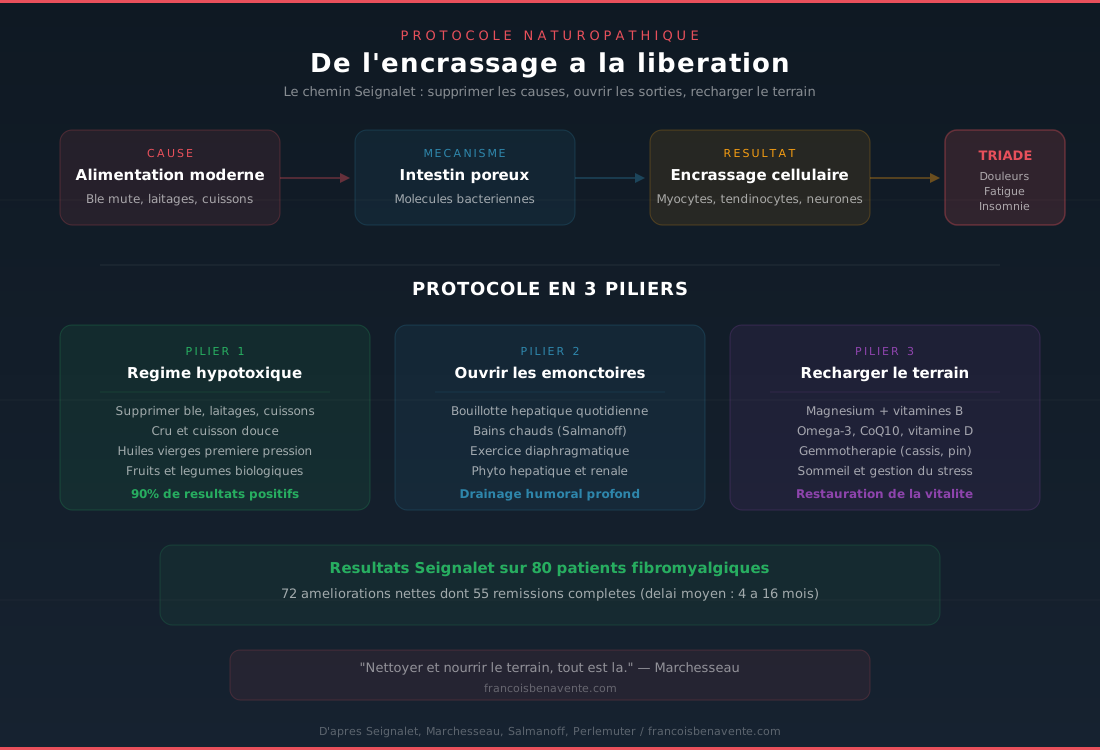
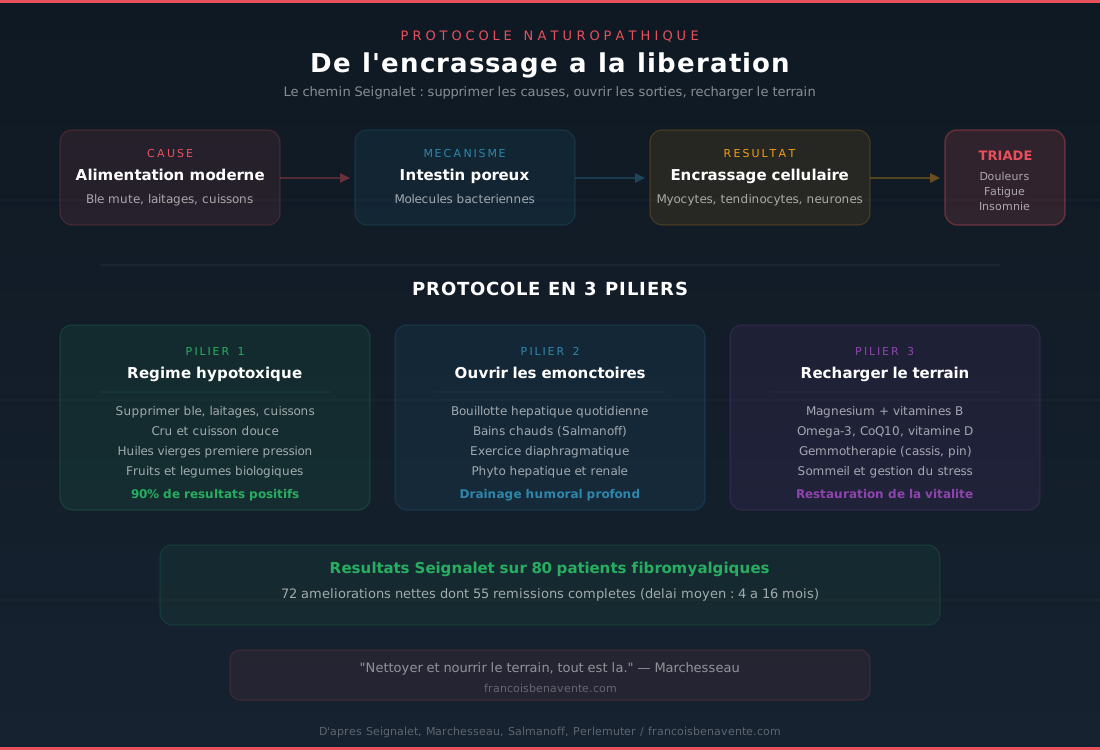
This is the heart of the protocol. Jean Seignalet, immunologist and CNRS researcher, followed 80 fibromyalgia patients with his hypotoxic diet. The results are unambiguous: 72 clear improvements, including 55 complete remissions. That’s 90% positive results, with an average timeframe of 4 to 16 months. No medication has ever achieved these figures.
The hypotoxic diet rests on three nutritional pillars. The first is elimination of mutated grains. Wheat, rye, barley, corn, spelt are replaced by rice, buckwheat, quinoa, millet, sesame, chestnut. These aren’t industrial “gluten-free” cereals (which are often worse, full of modified starches and additives), but ancestral grains, non-hybridized, consumed as-is.
The second pillar is elimination of animal dairy products. Cow’s milk, yogurt, cream, soft cheeses are excluded. Cow’s milk casein (beta-casein A1) breaks down into casomorphin-7, an opioid peptide that crosses the intestinal barrier and triggers a silent immune reaction. Only tolerated in small amounts are raw butter (little casein, rich in butyrate) and certain aged goat or sheep cheeses (long fermentation degrades part of the problematic proteins).
The third pillar is gentle cooking. Above 110°C, proteins and sugars combine to form Maillard molecules (advanced glycation end products, or AGE). These molecules are foreign to living systems. Our enzymes don’t know how to break them down. They accumulate in tissues and contribute to clogging. Seignalet recommends raw as much as possible, and gentle steam cooking, braising, or bain-marie for foods that need cooking.
The complete naturo protocol: beyond nutrition
Nutrition is the foundation. But to achieve Seignalet’s results, you need to go further. The complete naturopathic protocol rests on three complementary axes.
The first axis is opening the elimination channels. The liver first: applying a hot water bottle on the right flank after each meal stimulates hepatic blood flow and facilitates bile secretion. Hepatic phytotherapy completes the work: rosemary (choleretic), artichoke (cholagogue), milk thistle (hepatoprotective via silymarin), dandelion (hepato-renal drainer), and black radish (biliary stimulant). Perlemuter adds desmodium for very tired livers.
The kidneys are the second elimination channel to support. Hydration is fundamental: 1.5 to 2 liters of low-mineral water per day, between meals. Infusions of meadowsweet, orthosiphon, pilosella, or cherry stems support kidney filtration. And Salmanoff reminds us of the importance of hot baths: hydrotherapy activates capillary circulation, opens skin pores (third elimination channel), and accelerates waste elimination through perspiration.
Moderate physical exercise is an elimination channel in its own right. Walking, easy cycling, swimming, yoga mobilize the diaphragm, which massages the liver with each breath. Carton said the diaphragm is the “second heart.” Exercise also stimulates lymphatic return, this often-forgotten system that drains waste from interstitial tissues into the blood. The fibromyalgia patient must move, but gently. No intense exercise that produces lactic acid and worsens pain. Aerobic exercise, progressive, regular.
The second axis is recharging the terrain with micronutrients. Magnesium bisglycinate is the absolute priority: 300 to 400 mg per day, in two doses (morning and evening), away from meals rich in phytates. Magnesium is a cofactor of ATP synthesis, muscle relaxation, tryptophan conversion to serotonin, and over 300 other enzymatic reactions. Its deficiency is nearly universal in fibromyalgia10.
Omega-3 (EPA and DHA) at 2 to 3 grams per day modulate chronic low-grade inflammation and support cell membranes, including mitochondrial membranes. Fish or krill oil, or oily fish three times weekly (sardines, mackerel, anchovies) complement dietary intake.
Coenzyme Q10 (200 to 400 mg per day) is essential for restoring mitochondrial function. Its reduced form (ubiquinol) is better absorbed than ubiquinone. Vitamin D3 (2000 to 4000 IU per day, adjusted based on blood tests) modulates immunity and pain sensitivity. B vitamins in complex support the Krebs cycle, methylation, and neurotransmitter synthesis.
The thyroid deserves special attention in fibromyalgics. Subclinical hypothyroidism (high-normal TSH, low-normal T4, low T3) is frequent and worsens fatigue, pain, and coldness. Thyroid cofactors (iodine, selenium, zinc, tyrosine, iron) must be systematically evaluated.
The third axis is stress management and sleep restoration. Gemmotherapy occupies a central place in the protocol. Black currant bud macerate (Ribes nigrum) is a natural cortisone-like, anti-inflammatory and adaptogenic, essential for rebuilding the adrenals. Linden bud macerate (Tilia tomentosa) is the great nervous system calmer. Fig bud (Ficus carica) acts on the corticotropic axis and regulates cortisol secretion. In combination, 50 to 100 drops of each, black currant in the morning, linden and fig in the evening, these three buds cover both aspects of the problem: inflammation and stress.
“Disease is the crystallization of a mental attitude.” Edward Bach
Heart coherence (5 minutes, 3 times daily, 6 breaths per minute) is a simple and powerful tool for regulating the autonomic nervous system and rebalancing the HPA axis. Melatonin at low dose (1 to 3 mg, 30 minutes before bedtime) can help restore sleep architecture when sleep hygiene measures aren’t enough. And Marchesseau always insisted: turn off screens an hour before bed, sleep in complete darkness, go to bed before 11 pm to capture the natural melatonin peak.
Do you want to assess your terrain? The BMS burnout questionnaire identifies nervous exhaustion frequent in fibromyalgia. The magnesium questionnaire detects this nearly universal deficiency, and Braverman’s dopamine test evaluates lack of motivation and drive.
What naturopathy doesn’t do
Naturopathy supports. It doesn’t replace medical diagnosis or rheumatologic follow-up. If you have diffuse pain for more than three months, the first step is comprehensive medical screening: CBC, ESR, CRP, TSH-T3L-T4L, ferritin, red blood cell magnesium, vitamin D, liver function tests. You need to eliminate differential diagnoses: rheumatoid arthritis, lupus, frank hypothyroidism, Sjögren’s syndrome, spondylarthritis.
Current medications (Lyrica, Cymbalta, tramadol) must never be stopped abruptly. Tapering, if considered, is always done with the prescribing physician, very gradually, over several months, as the terrain improves.
Based in Paris, I offer online consultations throughout France. You can book an appointment for personalized support.
Naturopathy and medicine aren’t in competition. They’re complementary. One treats the emergency and symptom. The other works on the terrain and causes. The fibromyalgia patient needs both.
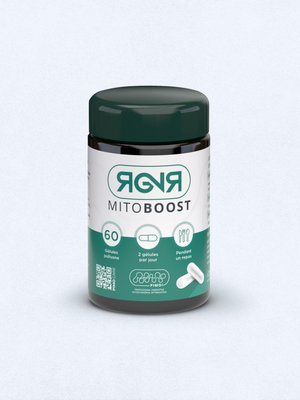
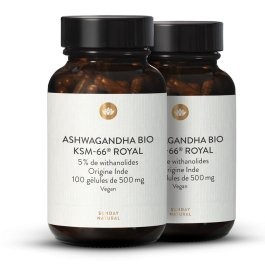
For the fibromyalgia protocol, Sunday Natural offers magnesium bisglycinate, CoQ10, and adaptogenic mushrooms (reishi, cordyceps) of pharmaceutical quality (-10% with code FRANCOIS10). The Inalterra grounding mat reduces chronic inflammation and improves deep sleep (-10% with code FRANCOISB). And a Hurom juicer makes it easy to prepare the alkalizing green juices of the hypotoxic diet (-20% with code francoisbenavente20). Find all my partnerships with exclusive promo codes.
If you want personalized support, you can book a consultation.
To go further
- Sleeping naturally well: what naturopathy can offer you
- Adrenal exhaustion: the 3 stages no one explains to you
- Growth hormone: regeneration, muscle tone, and anti-aging
- Melatonin: so much more than the sleep hormone
Do you want to assess your status? Take the free Hertoghe melatonin questionnaire in 2 minutes.
Sources
- Bengtsson, A. “The Muscle in Fibromyalgia.” Journal of Rheumatology 29 (2002): 102-106.
- Carton, Paul. Treatise on Naturopathic Medicine. Le François, 1920.
- Seignalet, Jean. Food or Third Medicine. 5th ed. Paris: François-Xavier de Guibert, 2004.
- Salmanoff, Alexandre. Secrets and Wisdom of the Body. La Table Ronde, 1958.
“The hygienist doesn’t cure. He teaches the sick person to stop poisoning his cells.” Pierre-Valentin Marchesseau
Scientific references
Healthy recipe: Immunity juice with turmeric-ginger: The turmeric calms fibromyalgia inflammation.
Footnotes
-
Wolfe, F. et al. “The American College of Rheumatology 1990 Criteria for the Classification of Fibromyalgia.” Arthritis & Rheumatism 33, no. 2 (1990): 160-172. PMID: 2306288. ↩
-
Wolfe, F. et al. “The American College of Rheumatology Preliminary Diagnostic Criteria for Fibromyalgia and Measurement of Symptom Severity.” Arthritis Care & Research 62, no. 5 (2010): 600-610. PMID: 20461783. ↩
-
Russell, I.J. et al. “Elevated Cerebrospinal Fluid Levels of Substance P in Patients with the Fibromyalgia Syndrome.” Arthritis & Rheumatism 37, no. 11 (1994): 1593-1601. PMID: 7526868. ↩
-
Bengtsson, A. et al. “Reduced High-Energy Phosphate Levels in the Painful Muscles of Patients with Primary Fibromyalgia.” Arthritis & Rheumatism 29, no. 7 (1986): 817-821. PMID: 3741498. ↩
-
Moldofsky, H. et al. “Musculoskeletal Symptoms and Non-REM Sleep Disturbance in Patients with ‘Fibrositis Syndrome’ and Healthy Subjects.” Psychosomatic Medicine 37, no. 4 (1975): 341-351. PMID: 169541. ↩
-
Martin, F. et al. “Increased Gut Permeability and Bacterial Translocation Are Associated with Fibromyalgia and Myalgic Encephalomyelitis/Chronic Fatigue Syndrome.” Frontiers in Immunology 14 (2023): 1253121. PMID: 37744357. ↩
-
Cordero, M.D. et al. “Coenzyme Q10 Distribution in Blood Is Altered in Patients with Fibromyalgia.” Clinical Biochemistry 42, no. 7-8 (2009): 732-735. PMID: 19133251. ↩
-
Bagis, S. et al. “Free Radicals and Antioxidants in Primary Fibromyalgia: An Oxidative Stress Disorder?” Rheumatology International 25, no. 3 (2005): 188-190. PMID: 14689230. ↩
-
Russell, I.J. et al. “Cerebrospinal Fluid Biogenic Amine Metabolites in Fibromyalgia/Fibrositis Syndrome and Rheumatoid Arthritis.” Arthritis & Rheumatism 35, no. 5 (1992): 550-556. PMID: 1374252. ↩
-
Bagis, S. et al. “Is Magnesium Citrate Treatment Effective on Pain, Clinical Parameters and Functional Status in Patients with Fibromyalgia?” Rheumatology International 33, no. 1 (2013): 167-172. PMID: 22271372. ↩




Laisser un commentaire
Sois le premier à commenter cet article.