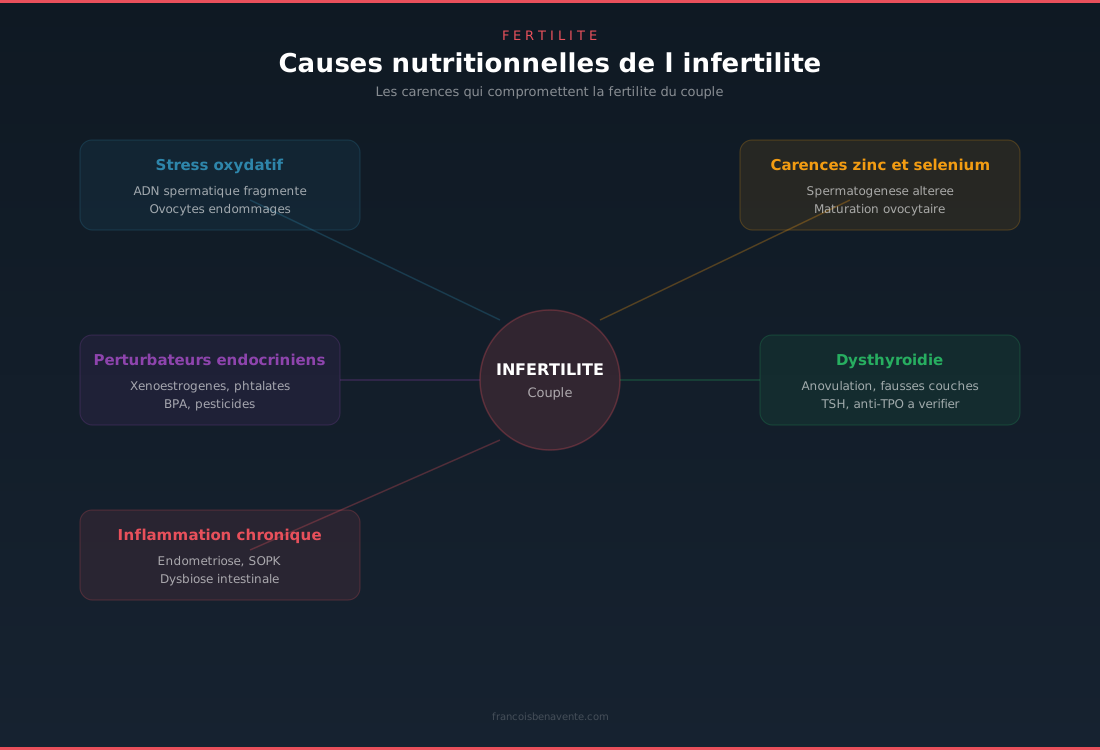
Three IVF cycles. Fifteen thousand euros. Zero babies. When Marc and Camille (names changed) sat across from me, they looked like two shipwrecked people. Camille was crying softly. Marc was staring at his hands. Their fertility treatment journey had been going on for four years. Two intrauterine inseminations, three in vitro fertilizations, one transfer that held for eleven days before stopping. Their gynecologist said “unexplained infertility.” Their embryologist said “borderline but acceptable semen analysis.” In four years, no one had measured Marc’s zinc. No one had checked whether oxidative stress was fragmenting his sperm DNA. No one had looked at Camille’s homocysteine, her vitamin D, her omega-3 status, her thyroid beyond a simple TSH test. Fifteen thousand euros to work around a problem that no one had tried to understand.
Professor Vincent Castronovo, in his lecture on infertility at the DU MAPS, frames the problem with disarming clarity: in a healthy couple, the monthly fertility rate is only 20 to 25 percent. Which means that even when everything is working perfectly, you only have a one in four or five chance with each cycle. Over one year of regular intercourse, 85 percent of healthy couples conceive. But 30 percent of couples report difficulties, and 20 percent seek medical consultation1. Reproductive medicine has made spectacular progress. But it has sometimes forgotten the essential: before bypassing nature with heavy, costly techniques, perhaps we should verify that the nutritional terrain of both partners allows life to take hold.
“The infertility consultation must always see the couple. Complete medical history, background, sexuality, nutritional and functional biology are indispensable prerequisites.” Professor Vincent Castronovo, DU MAPS
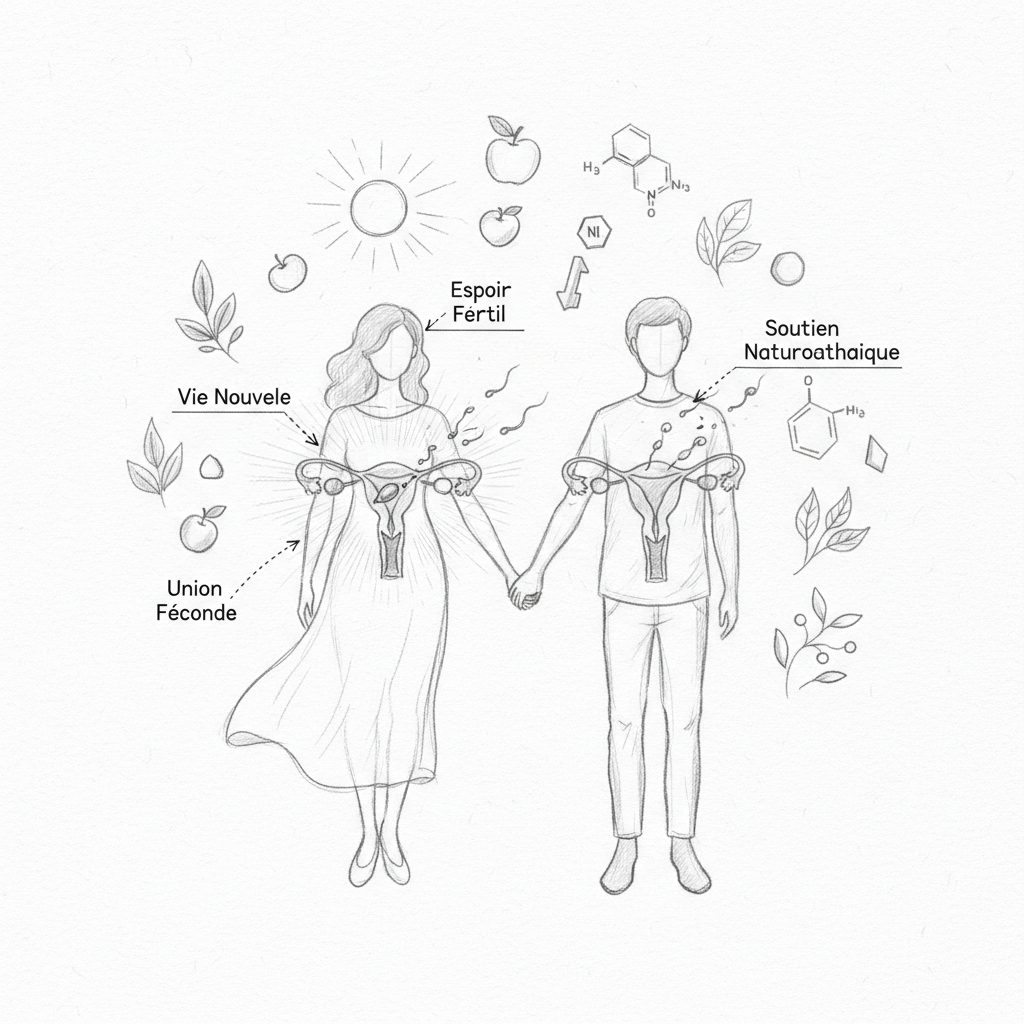
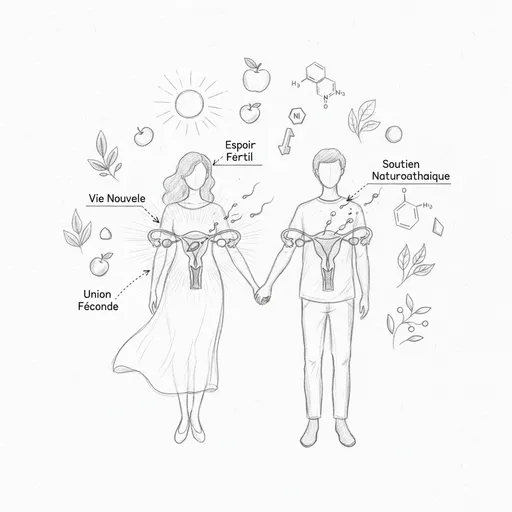
If you’re on a baby journey, if the months pass with nothing happening, if you’ve been offered fertility treatment without having your terrain assessed, this article is for you. And for your partner. Because infertility comes from the man in one third of cases. From the woman in one third of cases. And from both in one third of cases. This is why Castronovo insists: you always consult as a couple. Never one without the other.
What medicine doesn’t look at carefully enough
Infertility is clinically defined as the absence of pregnancy after twelve months of regular sexual intercourse without contraception. After age 35, this timeframe is shortened to six months. It’s a statistical definition, not a diagnosis. And that’s where the problem begins. Too often, the couple enters a fertility treatment protocol without nutritional and functional causes having been explored. The standard workup (semen analysis, pelvic ultrasound, basic hormone panel) is necessary but terribly insufficient.
Castronovo emphasizes a fundamental point: the etiology of infertility divides into three equal parts. One third from male factors. One third from female factors. One third from mixed factors, meaning both partners present abnormalities that, in isolation, might be sufficient to conceive, but which combined make fertilization unlikely. This equal distribution is unknown to the general public. In the collective unconscious, infertility remains a “women’s problem.” That’s wrong. And this belief delays male diagnosis by months, sometimes years.
The workup I prescribe in infertility consultation through Barbier laboratory (functional biology) goes far beyond semen analysis and ultrasound. For men: serum zinc and copper (the ratio is fundamental), selenium, CoQ10, carnitine, erythrocyte fatty acid profile, homocysteine, vitamin D, total and free testosterone, SHBG, prolactin, and ideally a sperm DNA fragmentation test (TUNEL or SCD test). For women: FSH, LH, estradiol, progesterone in luteal phase (days 21-23), prolactin, TSH, free T3, free T4, testosterone, SHBG, DHEAS, ferritin with ultrasensitive CRP, zinc, selenium, vitamin D, B9 (folates, not folic acid), active B12 (holotranscobalamin), homocysteine, fatty acid profile, iodine excretion. This workup costs between 300 and 500 euros. It’s the price of one insemination attempt. And it can prevent years of wandering without answers.
Spermatogenesis: a factory that runs continuously
To understand male infertility, you must understand how sperm are made. Spermatogenesis is a continuous process that begins at puberty and never stops. Unlike women, who are born with their definitive stock of oocytes, men produce sperm throughout their lives. That’s good news. It means that at any time, you can improve production quality by changing the conditions in which it occurs.
The complete spermatogenesis cycle lasts approximately 74 days. This is a crucial point. When I prescribe zinc, selenium, or CoQ10 supplementation to a man, I always warn him: you must wait at least three months to see the first effects on the semen analysis. Because the sperm coming out today were programmed two and a half months ago. It’s the generation currently maturing that we’re nourishing, not the one already in the exit pipeline.
The seminiferous tubules of the testes contain Sertoli cells, which serve as “nurse cells” for developing spermatocytes, and Leydig cells, which produce testosterone under the control of pituitary LH. FSH stimulates spermatogenesis via Sertoli cells. These two pituitary hormones are themselves controlled by hypothalamic GnRH, which is sensitive to stress, sleep, nutrition, and endocrine disruptors. When chronic stress collapses GnRH, the entire cascade slows down.
A normal semen analysis, according to WHO (2021) criteria, presents at minimum 15 million sperm per milliliter, 40 percent total motility, 4 percent normal morphology, and an ejaculate volume of 1.5 mL. But Castronovo emphasizes an essential point: the semen analysis evaluates quantity, motility, and morphology, but not sperm DNA quality. A man can have a “normal” semen analysis with 40 percent fragmented sperm DNA. And this fragmentation is the leading cause of unexplained IVF failures2.
Zinc: number one cofactor for male fertility
If I could remember only one nutrient for male fertility, it would be zinc. Its concentration in seminal fluid is one hundred times higher than in blood plasma. This is no accident. Zinc intervenes at every stage of spermatogenesis: division of spermatogonia, maturation of spermatocytes, chromatin condensation (which protects sperm DNA), stabilization of cell membranes, and antioxidant defenses via superoxide dismutase (SOD1, which is zinc-dependent).
Zinc deficiency reduces sperm count, impairs their morphology, decreases their motility, and lowers free testosterone3. When Marc showed me his workup, his serum zinc was 0.62 mg/L. The laboratory reference said “normal” (0.60 to 1.20 mg/L). But the health range is well above that: 0.80 to 1.00 mg/L minimum. Marc had been in functional deficiency for probably years. And no one had measured it.
Zinc is also an inhibitor of 5-alpha-reductase, the enzyme that converts testosterone to DHT (dihydrotestosterone). Zinc deficiency shifts the balance toward DHT, which can cause androgenetic alopecia in men and worsen PCOS in women. This is one of the connection points between male and female infertility: zinc is often deficient in both partners.
Supplementation with zinc bisglycinate, 25 to 30 mg per day for three to six months (always away from iron and calcium, always with a bit of copper if supplementation exceeds three months), significantly improves semen analysis parameters when deficiency is documented. But dietary zinc is equally important: pumpkin seeds (8 mg per 100g), oysters (78 mg per 100g, the champion of all categories), calf liver, quality organic red meat, wheat germ. I always remind my patients that plant-based zinc (legumes, whole grains) is chelated by phytates, which drastically reduces its absorption. Soaking legumes and grains 12 to 24 hours before cooking significantly reduces phytate content.
Selenium, carnitine, and CoQ10: the energetic trio
Selenium is the cofactor of glutathione peroxidase (GPx), one of the three major antioxidant enzymes in the body. In the sperm cell, GPx protects membranes against lipid peroxidation and DNA against oxidative damage. But selenium also plays a unique structural role: it incorporates into the midpiece of the sperm as a selenoprotein, which is essential for motility4. Without selenium, sperm lose their ability to swim correctly. Three Brazil nuts per day cover selenium needs (approximately 70 to 100 micrograms). In supplementation, L-selenomethionine at 100 micrograms per day is the best-absorbed form.
L-carnitine transports long-chain fatty acids to the mitochondria for ATP production. The sperm, this tiny cell that must travel a distance equivalent (at its scale) to a marathon, needs a colossal amount of energy. The epididymis, where sperm mature for 10 to 14 days, contains some of the highest concentrations of L-carnitine in the body. Supplementation with L-carnitine (2 to 3 grams per day) improves motility and sperm maturation. This is a cofactor I detail in the article on carnitine and mitochondrial energy.
Coenzyme Q10 is the essential electron carrier of the mitochondrial respiratory chain. It is present in high concentration in sperm, where energy demand is maximal. CoQ10 plays a dual role: ATP production (energy for motility) and antioxidant protection of lipid membranes. The reduced form (ubiquinol) is better absorbed. Supplementation at 200 to 400 mg per day for three to six months improves sperm concentration, motility, and morphology5. This is one of the supplements I prescribe systematically as a first-line treatment in male infertility.
Sperm DNA: the hidden cause of IVF failures
The sperm DNA fragmentation test is probably the most under-prescribed analysis in reproductive medicine. And yet, it’s often the key to the mystery. When a couple has three failed IVF cycles with a “normal” semen analysis, when embryos form but don’t implant, when early miscarriages repeat, sperm DNA fragmentation must be searched for as a priority.
Sperm DNA is normally condensed and protected by protamines (which replace histones during spermatogenesis). This condensation is zinc-dependent. When zinc is lacking, condensation is incomplete and DNA remains vulnerable to free radicals. Oxidative stress, generated by smoking, alcohol, pollution, chronic stress, urinary tract infections, and varicocele, attacks nitrogen bases and causes single or double-strand breaks. A fragmentation rate above 30 percent is associated with a drastic drop in pregnancy rates, in both natural conception and IVF.
The good news is that sperm DNA fragmentation is reversible. Since sperm renew continuously, correcting oxidative factors and strengthening antioxidant defenses for three to six months can radically improve the quality of the next generation. That’s exactly what happened with Marc: after six months of protocol (smoking cessation, zinc 30 mg/day, selenium 100 mcg/day, CoQ10 300 mg/day, omega-3 3 g/day, vitamin C 500 mg/day), his fragmentation rate dropped from 38 percent to 14 percent. The fourth IVF worked. Camille became pregnant on the first transfer.
Female side: oogenesis, a capital you don’t renew
The fundamental difference between male and female fertility comes down to one sentence from Castronovo: “The man produces sperm continuously from puberty onward. The woman is born with her definitive stock of oocytes, whose meiosis began during her embryonic life.” At birth, a girl has approximately one to two million primordial follicles. By puberty, 300,000 to 400,000 remain. By age 37, approximately 25,000. By menopause, a few hundred.
Each month, under the effect of FSH, a cohort of follicles is recruited. Only one will become the dominant follicle, which will release a fertilizable oocyte at ovulation around day 14 of the cycle (in theory, since perfect 28-day cycles are far from the norm). The others degenerate. This selection process is critical. The quality of the oocyte that will be released depends on the environment in which it matured: folate status, vitamin D status, estradiol, omega-3s, antioxidants. A nutritionally deficient environment not only reduces the number of available oocytes (that’s what age takes care of), it deteriorates the quality of those that remain.
The luteal phase, after ovulation, is equally critical. The corpus luteum produces progesterone, which prepares the endometrium for implantation. Castronovo specifies that progesterone must reach a minimum of 18 ng/mL in the luteal phase for optimal implantation. Luteal insufficiency, meaning insufficient progesterone production, is a frequent cause of early miscarriages and “unexplained” infertility. And this insufficiency is often related to chronic stress (pregnenolone steal diverts precursors toward cortisol at the expense of progesterone), vitamin B6 deficiency (cofactor of progesterone synthesis), or undiagnosed subclinical hypothyroidism.
The menstrual cycle: a symphony anything can throw off key
The menstrual cycle is a hormonal symphony of remarkable precision. The follicular phase (days 1 to 14) is dominated by estrogens, which stimulate endometrial growth and dominant follicle maturation. Ovulation occurs in response to the LH surge, triggered by rising estrogens. The luteal phase (days 14 to 28) is dominated by the estrogen plus progesterone mixture, secreted by the corpus luteum.
Abnormalities in ovarian function come in three levels of increasing severity. Dysovulation first: ovulation occurs but irregularly, with cycles of variable duration. Anovulation next: ovulation doesn’t occur, but menstruation persists (this is called “anovulatory periods,” a diagnostic trap because the woman thinks she’s ovulating since she’s bleeding). Amenorrhea finally: complete absence of periods, a sign of complete blockage of the hypothalamic-pituitary-ovarian axis.
The causes of these dysfunctions are multiple. Hypothalamic-pituitary origin is most linked to lifestyle: anorexia, severe caloric restrictions, intense chronic stress, excessive exercise collapse hypothalamic GnRH, which lowers FSH and LH and blocks ovulation. PCOS, which represents 4 to 10 percent of the female population and 32 percent of infertility cases6, acts through a different mechanism: insulin resistance dysregulates the P450c17 enzymatic pathway, causes excess ovarian androgens that block follicle maturation. Premature ovarian insufficiency (before age 40) is a rarer but devastating cause, often autoimmune or genetic.
Endometriosis: the silent cause discovered too late
Endometriosis deserves its own paragraph. Castronovo cites a figure that should make every gynecologist think: 50 percent of cases of “idiopathic sterility” (meaning “we can’t find the cause”) are actually related to undiagnosed endometriosis7. Endometriosis affects one in ten women. The average diagnostic delay exceeds seven years. And its impact on fertility is twofold: mechanical (adhesions and nodules disturb pelvic anatomy, oocyte capture by the fallopian tubes, endometrial quality) and biochemical (chronic local inflammation impairs oocyte quality, endometrial receptivity, and the peritoneal environment).
When a woman consults for infertility and presents with painful periods, chronic pelvic pain, deep dyspareunia, or pain with defecation during menses, endometriosis must be systematically investigated. Endovaginal ultrasound by an experienced operator and pelvic MRI are first-line examinations. Diagnostic laparoscopy, long considered the gold standard, is increasingly reserved for cases where surgical treatment is planned.
The thyroid: the fertility hormone that no one tests correctly
Thyroid and fertility are intimately connected, and this is something I develop in depth in the dedicated article. But we need to discuss it here because too many infertility workups limit themselves to TSH. Yet TSH doesn’t tell the whole story. A woman can have a TSH of 3.5 mIU/L, “within the laboratory’s normal range,” and present with subclinical hypothyroidism that compromises her fertility. The American Thyroid Association recommends TSH below 2.5 mIU/L in preconception and first trimester of pregnancy. If your TSH exceeds this threshold and you’re trying to conceive, your thyroid needs attention.
During the first four months of pregnancy, the fetus depends entirely on maternal thyroid hormones for nervous system development. Maternal thyroid insufficiency, even subclinical, increases the risk of miscarriage, prematurity, and neurodevelopmental disorders in the child. The complete thyroid panel in preconception should include TSH, free T3, free T4, anti-TPO and anti-Tg antibodies (to detect early Hashimoto’s), and ideally iodine excretion. The complete periconception workup is detailed in the dedicated article.
Female micronutrition: folates, iron, vitamin D, omega-3s
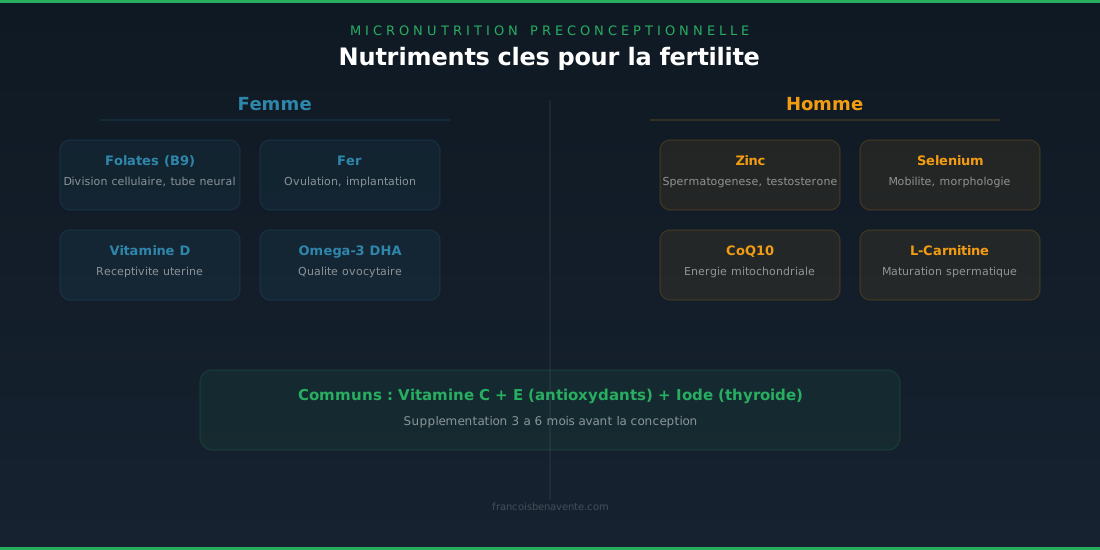
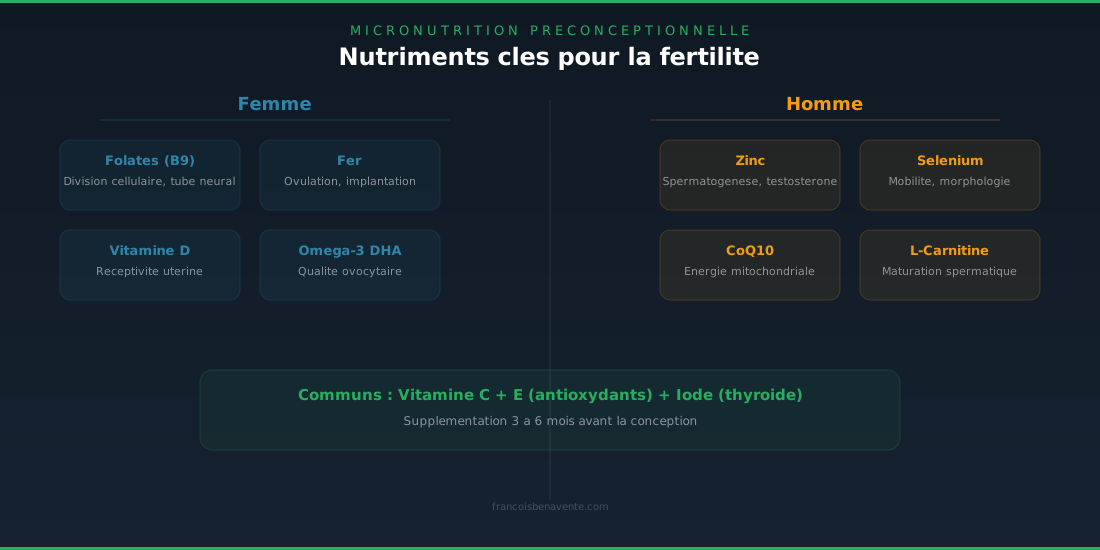
On the female side, the cofactors of fertility are as follows. Active folates (5-MTHF, not synthetic folic acid), at 400 to 800 micrograms per day, are essential for DNA synthesis, cell division, and methylation. Approximately 40 percent of the population has a MTHFR gene polymorphism that reduces conversion of folic acid to active form. That’s why I always prescribe the methylated form (Quatrefolic) and never synthetic folic acid.
Iron is the second critical cofactor. Ferritin should be above 50 ng/mL before conception (not 12 ng/mL, the laboratory threshold). A woman who becomes pregnant with ferritin of 15 ng/mL will collapse in the second trimester when needs rise to 5 mg per day. Iron supplementation must always be guided by testing: ferritin alone isn’t sufficient in case of inflammation (it’s an acute phase marker). Ultrasensitive CRP and soluble transferrin receptor complete the picture. The article on anemia details these mechanisms.
Vitamin D (target above 50 ng/mL, versus the 30 ng/mL of laboratory norms) modulates endometrial immunity, implantation receptivity, and oocyte quality. Omega-3s (EPA and DHA, 2 to 3 grams per day) support oocyte membrane fluidity, modulate pelvic inflammation, and are essential for the future baby’s brain development. The article on omega-3s and hormonal communication deepens these mechanisms.
Oxidative stress: the invisible enemy of fertility
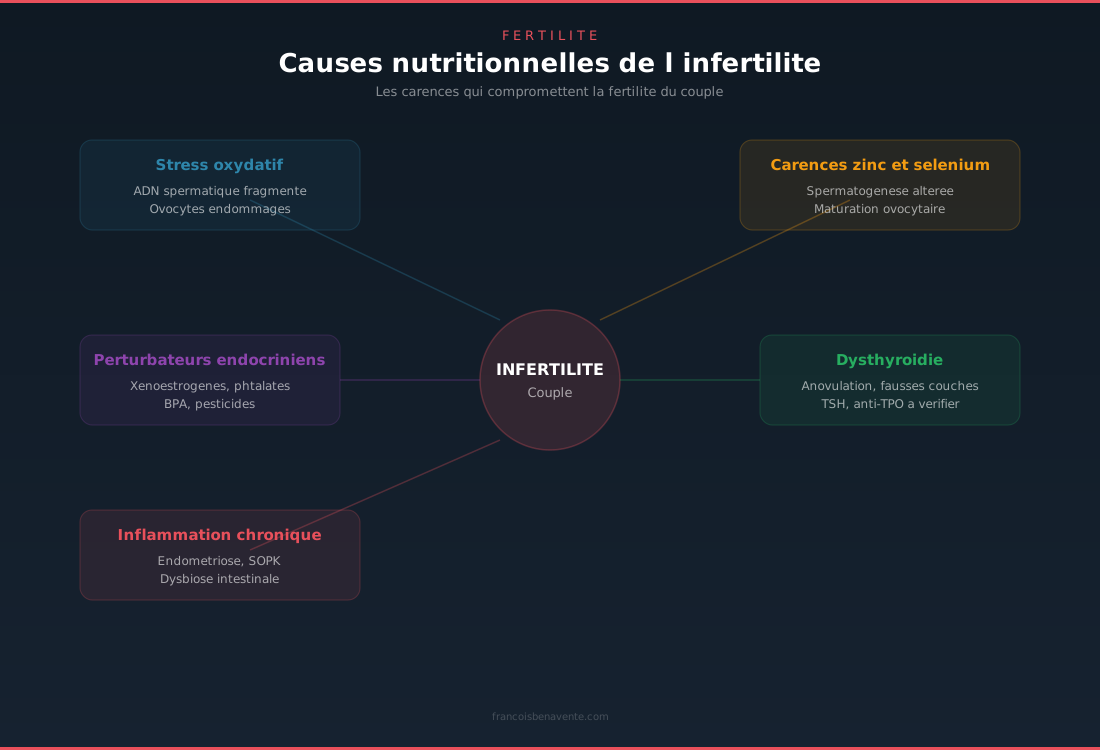
Oxidative stress is the red thread connecting male and female infertility. In men, free radicals (superoxide, hydroxyl, peroxynitrite) attack sperm cell membranes (rich in polyunsaturated fatty acids, so extremely vulnerable to lipid peroxidation) and fragment sperm DNA. In women, oxidative stress impairs oocyte quality, damages the endometrium, and worsens endometriosis. In both cases, endogenous defense systems (SOD, glutathione peroxidase, catalase) are the true guardians of fertility, and their cofactors are the same micronutrients we never test: zinc, selenium, copper, manganese, vitamins C and E, reduced glutathione.
Castronovo insists: antioxidant supplementation in infertility must not be empirical. Excess high-dose vitamin C or E can become pro-oxidant (the “antioxidant paradox”). The correct approach consists of evaluating endogenous defenses (testing erythrocyte SOD, reduced glutathione, GPx, selenium, zinc) and correcting specific deficiencies. This is nourishing the system, not bypassing it. The article on oxidative stress and endogenous antioxidant defenses details these mechanisms in depth.
Tobacco is the leading oxidative stress factor in infertility. A smoker has a significantly higher sperm DNA fragmentation rate than a non-smoker. In women, tobacco advances the age of menopause by 2 to 4 years and decreases ovarian reserve. Alcohol, even in moderate doses, impairs semen analysis parameters and disrupts the ovarian cycle. Endocrine disruptors (phthalates, bisphenols, pesticides, heavy metals) are powerful oxidative stress factors that mimic or block reproductive hormones. Chronic stress raises cortisol, diverts pregnenolone, lowers GnRH, and dysregulates the entire reproductive cascade.
The protocol in consultation: what I do concretely
When a couple comes to see me for conception difficulties, the first consultation lasts an hour and a half. I always see both partners together. The medical history covers diet (seven-day food grid), sleep, stress, physical activity, medical and family history, current treatments, exposure to toxins (smoking, alcohol, pollution, endocrine disruptors), sexuality (frequency, timing relative to ovulation), and gynecological or urological history.
The biological workup is prescribed at the first consultation. For men: semen analysis plus sperm DNA fragmentation test, serum zinc, selenium, vitamin D, homocysteine, total and free testosterone, SHBG, fatty acid profile. For women: complete hormone panel (FSH, LH, estradiol, day 21 progesterone, prolactin, AMH), complete thyroid panel (TSH, free T3, free T4, anti-TPO), ferritin with CRP, zinc, selenium, vitamin D, B9, B12, homocysteine, fatty acid profile, iodine excretion.
The micronutrition protocol is individualized based on results. For men, the pillars are zinc bisglycinate (25 to 30 mg/day), selenium (100 to 200 mcg/day as L-selenomethionine), ubiquinol CoQ10 (200 to 300 mg/day), L-carnitine (2 g/day), omega-3s (2 to 3 g EPA/DHA/day), and vitamin C (500 mg/day, not more to avoid pro-oxidant effect). For women: 5-MTHF (400 to 800 mcg/day), iron bisglycinate (if ferritin below 50 ng/mL, 15 to 30 mg/day at dinner), vitamin D3 (2000 to 4000 IU/day based on testing), omega-3s (2 to 3 g/day), zinc (15 mg/day), iodine (if iodine excretion low), magnesium bisglycinate (300 mg/day).
Nutrition is the foundation. Quality proteins at every meal (including fatty fish three times per week for omega-3s), abundance of raw and gently steamed vegetables, fresh fruit, virgin first-pressed oils (olive, canola, walnut), seeds (pumpkin for zinc, ground flax for plant omega-3s). Elimination of refined sugars and high glycemic indices (especially with PCOS), reduction of cow’s dairy products, avoidance of gluten if inflammatory or autoimmune component. Gentle cooking, below 110 degrees Celsius, to preserve nutrients and avoid Maillard molecules.
Stress management is the third pillar. Heart rate variability coherence (5 minutes, 3 times per day, 6 breaths per minute) is a simple and powerful tool for regulating the hypothalamic-pituitary axis. Gemmotherapy (blackcurrant bud in the morning for the adrenals, fig bud in the evening for the corticotrope axis) supports your terrain without side effects. Sleep must be an absolute priority: melatonin, GH, and pulsatile nocturnal LH are secreted during deep sleep. A couple that sleeps poorly conceives less well.
What naturopathy doesn’t do
Naturopathy doesn’t replace reproductive medicine. When there’s bilateral tubal obstruction, obstructive azoospermia, severe premature ovarian insufficiency, fertility techniques are essential. But even in these cases, optimizing the couple’s nutritional terrain before and during IVF significantly improves success rates. IVF on depleted terrain is like planting in impoverished soil. The chances decrease.
Current medical treatments (ovarian stimulation, insemination, IVF) must never be stopped without the doctor’s consent. Naturopathy is complementary, not alternative. My role is to prepare your terrain, correct deficiencies, optimize antioxidant defenses, and support the couple through this ordeal that is also psychological.
Based in Paris, I consult via video throughout France. You can book an appointment for personalized support.
For the preconception protocol, Sunday Natural offers zinc bisglycinate, ubiquinol CoQ10, and pharmaceutical-grade 5-MTHF (-10% with code FRANCOIS10). And a Hurom extractor makes preparing alkalizing green juices rich in folates and antioxidants easier (-20% with code francoisbenavente20). Find all my partnerships with exclusive promo codes.
Want to evaluate your status? Take the free zinc questionnaire in 2 minutes.
If you want personalized support, you can book a consultation.
To go further
- Pregnancy: the micronutrition that no one prescribes for you
- PCOS: the 4 faces your gynecologist doesn’t look at
- Breastfeeding: the maternal depletion that no one compensates
- Graves’ disease and pregnancy: conceiving and carrying safely
Want to evaluate your status? Take the free Hertoghe insulin excess questionnaire in 2 minutes.
Sources
- Castronovo, Vincent. “Infertility.” Lecture #37, DU MAPS (Micronutrition, Nutrition, Prevention, Health), 2015/2020.
- Curtay, Jean-Paul. Nutritherapy: scientific foundations and medical practice. Testez Editions, 2006.
- Seignalet, Jean. Nutrition or the Third Medicine. 5th ed. Paris: François-Xavier de Guibert, 2004.
“Everything begins before conception. A child is prepared like you prepare a garden: by nourishing the soil before planting.” Robert Masson
Scientific references
Footnotes
-
Thonneau, Patrick, et al. “Incidence and Main Causes of Infertility in a Resident Population (1,850,000) of Three French Regions (1988-1989).” Human Reproduction 6, no. 6 (1991): 811-816. PMID: 1757519. ↩
-
Evenson, Donald P., et al. “Sperm Chromatin Structure Assay: Its Clinical Use for Detecting Sperm DNA Fragmentation in Male Infertility and Comparisons with Other Techniques.” Journal of Andrology 23, no. 1 (2002): 25-43. PMID: 11780920. ↩
-
Fallah, Ali, et al. “Zinc Is an Essential Element for Male Fertility: A Review of Zn Roles in Men’s Health, Germination, Sperm Quality, and Fertilization.” Journal of Reproduction & Infertility 19, no. 2 (2018): 69-81. PMID: 30009140. ↩
-
Moslemi, Mohammad Kazem, et Samaneh Tavanbakhsh. “Selenium-Vitamin E Supplementation in Infertile Men: Effects on Semen Parameters and Pregnancy Rate.” International Journal of General Medicine 4 (2011): 99-104. PMID: 21403799. ↩
-
Safarinejad, Mohammad Reza. “Efficacy of Coenzyme Q10 on Semen Parameters, Sperm Function and Reproductive Hormones in Infertile Men.” Journal of Urology 182, no. 1 (2009): 237-248. PMID: 19447429. ↩
-
Balen, Adam H., et al. “The Management of Anovulatory Infertility in Women with Polycystic Ovary Syndrome: An Analysis of the Evidence to Support the Development of Global WHO Guidance.” Human Reproduction Update 22, no. 6 (2016): 687-708. PMID: 27511809. ↩
-
Meuleman, Christel, et al. “High Prevalence of Endometriosis in Infertile Women with Normal Ovulation and Normospermic Partners.” Fertility and Sterility 92, no. 1 (2009): 68-74. PMID: 18684448. ↩

Laisser un commentaire
Sois le premier à commenter cet article.