Her name is Julie, she is 34 years old, and when she came to see me, she had already had two miscarriages. Her gynecologist had prescribed folic acid and told her “try again.” Nothing else. No thyroid panel. No homocysteine testing. Not a word about zinc, selenium, vitamin D, omega-3s or magnesium. Julie ate almost no protein. She had been on the pill since age 16 and had stopped it two years before. Her diet was adequate but not optimal. Her stress was chronic. And no one had explained to her that her body needed at least six months of preparation to carry a child under good conditions.
The Val de Marne study (Hercberg) demonstrated what naturopaths have observed for decades: 100% of French women lack magnesium, vitamin B6 and zinc1. The Lecerf study (Pasteur Institute/Curtay) confirms that women arrive at conception already deficient. Hormonal contraception worsens deficits in B6, zinc, magnesium and folic acid2. A previous pregnancy depletes reserves without them being replenished. And chronic stress burns through magnesium, B6 and zinc at a rate that diet alone cannot compensate for.
“Everything begins before conception. A child is prepared like we prepare a garden: by nourishing the soil before sowing.” Robert Masson
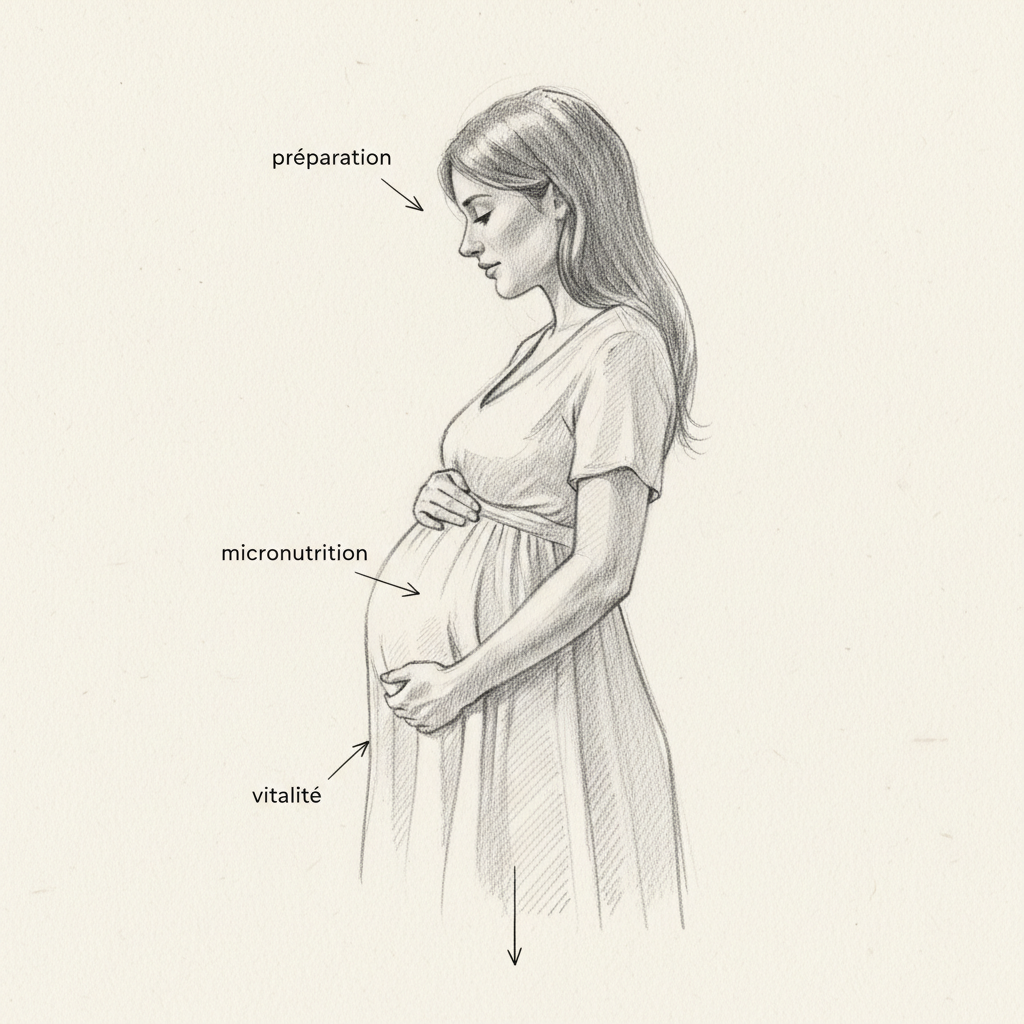
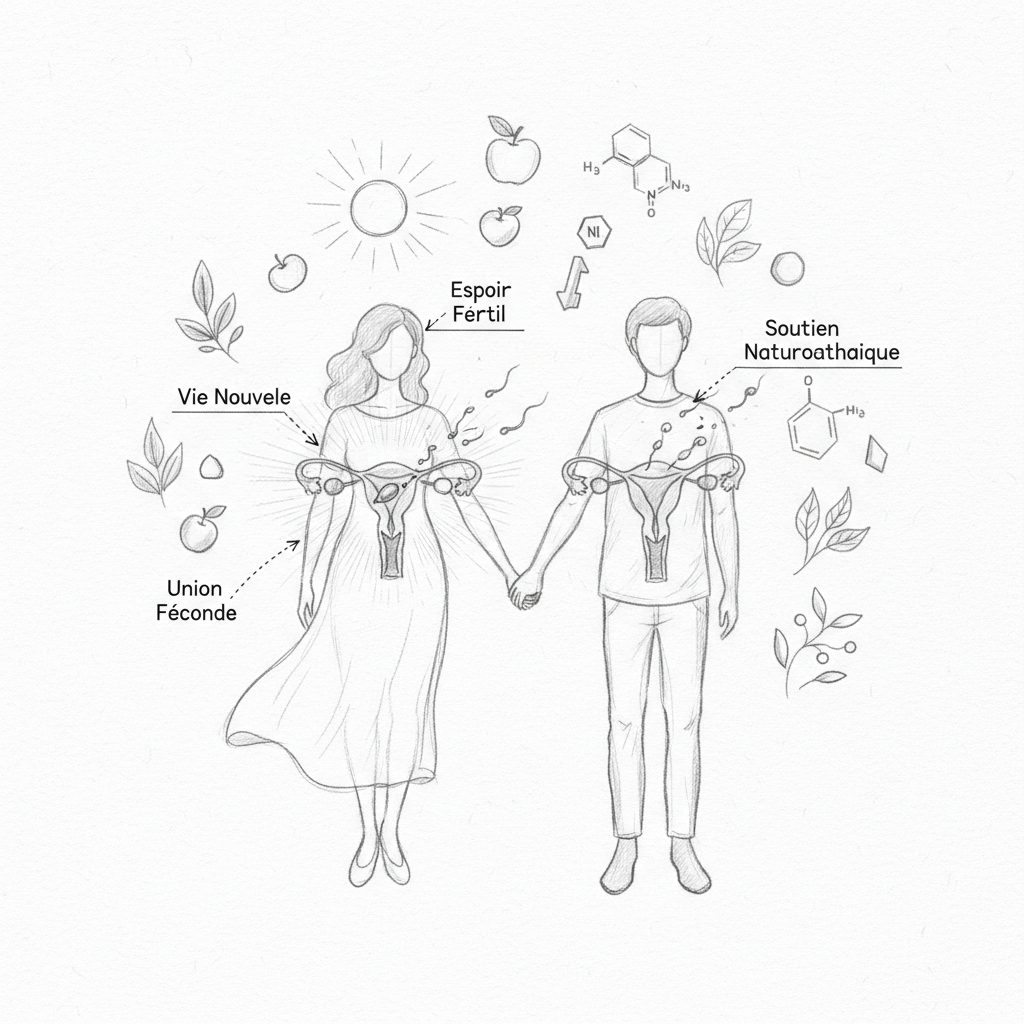
The naturopathy of pregnancy does not begin at a positive test. It begins six months before conception. This is the time needed to rebuild reserves, correct deficiencies, restore terrain health and optimize fertility. Curtay sums it up: correct deficiencies, stop tobacco, restore environmental health, conduct biological testing (B9, homocysteine, ferritin, vitamin D). And don’t forget the father, whose smoking is the leading cause of miscarriage through alteration of sperm DNA.
The preconception panel that no one prescribes
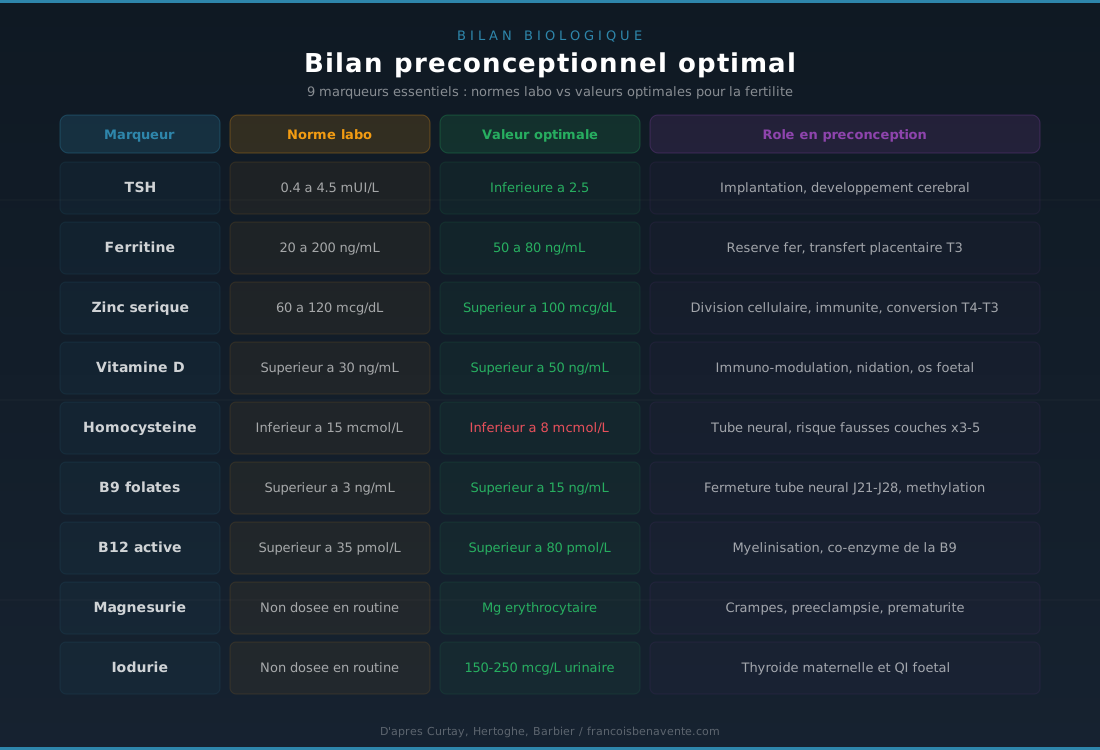
The standard medical panel (CBC, toxoplasmosis/rubella serology, blood type) is necessary but terribly insufficient. It says nothing about micronutrients. Yet it is silent deficiencies that compromise fertility and fetal development.
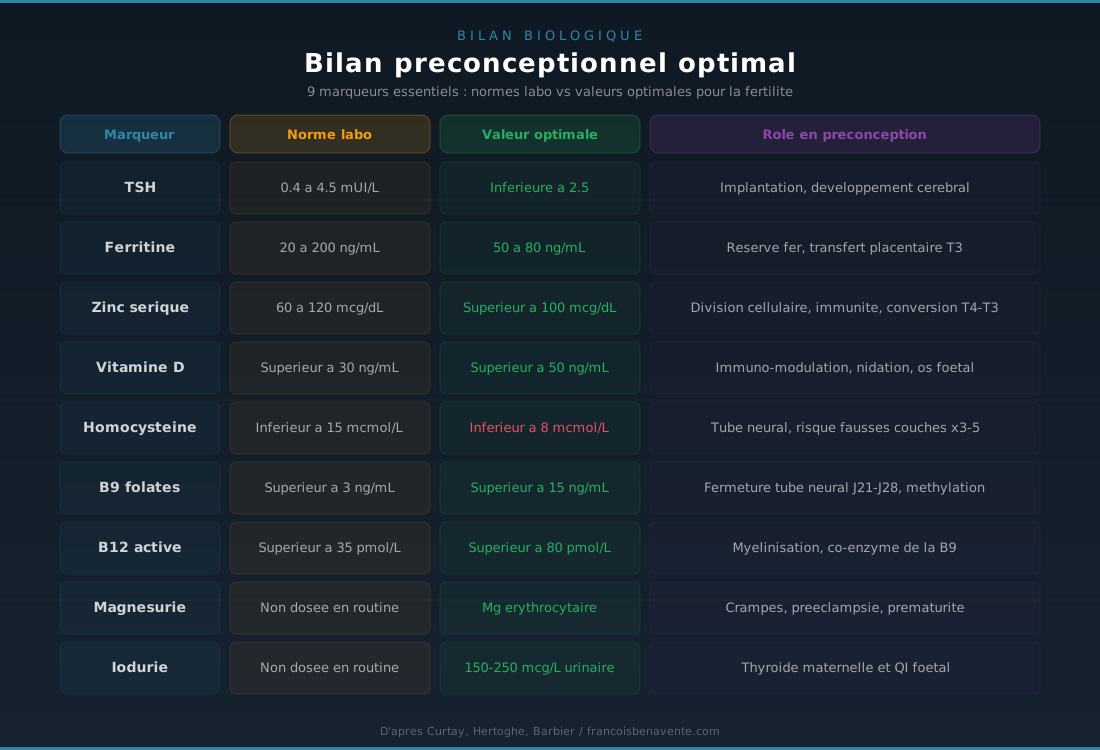
The preconception panel I prescribe through Barbier laboratory (functional biology) includes: TSH, free T3 and free T4 (thyroid function), ferritin with ultrasensitive CRP (to distinguish iron deficiency from inflammation), serum zinc and copper (the zinc/copper ratio is fundamental), selenium, vitamin D (25-OH, target above 50 ng/mL), vitamin B9 (folates, not folic acid) and active B12 (holotranscobalamin, not total B12), homocysteine (methylation marker, optimal value below 8 micromoles per liter, versus 12-15 for lab standards), erythrocyte fatty acid status (omega-3/omega-6 ratio), ioduria (urinary iodine, reflection of iodine status), magnesuria (urinary magnesium, more reliable than serum magnesium). Second-line: HbA1c (insulin resistance), carnitine, urinary cortisol, 2/16-OH-estrogen ratio (hepatic estrogen metabolism).
This panel costs between 200 and 400 euros depending on the markers. It’s an investment in the health of the unborn child. When homocysteine exceeds 12.5 to 14 micromoles per liter, the risk of heart defects is multiplied by 3 to 5. The risk of miscarriage and preeclampsia increases proportionally. Correcting this value with 5-MTHF, B12 and B6 is simple, fast and inexpensive. If you measure it first.
Methylated B9: why folic acid isn’t enough
This is probably the most important point of preconception, and the most misunderstood. Synthetic folic acid (vitamin B9) has been prescribed to all pregnant women since the Medical Research Council demonstrated in 1991 that folate supplementation reduces the risk of neural tube defects (spina bifida, anencephaly) by four-fold3. But folic acid is not the natural form of vitamin B9.
Folic acid must be converted to 5-methyltetrahydrofolate (5-MTHF) to be active. This conversion goes through the DHFR enzyme (dihydrofolate reductase), which is extremely slow in humans4. Excess unconverted folic acid remains in the bloodstream and is associated with increased risk of certain cancers. Approximately 40% of the population has a polymorphism of the MTHFR gene (C677T or A1298C)5 that further reduces conversion capacity. These women receive folic acid they cannot use.
The solution is simple: prescribe 5-MTHF directly (Quatrefolic® is the most studied patented form). It’s the active form, directly usable by the body, regardless of the patient’s genetics. This is the form contained in UNAE pregnancy multivitamins, which I systematically recommend for preconception and throughout pregnancy.
Vitamin B9 plays a central role in methylation, the biochemical process that allows the transfer of methyl groups for nucleotide synthesis (DNA and RNA), gene expression and fetal development. Homocysteine is the marker of this cycle: when it is elevated, methylation is deficient. And deficient methylation during pregnancy is an increased risk of malformations, prematurity and growth retardation.
DHA: your baby’s brain depends on it
The human brain is 60% lipid. Of these, one-third consists of EPA and one-third of DHA (docosahexaenoic acid). The myelin sheaths that insulate neurons contain one-third DHA. The fetal brain development, particularly in the third trimester, is entirely dependent on maternal DHA supply.
Dr. Cousens emphasizes: DHA should be integrated from preconception, ideally a year before conception. Inhibitors of DHA synthesis from plant omega-3s (alpha-linolenic acid from flax seeds, walnuts, hemp) are numerous: trans fatty acids, sugar, insulin, alcohol, corticosteroids. Conversion is low in humans anyway (less than 5%)6. Direct supplementation with DHA (quality fish oil or marine algae for vegetarians) is therefore almost essential.
Omega-3s at 4 grams per day (EPA + DHA) form the foundation of the pregnancy protocol. They modulate inflammation, support fetal brain and retinal development, reduce the risk of prematurity7 and postpartum depression. Breast milk naturally contains DHA, provided the mother has enough. Yet modern breast milk contains up to 20% trans fatty acids from industrial food, which take the place of omega-3s.
Iron, zinc and the duel that kills
Here is a paradox that conventional medicine often ignores: iron and zinc compete for intestinal absorption. Supplementing both at the same time reduces the absorption of each. And pregnancy massively consumes both. Zinc gradually decreases throughout pregnancy. Magnesium drops in the third trimester. Urinary folate excretion is increased. B6 is overused by pregnancy estrogens.
Anemia during pregnancy multiplies the risk of complications by 2.5 to 3 times: prematurity, low birth weight, perinatal mortality. Ferritin must be tested with CRP (because inflammation falsely elevates ferritin). But iron supplementation is not harmless. Free iron catalyzes the Fenton reaction: Fe²⁺ + H₂O₂ → Fe³⁺ + HO⁻ + HO•. The hydroxyl radical (HO•) produced is the second most powerful oxidant in the body, after fluorine. This is the Haber-Weiss reaction: when iron is free and not bound to transferrin or ferritin, it becomes pro-oxidant.
Curtay recommends always combining iron with magnesium (which protects cell membranes) and polyphenols (green tea between meals, red fruits, turmeric). Never combine iron with high-dose vitamin C, contrary to what is read everywhere: high-dose vitamin C catalyzes oxidation in the presence of free iron. Iron is taken at dinner, zinc at breakfast, calcium at bedtime. Each separated from the others.
Zinc is the most underestimated cofactor of pregnancy. Curtay calls it a “powerful predictive factor” of delivery complications. Zinc deficiency reduces fetal brain weight, DNA and protein synthesis in the frontal cortex, cerebellum and hippocampus. Mineral-vitamin supplementation including zinc is associated with 8 additional IQ points at age 4. And 100% of French women consume less than 15 mg of zinc per day (recommended daily intake).
The thyroid: the great forgotten factor in fertility
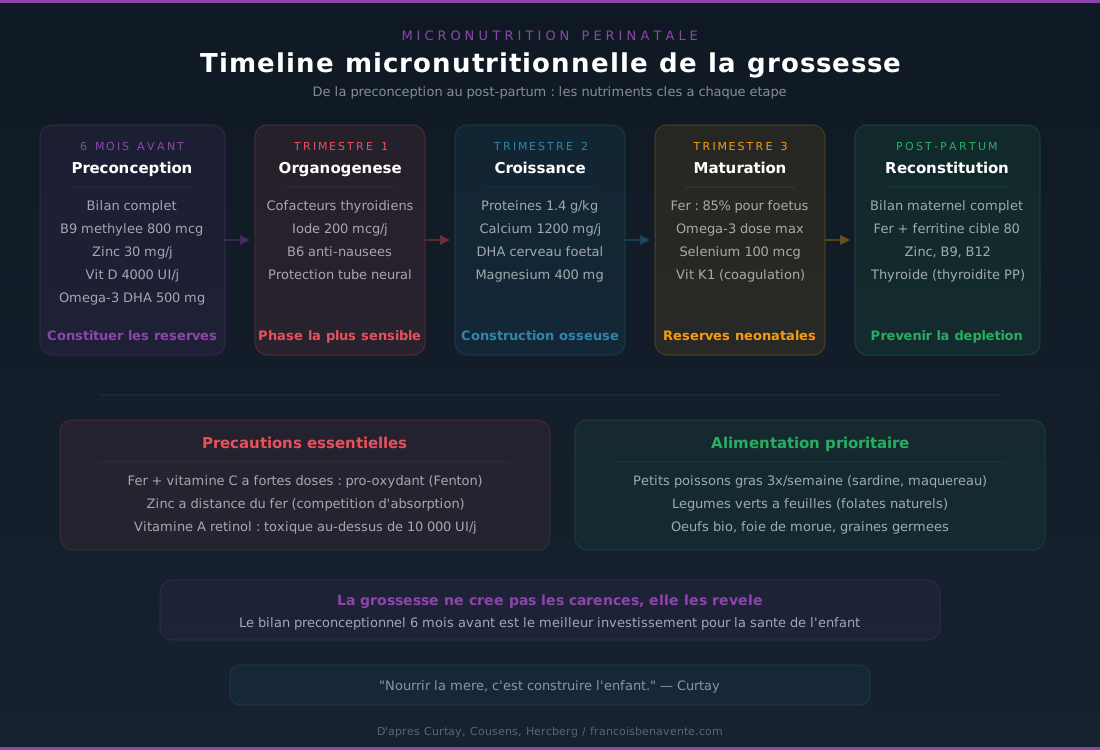
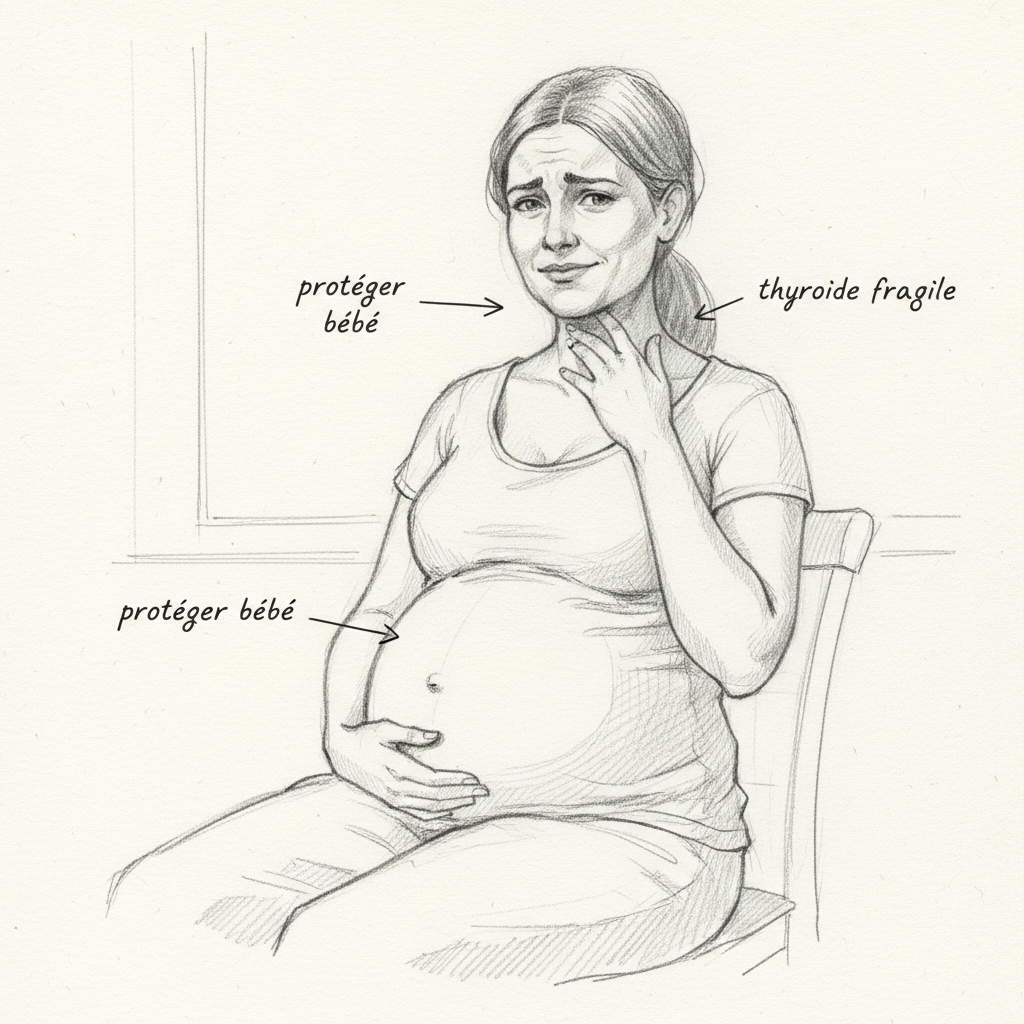
This is a topic I developed in depth in the article on thyroid and micronutrition, but it takes on particular significance during pregnancy. During the first four months, the fetus does not yet have a functional thyroid gland. It depends entirely on maternal thyroid hormones. And it is T3 (not T4) that crosses the placenta. This means that maternal T4→T3 conversion must be optimal: selenium, iron, liver health, absence of dysbiosis.
One in five women is infertile due to undiagnosed thyroid dysfunction. The American Thyroid Association recommends TSH below 2.5 mIU/L in preconception and first trimester8. Yet lab standards go up to 4.5. How many women are labeled “normal” with a TSH of 3.5 and difficulty conceiving?
Mild hypothyroidism in early pregnancy increases the risk of miscarriage, neurological developmental delay, growth retardation and prematurity. The Colorado study (25,000 patients) catalogued 107 symptoms of hypothyroidism9. And thyroid disorders are more common during pregnancy because of increased iodine needs (the fetus pumps maternal iodine to build its own thyroid in the second trimester) and changes in TBG under the effect of pregnancy estrogens.
Thyroid cofactors to optimize in preconception: iodine (150-200 mcg/day, via moderate seaweed or supplement), selenium (100 mcg/day or 3 Brazil nuts), zinc (15-25 mg/day), tyrosine (direct thyroxine precursor), magnesium (deiodinase cofactor), vitamin D3 (nuclear receptor for T3), iron (TPO cofactor).
The complete protocol: before, during, after
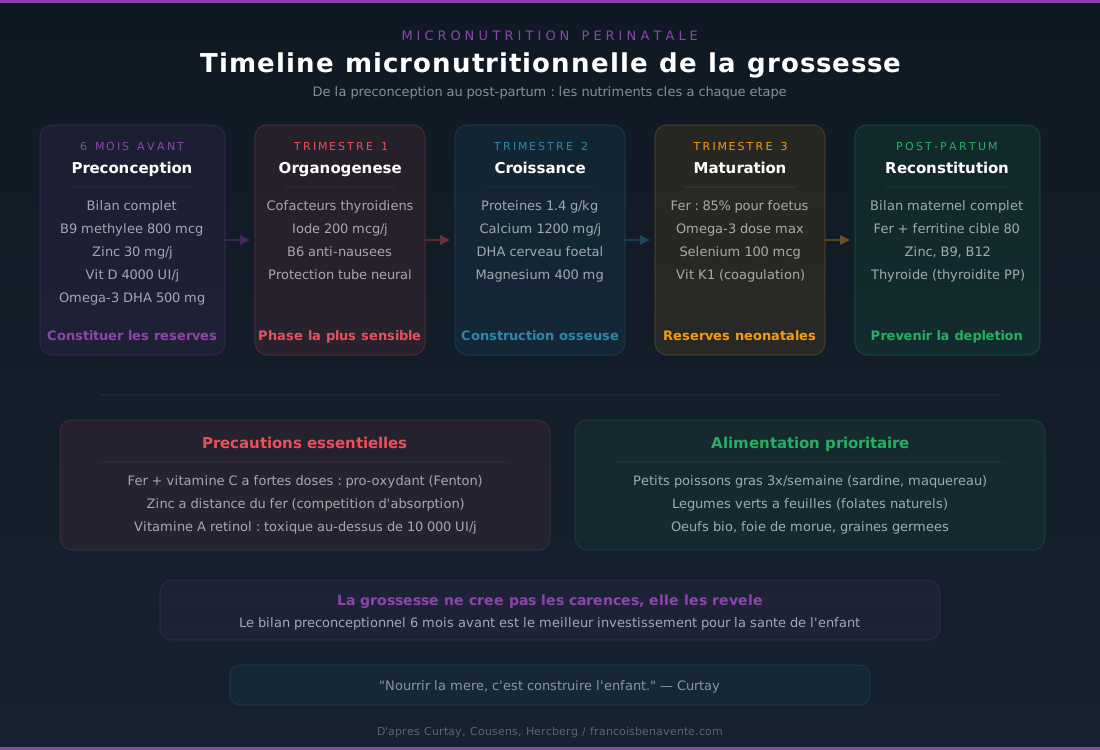
The six-month preconception preparation is the foundation. We correct deficiencies identified in the panel, establish a low-toxin diet (reduction of mutated grains, dairy, high-temperature cooking, ultra-processed foods), open the elimination pathways (liver compress, hydration, moderate exercise), stabilize stress (heart rate coherence, gemmotherapy with blackcurrant and fig), and implement basic supplementation: UNAE pregnancy multivitamins (containing Quatrefolic®, iodine, zinc, selenium, vitamin D, CoQ10), omega-3s at 4 grams per day, magnesium bisglycinate in the evening, and vitamin D3 at dose adapted to the panel.
The estrogen/progesterone balance must be evaluated, especially with a history of PCOS, endometriosis or painful periods. Hertoghe reminds us that progesterone is essential for transforming proliferative endometrium into secretory endometrium, a condition for embryo implantation. Herbal medicine by cycle phase (blackcurrant, raspberry, horsetail and bramble in the follicular phase, then vitex, lady’s mantle, yarrow in the luteal phase, at 2 × 80 drops per day) is a gentle and effective tool to support this balance.
In the first trimester, caution is maximum. All vital organs are forming. Nausea is common (vitamin K and B6 at 25 mg per day reduce it). Diet should be rich in protein (arginine is an essential amino acid during pregnancy), green vegetables (natural folates), good fats. Strictly avoid: alcohol, tobacco, predatory fish (bluefin tuna, swordfish, shark for mercury), raw milk cheeses (listeria), processed meats. In the second trimester, weight gain begins, protein needs increase. In the third trimester, the fetus consumes 85% of maternal calcium and iron. This is the most nutritionally demanding time.
Dr. Cousens adds pregnancy superfoods: spirulina (65% protein, iron, B12, chlorophyll), chlorella (heavy metal chelation, complete proteins), fresh bee pollen (antioxidant), brewer’s yeast (B vitamins), and wheat grass juice (enzymes, chlorophyll). With caution for manganese: it is toxic to the baby’s brain and should not be supplemented during breastfeeding.
What naturopathy does not do
Naturopathy supports pregnancy. It does not replace obstetric follow-up. Morphological ultrasounds, trisomy screening, blood pressure monitoring, O’Sullivan test (gestational diabetes), vaginal swab (Group B Streptococcus) are essential medical procedures. Iron supplementation must always be validated by blood work. And certain supplements are contraindicated during pregnancy (high-dose vitamin A, certain essential oils, emmenagogue plants like sage, mugwort or parsley at high doses).
Based in Paris, I consult via video throughout France. You can book an appointment for personalized support.
Pregnancy is the most demanding project of life. Building a human being from two cells requires a biochemical orchestration of dizzying complexity. And every missing cofactor is a weak link in this chain. Preparing your body means offering this child the best possible foundations.
For preconception and pregnancy, Sunday Natural offers omega-3s, magnesium bisglycinate and pharmaceutical-grade vitamin D3+K2 (-10% with code FRANCOIS10). And a Hurom extractor allows you to prepare green juices rich in natural folates, chlorophyll and living enzymes (-20% with code francoisbenavente20). Find all my partnerships with exclusive promo codes.
Scientific References
Want to assess your status? Take the free vitamin B9 questionnaire in 2 minutes.
If you want personalized support, you can book a consultation.
Learn more
- Graves’ disease and pregnancy: conceiving and carrying safely
- Breastfeeding: the maternal depletion that no one compensates
- The Hertoghe method: hormones, micronutrition and terrain medicine
- Couple infertility: the nutritional causes that no one looks for
Want to assess your status? Take the free iron deficiency questionnaire in 2 minutes.
Want to assess your status? Take the free Claeys thyroid questionnaire in 2 minutes.
Sources
- Curtay, Jean-Paul. Nutritherapy: scientific bases and medical practice. Testez Éditions, 2008.
- Hercberg, S. et al. “Vitamin status of a healthy French population: dietary intakes and biochemical markers.” International Journal for Vitamin and Nutrition Research 64.3 (1994): 220-232.
- Cousens, Gabriel. Conscious Eating. North Atlantic Books, 2000.
- Hertoghe, Thierry. The Hormone Handbook. International Medical Publications, 2006.
- MRC Vitamin Study Research Group. “Prevention of neural tube defects: results of the MRC Vitamin Study.” The Lancet 338.8760 (1991): 131-137.
“A child is built with the materials her mother gives her. If the materials are missing, the foundations are fragile.” Jean-Paul Curtay
Footnotes
-
Hercberg, S. et al., “Vitamin status of a healthy French population: dietary intakes and biochemical markers,” International Journal for Vitamin and Nutrition Research 64, no. 3 (1994): 220-232. PMID: 7814237. ↩
-
Palmery, Maura et al., “Oral Contraceptives and Changes in Nutritional Requirements,” European Review for Medical and Pharmacological Sciences 17, no. 13 (2013): 1804-1813. PMID: 23852908. ↩
-
MRC Vitamin Study Research Group, “Prevention of neural tube defects: results of the Medical Research Council Vitamin Study,” The Lancet 338, no. 8760 (1991): 131-137. PMID: 1677062. ↩
-
Bailey, S.W. and Ayling, J.E., “The extremely slow and variable activity of dihydrofolate reductase in human liver and its implications for high folic acid intake,” Proceedings of the National Academy of Sciences 106, no. 36 (2009): 15424-15429. PMID: 19706381. ↩
-
Liew, S.C. and Gupta, E.D., “Methylenetetrahydrofolate reductase (MTHFR) C677T polymorphism: epidemiology, metabolism and the associated diseases,” European Journal of Medical Genetics 58, no. 1 (2015): 1-10. PMID: 25449138. ↩
-
Burdge, G.C. and Calder, P.C., “Conversion of alpha-linolenic acid to longer-chain polyunsaturated fatty acids in human adults,” Reproduction, Nutrition, Development 45, no. 5 (2005): 581-597. PMID: 16188209. ↩
-
Middleton, P. et al., “Omega-3 fatty acid addition during pregnancy,” Cochrane Database of Systematic Reviews 11 (2018): CD003402. PMID: 30480773. ↩
-
Alexander, E.K. et al., “2017 Guidelines of the American Thyroid Association for the Diagnosis and Management of Thyroid Disease During Pregnancy and the Postpartum,” Thyroid 27, no. 3 (2017): 315-389. PMID: 28056690. ↩
-
Canaris, G.J. et al., “The Colorado thyroid disease prevalence study,” Archives of Internal Medicine 160, no. 4 (2000): 526-534. PMID: 10695693. ↩
Laisser un commentaire
Sois le premier à commenter cet article.