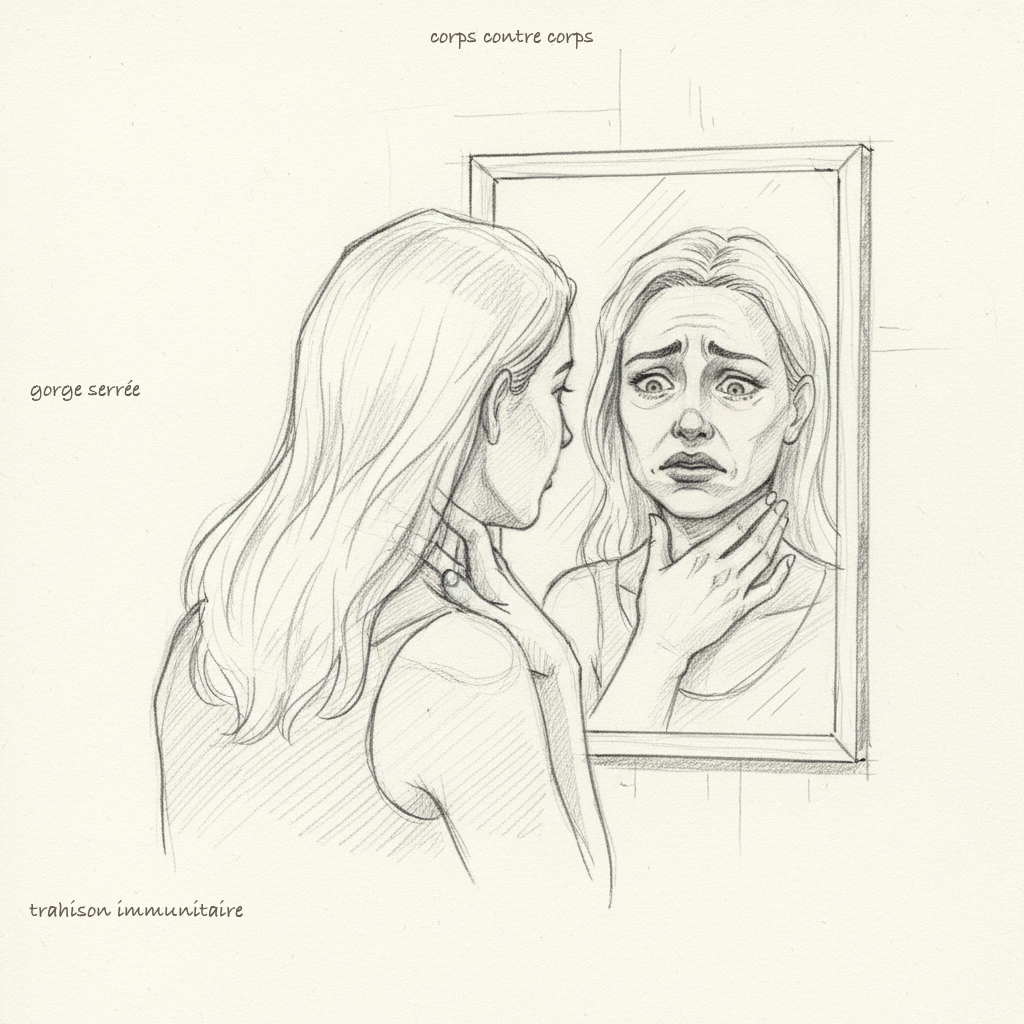
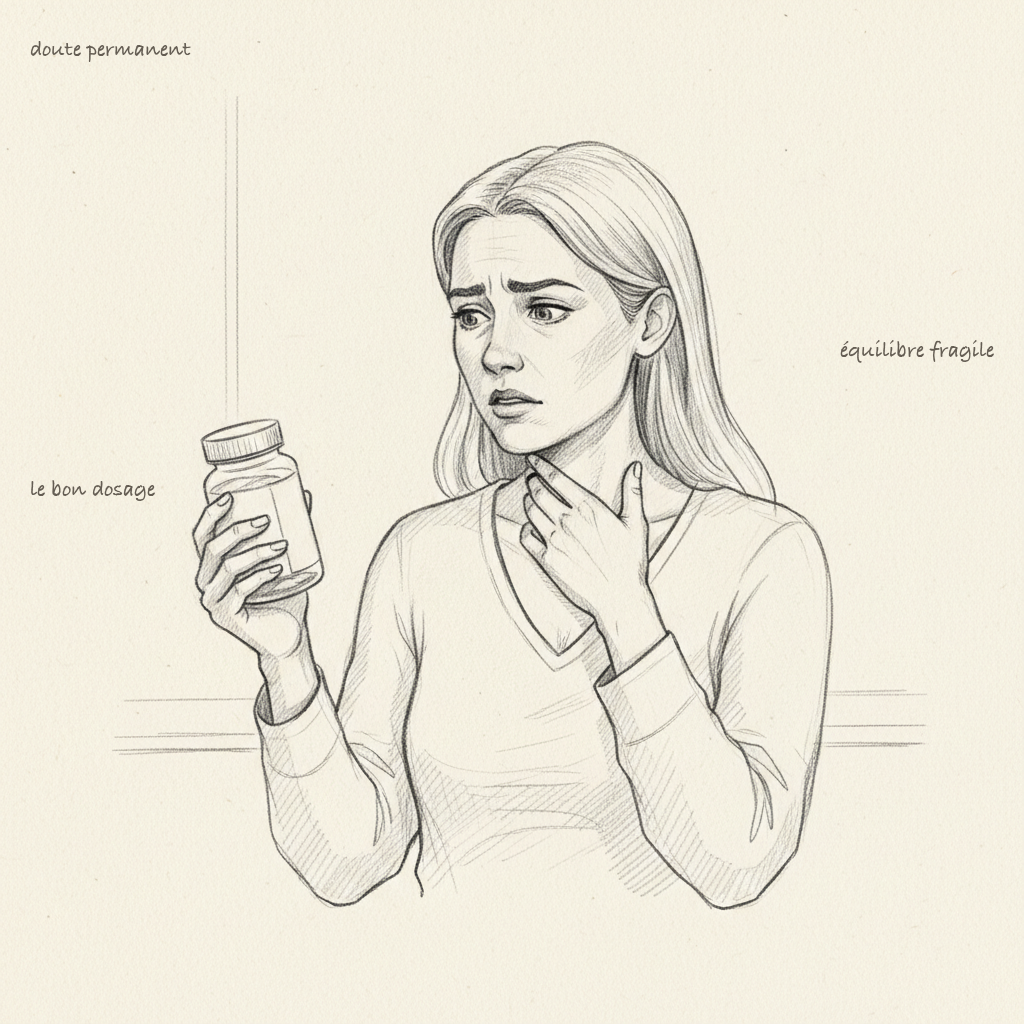
Sophie is forty-two years old. For three years, she has been taking Levothyrox every morning. Her endocrinologist monitors her TSH every six months, adjusts the dosage by a few micrograms, and tells her everything is fine. Yet Sophie is always tired. She has gained eight kilos without changing her diet. Her hair is falling out in handfuls. Her skin has become so dry that it cracks at her fingers in winter. And when she asks why her anti-TPO antibodies remain elevated, she is told it’s nothing serious, that Levothyrox is doing its job.
No one explained to her that her elevated antibodies mean that her own immune system continues to destroy her thyroid, day after day, despite the replacement hormones. No one told her that the problem does not come from her thyroid but from her gut. And no one offered to find the cause of this destruction rather than simply compensate for its consequences.
Professor Seignalet wrote in Food or the Third Medicine: “Thyroiditis is xenoimmune. The causative agent is a bacterial or food antigenic peptide, originating from the small intestine and accumulating in thyrocytes.” This sentence changes everything. It shifts the focus from the symptom to the cause.
Sophie is not an isolated case. Over three hundred consultations related to the thyroid, I have found that the vast majority of Hashimoto patients arrive with Levothyrox prescribed for months or years, TSH dosage as their only follow-up, and zero explanation of the autoimmune mechanism destroying their gland. Some don’t even know Hashimoto is an autoimmune disease. They were told “hypothyroidism,” given a tablet, and asked to return in six months. This purely substitutive approach, while essential in advanced cases, completely ignores the fundamental question: why does the immune system attack the thyroid, and what can be done to stop it?
If you recognize yourself in this situation, this article is for you. If you first want to understand how the thyroid works in general and its nutritional cofactors, I invite you to start with my article on the thyroid and micronutrition. Here, we will talk specifically about the autoimmune mechanism of Hashimoto, its root causes, and what naturopathy can offer when conventional medicine limits itself to Levothyrox.
What exactly is Hashimoto?
Hashimoto’s thyroiditis is named after Dr. Hakaru Hashimoto, who described it in 1912 in Japan. It is an autoimmune disease, which means that the immune system, normally responsible for protecting us from external attacks, turns against an organ of the body. In Hashimoto’s case, the target is the thyroid.
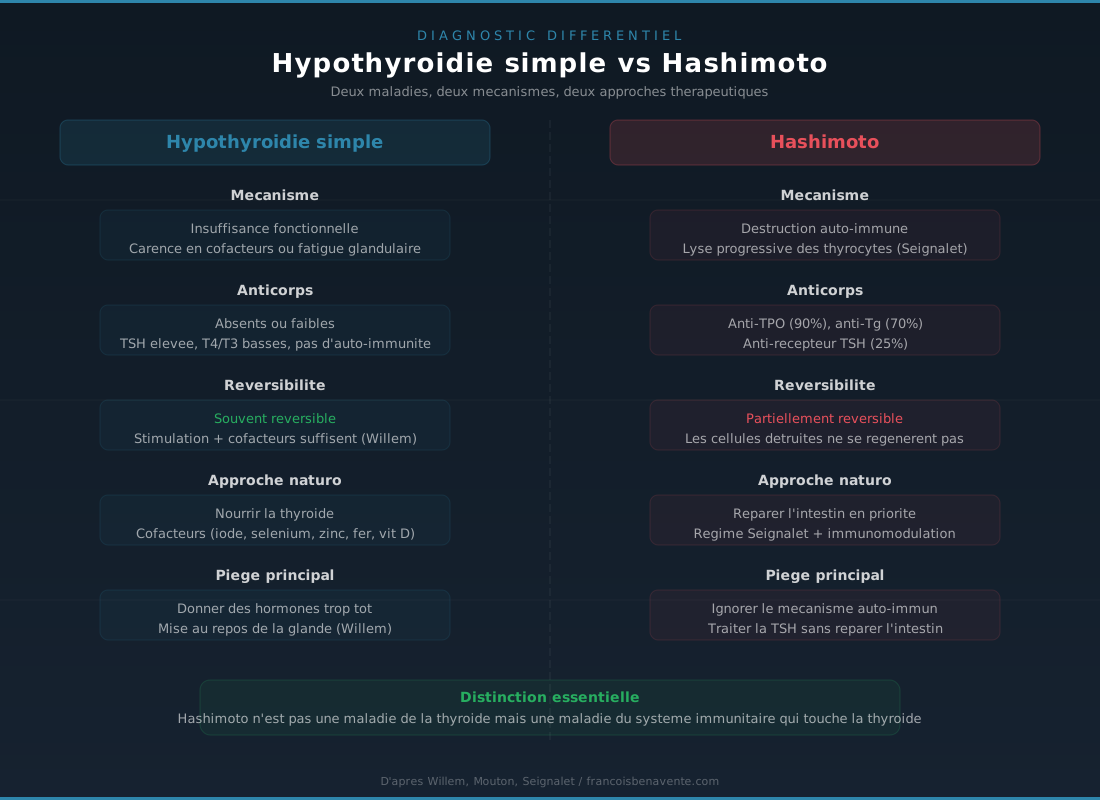
It is essential to distinguish Hashimoto from simple hypothyroidism. Simple hypothyroidism is a symptom, not a diagnosis: the thyroid is not producing enough hormones, often because it is missing nutritional cofactors (iodine, selenium, zinc, iron, vitamin D) or because it is tired from stress, pregnancy, or a virus. In this case, nourishing the thyroid and correcting deficiencies generally suffices to restore its function. Hashimoto is something else entirely. It is a progressive and irreversible destruction of thyroid cells by the immune system itself.
Hashimoto affects approximately two percent of the Western population, with a striking ratio of eight women to two men. This imbalance is explained by immune and hormonal differences between the sexes. The disease classically evolves in two phases. The first phase is often silent, sometimes even accompanied by bursts of paradoxical hyperthyroidism (when destroyed cells suddenly release their hormones into the bloodstream). The second phase is established hypothyroidism, when enough thyroid tissue has been destroyed that hormone production becomes insufficient.
Three types of antibodies are characteristic of Hashimoto. Anti-thyroperoxidase (anti-TPO) antibodies are present in approximately ninety percent of patients. Anti-thyroglobulin (anti-Tg) antibodies are found in seventy percent of cases. And antibodies blocking the TSH receptor appear in approximately twenty-five percent of patients. As Seignalet notes, these antibodies are witnesses to the destruction, not its cause. This is a crucial distinction that many doctors ignore.
To understand the fundamentals of terrain in naturopathy, an essential concept for understanding why the immune system goes awry, you can read the basics of naturopathy.
Seignalet’s xenoimmune mechanism
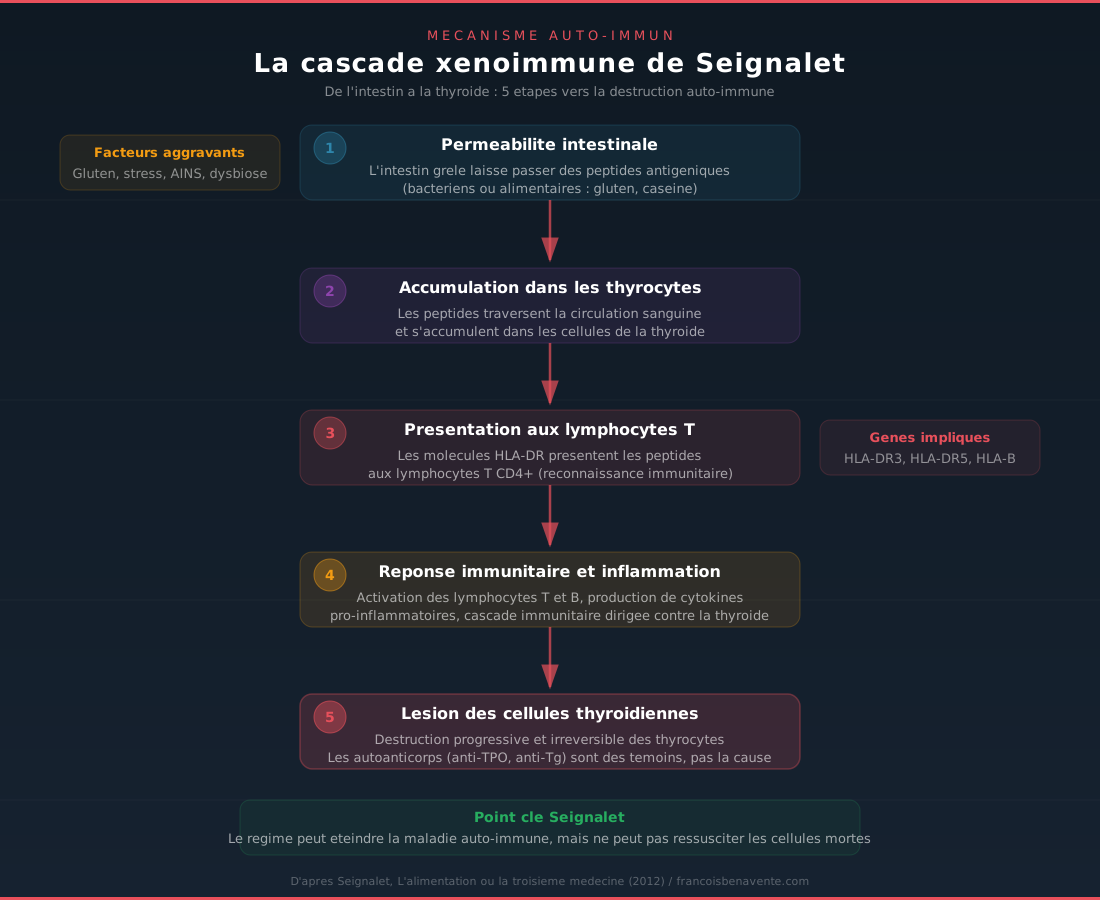
Professor Jean Seignalet devoted a significant part of his research to autoimmune diseases. His theory, which he calls xenoimmune (from the Greek xenos, foreign), proposes a five-step mechanism that starts in the gut and leads to thyroid destruction.
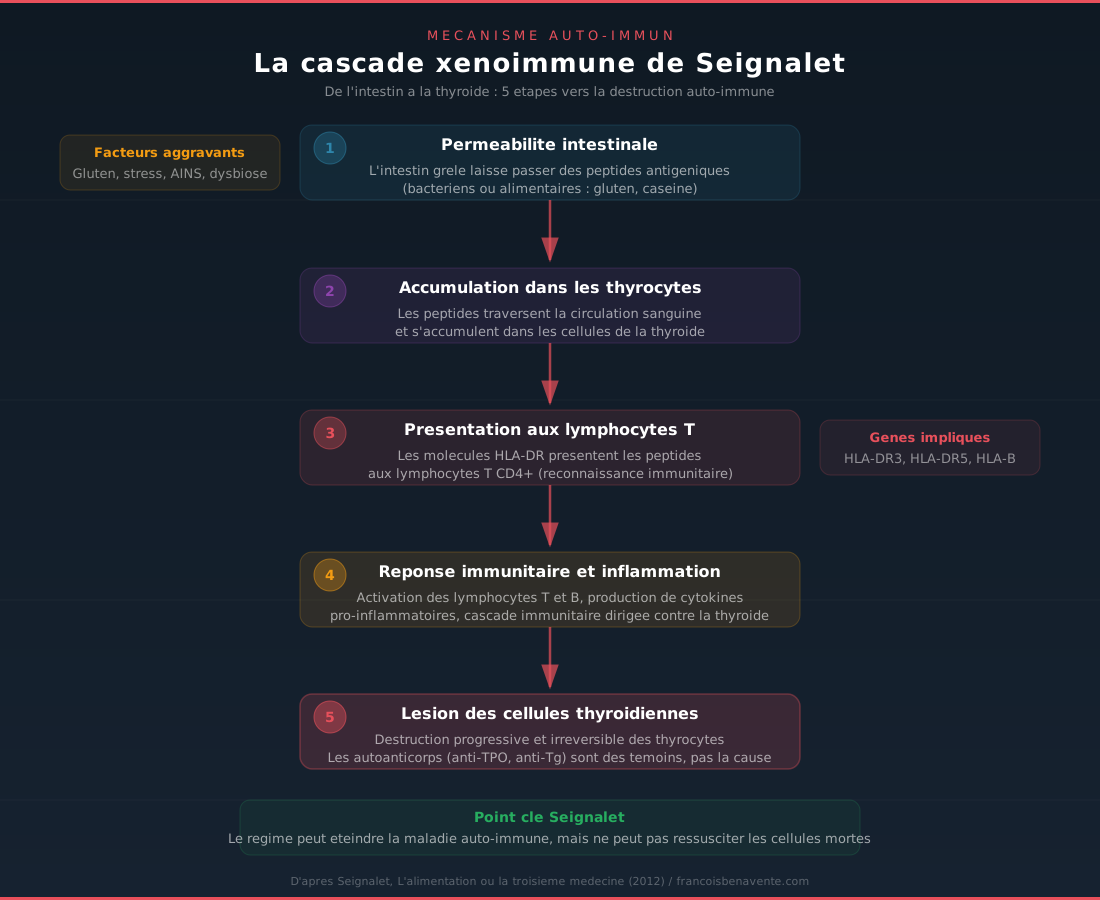
The first step is the alteration of intestinal permeability. The small intestine, normally composed of tightly joined cells (tight junctions), becomes porous under the effect of multiple assaults: gluten, casein, chronic stress, nonsteroidal anti-inflammatory drugs, dysbiosis, candidiasis. This porosity allows the passage of molecules that should never have crossed the intestinal barrier.
The second step is the passage into the bloodstream of antigenic peptides, that is, fragments of bacterial or food proteins large enough to be recognized as foreign by the immune system. These peptides travel in the blood and eventually accumulate in thyrocytes, the cells of the thyroid.
The third step is immune recognition. HLA-DR molecules (surface proteins coded by histocompatibility system genes) present these foreign peptides to CD4+ T lymphocytes. This is the alarm signal. The immune system identifies the thyroid as an enemy because it contains molecules it recognizes as foreign.
The fourth step is the immune response itself. T and B lymphocytes are activated, pro-inflammatory cytokines are released[^7], and a veritable inflammatory cascade is triggered against the thyroid. This response is both targeted (T lymphocytes directly attack thyrocytes) and systemic (inflammation spreads).
The fifth step is the progressive destruction of thyroid cells. It is at this stage that anti-TPO and anti-Tg antibodies appear, not as agents of destruction but as its witnesses. Seignalet summarizes it with disarming lucidity: “If diet is often capable of extinguishing the autoimmune disease, it cannot resurrect dead cells.”
This last statement explains why it is so important to act early. Seignalet himself tested his ancestral diet on fifteen women with Hashimoto[^8]. The results were “inconsistent and moderate,” and he gives the reason with remarkable honesty: “When patients come to consult me, generally most of the glandular cells are already destroyed. Now, while diet is often capable of extinguishing the autoimmune disease, it cannot resurrect dead cells.” In other words, the diet works to stop the destruction, but it cannot rebuild what has already been lost. Hence the urgency of acting as early as possible, ideally upon discovery of the first positive antibodies.
Seignalet also provides solid immunological evidence to support his theory. He observes a frequent association of Hashimoto with HLA-DR3 and HLA-DR5 genes[^1], invasion of the thyroid by an infiltrate of lymphocytes and plasma cells (visible on biopsy), and aberrant expression of class II HLA molecules on thyrocytes, cells that normally do not express these molecules. This aberrant expression is the mechanism by which thyroid cells unwittingly “show” foreign peptides to the immune system, triggering their own destruction.
The longer you wait, the more thyroid cells are destroyed, and the more the dependence on replacement hormones becomes irreversible. This is also why an anti-inflammatory diet is a fundamental pillar of the naturopathic approach, as I explain in my article on anti-inflammatory nutrition.
The gut: the forgotten key
If you understood Seignalet’s mechanism, you understood that Hashimoto is not a disease of the thyroid but a disease of the immune system that manifests at the thyroid level. And the starting point of this cascade is found in the gut.
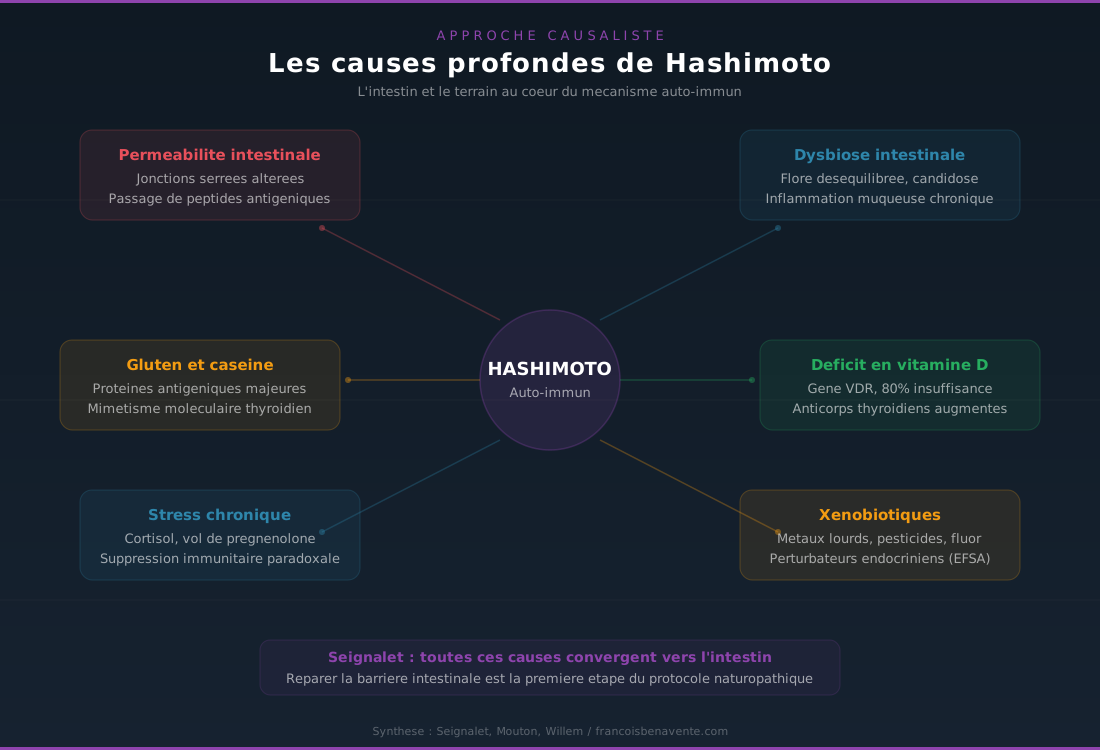
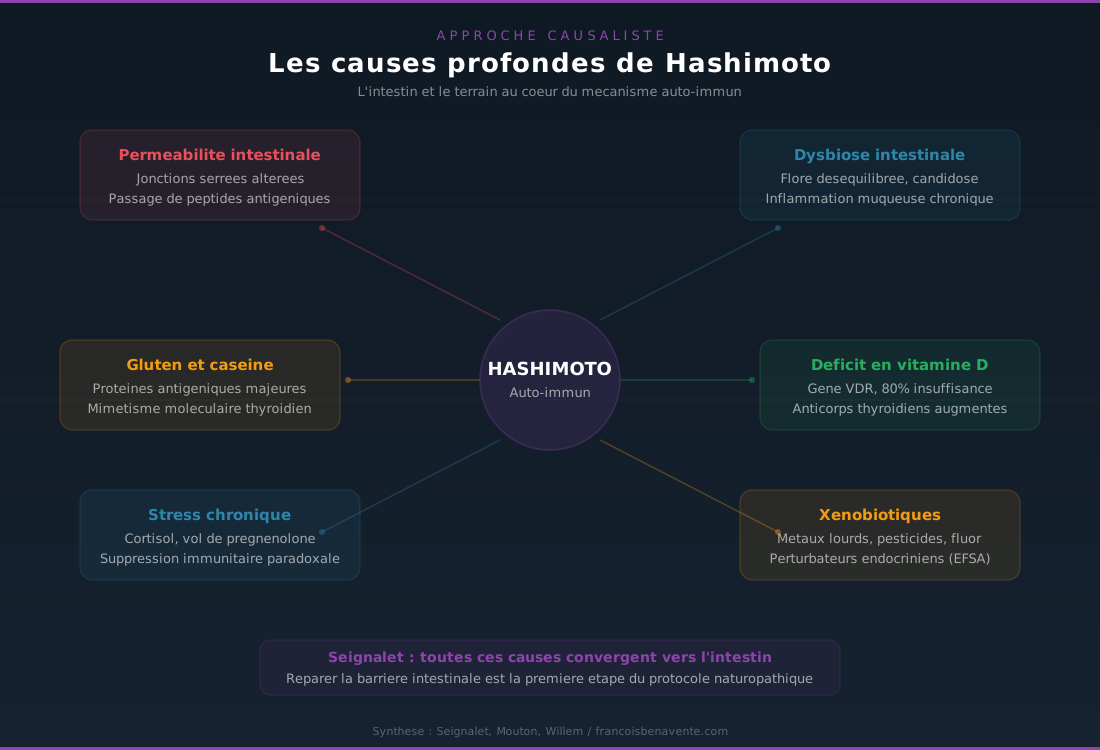
Six root causes converge toward this intestinal alteration.
The first is intestinal permeability itself, often called leaky gut in English. Tight junctions between intestinal cells are maintained by specific proteins (occludin, claudin, zonulin). When these proteins are degraded by gluten (via zonulin)[^2], stress (via cortisol), medications (NSAIDs, PPIs) or infections, the intestine becomes a molecular sieve.
The second cause is intestinal dysbiosis. The microbiota plays a central role in immune regulation. A flora imbalance (too many pathogenic bacteria, not enough protective bacteria, chronic candidiasis) perpetuates mucosal inflammation and worsens permeability. Dr. Mouton recommends testing the FUT2 gene to assess whether the intestine is properly supplied with substrates for protective bacteria, and performing a MOU test (urinary organic metabolites) if dysbiosis is suspected.
The third cause is exposure to gluten and casein. These two proteins are the food antigens most frequently implicated in Seignalet’s xenoimmune mechanism. Gluten (present in wheat, spelt, rye, barley) and casein (present in all animal dairy products) can cross a porous intestine and trigger the autoimmune response. This is why the Seignalet diet removes these two food categories as a first step.
The fourth cause is vitamin D deficiency. The VDR gene (vitamin D receptor) is directly involved in immune regulation. A vitamin D deficiency, frequent in France (more than eighty percent of the population is insufficient according to the ENNS study)[^3], increases thyroid antibodies[^4]. The article on zinc and its interactions with vitamin D details this mechanism.
The fifth cause is chronic stress. Cortisol, the stress hormone, has a paradoxical double effect on the immune system. In the short term, it is immunosuppressive (which explains why corticosteroids are prescribed in inflammatory diseases). But in the long term, chronic stress deregulates the Th1/Th2 immune balance, promotes the production of pro-inflammatory cytokines, and worsens intestinal permeability via the enteric nervous system.
The sixth cause is exposure to xenobiotics. According to EFSA (European Food Safety Authority), one hundred one of two hundred eighty-seven evaluated pesticides affect the thyroid. Heavy metals (mercury from dental fillings, lead, cadmium), fluorine (in water and toothpastes), endocrine disruptors (phthalates, bisphenols, PCBs, dioxins) disrupt thyroid hormone synthesis and metabolism while deregulating the immune system.
All these causes converge toward one point: the gut. This is why the first step of any serious naturopathic protocol for Hashimoto is the repair of the intestinal barrier. If you want to deepen the topic of detoxification and cleansing of elimination channels, I invite you to consult my article on spring detox.
Your genes are not your destiny
One of the most anxiety-provoking aspects of Hashimoto is its genetic component. When you learn that a brother or sister is affected, the risk is multiplied by two. When a parent is affected, the risk is multiplied by three. These figures can give the impression of a fate inscribed in DNA.
But it is essential to distinguish genetics from epigenetics. As functional genomics studies clarify, the fact that certain genotypes are associated with irregular laboratory markers does not mean that all people with this genotype will develop the disease. Many external factors must be considered: stress, pollution, the intestinal ecosystem, oxidative balance, sleep, physical activity, and diet.
Five genes have been identified as susceptibility factors. The ZFAT gene codes for a protein involved in cell development and immunity. A T variant at intron 9 is associated with increased rates of autoimmune thyroiditis. The PTPN22 gene codes for a protein that prevents T lymphocyte activation. A specific polymorphism (rs2476601) is associated with Hashimoto in certain populations. The Tg gene (thyroglobulin), involved in T4 and T3 synthesis, presents a polymorphism at exon 33 that predisposes to autoimmune thyroid diseases. The VDR gene (vitamin D receptor) has mutations that lead to vitamin D deficiency and a consequent increase in thyroid antibodies. Zinc acts as a cofactor for VDR, which explains why zinc deficiency worsens the picture. Finally, the HLA-B gene has mutations correlated with Hashimoto in Asian studies.
But having these genes is not a death sentence. Epigenetics teaches us that gene expression is modulated by the environment. A healthy gut, adapted diet, restorative sleep, effective stress management, and an environment poor in toxins can keep these genes silent. This is the notion of terrain dear to naturopathy: you do not inherit a disease, you inherit a more or less favorable terrain, and it is our lifestyle that tips the balance. Fibromyalgia shares with Hashimoto this clogging mechanism described by Seignalet, with spectacular results of the hypotoxic diet in ninety percent of patients.
The Levothyrox trap
Dr. Jean-Pierre Willem poses the problem with a clarity that deserves to be quoted in full: “There is too much tendency to dose only TSH to diagnose hypothyroidism and to immediately give thyroid extracts. But elevated TSH with normal free T4 and free T3 does not reveal hypothyroidism. It is simply a tired thyroid that needs to be stimulated.”
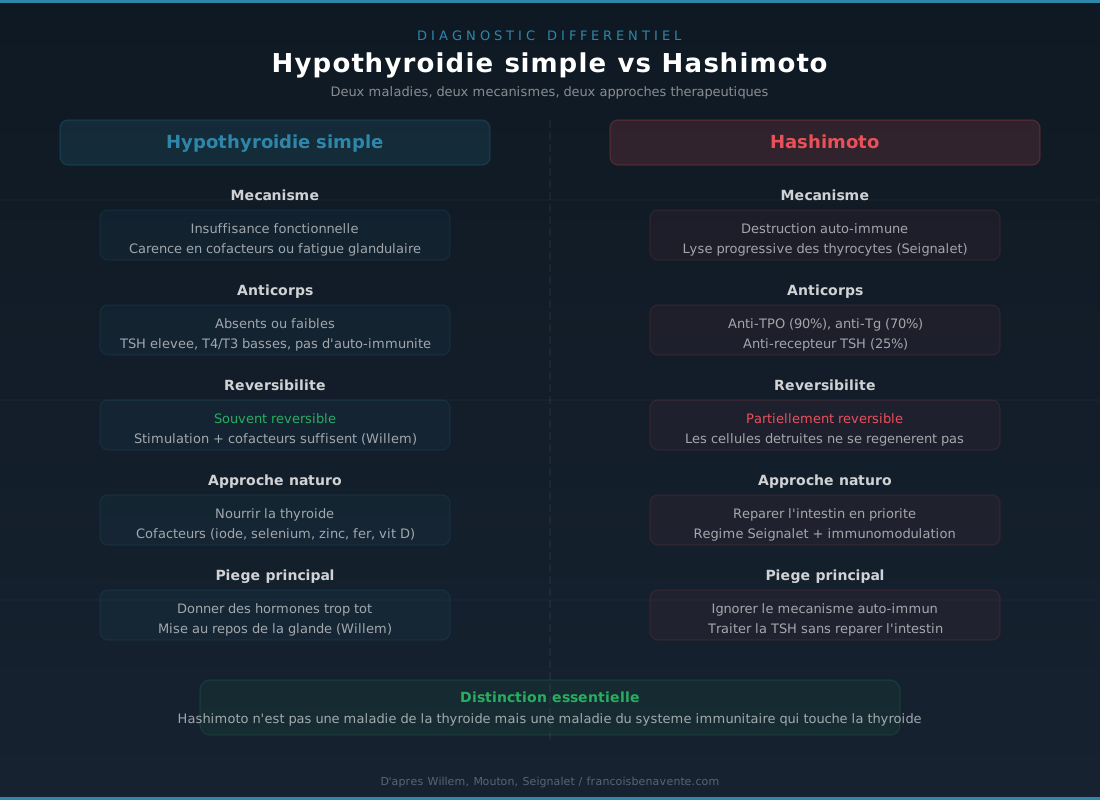
Willem then describes the trap: “In this case, thyroid extracts will initially cause signs of hyperthyroidism: tachycardia, palpitations, fever, sweating, weight loss, and nervous hyperactivity with insomnia. Then the thyroid will be put at rest, producing no more free T4 or free T3. The thyroid behaves like a speed regulator. Since this regulator no longer functions, some days the artificially supplied thyroid hormones will be too strong, causing tachycardia, excitement, and insomnia; other days they will be too low, causing fatigue, loss of mood, and daytime sleepiness.”
Willem clarifies what he proposes as an alternative: “When only TSH exceeds the norms, it is preferable at first to stimulate the thyroid by natural means: iodine, indispensable cofactors, homeopathic remedies, and appropriate diet.” He notably recommends Thyregul, a complex containing the cofactors for thyroid conversion, while the gland recovers from a virus, psychological shock, overwork, iodine deficiency, or hormonal upheaval such as pregnancy or menopause. And he warns: “If TSH remains very elevated for a long time, the risk is of seeing the pituitary gland enlarge.” It is only if the thyroid does not respond at all to stimulation and ceases to function that hormone replacement therapy becomes necessary for life.
This trap is even more treacherous in Hashimoto because of the DIO2 gene. This gene codes for type 2 deiodinase, the enzyme that converts the prohormone T4 into the active hormone T3. Dr. Mouton studied this polymorphism in over seventeen hundred patients. His conclusions are clear: patients carrying the Thr92Ala variant of the DIO2 gene are at greater risk of reducing intracellular and serum T3 concentrations that are not adequately compensated by Levothyrox[^5]. In other words, Levothyrox provides T4, but if the body cannot convert it correctly to T3, the treatment is insufficient.
Add to this the list of factors that block T4 to T3 conversion, independent of the DIO2 gene. Tea, coffee, and gluten inhibit this conversion. Dairy products and cigarettes do as well. Heavy metal poisoning (especially mercury from dental fillings) and fluorine compromise enzymatic function. A deficiency in selenium, iron, B12, or molybdenum deprives the body of the cofactors necessary for deiodinase. Poor liver health (steatosis, overloaded liver) directly reduces conversion capacity since the liver is the primary site of this transformation. And an altered intestinal ecosystem disrupts the peripheral conversion that occurs partly in the intestine.
Regarding T3 cellular reception, three factors are decisive: vitamin D3 and omega-3 status, the elimination of excess colloidal waste (Salmanoff), and the balance between estrogens and progesterone (excess estrogens increase TBG, the transport protein that sequesters thyroid hormones).
To go deeper into understanding T4 to T3 conversion and the seven essential nutrients, consult the complete article on the thyroid and micronutrition. If you want to deepen your knowledge of these mechanisms, my thyroid training on Teachizy covers all of this with concrete clinical cases.
The signs your doctor is missing
The classic signs of hypothyroidism are well known to doctors: fatigue, intolerance to cold, weight gain, constipation, dry skin, hair loss, bradycardia, depression, brain fog. But Dr. Mouton, who dedicated part of his career to functional hypothyroidism, has identified signs far more subtle than most practitioners know.
The first of these overlooked signs is dry skin. Mouton makes it a real clinical aphorism: “Every patient suffering from very dry skin, which includes eczema and psoriasis, should first be considered hypothyroid until proven otherwise. Infantile eczema or cradle cap is part of this group.” This statement goes far beyond simple winter dry skin. Mouton connects to hypothyroidism melasma (brown facial spots), vitiligo, Sjögren’s syndrome (mucosal dryness), chronic urticaria, lichen sclerosus atrophicus, acne rosacea, and even some connective tissue pathologies with skin impact.
The second overlooked sign is constipation in its severe form. Mouton is categorical: “Constipation is a cardinal symptom of hypothyroidism. One can say without hesitation that the hypothyroidism pathway must be systematically explored in every chronically constipated person: you will have quite a few surprises.” He describes extreme cases (one bowel movement per week, every two weeks, or even per month) and warns that these patients are exposed to colon, breast, or prostate cancer. Paradoxically, some of these chronically constipated patients can also have diarrhea episodes, “the only way the body finds to blow the cork.”
The third sign is the digestive tract in its entirety. Hypothyroidism slows down everything: dysphagia and heartburn from esophageal slowing, dyspepsia and nausea from delayed gastric emptying, and reduced production of digestive juices (less hydrochloric acid, fewer pancreatic enzymes). This last point creates a vicious circle: less stomach acid means less absorption of iron, zinc, and B12, which worsens hypothyroidism, which further reduces acid production. If you suffer from anemia or iron deficiency, the thyroid pathway deserves exploration.
The fourth sign is paradoxical weight. Contrary to popular belief, many hypothyroid patients have normal weight, some even lose weight. Mouton explains this by the direct link between T3 and ghrelin, the peptide that stimulates appetite. Without enough T3, appetite decreases, and the laziness of intestinal peristalsis does not help.
The fifth sign is the osteo-articular dimension. Hypothyroidism impacts bone metabolism, a fact known since World War I: fractures heal more slowly in hypothyroid patients. In consultation, I accompanied a young woman whose Hashimoto appeared after childbirth. She had joint pain so intense that her rheumatologist suspected rheumatoid arthritis and prescribed corticosteroids. When she removed gluten and started regular massage, the pain disappeared in three weeks. Her anti-TPO was at 300, her cheeks hollowed, her hair was falling out, she had permanent bloating and suffered from recurrent drops in blood pressure and tendinitis. This is a classic picture of post-partum Hashimoto that conventional medicine often takes months or even years to diagnose correctly. I detailed this diagnostic trap and the restoration protocol in the article on post-partum.
The sixth sign is basal temperature. Mouton considers that the temperature taken under the tongue in the morning in bed before any activity should not drop below 36.3 degrees Celsius in the morning or below 36.8 at six in the evening. Below 36 degrees, the hypothyroidism pathway must be seriously explored. The thyroid plays the role of the body’s thermostat. Mouton also recommends looking for paradoxical temperature drops during the day, a sign of deficient T4/T3 conversion.
The complete workup
If you recognize yourself in several of these signs, blood work is essential. But not just any test. TSH dosing alone, which sadly remains standard practice, is notoriously insufficient for Hashimoto.
A complete workup must include TSH (but with functional norms, not lab norms: the optimal range is 0.5 to 1.5 mU/L, not 0.4 to 4.0), free T3 and free T4 (to assess conversion), reverse T3 (to detect conversion blockage), the T3L/rT3 ratio, and especially the three antibodies: anti-TPO, anti-thyroglobulin, and anti-TSH receptor.
On the micronutrition side, the essential cofactors to test are selenium, zinc, copper (and especially the copper/zinc ratio, often imbalanced in autoimmune diseases), ferritin (functional target 50 to 80 ng/mL, not lab norms which go down to 10 or 15), vitamin D (target 60 ng/mL), erythrocytic magnesium (not serum magnesium which is a poor reflection of reserves), homocysteine (reflection of methylation), folates, active vitamin B12, and ultra-sensitive CRP (marker of low-grade inflammation).
For metabolic workups, HbA1c and HOMA index are relevant because insulin resistance is frequently associated with Hashimoto and worsens the inflammatory picture. The oxidative balance workup (total glutathione, SOD, GPX) assesses the body’s capacity to manage oxidative stress that participates in thyroid destruction.
To assess genetic and intestinal components, Dr. Mouton recommends dosing the DIO2 gene (T4/T3 conversion), the FUT2 gene (intestinal ecosystem), the MTHFR gene (methylation, crucial for homocysteine management), and the APOE gene (lipid and inflammatory metabolism). IgG testing for major foods (available from Barbier or Cerba, minimum fifty foods) identifies specific food intolerances beyond gluten and casein. The MOU test (urinary organic metabolites) is indicated if dysbiosis is suspected. Reference laboratories for these advanced tests are Synlab in Belgium (functional bionutrition), Cerba for TBG and antibodies, and Bio Avenir for free functional interpretation. If anemia is associated, a complete iron workup (ferritin, transferrin, saturation, reticulocytes) is also necessary.
Want to assess your thyroid function? The Claeys questionnaire is a good starting point. If you suspect adrenal exhaustion, the Hertoghe cortisol test will help you see clearly.
Basal temperature remains a valuable and free clinical tool. Take your temperature under your tongue for three consecutive mornings, upon waking, before getting up. If the average is below 36.3 degrees, the thyroid pathway is serious.
If you want personalized support to interpret these results and implement a protocol adapted to your situation, you can schedule a consultation.
Naturopathic protocol: repair, nourish, support
The naturopathic protocol I offer in consultation for Hashimoto is organized in three phases that correspond to fundamental naturopathic principles: first do no harm (Hippocrates), then nourish and correct, finally support the terrain in its entirety.
Phase 1: Repair the gut. This is the indispensable foundation. Without a functional intestinal barrier, no other treatment will have lasting effect. This phase begins with the Seignalet diet: elimination of gluten-containing cereals (wheat, spelt, rye, barley; rice and buckwheat are allowed), elimination of animal milks and all their derivatives, gentle cooking below 110 degrees Celsius (steam, low temperature), organic food as much as possible, and varied raw virgin oils (olive, flax, camelina, rapeseed). Glutamine (5 to 10 grams daily) directly nourishes intestinal cells. Omega-3s (flax oil, small fatty fish) calm mucosal inflammation. Lithothamnium (calcareous seaweed) buffers acidity. And if dysbiosis or candidiasis is confirmed, an antimicrobial protocol followed by probiotic reseeding is necessary before moving to the next phase.
Phase 2: Nourish the thyroid. Once the gut is being repaired, you can finally provide the thyroid with the cofactors it needs. Selenium (100 to 200 micrograms daily in selenomethionine form) is the first cofactor to restore: it protects the thyroid from oxidative stress and participates in T4/T3 conversion via selenoproteins[^6]. Zinc (15 to 30 milligrams of zinc bisglycinate) is essential for hormone synthesis and conversion. Iron (in bisglycinate form, if ferritin is low) is necessary for the thyroperoxidase enzyme. Vitamin D (2000 to 4000 IU daily depending on status) modulates immunity via the VDR. Magnesium (300 to 400 milligrams bisglycinate) is involved in conversion and T3 cellular reception. A key point for Hashimoto: never supplement iodine without first correcting the status of selenium and vitamins A, D, E, and K2. Excess iodine can worsen the autoimmune mechanism in Hashimoto patients.
Liver detoxification is also crucial since the liver converts T4 to T3. Fresh vegetable juices (carrot, beet, celery, ginger) made with a juice extractor support this function. Leafy greens provide folates and sulfur compounds needed for liver detoxification pathways. Gentle massage of the thyroid with myrrh essential oil (twice daily, upward movement) is a technique used by naturopaths to stimulate local circulation and promote remaining tissue regeneration.
Food chronobiology also plays an important role. Quality proteins and fats at breakfast provide precursors for neurotransmitters and hormones. Morning light favors T4 to T3 transcription. And light, fiber-rich dinners (leafy greens, soups) lighten the liver’s work at night, the period when the liver ensures most of the hormonal conversion.
Phase 3: Support the terrain. This phase encompasses everything that goes beyond the thyroid to embrace the individual in their totality. The thyroid-adrenal couple is fundamental: exhausted adrenals from chronic stress do not allow the thyroid to function correctly. Pine or savory essential oils applied to the adrenal area twice daily can support this function. Serotonin is closely linked to thyroid function via the tryptophan-serotonin-melatonin axis, which explains why so many Hashimoto patients suffer from mood and sleep disorders. Sleeping well is not only restorative but also necessary for nocturnal hormonal conversion.
Hydrotherapy is a powerful and underestimated tool. The alternation of hot-cold (Scottish shower, ice arm bath once daily, sauna followed by cold shower) stimulates the adrenals and revitalizes according to the principles of Kneipp and Salmanoff.
Adapted physical activity completes the protocol. No overtraining or intensive running that exhausts the adrenals, but outdoor activity bringing pleasure and laughter: forest walks, team sports, swimming. Moderate strength training is particularly interesting because it stimulates T3 production.
A point often neglected is the morphotypic approach. Naturopaths distinguish two broad profiles: the contracted (slender, nervous, catabolic) and the dilated (compact, rounded, anabolic). The thyroid patient of the dilated type, described by Kieffer, tends to store colloidal overloads and should prioritize drainage and movement. The contracted type often lacks hormonal capital and should prioritize revitalization and rest. Adapting the protocol to morphotype multiplies its effectiveness. Following up with the Braverman questionnaire at one month allows you to evaluate progress and adjust strategy.
What to avoid
Certain habits that seem harmless can significantly worsen the Hashimoto picture.
Excess raw goitrogens (cabbage, broccoli, cauliflower, turnip, soy, millet) contain thiocyanates that inhibit iodine uptake by the thyroid. Cooking largely inactivates these compounds. In practice, it is not about eliminating these vegetables (which are otherwise excellent for liver detoxification) but consuming them cooked and in reasonable quantity.
Coffee on an empty stomach is particularly harmful for the thyroid. It stimulates cortisol, exhausts the adrenals, and interferes with Levothyrox absorption if you take it (there must be at least thirty to sixty minutes between taking the medication and the first coffee). Black tea and tobacco are also T4/T3 conversion inhibitors.
Excess iodine is a classic trap. Unlike simple hypothyroidism where iodine is often beneficial, in Hashimoto excess iodine can worsen the autoimmune mechanism by increasing free radical production at the thyroid level (via the Fenton reaction). Iodine should only be supplemented under supervision, after correcting selenium status and antioxidants. Never self-supplement.
Refined sugar, alcohol, and ultra-processed foods perpetuate systemic inflammation and intestinal dysbiosis. They are incompatible with serious repair protocol.
We must be honest about the difficulty of the Seignalet diet long-term. Statistics show only thirty percent of people follow this diet beyond six months. And among those who stick for six months, only thirty percent continue beyond that. The reasons are multiple: the social constraint of shared meals, the cost of organic food, the fatigue of having to prepare everything yourself, and the fact that results are not always immediate.

Laisser un commentaire
Sois le premier à commenter cet article.